#consumer-confidence
#consumer-confidence
[ follow ]




fromLondon Business News | Londonlovesbusiness.com
6 days agoShop price inflation eases as retailers slash prices, but Middle East risks loom - London Business News | Londonlovesbusiness.com
Increased fuel prices are already leading to higher inflation, and we can expect a similar impact in the food and non-food supply chains in the months to come.
London food
UK news
fromLondon Business News | Londonlovesbusiness.com
1 week agoBritain's hospitality sector shrinks as rising costs force closures at pace - London Business News | Londonlovesbusiness.com
Britain's hospitality sector is facing significant closures, with over three establishments disappearing daily due to rising costs and declining consumer confidence.
#uk-economy
UK news
fromLondon Business News | Londonlovesbusiness.com
1 week agoConsumer confidence sinks to record low despite spending resilience - London Business News | Londonlovesbusiness.com
Consumer confidence in the UK economy is at a record low, yet spending remains resilient despite financial pressures on households.


UK news
fromLondon Business News | Londonlovesbusiness.com
1 week agoConsumer confidence sinks to record low despite spending resilience - London Business News | Londonlovesbusiness.com
Consumer confidence in the UK economy is at a record low, yet spending remains resilient despite financial pressures on households.
fromLondon Business News | Londonlovesbusiness.com
1 week agoSainsbury's sounds alarm on earnings as geopolitical strain hits shoppers - London Business News | Londonlovesbusiness.com
J Sainsbury plc has warned that the conflict in the Middle East will impact both our customers and our business, raising the prospect of lower profits this year as geopolitical pressure feeds through into household budgets and supply chains.
Business
London startup
fromLondon Business News | Londonlovesbusiness.com
1 week agoShoe Zone warns of loss as war and weak confidence hit shoppers - London Business News | Londonlovesbusiness.com
Shoe Zone expects an annual loss due to weakened consumer confidence and rising costs from geopolitical instability and government budget measures.
#retail

UK news
fromLondon Business News | Londonlovesbusiness.com
1 month agoHigh street hit as war fears knock confidence and shares slide - London Business News | Londonlovesbusiness.com
Major British retailers face sharp declines as consumer confidence drops and retail sales fall amid rising costs and fears of a prolonged downturn.
UK news
fromLondon Business News | Londonlovesbusiness.com
1 month agoHigh street hit as war fears knock confidence and shares slide - London Business News | Londonlovesbusiness.com
Major British retailers face sharp declines as consumer confidence drops and retail sales fall amid rising costs and fears of a prolonged downturn.
fromBusiness Matters
3 weeks agoEaster lifts footfall but retailers brace for April cost squeeze
The BRC cautioned that the Easter uplift, which arrived earlier than usual this year, fell short of what retailers had been banking on, leaving many in no mood to celebrate as April's cost pressures begin to bite.
UK news
Business
fromLondon Business News | Londonlovesbusiness.com
1 month agoMorrisons cautious amid Iran war as sales show growth - London Business News | Londonlovesbusiness.com
Morrisons is monitoring the impact of Middle East conflict on consumer confidence and supply chains while achieving strong sales growth.
UK news
fromLondon Business News | Londonlovesbusiness.com
1 month agoFlat hospitality sales push some operators into insolvency - London Business News | Londonlovesbusiness.com
Accommodation and food services insolvencies rose 9% month-on-month in January 2026 but declined 18% year-on-year, indicating underlying sector resilience despite immediate economic pressures.
World news
fromBusiness Insider
1 month agoChina's Gen Z is giving up on the 'Chinese Dream.' The global economy could pay the price.
China's 5% GDP growth masks underlying economic problems including real estate collapse, US trade tensions, and youth disillusionment about financial stability and career prospects.
fromLondon Business News | Londonlovesbusiness.com
1 month agoDomino's orders fall as price rises hit demand - London Business News | Londonlovesbusiness.com
Franchisees have had to put prices up. We've worked really hard not to do that, but we've had some significant incremental cost flow through the employment changes that came through. A lot of brands have really pulled back - they've either put their prices up massively or they've pulled back on their service. I think we've got the balance right in terms of how we've approached it.
Business
Business
fromwww.housingwire.com
1 month agoJob market softens as US payrolls fall by 92K in February
U.S. nonfarm payrolls fell 92,000 in February with unemployment rising to 4.4%, while prior months were revised lower, signaling continued labor market softening unlikely to alter Federal Reserve rate policy.
UK news
fromLondon Business News | Londonlovesbusiness.com
1 month agoGrowing economic uncertainty as British workers' confidence in job security weakens - London Business News | Londonlovesbusiness.com
UK job security confidence has fallen to a six-month low of 92.6, signaling economic pressures affecting household sentiment and potentially reducing consumer spending.
fromLondon Business News | Londonlovesbusiness.com
1 month agoUK car market strength masks deeper uncertainty over electric vehicle transition - London Business News | Londonlovesbusiness.com
In February, new car registrations reached 90,100, marking the best performance for the month in 22 years and the highest volume for February since 2004. The 7.2% year-on-year increase reflects a recovery in consumer confidence, with much of this momentum driven by private retail buyers returning to showrooms after a period of cautious spending.
Cars
fromTruthout
2 months agoTrump's Economy Is Hurting Americans - and Setting Us Up for Long-Term Collapse
Typical of Trump, he is boasting about the performance of the U.S. economy in the most hyperbolic terms. He even declared that his economy is 'the greatest ever in history' in a recent interview on Fox Business Network. He points to the stock market and allegedly low inflation to back his claim.
US politics
US news
fromFortune
2 months agoGen Z and young millennials are the only ones feeling good about the economy-everyone else is worrying about trade and inflation | Fortune
Generation Z and young millennials show the highest consumer confidence since summer 2023, while older generations remain pessimistic about economic conditions.
Renovation
fromFortune
2 months agoHome Depot CEO flags a disconcerting lack of faith in the American economy: 'Our customers are telling us that they're not investing' | Fortune
Home Depot faces declining sales as customers delay home improvement projects due to stalled housing market and reduced consumer confidence despite low mortgage rates.
fromFortune
2 months agoGDP growth sharply slows to 1.4%, less than half of fourth quarter expectations | Fortune
U.S. economic growth slowed in the final three months of last year, dragged down by the six-week shutdown of the federal government and a pullback in consumer spending. The nation's gross domestic product - the output of goods and services - increased at a 1.4% annual rate in the fourth quarter, the Commerce Department reported Friday, down from 4.4% in the July-September quarter and 3.8% in the quarter before that.
US news
fromFast Company
2 months agoWe're in a trade-down economy, and Ulta is winning
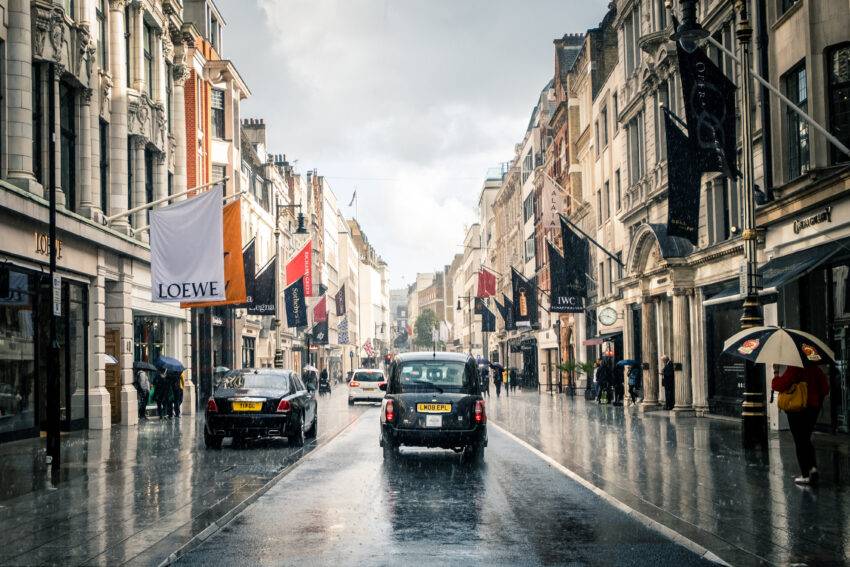
If you're feeling anxious about the economy, you're not alone. Consumer confidence is at its lowest in more than a decade. Americans are worried about inflation, a possible recession, and job security-and that anxiety is reshaping how they spend. Even high earners are pulling back. Households are cutting big-ticket indulgences like vacations, fine dining, and designer fashion and redirecting spending toward essentials like groceries and personal care.
E-Commerce

Business
fromFortune
2 months agoThe economy isn't K-shaped. For 87 million, people, it's desperate and for another 46 million it's elite | Fortune
A split in consumer confidence across income groups threatens stability as millions facing affordability-driven strain begin abandoning long-term planning and exiting upward mobility.


Cars
fromLondon Business News | Londonlovesbusiness.com
2 months agoHalf of consumers choosing 'rainy day' saving over buying a used car - London Business News | Londonlovesbusiness.com
Most consumers prioritize saving for unexpected 'rainy day' expenses, with high inflation and economic worries reducing willingness to swap used cars in 2026.
US news
fromLondon Business News | Londonlovesbusiness.com
2 months agoMarkets pause as investors weigh economic signals - London Business News | Londonlovesbusiness.com
U.S. markets were mixed as the S&P 500 briefly topped 7,000 and ended modestly higher amid falling consumer confidence and steady labor data.
fromwww.theguardian.com
3 months agoAI boom will produce winners and carnage,' says tech boss; dollar sinks to four-year lows after Trump comments business live
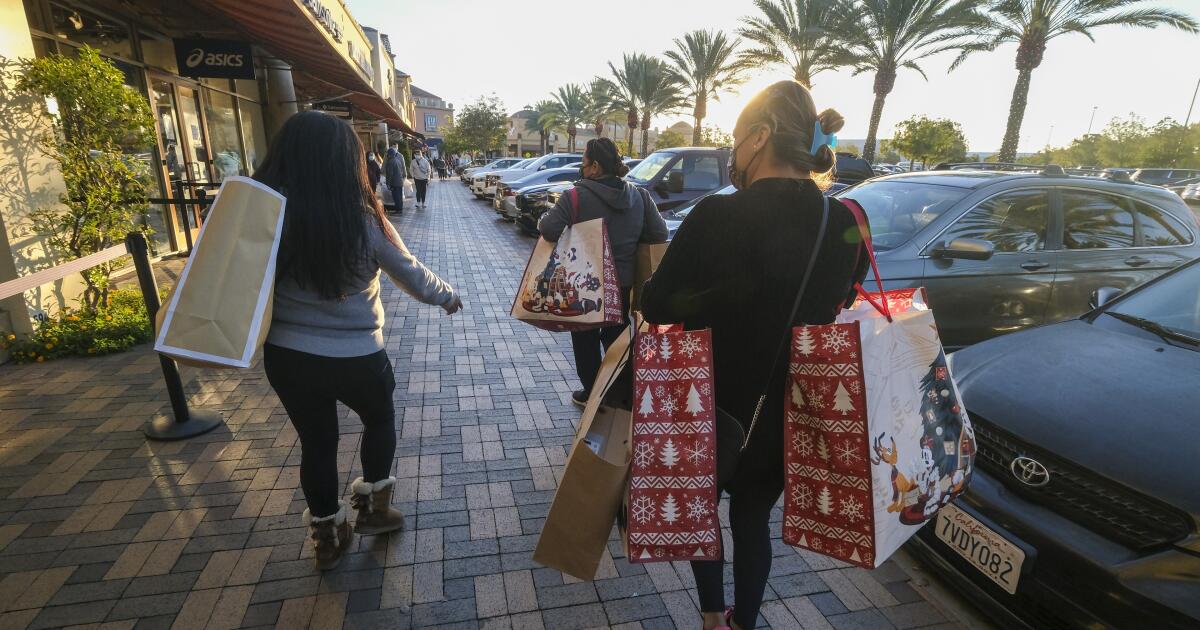
It pushed the US dollar index to a four-year low and continues to drive gold and silver to fresh record highs this morning. Trade and geopolitical uncertainty, tied to an increasingly unreliable American friend and ally, as well as growing concerns about what will happen to the Federal Reserve's credibility once Jerome Powell leaves office (it will fly out of the window), continue to weigh on the US dollar.
Business


Environment
fromIndependent
3 months ago'Use more of your electricity first thing in the morning and last thing at night' - Harrison Gardner of RTE's 'Build Your Own Home' on how to slash your energy bills
Most Irish households want to improve energy efficiency but lack confidence and know-how to identify cost-effective net-zero solutions.



fromwww.theguardian.com
4 months agoNearly half of Americans believe their financial security is getting worse, poll finds
Twice as many Americans believe their financial security is getting worse than better, according to an exclusive new poll conducted for the Guardian, and they are increasingly blaming the White House. The poll, conducted by Harris, will be a further blow to Donald Trump's efforts to fight off criticism of his handling of the economy and contains some worrying findings for the president.
US politics


US politics
fromwww.mediaite.com
4 months agoFox Anchor Presses Cabinet Secretary on Trump's Mathematically Impossible' Claims
Trump claimed drug prices were slashed by 400–600%, a mathematically impossible assertion that highlights a gap between optimistic economic claims and falling consumer confidence.
US news
fromFortune
5 months agoBlack Friday faces its ultimate test as desperate retailers and low consumer confidence collide in a high-stakes holiday standoff | Fortune
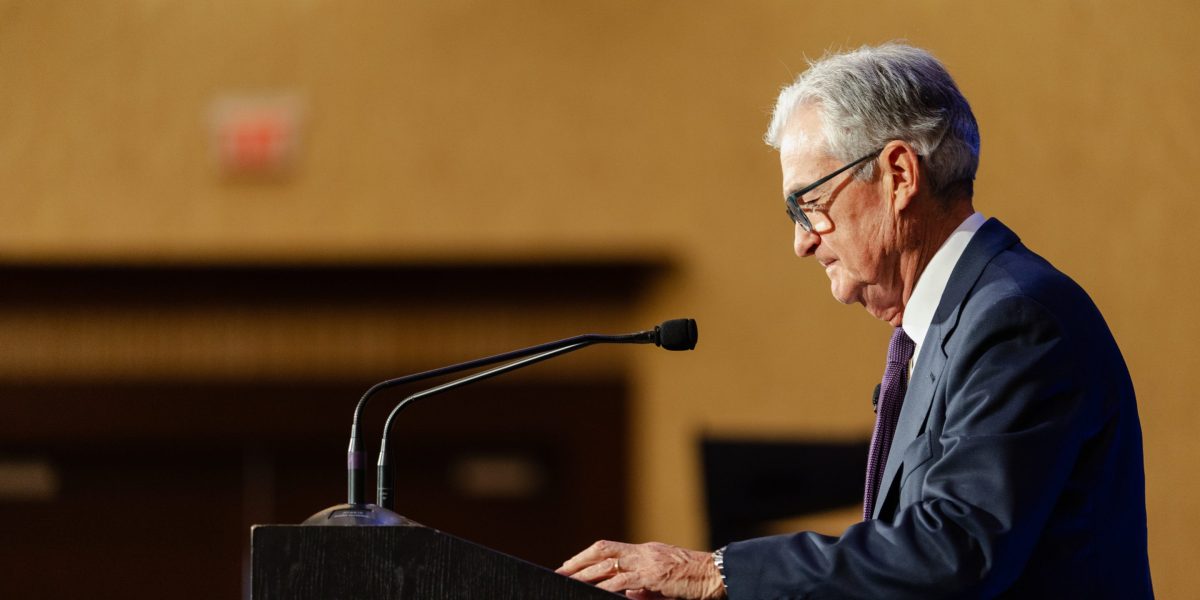
Black Friday continues to draw the largest in-store crowds and strong holiday spending despite falling consumer confidence, rising price sensitivity, and more selective shoppers.



fromJezebel
5 months agoThe True Poverty Line Is not $140,000, But It's Still Shockingly High
The average American has always been misinformed about basic economic and political realities, but not to this degree. Something has fundamentally changed in how people perceive the economy, and this is far more than just media misinformation (which does play a big part). We can actually measure people's sentiment in myriad ways, and with the holiday season on the horizon, the Conference Board's Consumer Confidence Index fell to a seven month low of 88.7 in November, missing analysts' expectations today of 93.2.
Business


fromLondon Business News | Londonlovesbusiness.com
5 months agoSix months of falling footfall on the high street shows need for government action - London Business News | Londonlovesbusiness.com
While overall footfall fell for the sixth consecutive month, there was some good news on High Streets, which saw positive shopper traffic after a disappointing September. With consumer confidence remaining weak ahead of the possibility of a tax-raising Budget, many households have stayed away from shopping centres and retail parks. However, a Friday Halloween brought some welcome relief, delivering a late-month boost for retailers.
UK news


US news
fromFortune
6 months agoRoughly half of US states are effectively in a recession and 'hanging on by their fingertips,' Moody's chief economist says | Fortune
Significant regional and income disparities mean many U.S. states and lower-income households face recession-like conditions despite strong national GDP and low unemployment.


fromwww.theguardian.com
7 months agoSelfridges blames slump in tourists shopping for luxury goods as sales fall
Selfridges has blamed a slump in the number of international tourists shopping for luxury goods in the UK and weaker consumer confidence for a fall in annual sales, as the retailer racked up losses for a fifth year in a row. The upmarket department store chain reported a 7% decline in sales in the 48 weeks to 4 January 2025 to 775m compared with 835m recorded over the 53 weeks of its previous year.
London
fromBusiness Matters
8 months agoNearly 1bn wiped off UK retailers' market value as Deutsche Bank 'fear index' warns of consumer squeeze
Almost £1 billion was wiped off the stock market value of Britain's biggest retailers on Tuesday after Deutsche Bank warned that consumer confidence is sliding sharply ahead of the autumn budget. The bank's so-called fear index points to rising anxiety across all income groups, with shoppers concerned about job losses, frozen tax thresholds, and the prospect of further fiscal tightening from Chancellor Rachel Reeves.
Miscellaneous
[ Load more ]