#cte
#cte
[ follow ]
#nfl #mental-health #mass-shooting #gun-violence #suicide #concussions #brain-injury #football #steve-mcmichael







fromKqed
3 months agoFormer Oakland Raider Kevin Johnson Is Killed at LA Encampment | KQED
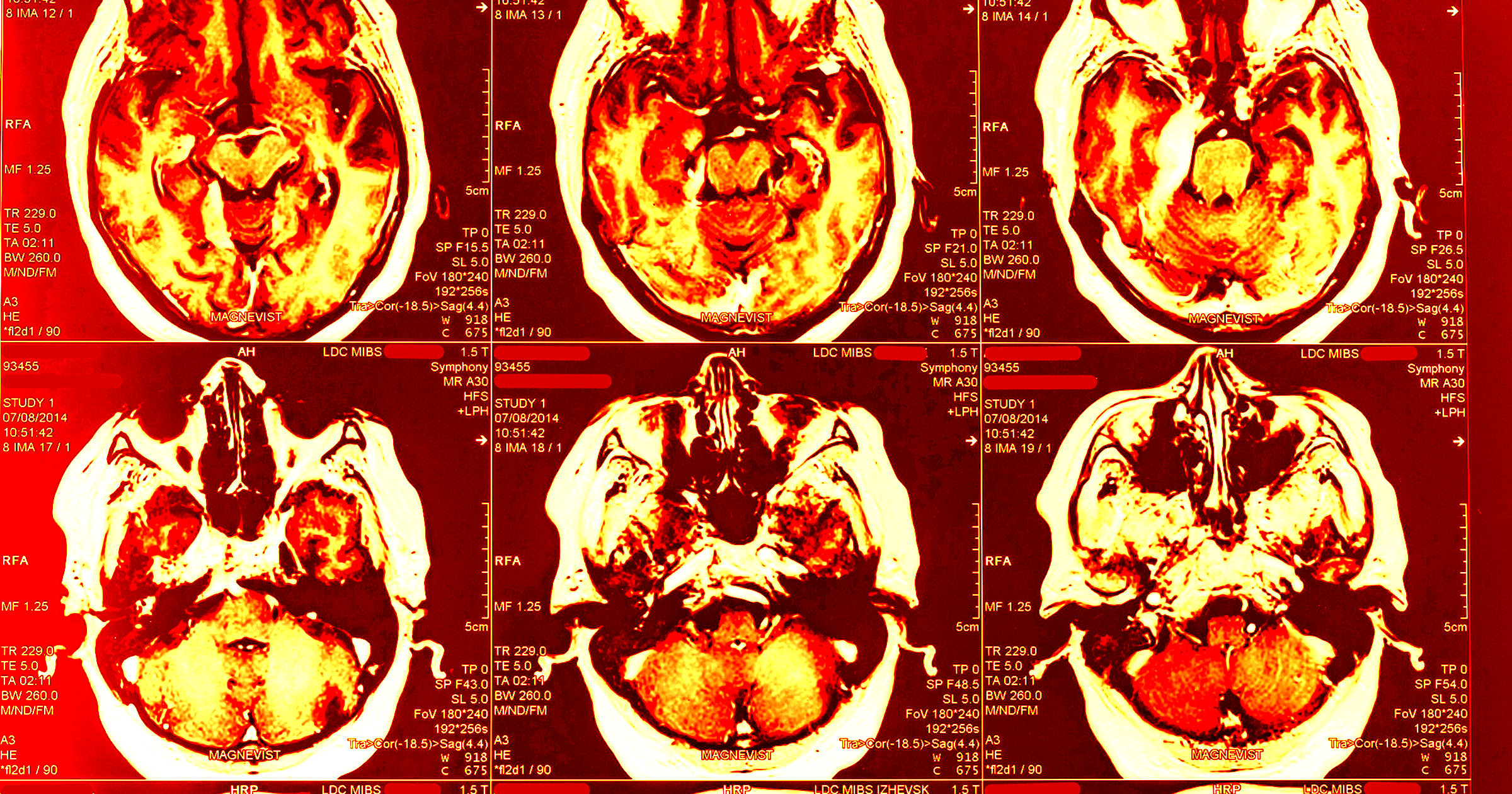
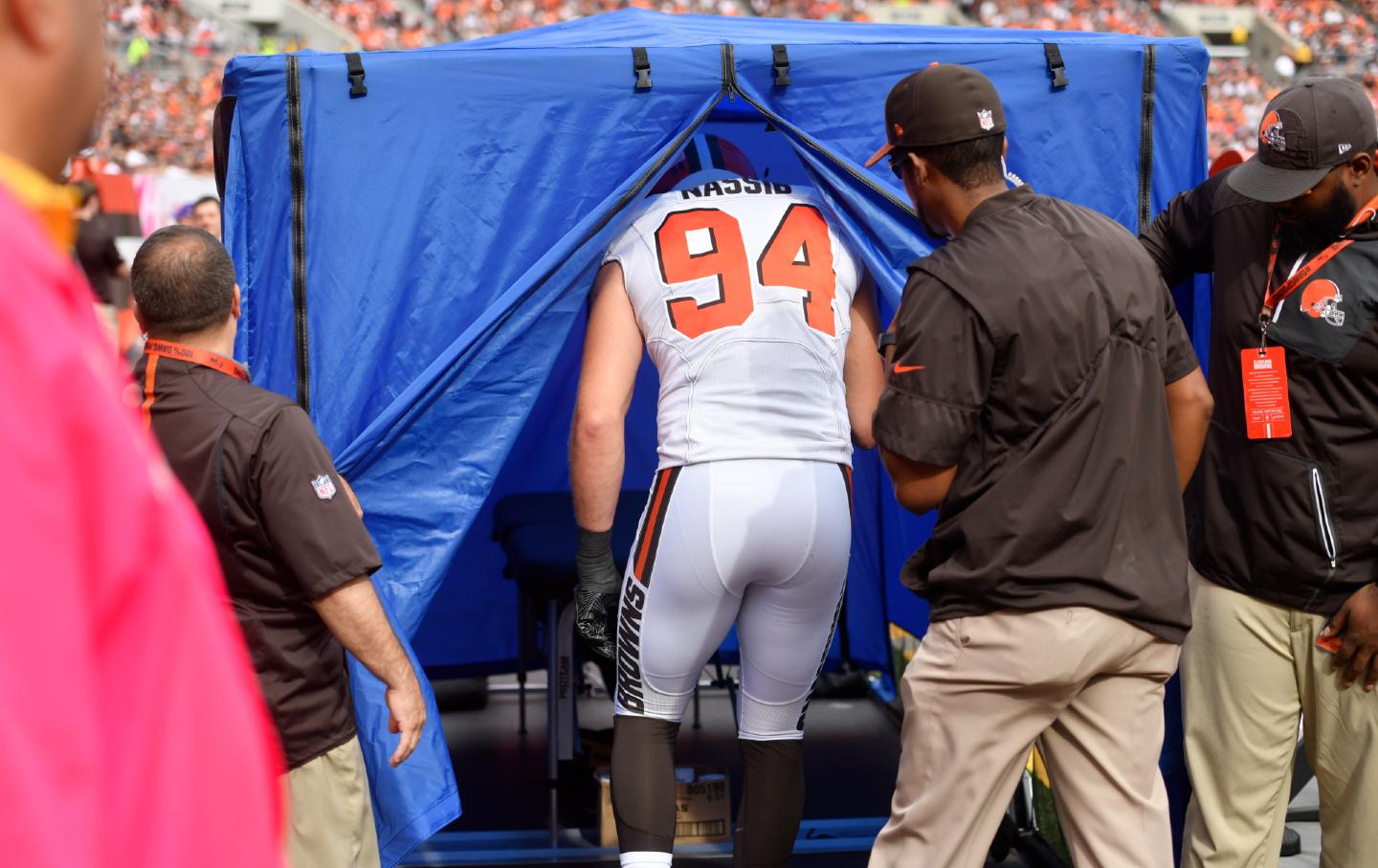
The condition is the result of repeated traumatic brain injuries, which can happen repeatedly over the course of a football season. According to Dr. Daniel Daneshvar, a Harvard University professor and co-director of sports concussion at Mass General Brigham in Boston, CTE easily flies under the radar because it can only be diagnosed via brain analysis after a person's death.
Science
fromwww.bbc.com
3 months agoWhat happens next after latest link between heading and brain disease?
When a senior coroner declared on Monday that repeatedly heading footballs "likely" contributed to the brain disease which was a factor in the death of former Leeds United and Manchester United defender Gordon McQueen, the relationship between heading and neurodegenerative illnesses was thrown into the spotlight again. The link between heading and brain injuries relates to an illness called chronic traumatic encephalopathy (CTE), which is caused by repeated head impacts, and which McQueen was found to have suffered from, alongside vascular dementia.
Soccer (FIFA)
fromwww.bbc.com
3 months ago'Heading ball likely contributed to McQueen's brain disease'
I have found that Mr McQueen suffered repetitive head impacts during his career. I am satisfied that on the balance of probability that repeatedly heading footballs contributed to his developing chronic traumatic encephalopathy (CTE). The combination of CTE and vascular dementia led to pneumonia. I find the cause of death pneumonia, vascular dementia and CTE. It is likely that repetitive head impacts, sustained by heading the ball while playing football, contributed to the CTE.
Manchester United





fromwww.mercurynews.com
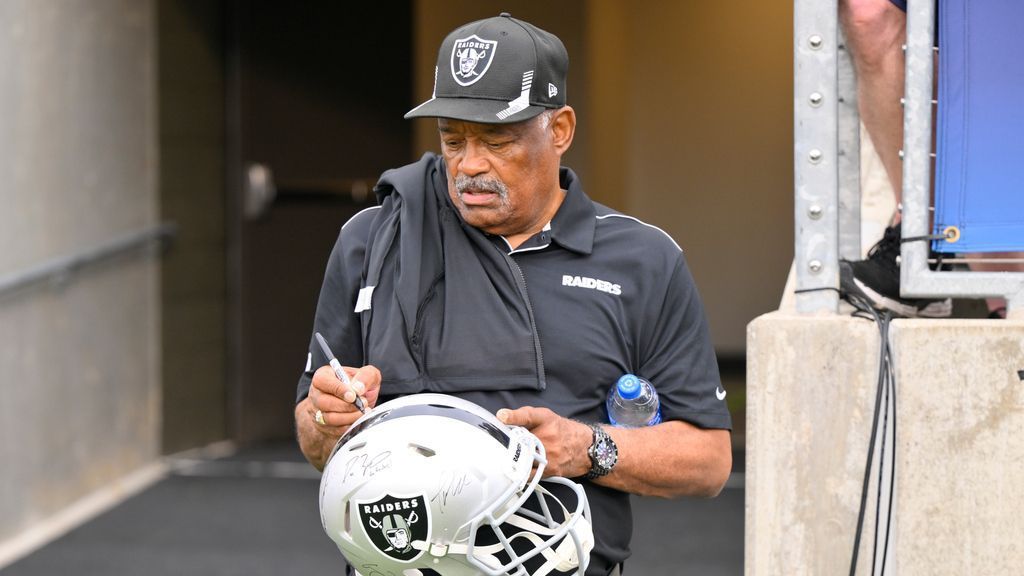
6 months agoFormer NFL running back Doug Martin's brain to be tested for CTE, authorities confirm
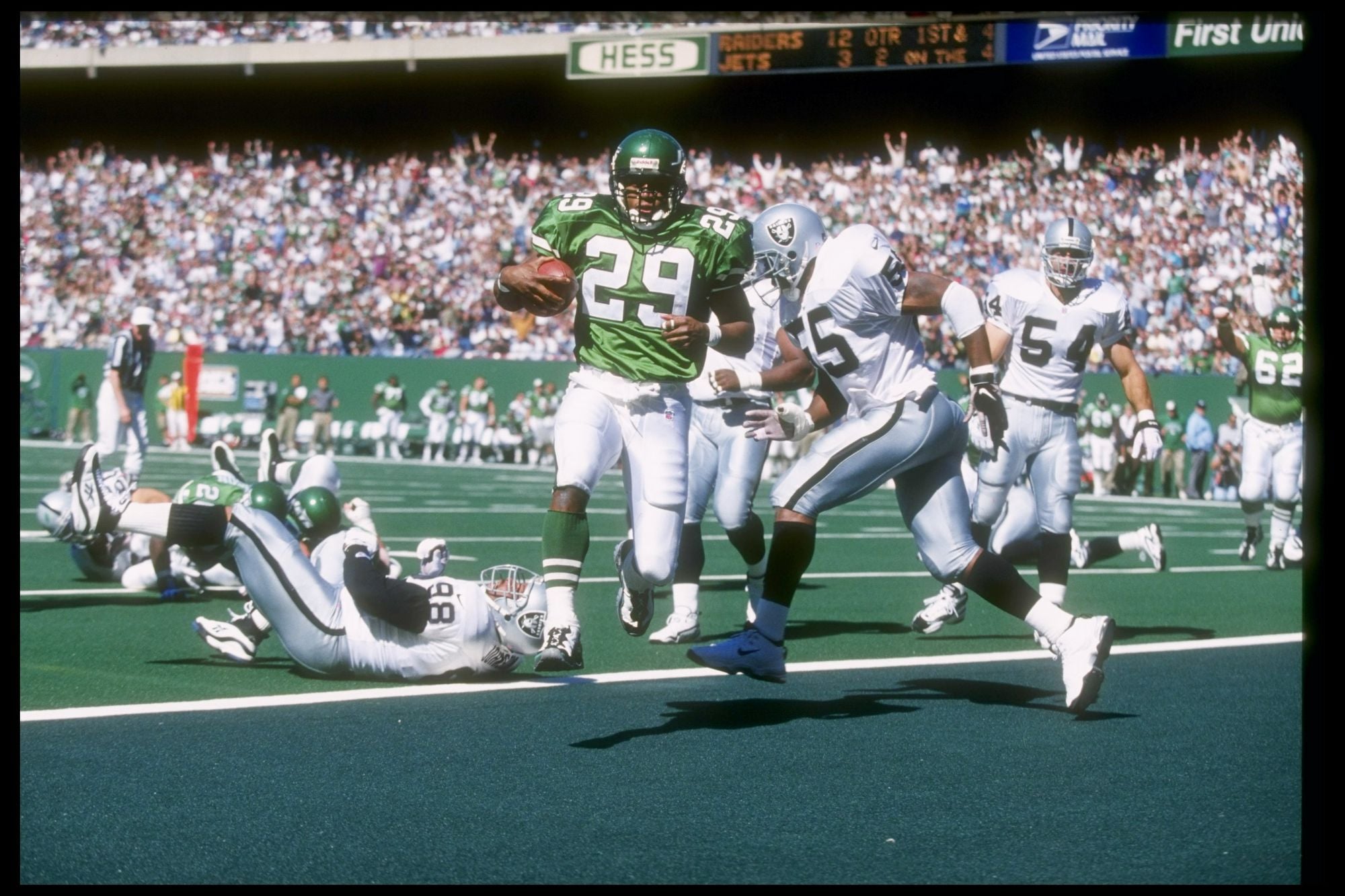
Neurologists are expected to soon examine whether former NFL running back Doug Martin, who died in Oakland police custody over the weekend after an alleged home break-in, suffered from a degenerative brain disease found in a growing number of professional athletes. Martin's brain is being preserved for tests to determine whether he suffered from chronic traumatic encephalopathy, or CTE, authorities confirmed to this news organization on Tuesday.
Medicine
Health
fromNew York Post
6 months ago'Billion-Dollar Baby' Heather Hardy sues boxing world for brain injuries: 'They lined their pockets with her pain'
Heather Hardy retired because severe neurological symptoms consistent with CTE left her unfit to fight after alleged improper medical clearances and denied bout-related insurance.
fromwww.theguardian.com
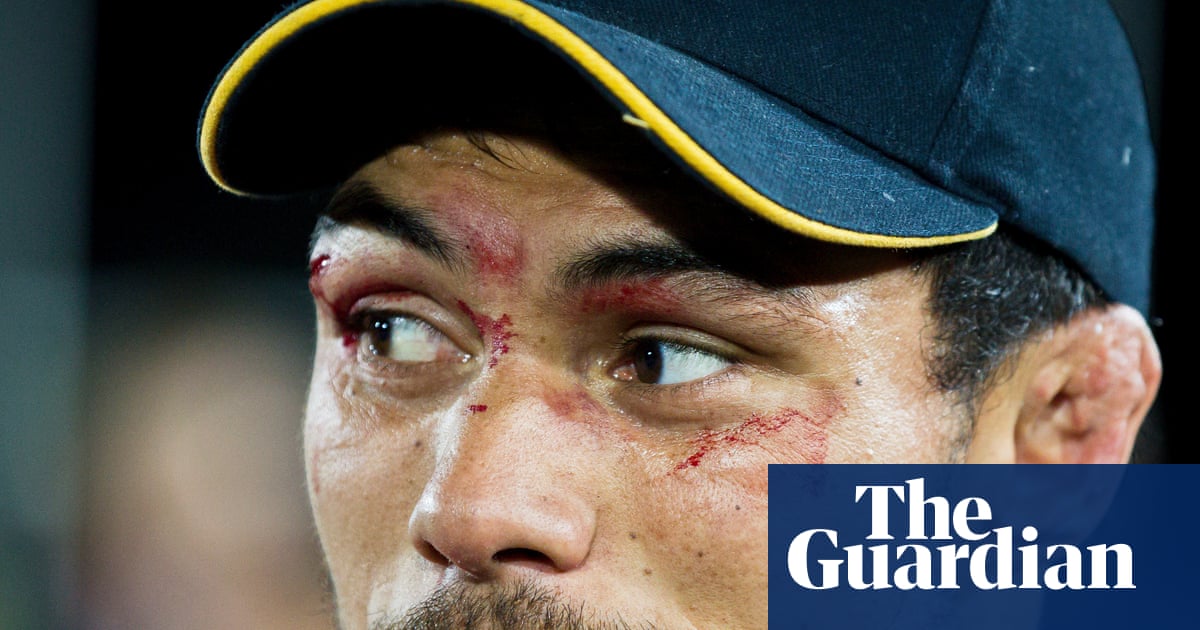
7 months agoShane Christie sustained multiple head injuries playing rugby. In death, he is still fighting for change
First came the headaches, a feeling of pressure in the head. Then, Shane Christie started experiencing macabre hallucinations of his own death. Later, the once sociable New Zealand rugby player started getting into arguments with loved ones and towards the end paranoia consumed his trust, making him fearful and depressed. By the time Christie took his own life aged 39 in August some 10 years after he first started experiencing the headaches he was almost unrecognisable to those closest to him.
Medicine









fromFortune
7 months agoNFL office shooter had low-level CTE, NYC medical examiner finds | Fortune
Shane Tamura, who carried out a fatal shooting attack at a Manhattan office tower housing the National Football League, showed evidence of early-stage degenerative brain disease tied to repeated blows to the head, according to New York City's chief medical examiner. The shooter had left a note at the crime scene accusing the NFL of abandoning players with head injuries and asked that his brain be examined for chronic traumatic encephalopathy.
US news
fromwww.theguardian.com
7 months agoI am a fighter': ex-NFL player on surviving suicide and financial abuse
In a span of five years, beginning in 2015, the former National Football League quarterback Erik Kramer tried unsuccessfully to die by suicide, then lost hundreds of thousands of dollars after a woman he secretly married plundered his life's earnings while he struggled to heal. Kramer nonetheless considers himself an extremely lucky man and knows his recovery both mental and physical has been extraordinary by any definition, he said in an essay shared with the Guardian.
Mental health





[ Load more ]