#fossil-fuels
#fossil-fuels
[ follow ]
#climate-change #renewable-energy #clean-energy #energy-transition #energy-policy #trump-administration

fromwww.theguardian.com
2 days agoHow LNG interests are seeking to disrupt global talks on decarbonising shipping
About a fifth of the world's oil and liquefied natural gas (LNG) passed through the strait of Hormuz, a strip of sea less than 30 miles wide at its narrowest point, before it was in effect closed by the US-Israeli attack on Iran, which sent the price of oil soaring and left an estimated 20,000 seafarers on 2,000 vessels stranded.
Environment


#offshore-wind
Environment
fromFortune
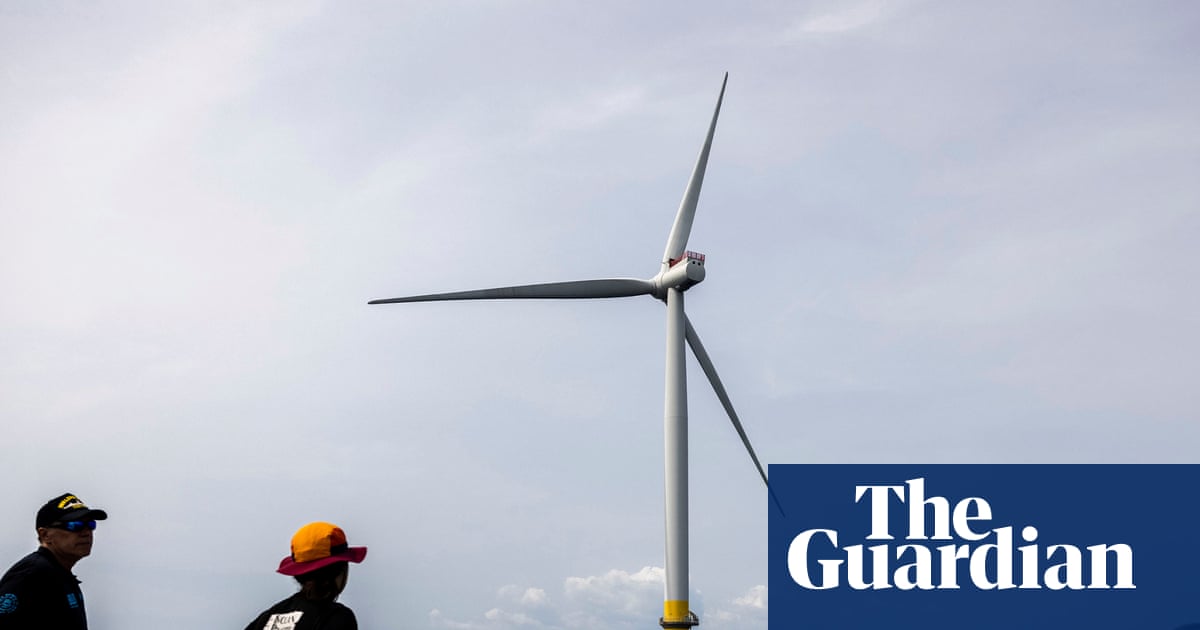
2 days agoWind energy executive says company must 'adapt' as Trump offers $2 billion to kill offshore wind projects | Fortune
Renewable energy projects in the U.S. face significant setbacks as the Trump administration pays companies to abandon offshore wind ventures in favor of fossil fuels.
Environment
fromFortune
2 days agoWind energy executive says company must 'adapt' as Trump offers $2 billion to kill offshore wind projects | Fortune
Renewable energy projects in the U.S. face significant setbacks as the Trump administration pays companies to abandon offshore wind ventures in favor of fossil fuels.



fromwww.theguardian.com
1 week agoEd Miliband to double down on net zero with measures to combat Iran energy shock
The era of fossil fuel security is over, and the era of clean energy security must come of age. This is the clear lesson as we face the second global energy shock in less than five years.
UK politics
fromThe Local France
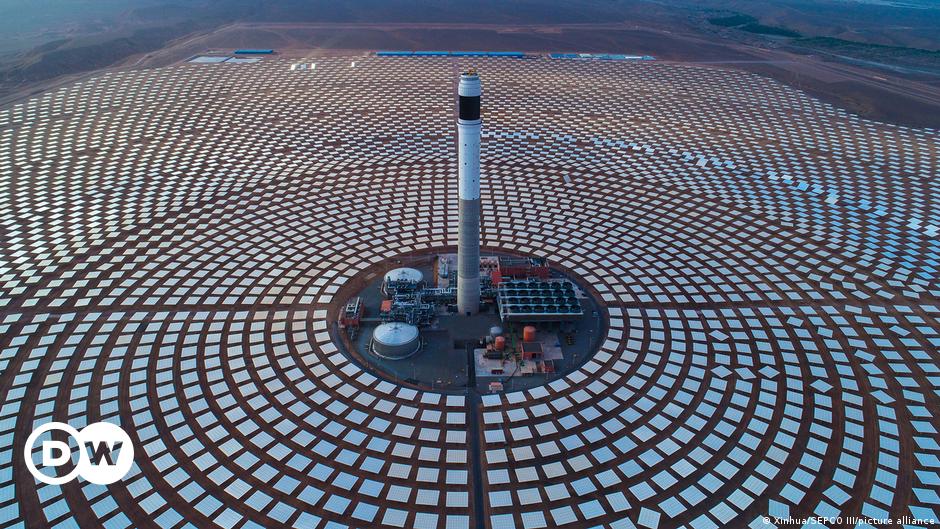
3 weeks agoEDF announces 240m plan to help France electrify
EDF chairman Bernard Fontana stated that financial aid will be targeted at low income households, providing up to €1,000 towards the cost of installing a heat pump. This can be combined with existing government aid schemes for heat pumps, resulting in a total out-of-pocket cost of €3,000 for installation, which is less than the cost of a replacement gas heating system.
France news
World politics
fromwww.theguardian.com
3 weeks agoA new economic superpower could spark a global retreat from fossil fuels | Mark Hertsgaard and Kyle Pope
The Iran war exacerbates climate change by increasing fossil fuel reliance and greenhouse gas emissions, highlighting the urgent need for a transition to sustainable energy.
Europe news
fromwww.theguardian.com
3 weeks agoAs Iran war exposes global dependence on fossil fuels, the biggest emitters are reaping the rewards
Global food insecurity is rising due to oil prices and fertilizer shortages, highlighting the dependency on fossil fuels and the shift towards low-carbon futures.
fromwww.theguardian.com
1 month agoMore drilling in North Sea not the answer' for UK energy security, say former military leaders
Attempting to eke out the remaining oil and gas from the North Sea was not the answer to the challenges facing the UK. It will not bring down the price for consumers, nor will it deliver long-term energy security. The international markets will determine the price and destination; that is not energy independence.
Environment
fromFortune
1 month agoWhy Trump is paying a French energy giant almost $1 billion to abandon U.S. offshore wind projects in favor of natural gas | Fortune
TotalEnergies will abandon offshore wind projects deemed too big and expensive without federal subsidies in the U.S., opting instead for onshore wind, solar, and battery storage.
Environment
Canada news
fromThe Walrus
2 months agoThe Canada Pension Plan Is Funding Trump's Fossil Fuel and AI Ambitions | The Walrus
The Canada Pension Plan Investment Board invests in U.S. fossil fuel producers and AI firms, prioritizing long-term returns while framing climate strategy as a long-term transition.
fromwww.theguardian.com
2 months agoTrump's repeal of landmark Obama-era climate rule: four key takeaways
The Trump administration has dismantled the basis for all US climate regulations, in its most confrontational anti-environment move yet. The 2009 endangerment finding determined that greenhouse gases threaten public health and welfare and should therefore be controlled by the Environmental Protection Agency (EPA). By revoking it on Thursday, officials eliminated the legal foundation enabling the government to control planet-heating pollution.
Environment
US politics
fromwww.theguardian.com
2 months agoMichigan accuses big oil of being cartel' that fuels climate crisis and high energy costs
Michigan sued BP, Shell, Chevron, ExxonMobil and the API, alleging cartel-like collusion that raised utility costs, suppressed renewables and impeded electric vehicle adoption.
fromNature
2 months agoI know science can't fix the world - here's why I do it anyway
His message is clear: our world is built on abundant energy, around 80% of which has come from fossil fuels over the past 50 years. Because supplies are limited, energy consumption will peak in decades - sooner if humans attempt to limit climate change. To keep global warming below 1.5 °C by 2100, the use of fossil fuels must fall by 5-8% each year - a pace that is too fast for low-carbon energy to keep up with.
Environment
Environment
fromwww.theguardian.com
3 months agoHalf of world's CO2 emissions come from just 32 fossil fuel firms, study shows
Thirty-two fossil fuel companies produced half of global CO2 emissions in 2024, dominated by state-controlled producers like Saudi Aramco and major investor-owned firms like ExxonMobil.
[ Load more ]