#gallery-costs
#gallery-costs
[ follow ]
#contemporary-art #art-market #art-exhibitions #art #cultural-institutions #art-theft #renoir #matisse #cezanne







fromArtnet News
4 hours agoThe Business of KAWS: What Data and a Museum Show Reveal About His Market | Artnet News
KAWS has shown an uncanny ability to connect with a wide variety of people. Younger buyers clamor for his $50 Uniqlo T-shirts, while trophy-hunting collectors shell out millions for paintings.
Arts

fromHyperallergic
4 days agoThe Art World Is a Joke
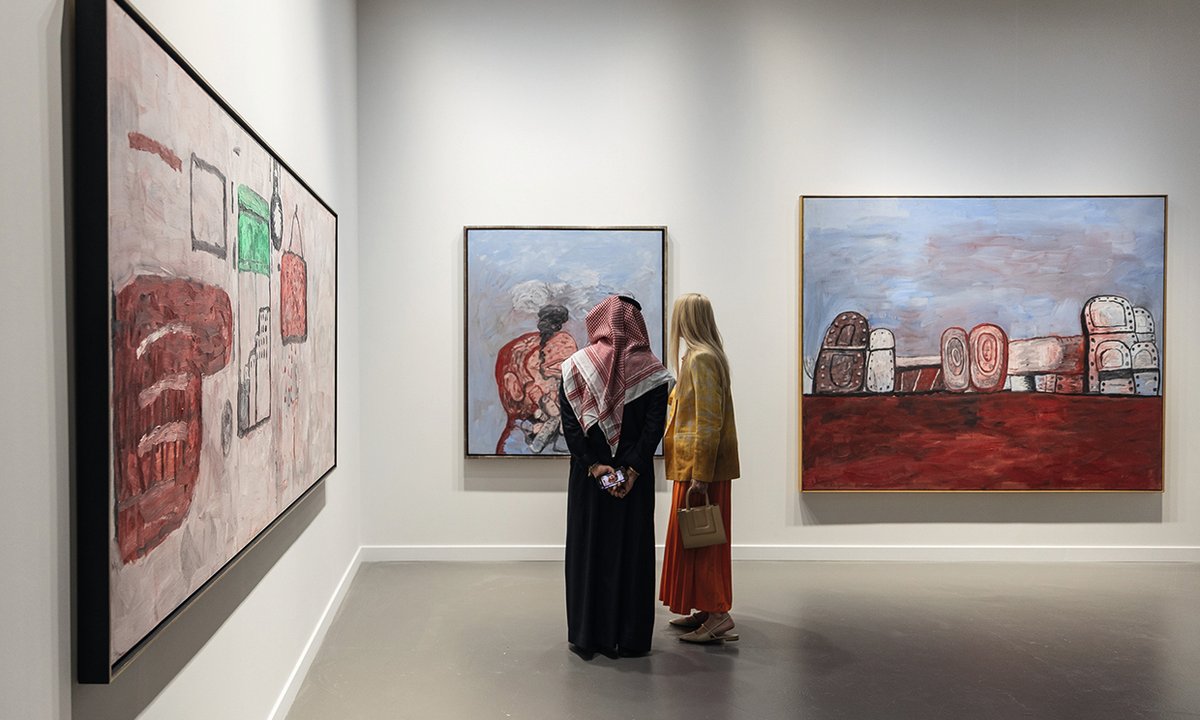
Kamrooz Aram is everywhere this year, from Mumbai Art Week to the Whitney Biennial, and critic Aruna D'Souza is grateful. She pens a beautiful meditation on his work, reading his abstract paintings as not simply a denunciation of Western modernism nor a reassertion of Islamic visual motifs, but something else entirely - something gestural, exuberant, riotous, and incomparably his own.
Arts
#museum-expansion
Brooklyn
fromThe Art Newspaper - International art news and events
2 weeks agoThe new New Museum: now with twice the space
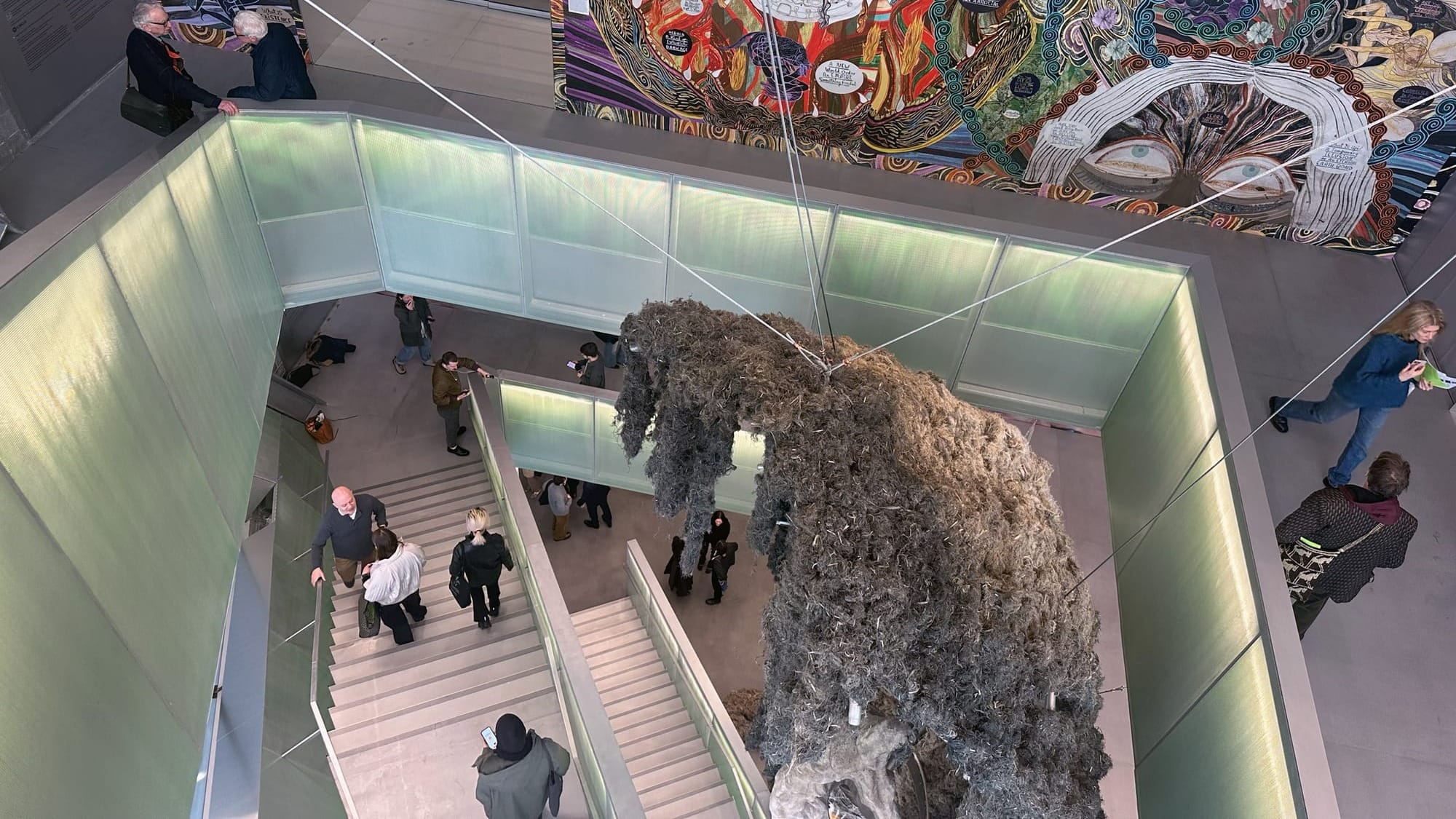
New York's New Museum opens an $82 million expansion on March 21, doubling its footprint to 120,000 sq. ft with new galleries, artist studios, and public spaces designed by OMA and Cooper Robertson.

Brooklyn
fromThe Art Newspaper - International art news and events
2 weeks agoThe new New Museum: now with twice the space
New York's New Museum opens an $82 million expansion on March 21, doubling its footprint to 120,000 sq. ft with new galleries, artist studios, and public spaces designed by OMA and Cooper Robertson.
Arts
fromThe Art Newspaper - International art news and events
3 days agoShould English museums charge tourists? Plus, Raphael at the Met and Senga Nengudi at the Whitechapel Gallery-podcast
The UK government is considering charging tourists for entry to national museums, challenging the current policy of free admission.
fromArtnet News
4 days agoAt Art Basel Hong Kong, Wet Paint Hits Galleries, Malls, a Semi-Secret Space, and More | Artnet News
Hong Kong's particular and seductive Metabolist city planning is an ode to consumption as a great totalizer of culture, and to contemporary art as merely a niche commodity form among many others.
Arts
#art


Arts
fromIrish Independent
5 days ago'You have to step in and experience it' - artists on the rise of AI-generated art and the 'essential' gallery visit
Miriam Fitzgerald Juskova's exhibit combines paper quilling with mathematics, showcasing intricate art that engages viewers and emphasizes the value of handmade creations.
Design
fromThe Art Newspaper - International art news and events
2 months agoHow an artist's sketch was turned into a museum
A museum design translates a blue-house and white-tower sketch into a tiled architectural language reflecting regional materials, cultural markers, and historic South–West Asian trade links.
Fundraising
fromThe Art Newspaper - International art news and events
2 months agoMore US artists forced to pay for their own shows as museum and culture budgets shrink
Artists increasingly must subsidize production costs for museum commissions and exhibitions, while support funds like Fountainhead fall far short of pervasive financial need.


fromThe Art Newspaper - International art news and events
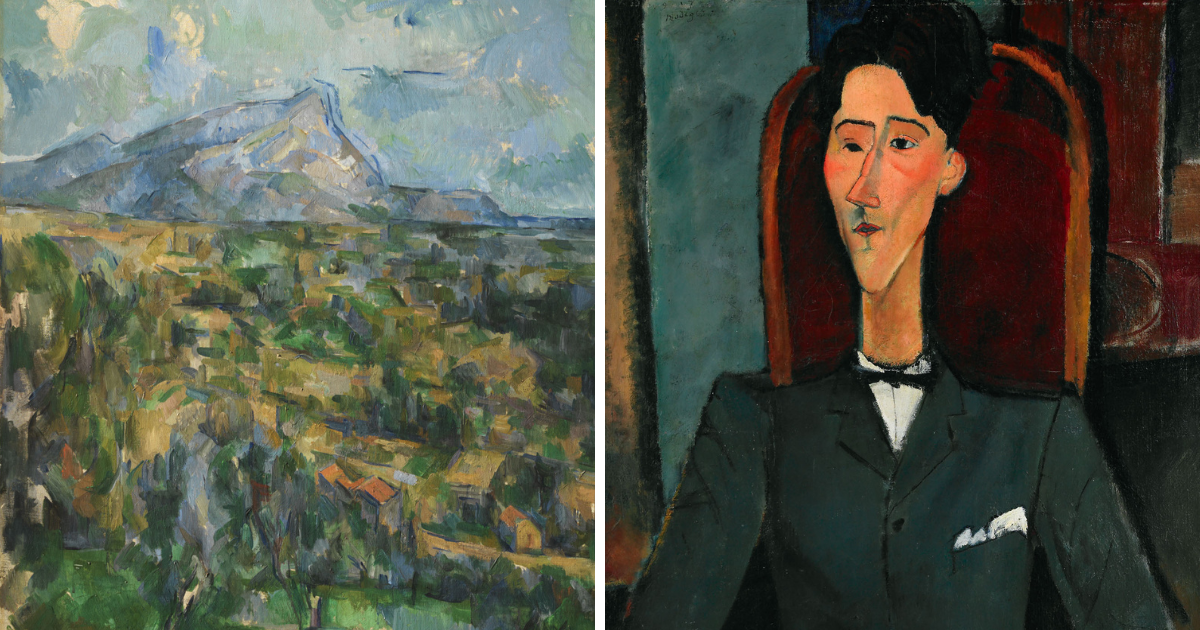
5 days agoChristie's to hold first South Asian Modern art sale in London in seven years
The record price in the category, $13.8m- paid last year at Christies' in New York for a painting by the Mumbai-based Modernist M.F. Husain-is more than three times what it was 20 years ago.
Arts
fromHyperallergic
2 weeks agoWhat Do We Really Think of the New New Museum?
The new New Museum is many things: contemporary, perhaps, but also a science, history, anthropology, and many other museums in one. It echoes the desire of its patron class to own the world and its affiliated courtier class to deliver it to them on a silver platter, or encased in perforated metal, in this case.
Arts
fromHyperallergic
3 weeks agoArt Problems: How Do I Get Gallery Representation?
Dealers like artists with established sales records because it lowers their already considerable financial exposure. Renting a gallery space in Tribeca costs anywhere between $8,000-30,000 a month on top of staff, marketing, and daily operations. With that kind of overhead, very few business owners can afford to take on the financial risk of untested artists.
Arts
Arts
fromArtnet News
3 weeks agoBlink and You'll Miss It! 3 New York Shows With Painfully Short Runs | Artnet News
Gallery exhibition runs have lengthened from weeks to five or six weeks due to increased competition and high mounting costs, though a countermovement of brief, limited-time shows is emerging.
fromHyperallergic
3 weeks agoEmbracing Friction in the Art World
On Franklin Street in Brooklyn's Greenpoint neighborhood, one non-commercial gallery fosters 'a small, stubbornly human space for friction.' Friction—the ubiquitous buzzword that captures the simultaneous delight and discomfort of doing things the slow way—is at the heart of artists Pap Souleye Fall and Char Jeré's current show at Subtitled NYC. It also reflects the overall spirit of this little exhibition space and of a burgeoning movement to reject our culture of optimization in favor of a bumpier, more intimate, less alienating experience.
Arts
Arts
fromArtnet News
3 weeks agoAffordable Art Fair New York Explores the Evolving Nature of Photography
Affordable Art Fair New York's 2026 spring edition features a curated photography exhibition exploring how the medium evolves through new technologies, alternative processes, and interdisciplinary artistic boundaries.
fromThe Art Newspaper - International art news and events
4 weeks agoShow me the money: gallery and auctioneer accounts reveal reality of a tough market
Stephen Friedman was overdue filing when he went into liquidation on 2 February, closing his London gallery immediately (his New York venue shuttered around the same date). At the time of writing, invoices remain unpaid and artists unable to retrieve works from storage companies. In a statement, Friedman says 'all matters are now subject to the administrator's consideration'.
Arts
fromHyperallergic
1 month agoOpportunities in March 2026
Hyperallergic's monthly Opportunities Listings provide a resource to artists and creatives looking for funding and community support to further their work. Residencies, Workshops, & Fellowships, Center for Craft - 2026 Craft Archive Fellowship Four $5,000 awards will be offered to fellows conducting research on underrepresented craft histories.
Arts
fromThe Art Newspaper - International art news and events
1 month agoPost-Fair delivers by keeping it simple
We're still the new kids on the block. But it feels like we're more on the map, more anticipated this year. This year at Post-Fair, his gallery is showing small works by Edgar Ramirez, who won the Frieze Impact Prize in 2023.
Arts
fromThe Art Newspaper - International art news and events
2 months agoPersistent low attendance and funding cuts are forcing US museums to think local
Among the museum directors paying keen attention to the ruling, on 3 December, that all federal grants from the Institute of Museum and Library Services (IMLS) would be reinstated, the director of the Seattle Art Museum Scott Stulen heaved a sigh of relief. In 2025, the Pacific Northwest's leading art museum saw all its federal funding cut. That represented the loss of an annual income stream, he says, of between $300,000 and $400,000.
Arts
[ Load more ]