#gourd-cultivation
#gourd-cultivation
[ follow ]
#gardening #sustainability #nutrition #plant-care #vegetable-gardening #seed-starting #sustainable-gardening
fromwww.theguardian.com
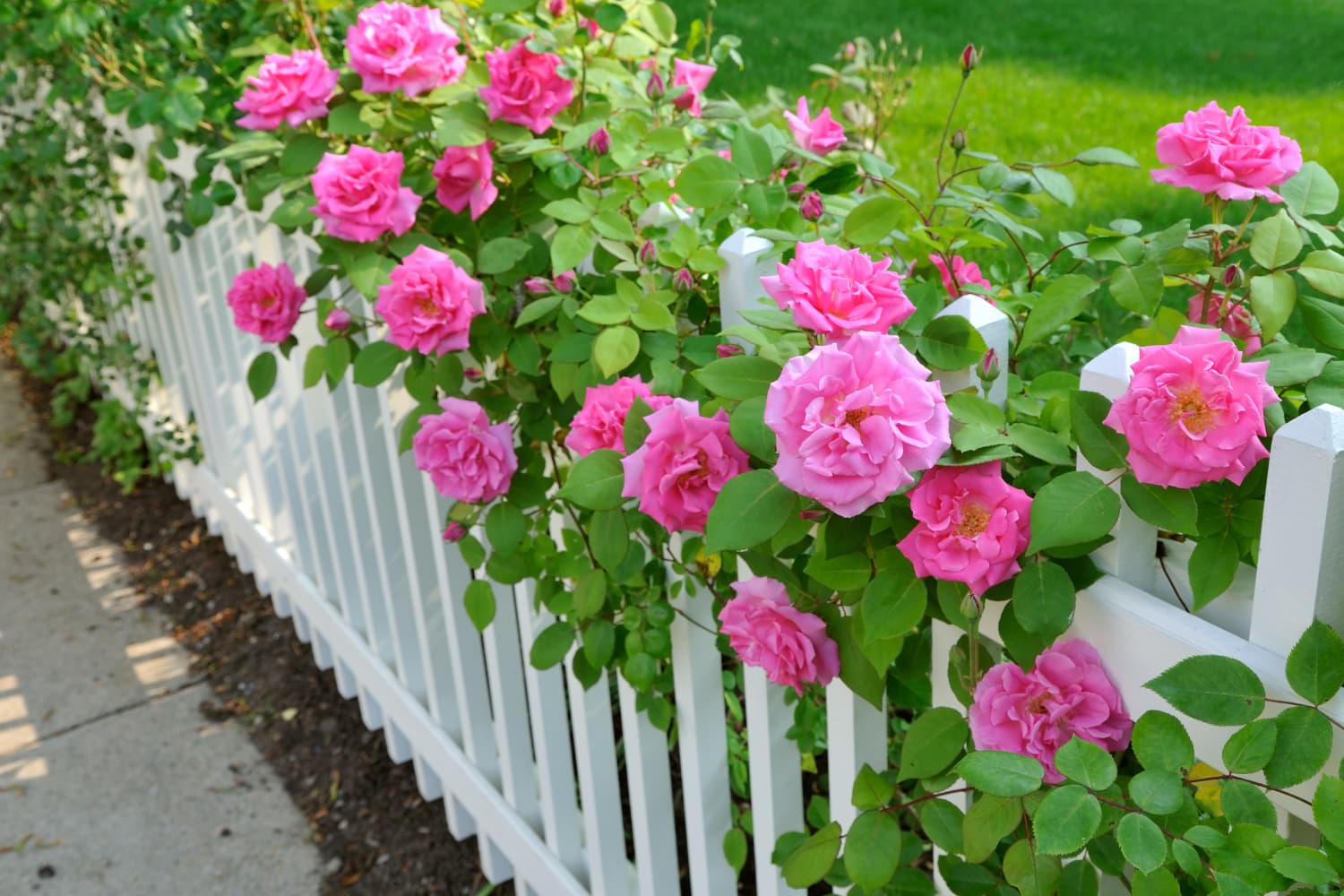
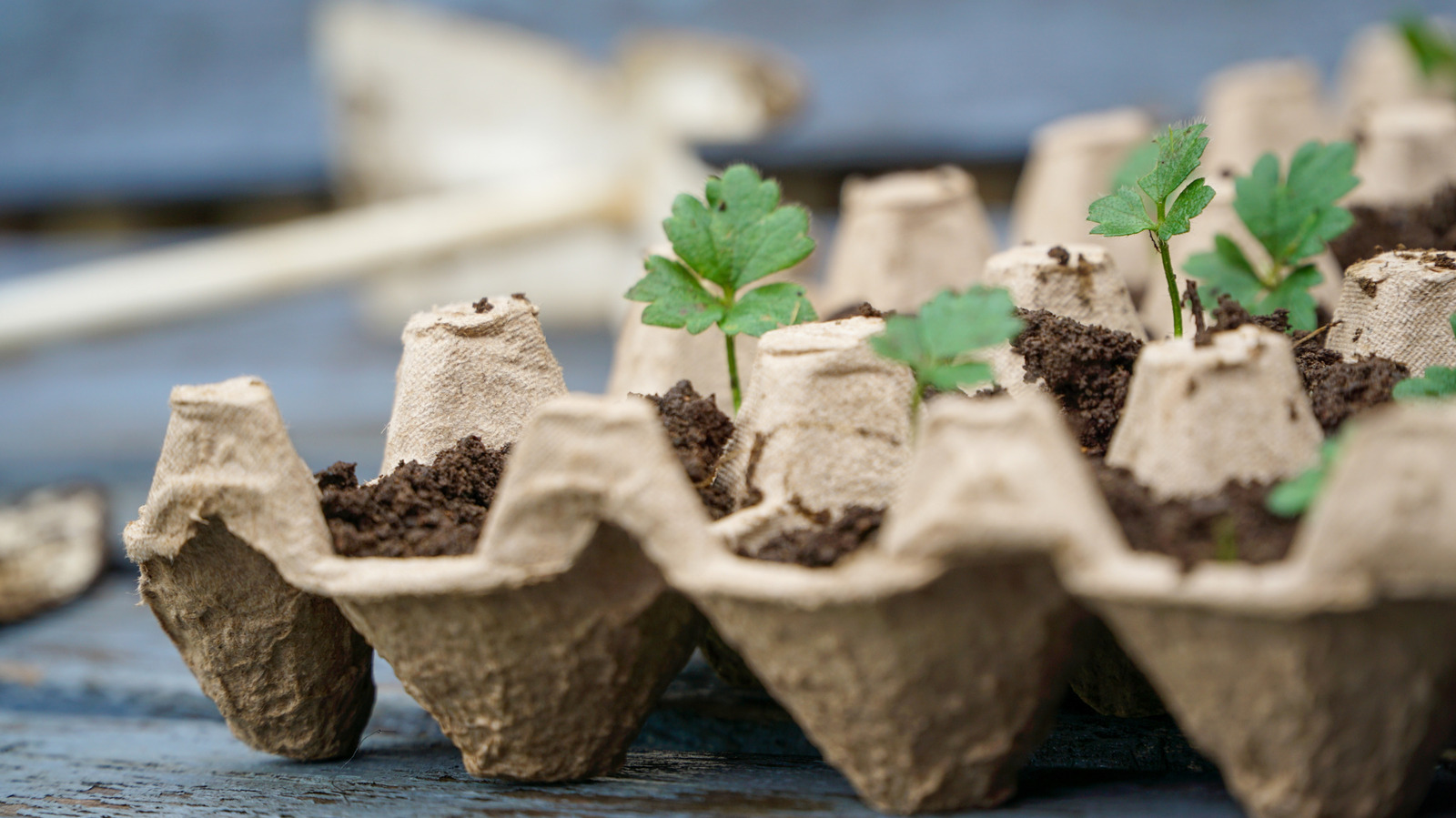
1 day agoThe art of grafting: joining two plants together to grow as one is horticultural magic
Grafting is the method through which two different plants from the same species or genus are joined together to grow as one. The resulting plant benefits from the qualities of the two different original plants.
Agriculture
Cooking
fromTasting Table
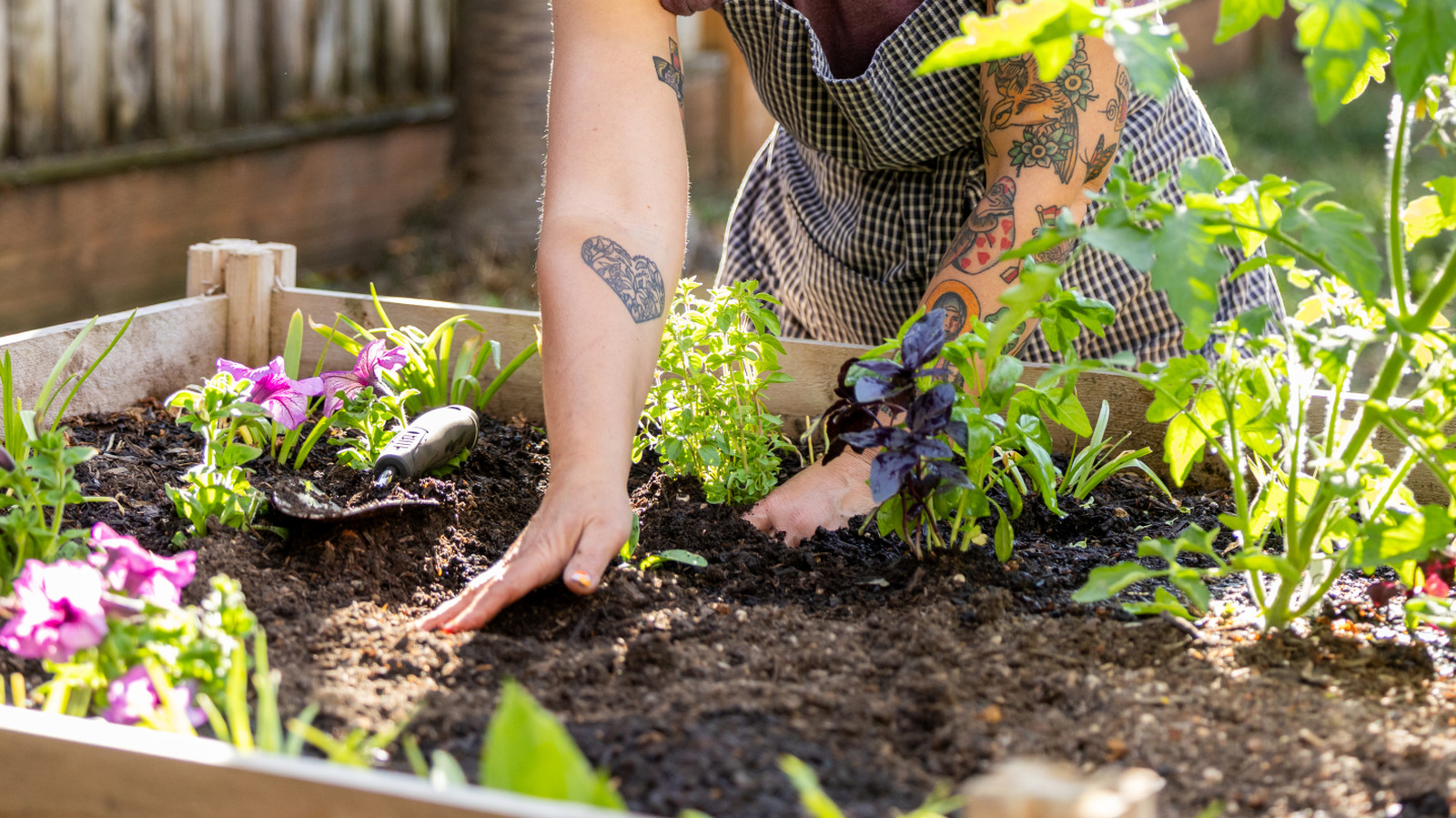
1 month ago14 Mistakes Everyone Makes With Cauliflower - Tasting Table
Proper cooking techniques transform cauliflower from mushy and rubbery into flavorful and tender; avoiding common mistakes like microwave steaming and using stovetop steamers preserves nutrients and natural flavors.


fromTasting Table
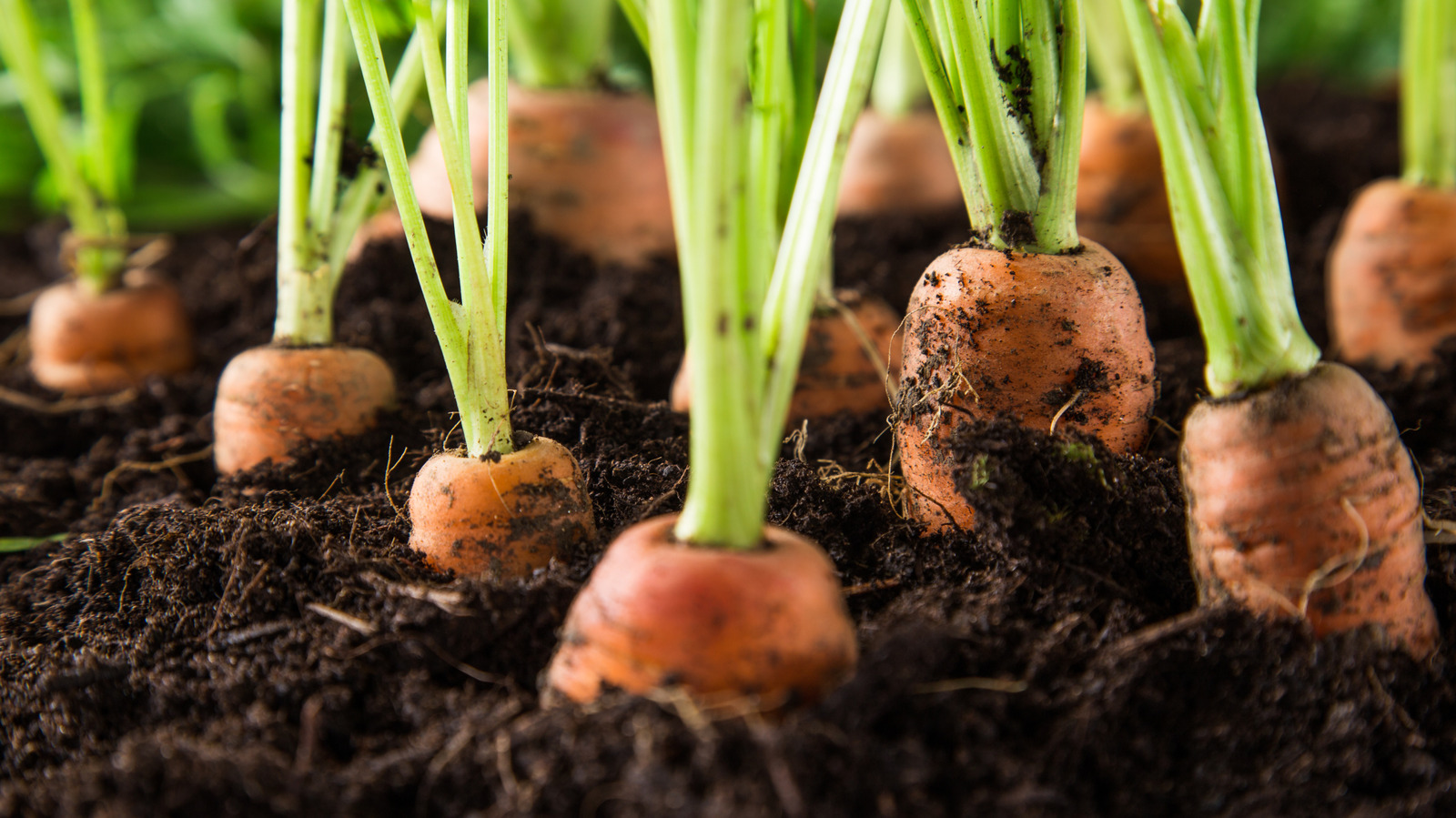
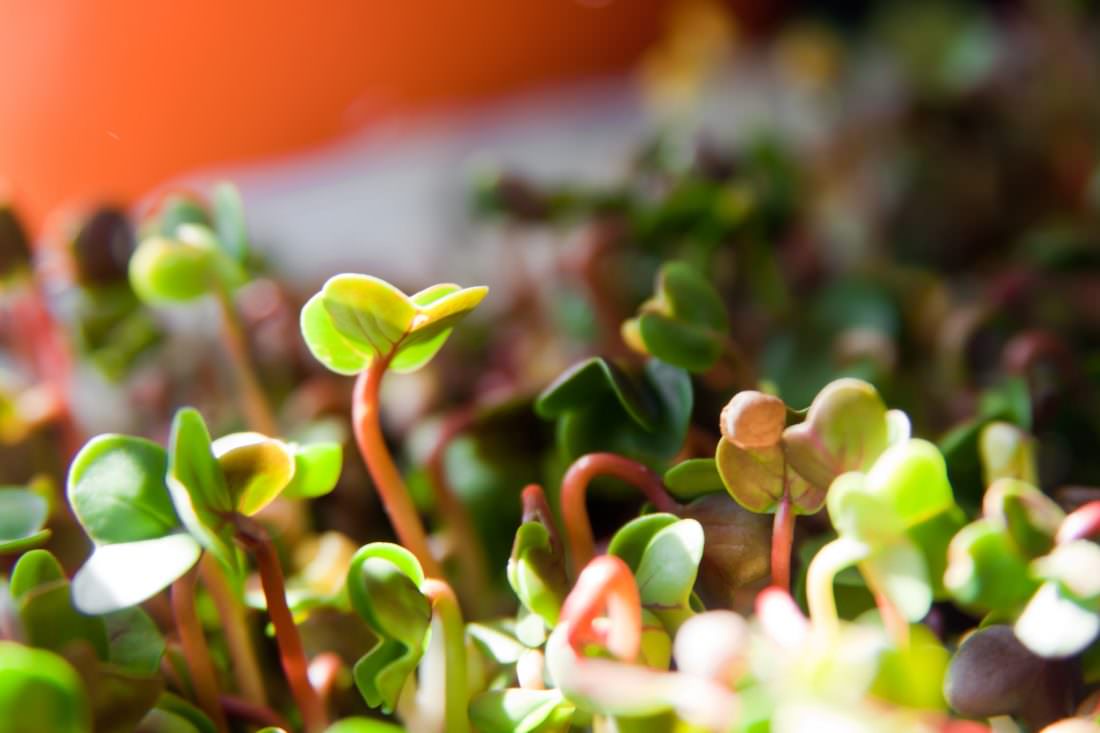
3 weeks agoStop Starting Your Indoor Vegetable Seeds Too Early: Here's The Timing Rule Of Thumb To Go By - Tasting Table
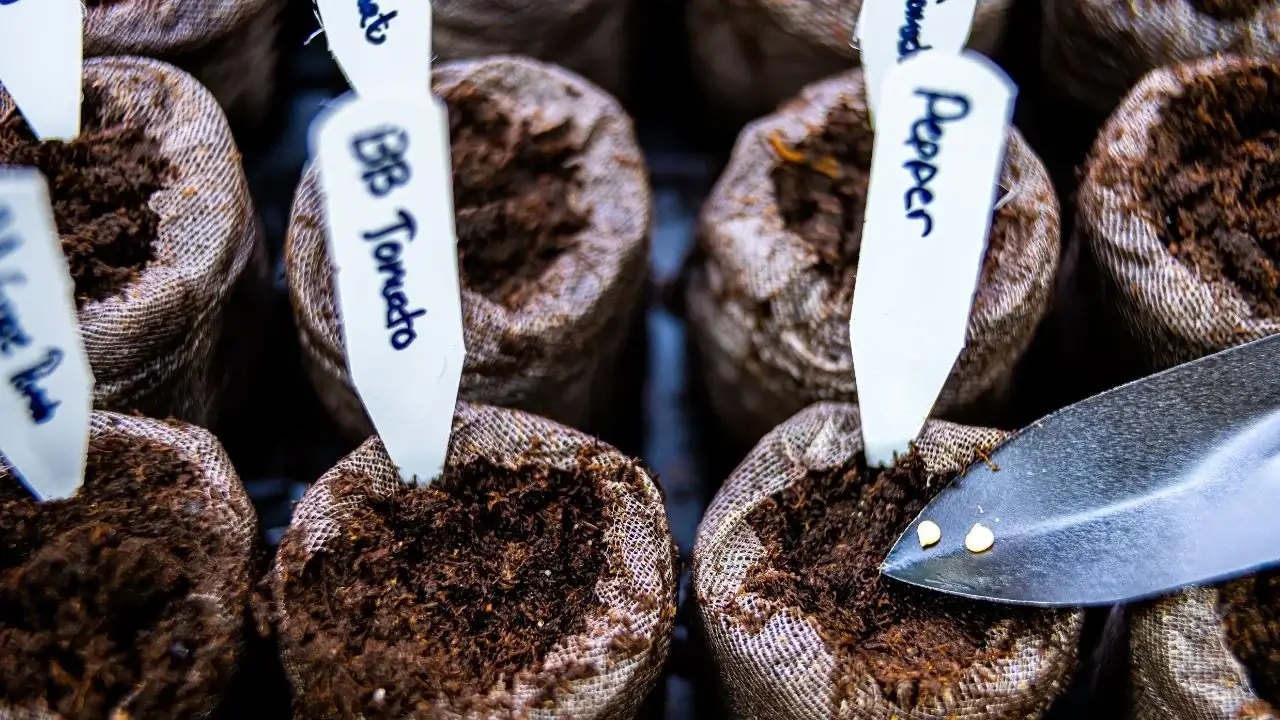
Seedlings are ambitious and will germinate and start growing once pressed into damp soil, shooting toward the nearest light source. However, if they remain in small containers without natural light, they can become root-bound and leggy, eventually collapsing under their own weight.
Agriculture
Everyday cooking
fromTasting Table
1 month agoHow To Grow Eggplant Indoors For A Faster And More Foolproof Harvest - Tasting Table
Starting eggplant seeds indoors two months before the final frost provides a significant head start, with seeds germinating in five days and requiring 100 days to maturity.
fromTasting Table
2 months agoOnce-Popular Parsnips Didn't Fail As A Vegetable - They're Just Easy To Ruin - Tasting Table
Parsnips' signature sweet, nutty flavor comes from their cold-weather cultivation. That subterranean freeze is what converts the roots' starches into sugars as the veggie grows underground. This is also why spring-harvested parsnips tend to be sweetest, although parsnips can be harvested during the fall and winter months, too. Fall- and winter-harvested parsnips feature a firmer texture and earthier, subtly bitter tasting profile.
Food & drink
Agriculture
fromTasting Table
1 month agoCan You Grow A Garden From Grocery Store Produce Seeds? - Tasting Table
Growing vegetables from store-bought seeds is possible but results vary based on produce type, growing method, and post-harvest treatment, with hybrid plants producing different crops than their parent plants.
Agriculture
fromModern Farmer
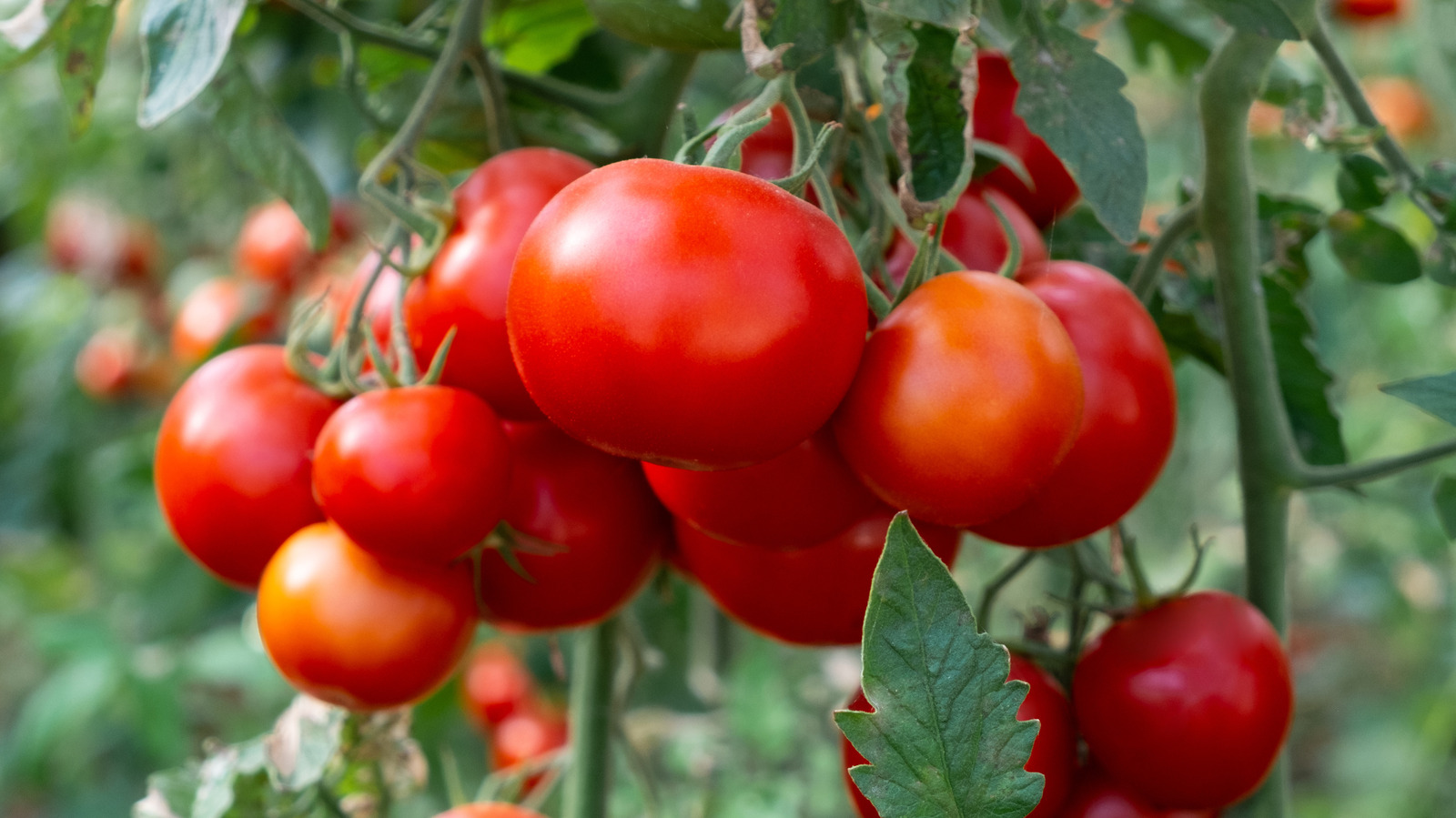
1 month agoHow to Start Tomato Seeds: 5 Expert Growing Tips
Tomato success depends on choosing between indeterminate varieties for long seasons and determinate varieties for short growing periods, then starting seeds indoors four to six weeks before the last frost in most North American regions.
fromLos Angeles Times
2 months agoIs the dish green enough? I'm into it. I'll cook it.
I'm not much of a cook. I can throw together a few things for breakfast, sure. I can make a sandwich. Beyond that, I stick with what I know. And that means mostly easy Mexican dishes for breakfast, lunch and dinner for a guy on the go. One thing I do know really well is how to trim, chop and combine greens and fruit to make a banging Mexican-style green juice.
Cooking
fromTasting Table
2 months agoIs Making Your Own Pumpkin Puree Ever Worth It? - Tasting Table
When it comes to homemade pumpkin pies, George shares her experience from a self-instigated baking extravaganza. "I put myself to the test myself by baking 12 different pumpkin pie recipes (mostly from food bloggers, with a couple from cookbooks)," she explains. Only one of the recipes required puréeing fresh pumpkin, so it was easy to distinguish the results compared to the other 11 pies. In her opinion, all the extra work didn't justify the time, mess, and effort.
Cooking
Cooking
fromTasting Table
2 months agoNever Struggle To Chop Butternut Squash Again After Using This Little Microwave Trick - Tasting Table
Microwaving a butternut squash for three to four minutes softens the skin and flesh slightly, making peeling and chopping easier and reducing overall cooking time.
fromTasting Table
2 months agoThe One Way You Should Be Cleaning Fresh Corn On The Cob - Tasting Table
Tasting Table talked to George Madosky, sous chef at a.kitchen+bar D.C., about how he cleans a fresh cob of corn. "We use a clean, dry kitchen towel and work with separate bowls so the cleaned corn stays away from any stray silk," Madosky says. "This method is gentle, effective, and avoids adding unnecessary moisture, which can make silk cling and spread."
Cooking
Agriculture
fromTasting Table
1 month agoGrowing Strawberries? This Brilliant Backyard Method Is So Easy - Tasting Table
Growing strawberries in gutters is an accessible beginner-friendly method requiring minimal space, drainage holes, soil, and eight hours of daily sunlight for successful vertical gardening.
Agriculture
fromArchitectural Digest
1 year ago13 Raised Garden Bed Ideas to Elevate Your Backyard This Spring
Raised beds allow gardeners to engineer ideal soil conditions, improve ergonomics, protect crops from pests, and enable faster soil warming and easier watering compared to ground-level gardening.
fromTasting Table
2 months agoThe Slow-Growing Crop That Pays Off Big When You Start It From Seed - Tasting Table
People grow asparagus from crowns because it shortens the long wait times for harvesting. From seed, you'll need to wait three years before harvesting asparagus. Some people consider that a waste of time. The tradeoff is that you can keep harvesting every spring for up to 15 years or more. If you plant crowns, you get a one-year jump on things. However, those crowns may have soil-borne diseases you don't know about, so there is a risk involved. Seeds remove that problem.
Agriculture
fromTasting Table
2 months agoYour Location Matters When Planting Onions - Here's Why - Tasting Table
Onions may not be the prettiest vegetable to grow, but they're certainly one of the most useful. Figuring which items you eat most often is the first thing to consider before planting a vegetable garden, and as a fundamental part of soups, sauces, and salads, who couldn't use more of these easy-to-grow alliums? The only tricky part is that location really matters, as different varieties of onions require different day lengths in order to thrive.
Agriculture
fromTasting Table
2 months ago15 Fruits And Vegetables You Can Start Growing In Late Winter - Tasting Table
Late winter is when keen gardeners can get a little restless. The weather is still cold, and spring still feels far away. Thankfully, you don't need to wait until the weather warms to start your growing season. There are plenty of fruits and vegetables that can be started in the late winter, ready for a bountiful harvest in the coming months. Each of these plants needs unique care in order to thrive, but thankfully, I can guide you through exactly the right steps.
fromwww.theguardian.com
1 month agoWhen it comes to preparing seeds for your garden, you'll reap what you sow
To an unimaginable eye, a seed looks inert. Yet they are packed with genetic information and biological processes poised to unfold. All it takes is the right configuration of signals and stimuli from the environment to let them know it's time to dare to grow.
Agriculture
fromTasting Table
2 months agoWhen To Plant Peppers For The Biggest Harvest: It Depends On Your Zip Code - Tasting Table
The U.S. Department of Agriculture published the Plant Hardiness Zone Map, which breaks the country into 13 zones that help determine the best time of year to get started on various fruits and vegetables, such as peppers. Each zone varies by 10 degrees, and each subzone varies by five degrees, even if a single state can technically be broken into several zones.
Agriculture
[ Load more ]