Europe news
fromSustainable Bus
4 hours agoDriver shortage pushes bus depots toward automation - Sustainable Bus
Europe faces a significant shortage of bus drivers while managing fleet electrification and operational challenges at bus depots.
The bridge links the waterside residential area of Kruunuvuorenranta to the Nihti district via Korkeasaari island, pulling thousands of residents meaningfully closer to the city centre.
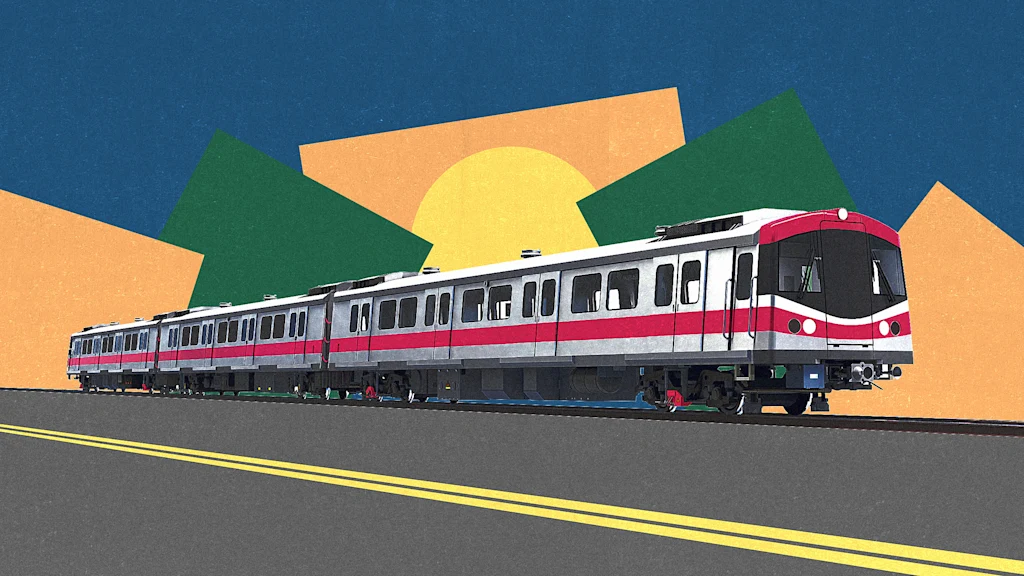
The D Line Dash event is a train v. bike v. car race from Beverly Hills to Downtown Los Angeles, starting at La Cienega/Wilshire Station, coinciding with the Metro D Line Subway opening.
"The '15-minute city' model is based on the original concept of a city: having the things we want and need closer to where we live. The idea is that we should be able to get to our everyday essentials within, ideally, 15 minutes on foot, bike, or public transit."
"Engaging people around the idea that bus travel is an attractive lifestyle choice is making a world of difference," says Brian Antolin, CEO of Metrolane. "States have the flexibility to use federal funds for high-quality marketing, which is making possible their big push for new riders."
The real problem is infrastructure, not vehicle safety. Roadways are open systems with infinite variables—weather, pedestrians, distracted drivers, and aging infrastructure. Communication between vehicles is minimal, and infrastructure is largely silent—and in that gap lies the potential for deadly collisions.
In the 1950s, the Air Force designed cockpits for the average pilot by measuring thousands of pilots and calculating the average for ten key physical dimensions-height, arm length, torso size, etc. They assumed most pilots would be close to average in most dimensions. When researchers actually checked, they found that out of 4,063 pilots, exactly zero were average on all ten dimensions.
When routes are well organized, there are clear directional signs, and speed limits become reasonable. The early installation of warning signs allows transport companies to plan deliveries more accurately and avoid delays. For businesses, time is money. When a truck carrying goods does not spend hours detouring due to an unclear traffic scheme or stuck in traffic where it could have been avoided thanks to competent traffic management, fuel costs, driver wages, and vehicle maintenance costs are reduced.