#human-disturbance
#human-disturbance
[ follow ]
#climate-change #sustainability #biodiversity #environmental-impact #biodiversity-loss #public-health
fromFuturism
23 hours agoEPA Now Values Human Lives at $0
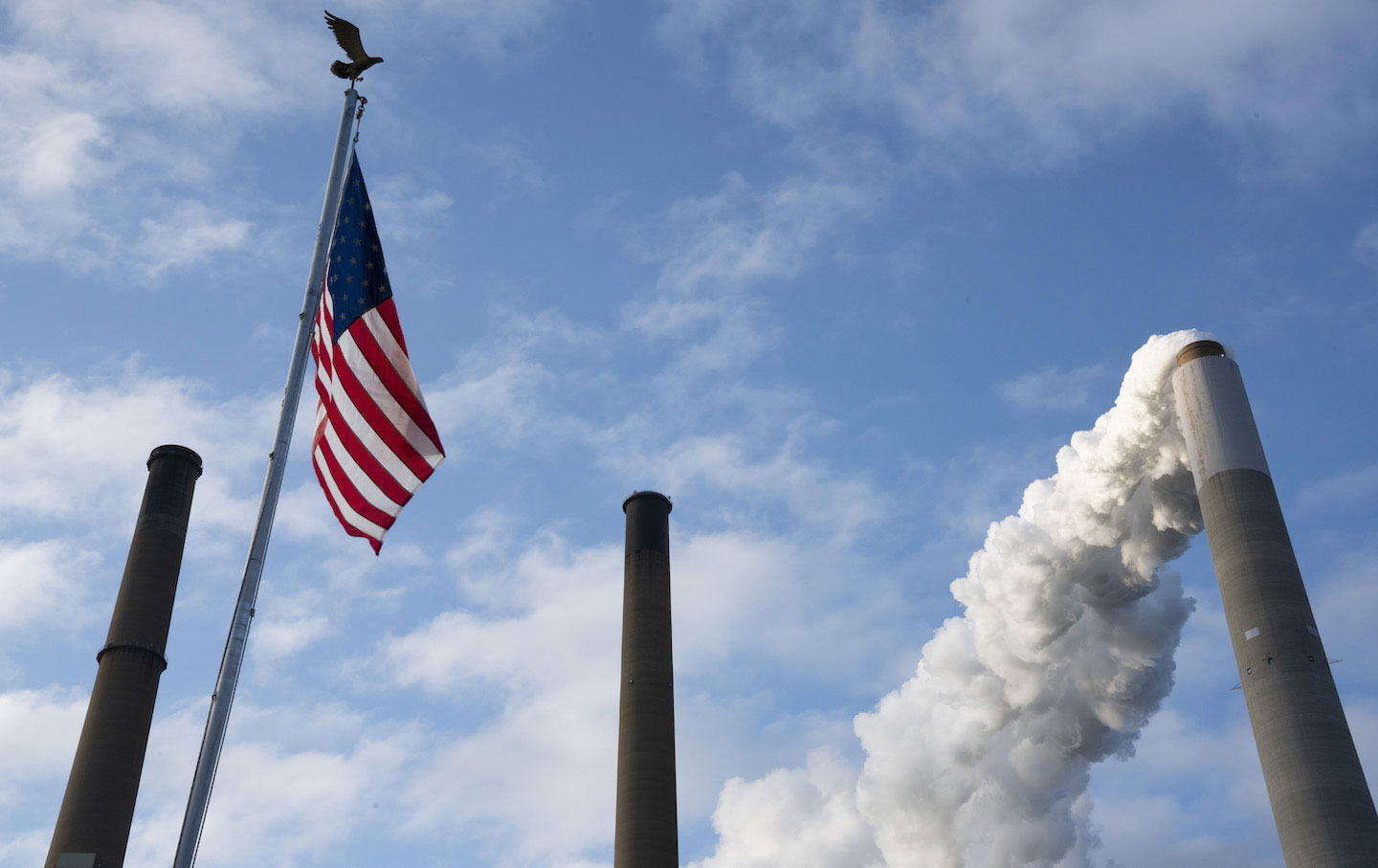
When lives are assigned a higher dollar value, stricter pollution standards tend to clear the 'economic efficiency' sniff test, resulting in cleaner air. But that improved air quality comes at the expense of America's industrial industries, which have to invest in pricey systems to reduce the amount of these pollutants they spew down to acceptable levels.
US Elections
fromwww.theguardian.com
2 days agoWhy reducing air pollution deaths isn't just about reducing air pollution
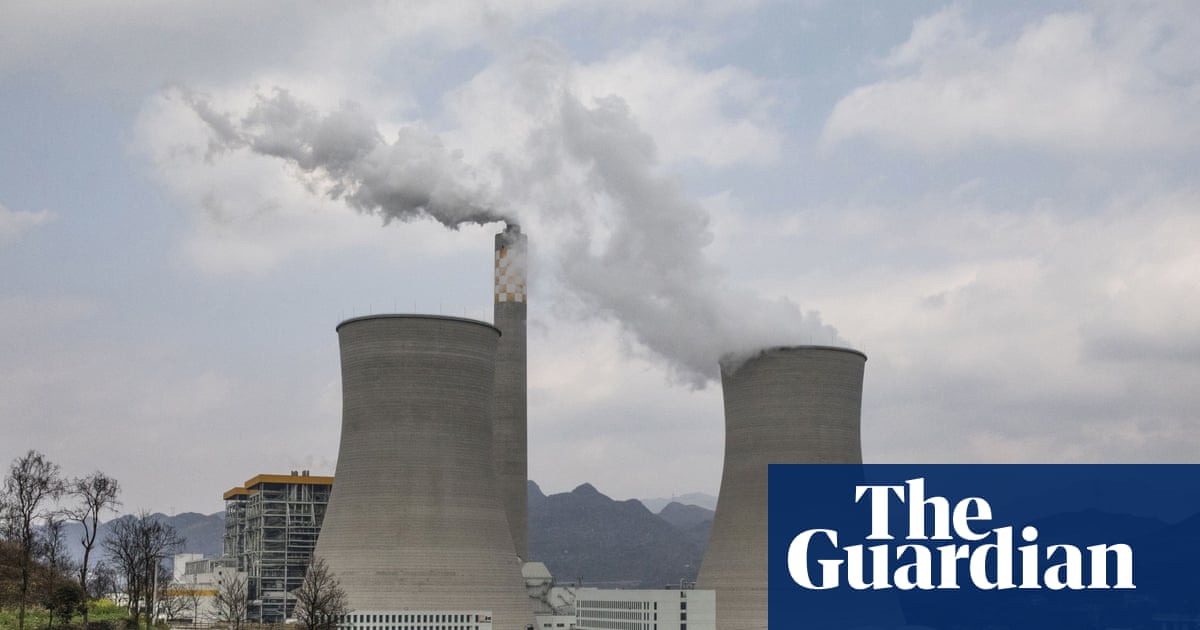
Air pollution is the second-largest risk factor for early death globally. Traditionally, our response has focused on reducing the levels of pollution people breathe, but this is only part of the story.
Public health


Design
fromdesignboom | architecture & design magazine
5 days agoartwork uses floating fabric corridor and bodily movement to visualize climate change
Ryo Yamada's Perception Corridor is an immersive installation in Edinburgh that explores perception and environmental awareness through a 40-meter fabric corridor.
fromwww.theguardian.com
3 days agoThe dark side of the balloon boom is it time they were banned?
In 2019, scientists found that balloons eaten by seabirds are more likely to kill them than other kinds of plastic yet they do not seem to have been earmarked in the same way as, for example, plastic straws.
Public health
fromMail Online
4 days agoBritain has just 20 years to save its wildlife, experts warn
'Our results show that the next 20 years are critical,' lead author Dr Rob Cooke told the Daily Mail. 'By around 2050, we reach a point where the choices we make on emissions and land use will largely determine whether Britain moves towards a much more degraded or a much more nature‑positive future.'
Environment
#urban-ecology
Agriculture
fromdesignboom | architecture & design magazine
1 week agourban rewilding in practice: restoring london's heathland for humans, sheep, and ecology
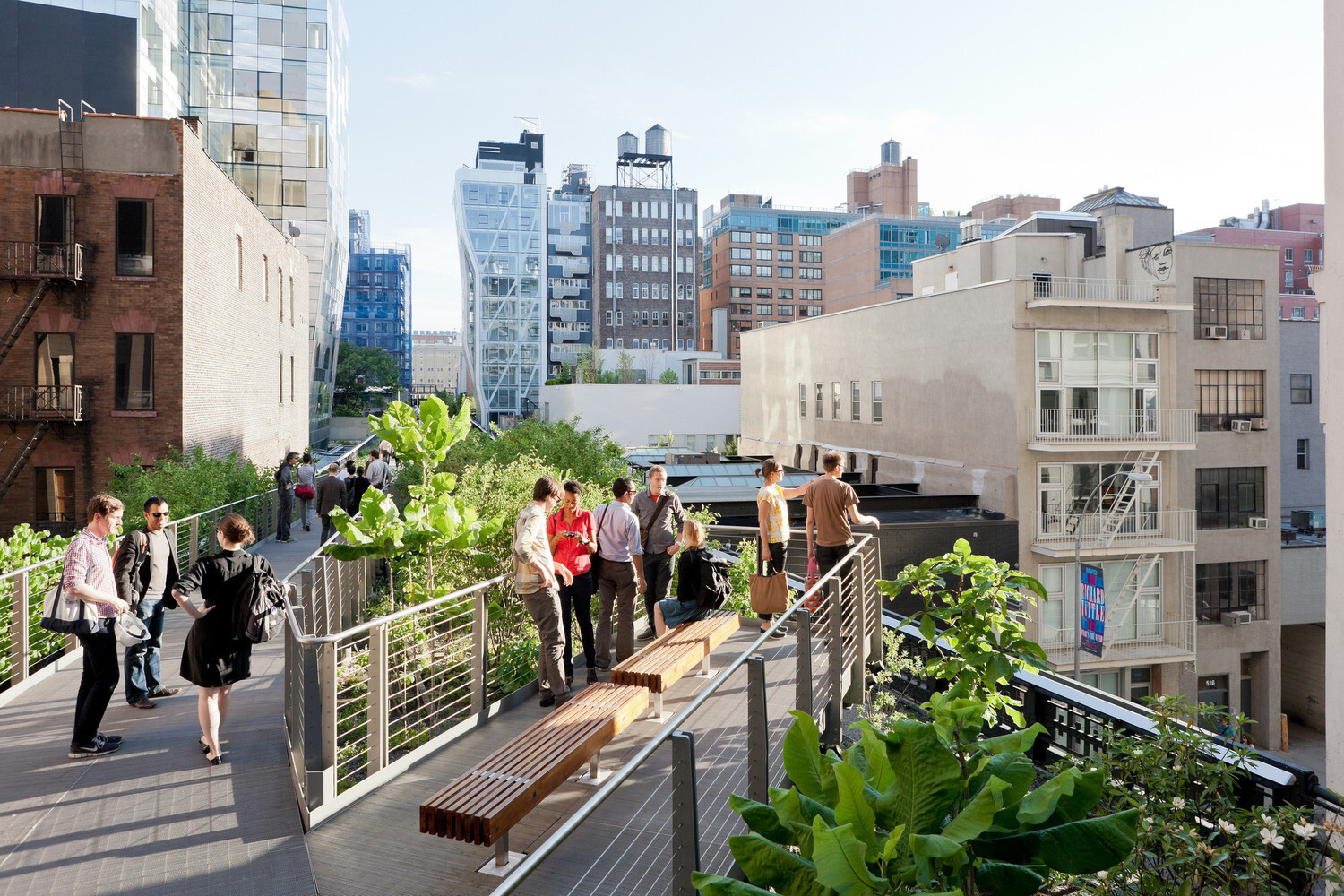
Sheep grazing is proposed to regenerate urban heathland ecology, creating a continuous ecological corridor that supports both human and non-human systems.
Agriculture
fromdesignboom | architecture & design magazine
1 week agourban rewilding in practice: restoring london's heathland for humans, sheep, and ecology
Sheep grazing is proposed to regenerate urban heathland ecology, creating a continuous ecological corridor that supports both human and non-human systems.
fromSFGATE
2 weeks agoThe race to save endangered mountain lions in the Calif. desert
Before state Route 62 was built, there was seamless 95-mile-long habitat connectivity between the San Bernardino and Little San Bernardino mountain ranges, extending from the I-10 south of Joshua Tree National Park to the I-15 near the Cajon Pass. Now, plans for two new wildlife crossings across the highway aim to bring back some of that connectivity, while potentially saving a local population on the brink of extinction in the process.
SF parents
Health
fromwww.theguardian.com
2 weeks agoReduced physical activity due to global heating will lead to rise in health issues, study says
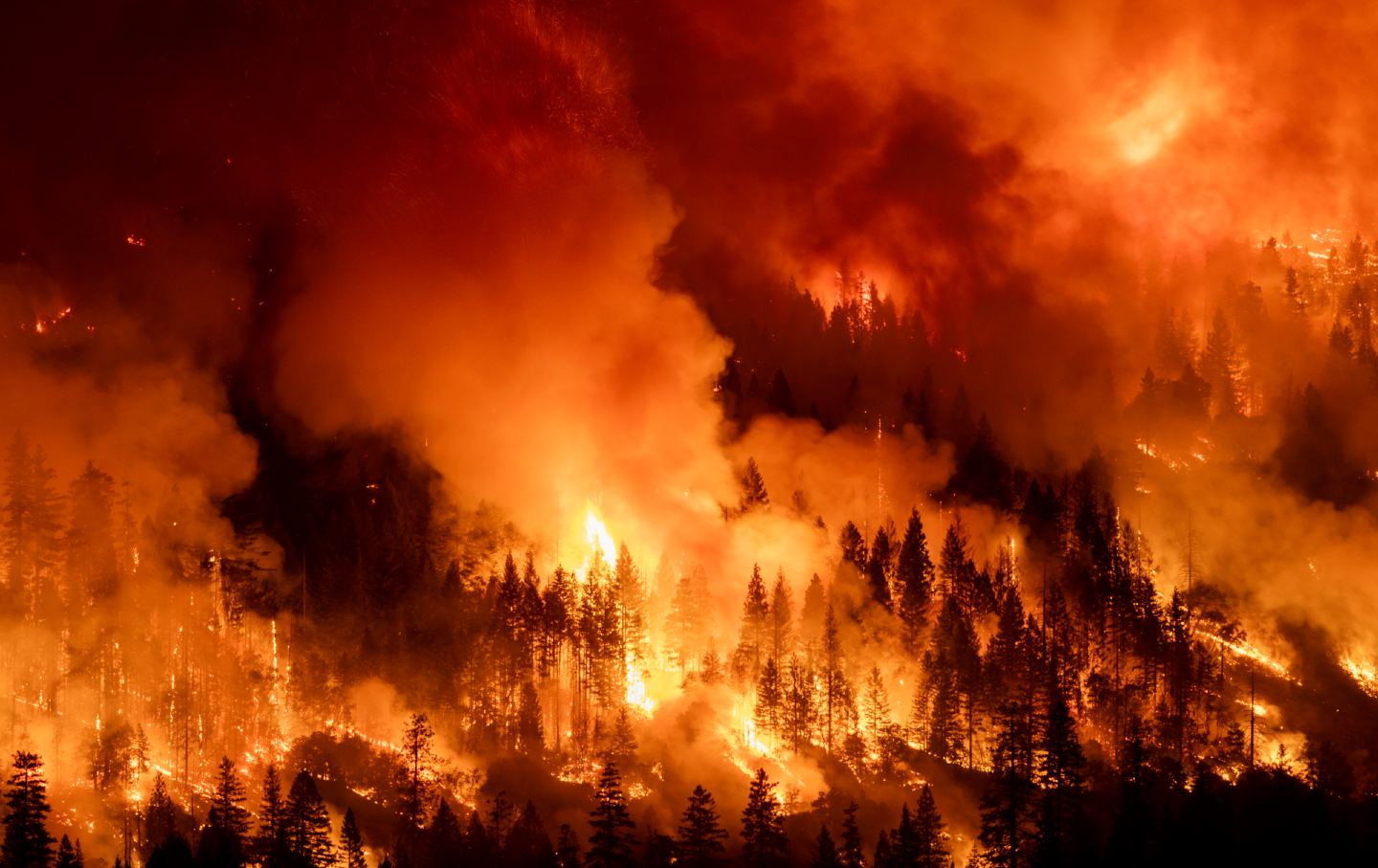
Rising temperatures reduce physical activity globally, with each month above 27.8°C increasing inactivity by 1.5 percentage points, projecting half a million additional premature deaths annually by 2050.
Design
fromArchDaily
2 weeks agoRethinking Architecture at the Scale of Planetary Systems
Contemporary architecture operates within interconnected technological systems—energy networks, data infrastructures, and global logistics—that fundamentally shape what can be built, its affordability, performance, and waste production.
Silicon Valley
fromArchDaily
3 weeks agoFrom Cloud to Coast: The Physical Cost of AI in Hong Kong's Borderlands
AI data centre infrastructure, typically hidden in remote locations, faces potential integration into Hong Kong's San Tin region, threatening established wetland ecosystems and village-based livelihoods built on fishpond and tidal pond economies.

Agriculture
fromEarth911
2 weeks agoConvenience Comes at the Environment's Expense
Fast delivery convenience carries significant environmental costs through packaging waste, carbon emissions, and resource consumption, but individual yard management choices can meaningfully reduce environmental impact at a local scale.
fromwww.theguardian.com
2 weeks agoSmall changes in how we garden can make a big difference to birds | Letter
Around a third of UK gardeners use pesticides, and our studies found that house sparrow numbers, for example, were nearly 40% lower in gardens where the pesticide metaldehyde was used. By reducing pesticide use, you can actively encourage birds back into your outdoor spaces, as they rely on invertebrates such as slugs and snails as natural prey.
Pets
fromwww.theguardian.com
4 weeks agoHow UK cuts to climate finance could bankrupt ecosystems at home and abroad
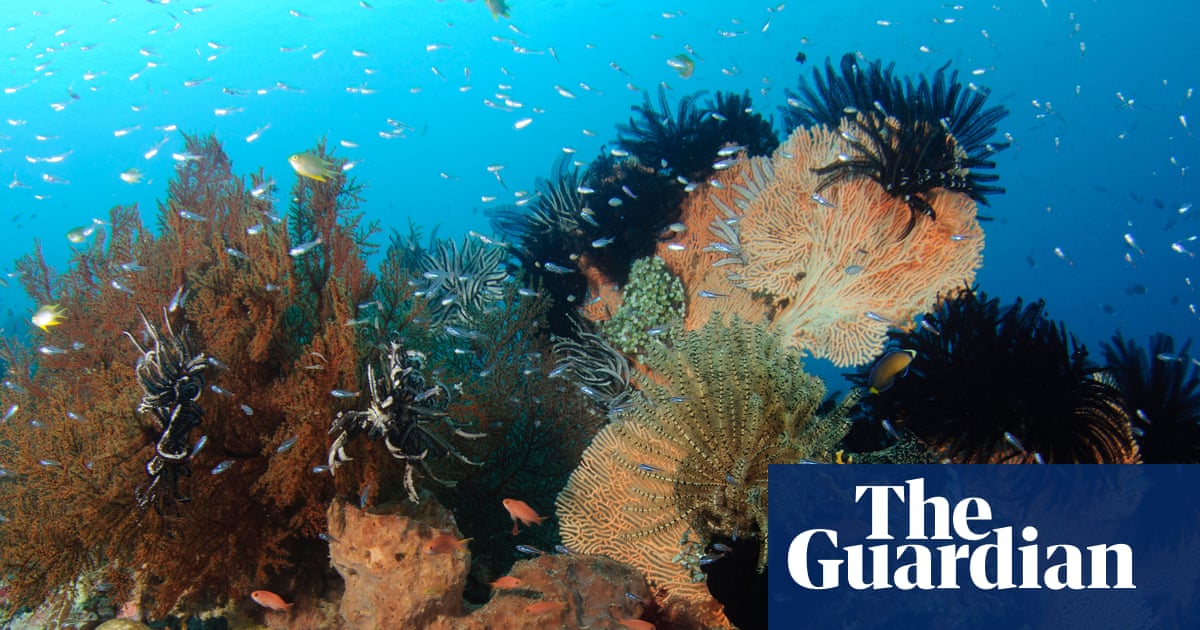
Last year the JIC produced a hard-hitting report which found the collapse of globally important ecosystems around the world including the potential shift of the Amazon from rainforest to savannah, the demise of coral reefs, and the loss of glaciers would threaten the UK's national security, through food shortages at home and the potential for conflict overseas.
UK news
fromHigh Country News
1 month agoCoyotes and cougars and rats, oh my! - High Country News
An unnamed tourist saw it and told Aidan Moore, who works for Alcatraz City Cruises. Moore told SFGATE that he was initially skeptical, but the guest's iPhone footage left little room for doubt. The video shows, not a sea lion or an otter, but an actual Canis latrans, doggedly dogpaddling, then clambering out of the water, noticeably shaky and struggling to settle tired paws on the craggy rocks.
California
fromwww.bbc.com
3 weeks agoFox family reunited after cubs found hiding in car
Our workshop has encountered all kinds of issues with vehicles over the years, but a set of fox cubs is a brand new one for us. At first, our technician thought they might be rats because the cubs are grey, rather than the typical red you would expect of a fox they gave him quite a fright.
Pets
Social justice
fromNature
1 month agoMy professor said 'Black people are not interested in the environment'. I set out to prove him wrong
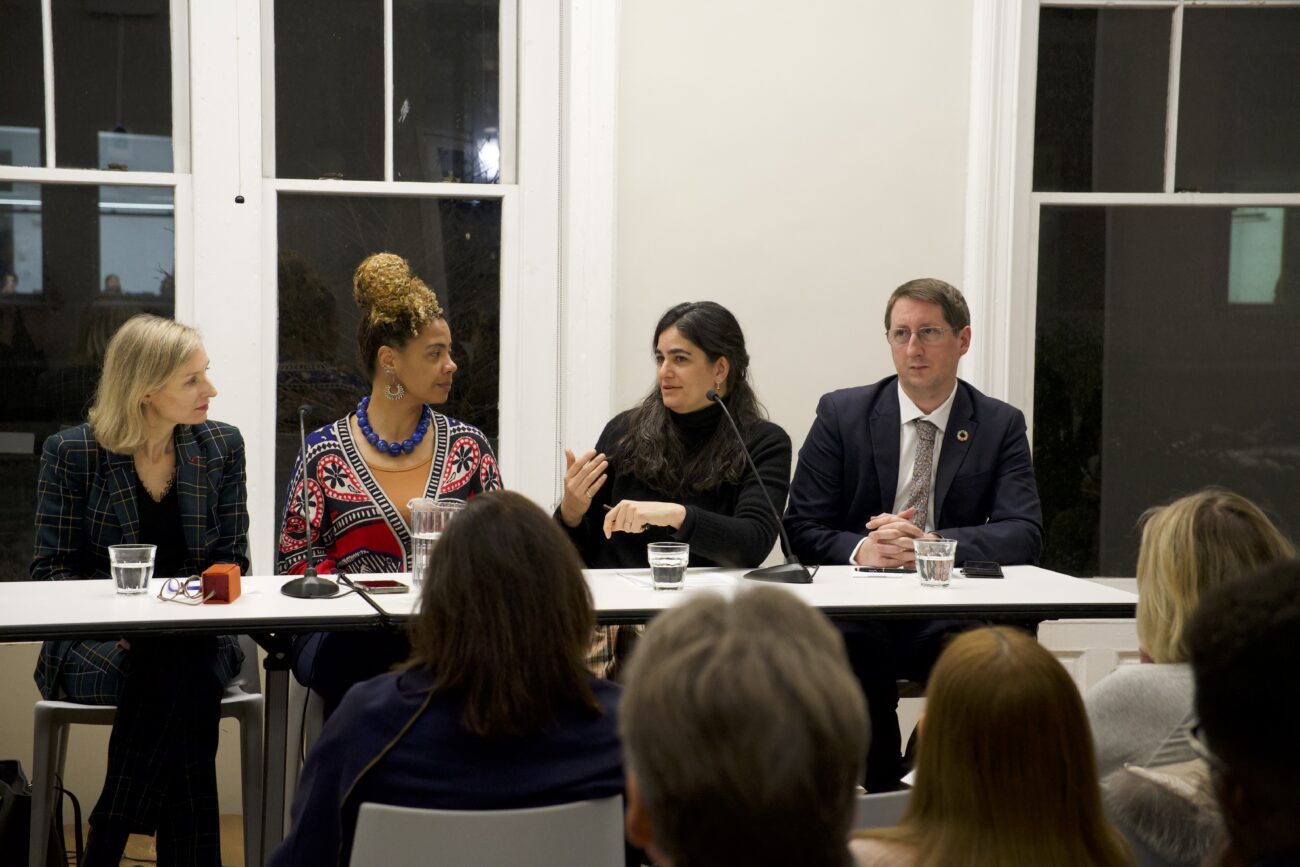
Dorceta Taylor pioneered research, programs, and leadership to document and advance racial diversity, inclusion, and environmental justice within environmental science and conservation.
Environment
fromwww.theguardian.com
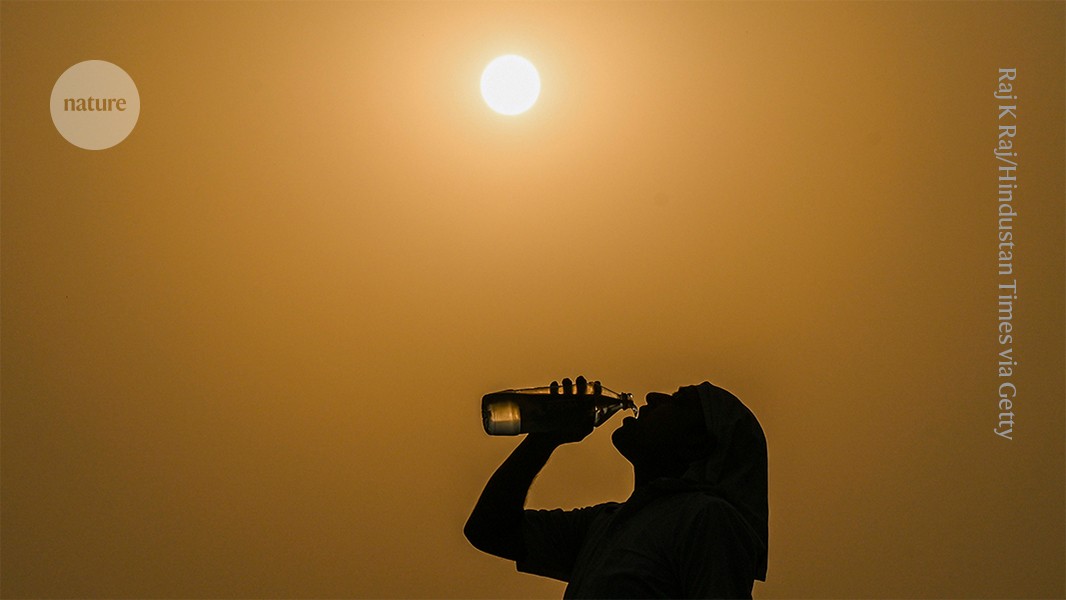
3 weeks agoA sobering preview': extreme heat now affects one in three people globally, study finds
One-third of the world's population now lives in areas where extreme heat severely restricts safe daily activities, with elderly people experiencing over 900 hours annually of heat-limited outdoor time.
fromMindful
1 month agoCan Compassion Save the Planet?
When British author Karen Armstrong won the TED prize in 2008, she used the money to convene a group of religious thinkers from a wide range of faiths to craft an updated version of the Golden Rule for the 21st century. What emerged was the Charter for Compassion, which calls on people around the world "to work tirelessly to alleviate the suffering of our fellow creatures, to dethrone ourselves from the center of our world and put another there, and to honor the inviolable sanctity of every single human being, treating everybody, without exception, with absolute justice, equity and respect."
Philosophy
fromwww.aljazeera.com
2 months agoAI's growing thirst for water is becoming a public health risk
As water-intensive data centres expand worldwide, their impact on sanitation, inequality and disease is emerging as a serious and under-examined threat. Bubble is probably the word most associated with AI right now, though we are slowly understanding that it is not just an economic time bomb; it also carries significant public health risks. Beyond the release of pollutants, the massive need for clean water by AI data centres can reduce sanitation and exacerbate gastrointestinal illness in nearby communities, placing additional strain on local health infrastructure.
Artificial intelligence
fromwww.theguardian.com
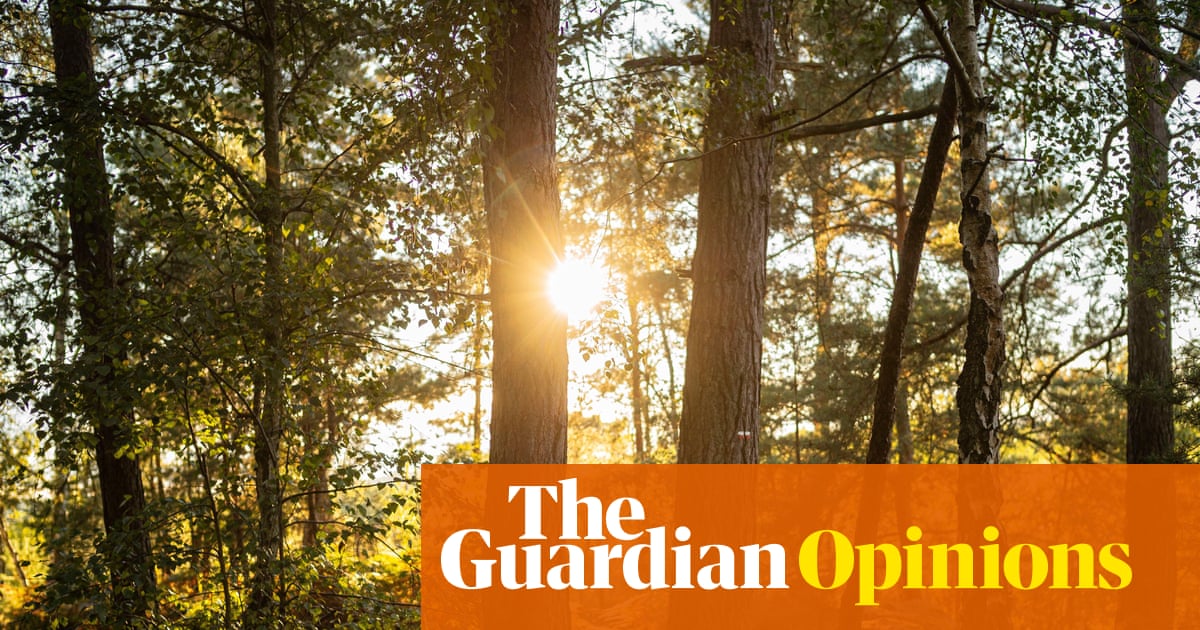
2 months agoThe Fukushima towns frozen in time: nature has thrived since the nuclear disaster but what happens if humans return?
Inside, there are still textbooks lying on the desks, pencil cases are strewn across the floor; empty bento boxes that were never taken home. Along the corridor, shoes line the route the children took when they fled, some still in their indoor plimsolls, as their town was rocked by a magnitude-9 earthquake on the afternoon of 11 March 2011 which went on to cause the world's worst nuclear disaster since Chornobyl.
World news
Environment
fromwww.mercurynews.com
1 month agoOpinion: AI is destroying our planet. We must act to check its growth and save ourselves.
AI's environmental impact is severe, with 2025 freshwater consumption exceeding global bottled water use and projected energy demands by 2034 matching India's entire consumption, requiring immediate action.
Environment
fromwww.theguardian.com
1 month agoThousands of pollution incidents in England downgraded without site visit, data suggests
Environment Agency staff downgraded 98% of 2,778 serious water pollution incidents reported in 2024 without site visits, representing a 1,500% increase in downgrades since 2021.
fromwww.dw.com
2 months agoThe business of saving nature
The world spends 30 times more money destroying nature than protecting it. That's according to a new report from the United Nations Environment Programme (UNEP) that exposes a massive gulf between so-called "harmful investments" and financing that promotes nature preservation. The global environment agency's latest "State of Finance for Nature" (SNF) report is calling to phase out the US$7.3 trillion (6.2 trillion) in global investments that damage nature including into high-emissions energy infrastructure and manufacturing, for example.
Environment
fromwww.theguardian.com
2 months agoExperience: a bear moved into my house
The next morning, I checked the critter-cams and saw the bear again, now captured by a camera I'd placed by a little mesh-covered opening near the small basement under my house. I watched as a massive shape emerged from the hole. My brain refused to believe it. The bear looked too large to fit in that tiny gap. I watched it again, shocked. My hands started to sweat.
Environment
fromNature
2 months agoTo improve resilience to climate change, track what endures
When the category-5 storm Hurricane Melissa struck Jamaica in October, its path crossed communities that had varying levels of preparedness. Many with maintained coastal protections, upgraded drainage and reliable early-warning systems had power and water restored in days. Others were immobilized for weeks.
Environment
fromwww.dw.com
2 months agoPlastic emissions could double health damage by 2040
Plastic is everywhere. Inside the human body, in the depths of the ocean and the far reaches of the Arctic. Now a new study warns that, unless the world changes course, plastic could more than double its damage to human health within the next two decades. The culprit is not plastic litter in the environment or microplastics, but the emissions released across plastic's entire life cycle from fossil fuel extraction and manufacturing to transport, recycling and disposal.
Environment
Environment
fromwww.theguardian.com
2 months agoIndonesia takes action against mining firms after floods devastate population of world's rarest ape
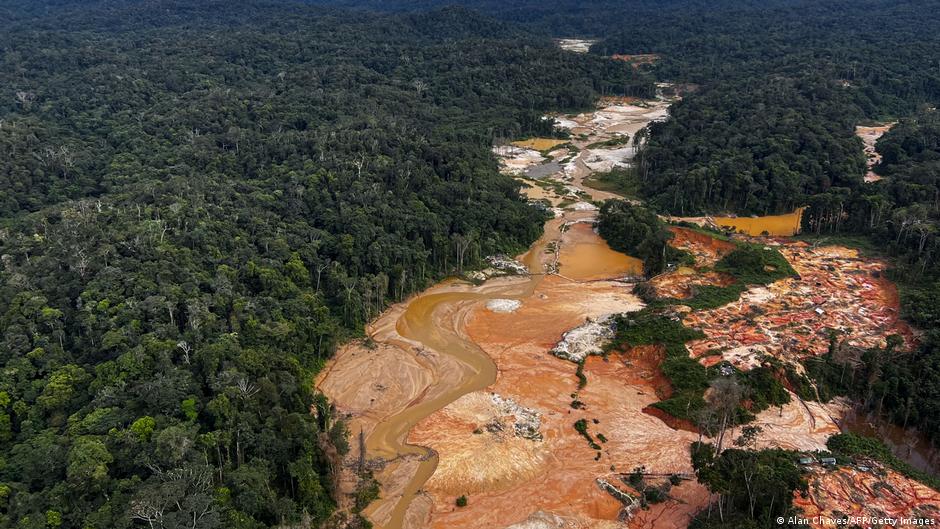
Indonesia revoked 28 company permits and sued six firms for environmental damage after floods and landslides devastated Batang Toru, killing 1,100 people and Tapanuli orangutans.
[ Load more ]