#international-media-collaboration
#international-media-collaboration
[ follow ]
#journalism #local-news #iran-protests #collaboration #creator-economy #venezuela #advertising #ai-in-journalism


#creator-economy
Media industry
fromPoynter
3 weeks agoAs newsroom jobs shrink, some journalism schools teach students to go solo - Poynter
Journalism schools are integrating creator economy and entrepreneurial curriculum to prepare students for independent publishing and subscription-based business models in a transformed media landscape.
fromNature
1 week agoNow is the time for scientific societies to guide global research
Modern scientific societies are increasingly vulnerable due to their dependence on membership fees and journal subscriptions, which are being challenged by the rise of virtual networking and open-access publishing.
Science
fromThe New Yorker
6 days agoThe Rise of a Spanish-Language News Influencer
Espina humorously admitted to oversleeping on a significant news day, stating, 'Breaking news, mi gente! I can't believe it.' His videos celebrated Maduro's fall but also expressed concern about the complexities of the situation.
US Elections
Media industry
fromPoynter
6 days agoASU's Cronkite School and Poynter Institute launch training collaboration to support journalists and media professionals - Poynter
A collaboration between Arizona State University and the Poynter Institute enhances professional development for journalists through integrated resources and training opportunities.
fromPrx
1 month agoThe World
The US Supreme Court has struck down much of the Trump administration's tariffs on foreign goods, which have been a cornerstone of its trade and foreign policies. Also, Iran prepares for a possible US military strike. And, the International Energy Agency has removed climate change from its list of priorities for the next two years, following threats from the US
World news

fromPoynter
2 months agoI'm a community journalist in New York City. Here's why Mamdani's 'influencer presser' stung. - Poynter
Epicenter, a multiplatform community and news organization founded during the pandemic to help New Yorkers navigate COVID-19 while spotlighting arts, small businesses and ensuring resources reached those who needed them most, has faced this challenge repeatedly. Community, ethnic and small media outlets have long struggled to get responses from government and corporate press teams that prioritize outlets with perceived scale and reach.
New York City
fromNieman Lab
1 month agoJournalism lost its culture of sharing. Here's how we rebuild it
If you've worked in a technical role in news for long enough, you likely remember when the "show your work" spirit was everywhere. Newsroom nerds shared code on GitHub, swapped tips on social media and unfurled long blogs guiding others on how to get things done. You might also have a vague sense that - like reaction GIFs, demotivational posters, and that guy who sang "Chocolate Rain" - you're seeing less of it these days.
Media industry
fromPrx
2 months agoThe World
With votes tallied from about 50% of polling places, incumbent President Yoweri Museveni is projected to win reelection in Uganda. Also, Indian authorities continue searching for an elephant that's already killed 22 people in the first two weeks of 2026. And, Sara Mardini, who was arrested for helping rescue migrants from the sea in 2018, is acquitted of her charges in Greece. Plus, searching for the best mıhlama for breakfast in Turkey.
World news
fromNieman Lab
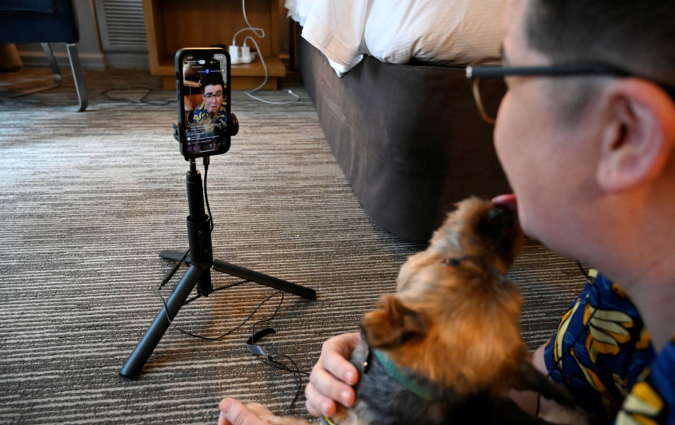
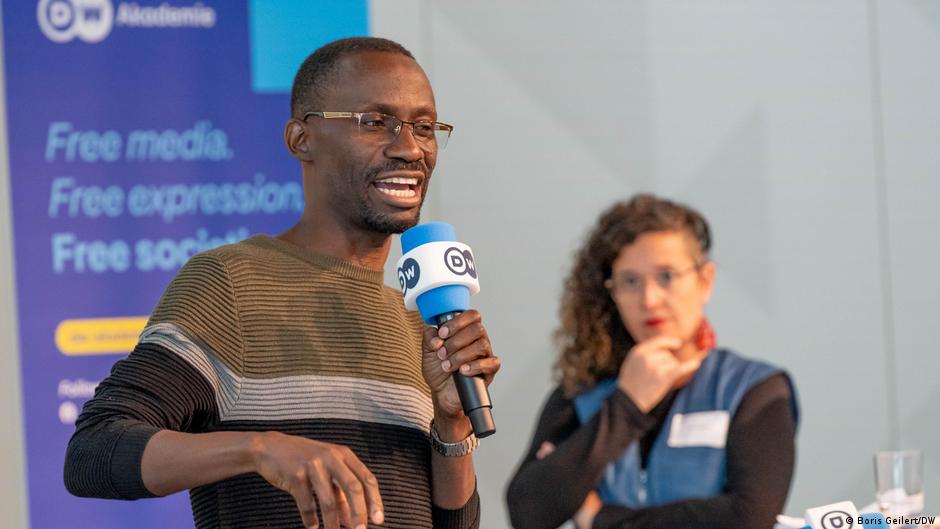
2 months agoJournalism coops seem utopian. What's it like working in one?
The pandemic changed Defector's course. New York shut down, the economy ground to a halt, and the offers of capital dried up. So the group decided to launch a new website on their own dime, this time structured as a worker-owned cooperative in which the journalists, rather than media executives, made all the decisions. The site became the kind of success that's rare in digital media nowadays, bringing in $3.2 million in revenue from over 40,000 paying subscribers in its first year alone.
Media industry
fromPrx
2 months agoThe World
As bitter cold descends on Ukraine, so has a fresh barrage of Russian drone and missile strikes. Recent attacks on transformer substations and power plants have plunged Kyiv into its worst wartime heating and power outage. Also, as opposition leader and Nobel Peace Prize winner María Corina Machado meets US President Donald Trump in Washington, Venezuelans are watching with a mix of hope and unease.
World news
fromwww.aljazeera.com
1 month agoJamal Elshayyal: inside the war for journalism's future
Director of Al Jazeera Digital News Jamal Elshayyal speaks to The Take on leading Al Jazeera's next era of journalism. At Web Summit Qatar, we hear from Jamal Elshayyal, Al Jazeera's new Director of Digital News Content, on forging his own path at the network and how those lessons will guide Al Jazeera through the AI age. In this episode: Jamal Elshayyal (@jamalelshayyal), Director, Al Jazeera Digital News Content Global Episode credits:
Media industry
World news
fromenglish.elpais.com
2 months agoThe ordeal of journalists in the Republic of Congo: Press freedom is conditional. Some topics are tolerated, others much less so'
Rosie Pioth fled Congo after death threats following investigative reporting exposing unresolved contradictions and unpaid compensation related to the 1982 Maya-Maya airport bombing.
fromPrx
2 months agoThe World
Militias are patrolling the streets of Venezuela and independent journalists have been detained. It's all part of a crackdown signaling the country's authoritarian leaders are not relinquishing power, despite the capture of President Nicolás Maduro. Also, a garbage workers' strike in the UK has led to tens of thousands of tons of rubbish piling up in the streets, attracting vermin.
World news
[ Load more ]