In modern life on the outside we are all so used to immediate feedback on everything we do. We write and publish an article and almost instantly comments start to roll in. You push to Twitter and the peanut gallery chimes in and has their say, and you as the content creator have an immediate idea of the general sentiment surrounding your work.
I've had a script running through my subconscious mind that says, "I am unworthy." I've written in this space about self-esteem, but now I'd like to dig a little deeper and get more specific about how low self-esteem is formed, and what you can do about it. I love baseball; when I was a kid, I asked my parents to let me play Little League baseball several times.
Cameron Oaks Rogers almost didn't devote herself to Instagram and mental health. In her 20s, she was working in sales and trading at J.P. Morgan, running a food-focused Instagram on the side. And then, in one life-altering moment, she got hit by a car while crossing the street. "It was the moment I'm weirdly grateful for because it shifted everything for me," she told me via Zoom. She went on disability, and started meditating and journaling.
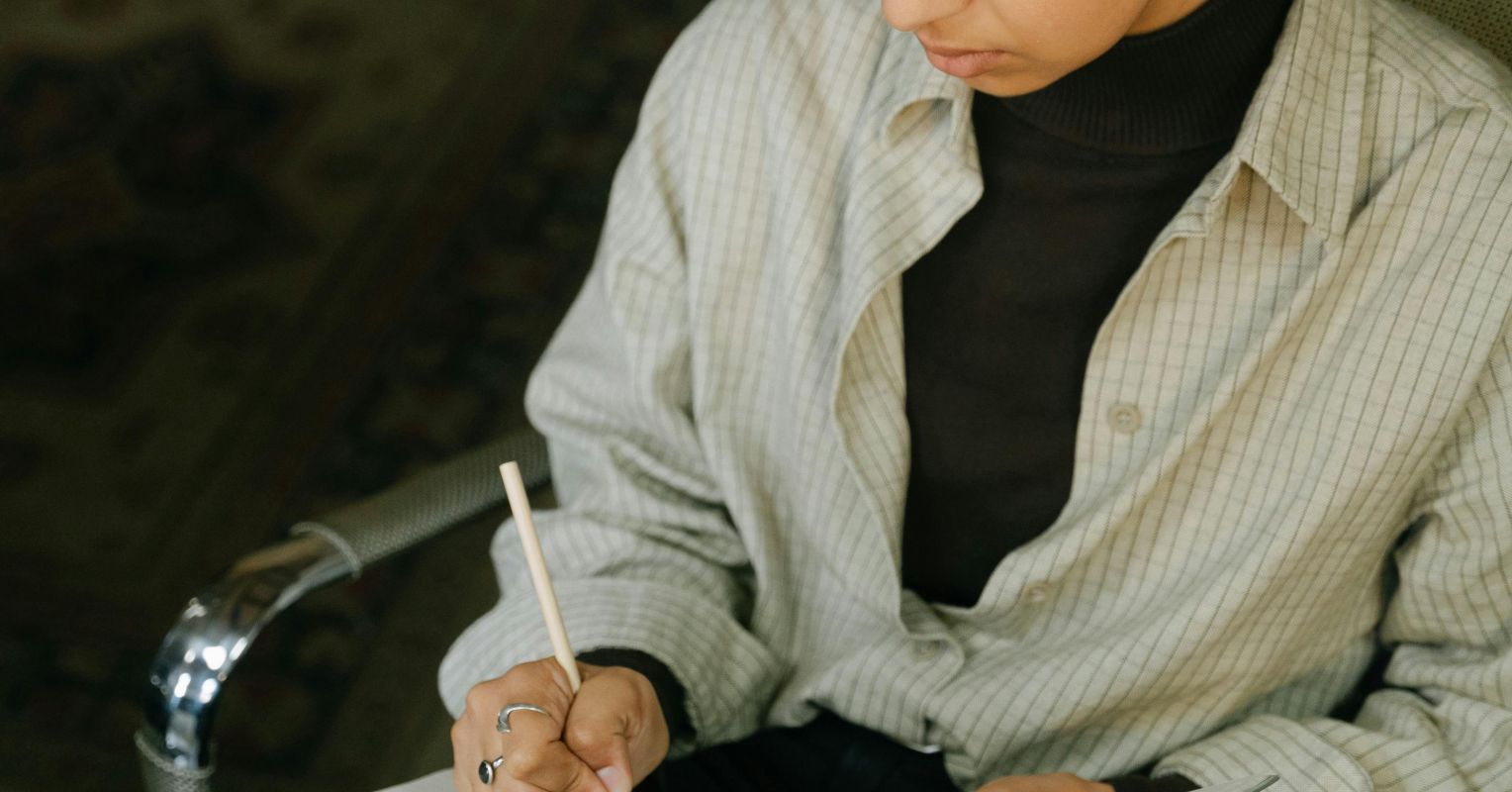
When I was studying writing in college, my personal essay class was my favorite. I'd already been journaling for almost a decade, so I understood the power of exploring life experiences through the written word. Journaling wasn't immediately helpful for me. In my younger years, I often wrote to ruminate, beat myself up, count calories, or otherwise reinforce patterns that didn't support me. But as I worked through childhood trauma in therapy and through other approaches, my writing gradually became healthier.
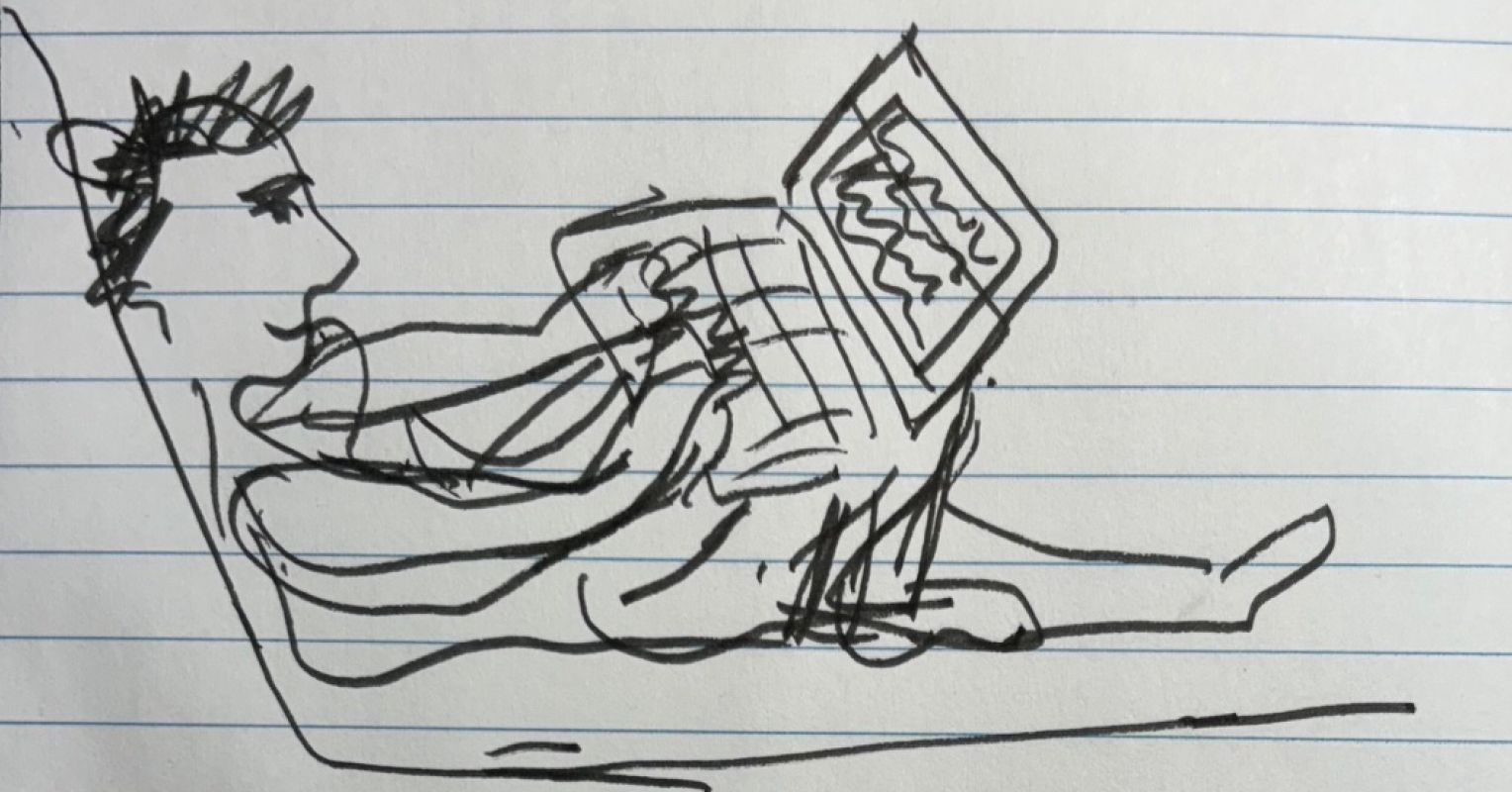
I write incessantly in my journal. It is easier for me to write my truth than to speak it. I like to imagine that I'm working toward writing a memoir concerning something no one really knows about (so, a confession, an offering of truth). My worry: Am I really a writer, or is this consuming project just my form of therapy, a desire to show my real self and beg for acceptance
Grief doesn't follow a script. Whether you've lost someone suddenly or are navigating the slow unraveling that follows a major life change, it can be hard to find space for your emotions, let alone make sense of them. That's where journaling comes in. This commonly therapist-recommended tool has been shown to ease stress, clarify emotions, and support long-term healing. And, no, it doesn't have to be done daily to make a difference.
Writing can bring old memories to the surface with surprising clarity. You might worry that once you let your suppressed feelings surface, you'll feel overwhelmed by sadness, anger, or anxious thoughts and have no way to "turn it off." But I would encourage you to view it in a different way: writing to heal can show you how heavy a weight you've been carrying for far too long, and how much you deserve to finally set that weight down.
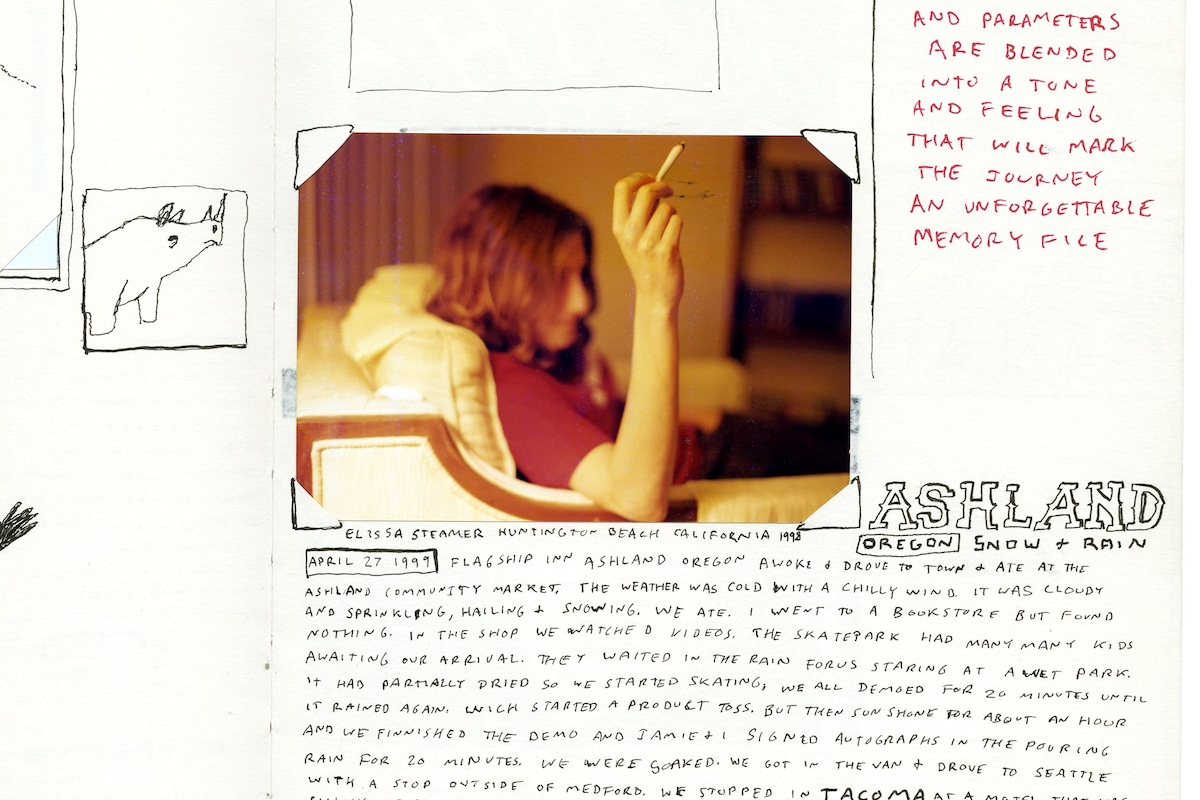
For almost five years, I've been dutifully drawing little green dots at the top of my journal entries. A small green dot means it was a generally good day, a slightly bigger one that it was pretty fantastic. A huge one represents one of the handful of no-notes, absolutely perfect days of the year. Orange dots equal stress, red denotes anger, and blue means feeling blue.
NTFSplus is an unexpected development because for about four years now, the Linux kernel has contained a read-write NTFS driver. It's called ntfs3 and it appeared in kernel 5.15 back in November 2021. It's called NTFS3 because it effectively replaced the old ntfs driver, which just offered read-only support, and ntfs-3g which works via FUSE - meaning that it runs as an ordinary, unprivileged userspace program, which imposes performance and other limitations.
Writing your thoughts down can help you gain some space from them, greatly reducing their emotional charge. You can notice what is actually going on in your mind and use this information to make concrete goals that will ultimately lead to more happiness. When you write a thought, ask yourself, "What is the need I am really feeling here? What am I wanting more of?"
Feelings come first today, quite literally, as you'll probably be swimming in them all morning. The moon enters its home sign of soft and sensitive Cancer during the wee hours, but immediately squares off with illusive Neptune. Is it intuition or anxiety? It's hard to say when you're surrounded by Neptune's disorienting fog. Grab a cup of coffee, ground yourself in reality, and trust your gut.
When I ask clients to imagine what they would say to a close friend in the same situation, their entire tone shifts. They speak with calm, empathy, and reassurance—the very things they struggle to extend to themselves.