#legislation-delays
#legislation-delays
[ follow ]
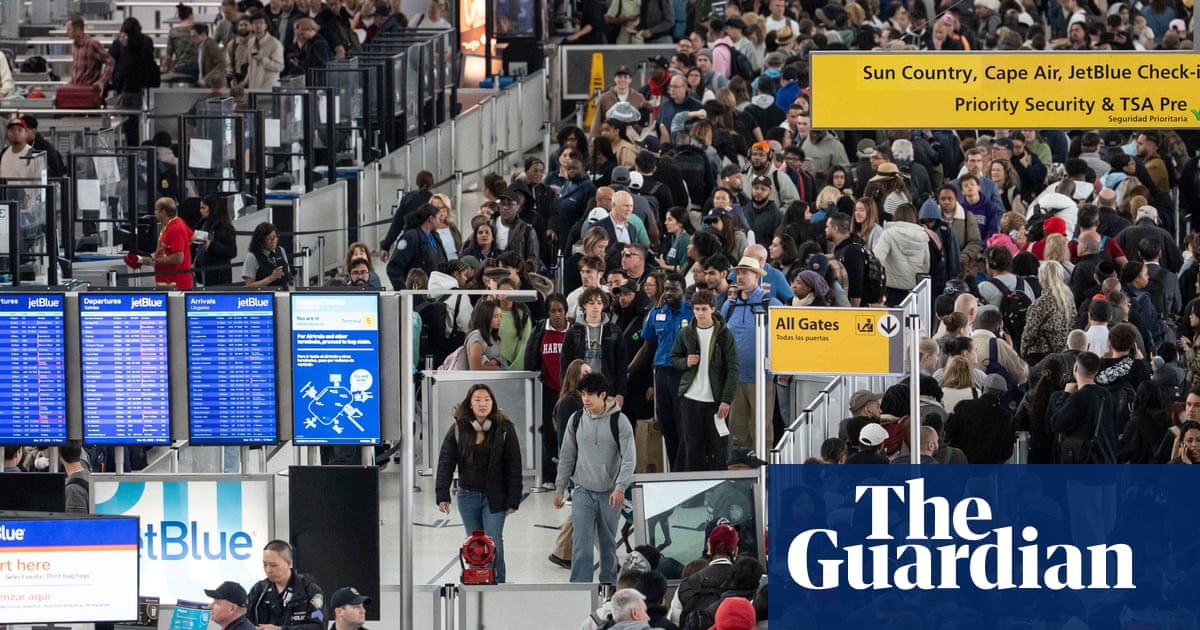
#congress #immigration-enforcement #government-shutdown #department-of-homeland-security #dhs-funding

fromIPWatchdog.com | Patents & Intellectual Property Law
4 days agoAs 'Pro Codes Act' is Reintroduced, Opponents Warn of Threats to Standards Development System
Without effective copyright protections, there is a grave risk that these organizations will no longer be able to produce the high-quality codes and standards that the public and lawmakers have come to rely on.
Intellectual property law
Law
fromAbove the Law
6 days agoBiglaw To D.C. Circuit: This Isn't Just About Us - It's About Whether The President Can Put Lawyers On A Leash - Above the Law
The fight over Trump-era executive orders targeting Biglaw firms intensifies as firms argue these orders threaten constitutional independence and the rule of law.


Intellectual property law
fromPatently-O
1 week agoBipartisan Skepticism Greets Director Squires at First House Oversight Hearing
The House Judiciary Subcommittee hearing addressed various USPTO issues under Director John Squires, revealing bipartisan skepticism and concerns over patent quality and IPR changes.

fromArs Technica
2 weeks agoEmerging legislation would shield polluters from liability for climate change
Dozens of local communities, states, and individuals are suing major oil and gas companies and their trade associations over rising climate costs and for allegedly lying to consumers about climate change risks and solutions. At the same time, some states are enacting or considering laws modeled after the federal Superfund program that would impose retroactive liability on large fossil fuel producers and levy a one-time charge on them to help fund climate adaptation and resiliency measures.
Environment
fromNextgov.com
3 weeks agoVought takes aim at GAO in new guidance
Doing so has failed to prioritize agency internal control processes to adequately protect American taxpayer dollars, leading to documented examples of widespread abuse. Prior versions of OMB's guidance have overly deferred to the direction and priorities of external entities whose views are not binding on the Executive Branch, such as the Government Accountability Office.
Washington DC
fromPsychology Today
1 month agoFilibustering and Delay Strategies That Block Social Justice
Organizational filibustering refers to strategies that delay and obstruct efforts to pursue social justice in systems. These additions can stretch out the process of implementation of diversity strategic plans or multicultural programs for years. Change agents can become battle-fatigued and give up their efforts. They can also become so disheartened that they leave a group or organization altogether.
Social justice
fromAxios
3 weeks agoDemocrats drafting AI guardrails for autonomous weapons, domestic spying
Defense Secretary Pete Hegseth has made clear that he wants to quickly integrate AI into everything the military does and is demanding that AI companies give the government unrestricted access to their technologies. Anthropic refused to give the Pentagon unfettered access to its AI model, saying it would not allow its model to be used for the mass surveillance of Americans or the development of weapons that fire without human involvement.
Artificial intelligence
UK politics
fromwww.theguardian.com
2 weeks agoBan corporate donations to UK political parties to protect elections, says thinktank
A thinktank warns that proposed UK election funding reforms inadequately address foreign interference through corporate donations and recommends banning corporate donations outright.
Artificial intelligence
fromwww.nytimes.com
1 month agoVideo: Opinion | The Government's A.I. Alignment Problem
AI alignment is fundamentally a political question about instantiating different moral philosophies into systems, and government pressure on AI companies signals potential suppression of diverse values.
Law
fromAbove the Law
3 weeks agoThe Justice Department Is Lowering Its Ethical Guardrails - Above the Law
The Justice Department eliminated a policy classifying senior political appointees as 'further restricted' under the Hatch Act, removing safeguards requiring election law enforcers to maintain strict political neutrality.
Artificial intelligence
fromNextgov.com
1 month agoTech bills of the week: Updated AI innovation; expanding cybersecurity for SNAP; and more
Senators Young and Cantwell reintroduced the Future of AI Innovation Act to establish uniform AI standards, promote private sector innovation, and strengthen U.S. AI leadership through public-private partnerships and international coordination.
Higher education
fromInside Higher Ed | Higher Education News, Events and Jobs
1 month agoCongress, Courts Stymie Trump's Effort to Cap Research Costs
Congress blocked federal agencies from altering university indirect-cost reimbursement rates for fiscal year 2026, preserving current rates through Sept. 30.
US politics
fromAxios
3 weeks agoDems plan probes into companies, colleges that cooperated with Trump
Democratic senators plan investigations into Trump administration cooperation with major institutions, corporations, and wealthy individuals, leveraging broader House subpoena authority and targeting private entities unable to claim executive privilege.
US politics
fromAbove the Law
3 weeks agoFrom 'Hold Me In Contempt' To 'Elect Me To Congress' - Above the Law
Former Justice Department attorney Julie Le, who criticized the immigration system's workload demands, is now running for Congress in Minnesota's 5th District as a Democrat challenging Ilhan Omar.
fromAbove the Law
1 month agoSupreme Court Adopts 'New' Process To Avoid Conflicts Of Interest 20 Years Too Late - Above the Law
The Supreme Court announced Tuesday that it will now employ software to help the justices identify when they should probably recuse themselves from cases. We say "probably," because there's still no actually enforceable ethics code binding Supreme Court justices and the Chief Justice has made very clear that he will ignore any attempt to impose one. Instead, the Supreme Court drafted a 14-page pinky swear that they will follow some of the same rules that bind lower court judges.
Law
US politics
fromTruthout
1 month agoDocuments Expose Ties Between Trump Officials and Industries They Help Regulate
Stephen Feinberg, now Deputy Secretary of Defense, maintains financial ties to Cerberus Capital Management, which owns companies awarded billions in Pentagon missile defense contracts he oversees.
fromwww.theguardian.com
2 months agoHere's why Labour is struggling to deliver: the British state is immense, but pull the levers and nothing happens | Larry Elliott
The reason for that is simple: the British state is big and getting bigger but as an agent of change it is not up to the job. This is true at both central and local levels. Over the years, the capacity of government to intervene has been pared back and professional expertise has been lost as council services have been outsourced.
UK politics
fromwww.theguardian.com
2 months agoPoliticians should take a tip from product managers and treat U-turns' as iterations | Letter
Kemi Badenoch's recent ridiculing of the prime minister over a supposed U-turn on digital ID plans (Keir Starmer denies change to digital ID plan is yet another U-turn, 14 January) is the latest example of a frustratingly narrow view of leadership. To the Conservative leader, adapting a policy is a sign of no sense of direction; to those of us who work in product management, it looks like necessary iteration of the process.
UK politics
US politics
fromNextgov.com
1 month agoBipartisan lawmakers worried about shaky progress on modernized government worker background check system
The National Background Investigation Services system for federal employee vetting faces a decade-long delay until fiscal 2028, costing $2.4 billion with $2.2 billion more needed, impacting national security and government contractors.
US politics
fromAxios
1 month ago"The subpoenas are coming," bipartisan firm warns corporate America
Congressional Democrats will intensify oversight of large corporations, supplementing administration probes with piercing corporate investigations and targeting AI, healthcare, crypto, utilities, trade, and pricing.
fromThe Atlantic
2 months agoPurge the Public Servants
In this new season, I'm asking how the Trump White House is rewriting the rules of U.S. politics, and talking to Americans whose lives have been changed as a result. Today's episode examines the destruction of the civil service: the removal of professionals, and their replacement with loyalists. I've seen this kind of transformation before, in other failing democracies. Everyone suffers from the degradation of public services.
US politics

US politics
fromwww.theguardian.com
1 month agoDemocratic senators launch inquiry into EPA's repeal of key air pollution enforcement measure
The EPA stopped monetizing air-pollution health benefits and revoked the 2009 endangerment finding, prompting a Senate Democratic inquiry into the decision and its impacts.
fromPOLITICO
2 months agoHouse Democrats once again left complaining about a Senate spending deal
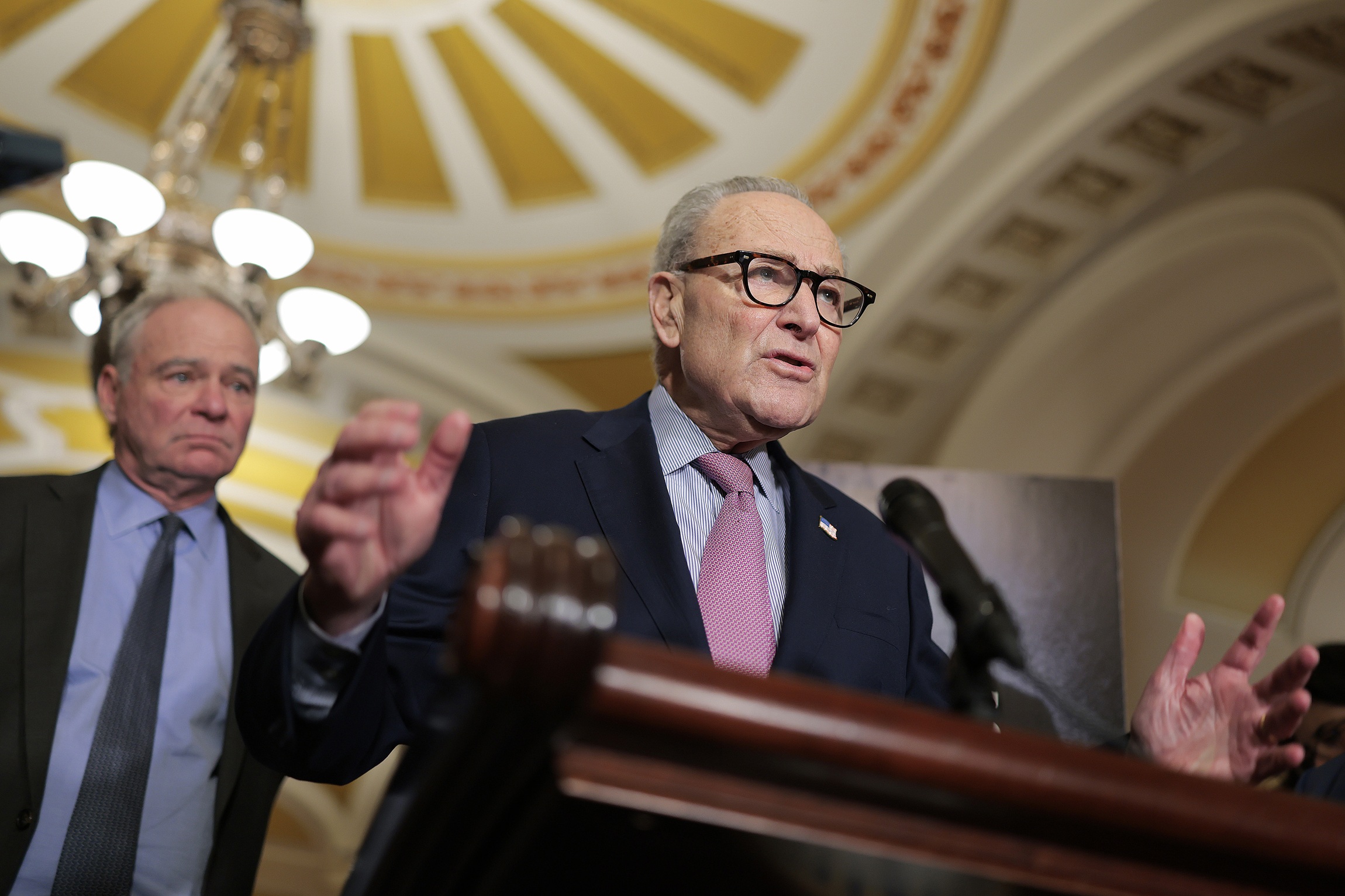
The interchamber tensions between Democrats are becoming a regular feature of funding fights in the second Trump term. Lawmakers, strategists and voters alike exploded in anger last March when Senate Minority Leader Chuck Schumer and a handful of colleagues allowed a spending package to move forward amid the Elon Musk-led DOGE assault on federal agencies. In November, tempers again flared when a handful of Senate Democrats joined with Republicans to end a record 43-day shutdown.
US politics
US politics
fromInside Higher Ed | Higher Education News, Events and Jobs
2 months agoCongress Plans to Mostly Buck Trump's NSF, NASA, Energy Cuts
Congressional appropriations plans largely reject the administration's proposed steep cuts to NSF and NASA, and instead propose increased funding for the Department of Energy Office of Science.
[ Load more ]