#linux-on-mobile
#linux-on-mobile
[ follow ]
#linux #android-16 #smartphone #technology #open-source #smartphones #oppo #android #nothing-phone-4a #kde-plasma


fromGSMArena.com
6 days agoRealme C100 and C100i surface in a hands-on, they have 6.8" screens and 7,000mAh batteries
The Realme C100 has a 6.8" display, a 720p+ LCD with 144Hz refresh rate and 900 nits of brightness. It is rated IP64 (dust proof, splash resistant) and has a drop-resistant design.
Gadgets
Mobile UX
fromYanko Design - Modern Industrial Design News
4 days agoThis Finnish Privacy-focused Linux Phone Wants You to Forget Google Exists - Yanko Design
Jolla reintroduces a European smartphone ecosystem with its new phone running Sailfish OS, emphasizing privacy and independence from American tech giants.
fromThe Verge
3 days agoI saved a doomed Windows laptop by embracing Linux
The solution, according to Microsoft, is to get rid of it and buy a computer that can run Windows 11. But that's not good enough. This ThinkPad - like millions of other PCs in the same boat - is still perfectly functional.
Software development

fromThe Verge
3 weeks agoGoogle Chrome is coming to Arm-powered Linux devices later this year
Google says it's finally bringing Chrome to ARM64 Linux machines in Q2 2026, following Chrome for Arm Macs in 2020 and Chrome for Windows on Arm in 2024. The move addresses the growing demand for a browsing experience that combines the benefits of the open-source Chromium project with the Google ecosystem of apps and features.
Tech industry
#oppo
fromGSMArena.com
5 days agoMobile UX
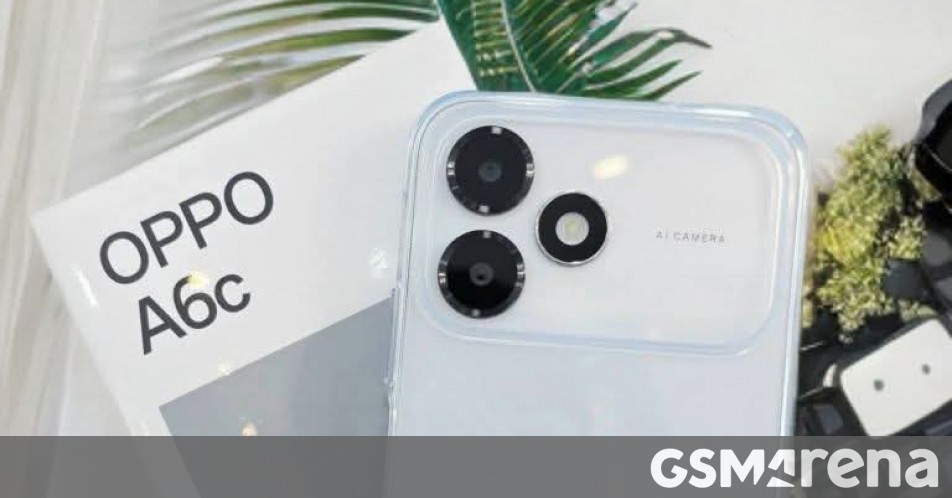
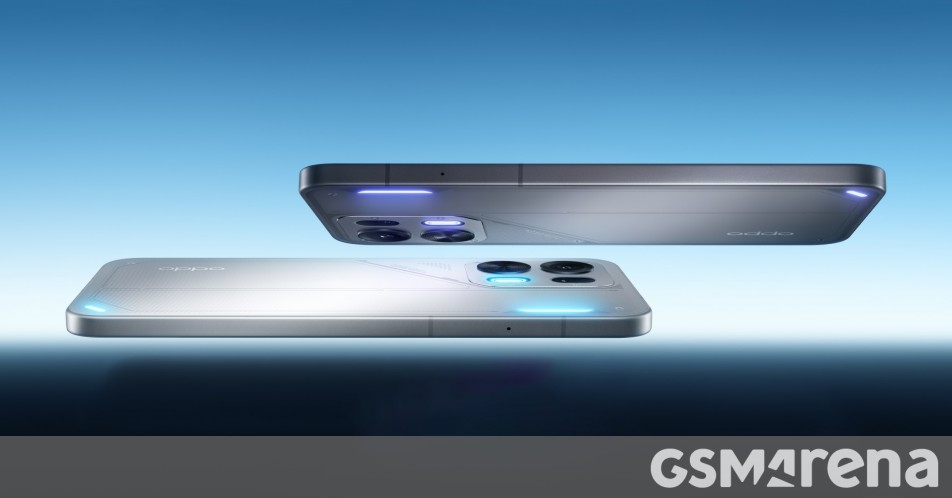
Oppo K15 Pro+ arrives with Dimensity 9500s and 8,000mAh Si-C battery, K15 Pro tags along
Oppo's K15 Pro series features advanced gaming aesthetics, powerful cooling systems, and high-performance specifications, including fast charging and impressive display technology.
#grapheneos


Mobile UX
fromZDNET
1 month agoI can't wait for Motorola's GrapheneOS phones: Why they're a win for privacy and open source
Motorola will ship smartphones with GrapheneOS, a privacy-focused open-source Android fork, starting in 2027, marking the first major phone OEM to offer an alternative OS preinstalled.
Privacy technologies
fromArs Technica
1 month agoWith developer verification, Google's Apple envy threatens to dismantle Android's open legacy
Google is implementing Android developer verification requiring app makers to register with real names and pay fees, restricting sideloading and moving Android toward Apple's closed ecosystem model.

fromGSMArena.com
1 week agoOnePlus 15 gets Android 17 beta 2
The purpose of this release is to allow app developers and early adopters to create "even better software experiences". The installation requires flashing a ROM, and if you don't have experience in software development or you expect to use the device as a daily driver, it's not recommended to proceed.
Mobile UX
fromGSMArena.com
2 weeks agoNothing Phone (4a) Pro in for review
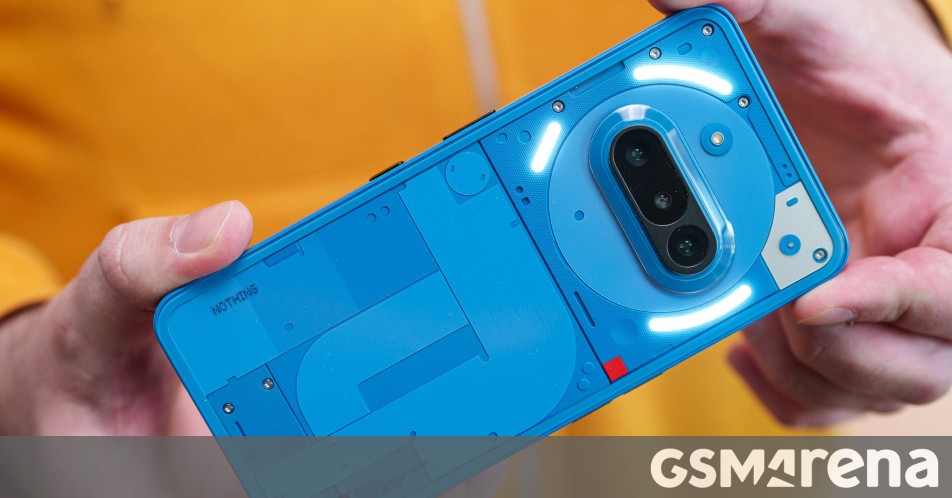
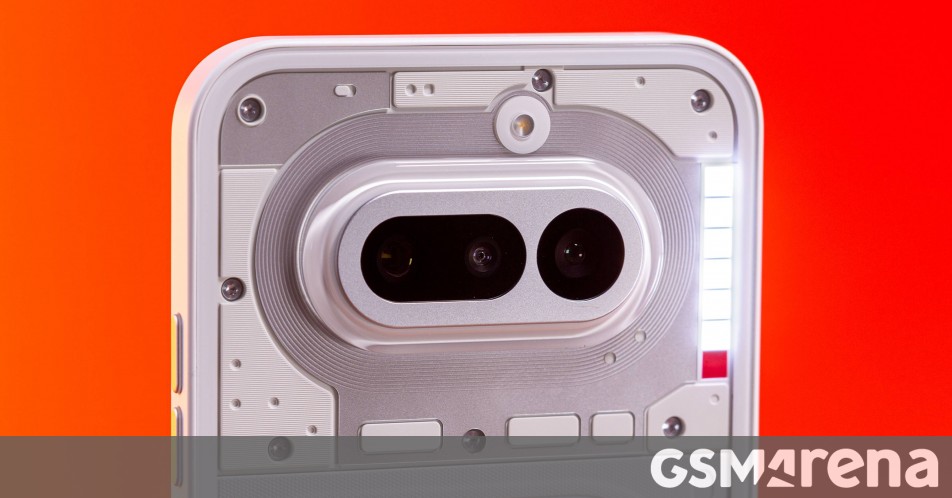
The flashiest comparison revolves around the Glyph interface - it's a simple Glyph bar on the non-Pro and a full-on circular dot matrix display on the Pro. Getting technical for a bit, the Pro has 137 LEDs, while the regular has just 63. As you can imagine, you can do all sorts of clever stuff with the Glyph Matrix on the Nothing Phone (4a) Pro - animating your timer, different callers, you can even use it as a selfie display for the main camera.
Mobile UX


Gadgets
fromYanko Design - Modern Industrial Design News
2 months agoThis Phone Runs Android, Linux, and Windows to Replace 3 Computers - Yanko Design
NexPhone is a rugged, high-spec Android handset that can multi-boot Android, Debian Linux, and optionally Windows 11 on Arm to serve as phone and desktop.
Mobile UX
fromWIRED
1 month agoThe 'European' Jolla Phone Is an Anti-Big-Tech Smartphone
Sailfish OS offers a Linux-based alternative to Android that eliminates Google dependencies while maintaining Android app compatibility, positioning itself as a sovereignty-focused operating system compiled and installed in Finland.

fromZDNET
2 months agoThis new Linux distro folds a gorgeous COSMIC desktop into an immutable Fedora base
Origami Linux was conceived in 2021, which makes it relatively new for an operating system. The goal behind this distribution was to create something beautiful and secure. To achieve that, the developer decided to take the COSMIC desktop and marry it with an immutable Fedora base. That's not all. Also: The best Linux laptops in 2026: Expert tested for students, hobbyists, and pros You could also opt for an Arch base that includes the CachyOS kernel, or a version created specifically for NVIDIA GPUs.
Software development
fromZDNET
1 month agoWhy my favorite Linux distro is slowing down - and I'm thrilled about it
My favorite Linux desktop distribution, Linux Mint, is considering slowing down its release cadence. That's because, as lead developer Clement "Clem" Lefebvre explained, while releasing often has worked very well, it produces "these incremental improvements release after release. But it takes a lot of time, and it caps our ambition when it comes to development. ... [so] We're thinking about changing that and adopting a longer development cycle."
Software development
Software development
fromZDNET
2 months agoThis Linux distro has one of the smartest security features I've seen (and I've tested dozens)
iDeal OS is a user-friendly, Debian-based rolling-release distribution featuring KDE Plasma, two editions (Emerald and Diamond), and a DNS switcher for enhanced security.
fromZDNET
1 month ago8 Linux distros I always recommend first to developers - and why
For the longest time, Linux was considered to be geared specifically for developers and computer scientists. Modern distributions are far more general purpose now -- but that doesn't mean there aren't certain distros that are also ideal platforms for developers. What makes a distribution right for developers? Although I consider app compatibility, stability, and flexibility to be essential attributes for most any Linux distribution, developers also need the right tools
Software development
fromTheregister
1 month agoLinus Torvalds confirms next Linux will be version 7.0
Linux kernel version numbering became more predictable with the 3.x series, which saw the release of 19 kernels before ticking over to 4.0. Torvalds had some fun along the way, dubbing version 3.11 Linux for Workgroups, a reference to the name Microsoft gave Windows 3.11. He later pondered using version 4.0 as a special release dedicated to cleaning up bugs.
Software development
fromTheregister
2 months agoLoss32: An idea for a Linux designed around Win32 apps
The gist of the idea is to run the whole user environment, desktop and all, inside WINE. So it's something like a bare-metal WINE sitting on top of the Linux kernel, with just enough plumbing to connect them up. This is significantly different from the current way, which is to run a completely Linux-based stack - the kernel, an init, a userland, a Linux display system, and a Linux desktop, and then run Windows programs inside that.
Software development
[ Load more ]