Dining
fromArchitectural Digest
2 years ago17 Small Dining Room Ideas That Serve a Crowd
Small dining rooms can be designed to feel grand and inviting with the right choices in color, furniture scale, and multifunctional elements.
The Harmony measures 34 feet long and 8.5 feet wide, making it road-legal across North America without a special permit. Inside, the floor plan stretches to 423 square feet, thoughtfully designed for family living.
"I wanted a space that needed renovating but wasn't a total gut job. They have so much potential. In my opinion, they are more worth the bang for your buck than the modern cookie-cutter new builds because you can customize it exactly how you want it and still end up spending less."
Cleveland explains, 'I just wasn't into the idea of constantly seeing my bed from the couch. I spent almost two months hunting online for a room divider that wouldn't block too much natural light or make the space feel cramped. Eventually, I realized I'd have to make one myself.'
Ferm Living's Bridge system is one part coat rack, one part display piece for your most-worn pieces. Built for versatility, the slim oak beams provide two tiers of storage space, whether you need room for hangers or just a place to hang your hat at the end of the day. It's nearly five feet high, meaning none of your beloved coats will sweep the floor. Its vertical branches would also make sense as a place to display fabrics or hang towels to dry.
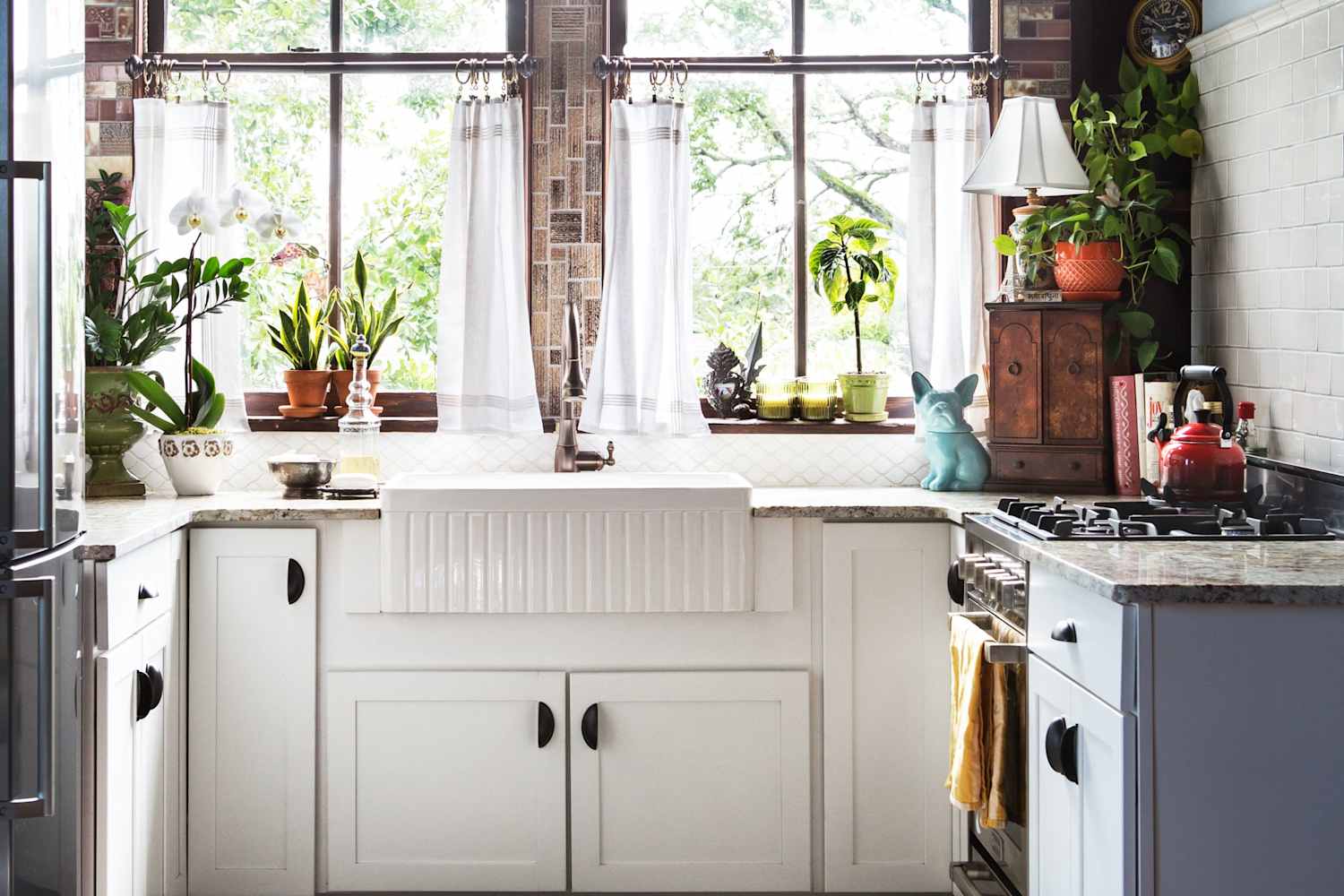
But as everyone is chasing micro-trends, choosing a neutral kitchen and following your personal style comes across as more wise and timeless than ever. As seen in the 10 neutral kitchens below, hues like whites and off-whites, blacks, grays, beiges, and earth tones can be combined in infinite ways and applied to different textures and materials, to create kitchens that are dynamic, clean, and classy all at once.
How did a material conceived for bridges, factories, and large-scale structures make its way to the living room bench, the apartment bookshelf, the café table? For centuries, metal was associated with labor, machinery, and monumentality-from the exposed structures of 19th-century World's Fairs to the productive logic of modern industry. Its presence in domestic interiors is not self-evident but rather a cultural achievement: the transformation of an industrial material into an element of everyday, intimate use, in close proximity to the body.
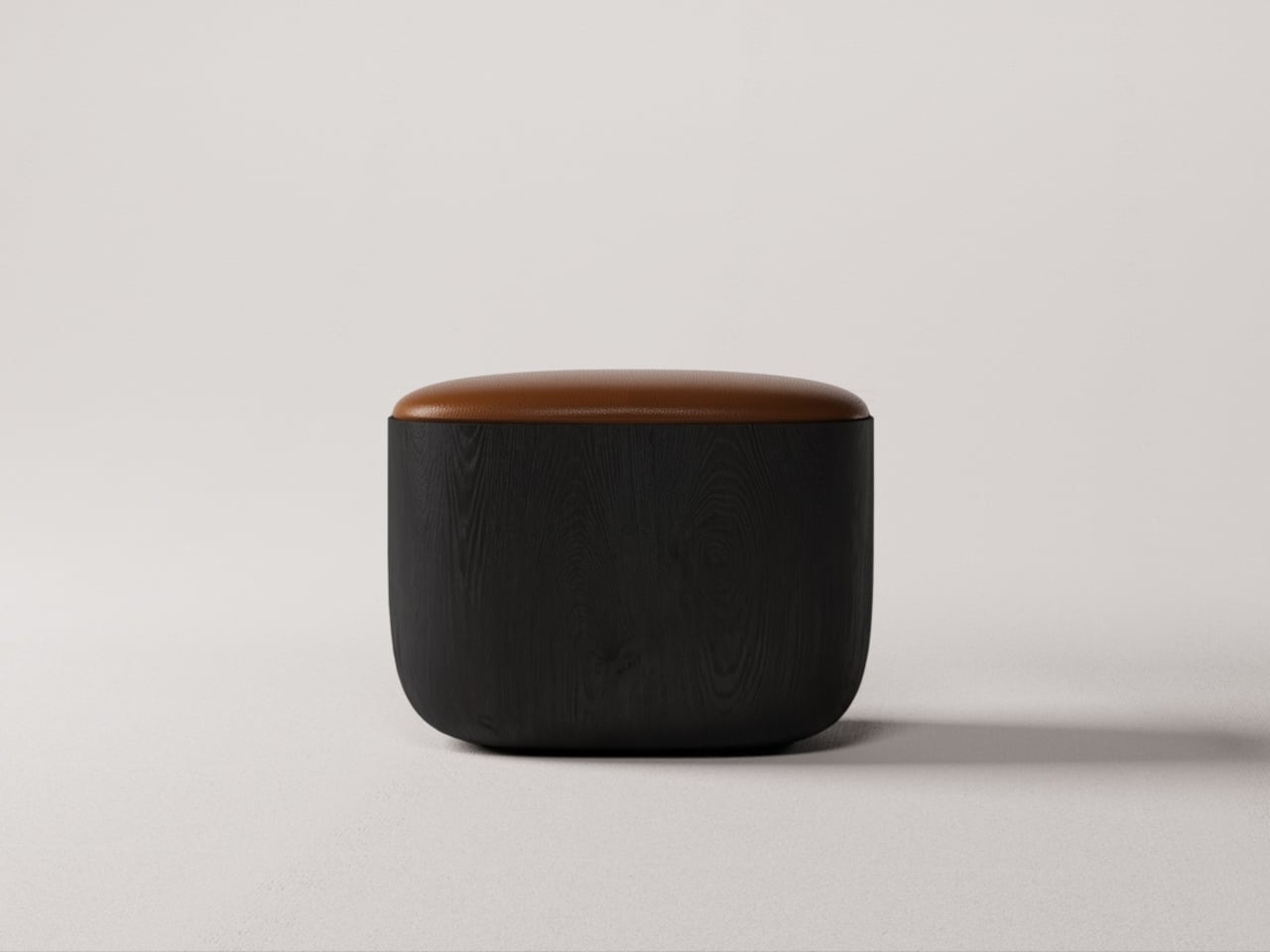
Furniture is now understood as a core architectural component rather than a purely functional addition to a space. In 2026, instead of sharp, rigid forms, current design directions favor softer, organic silhouettes that promote comfort and visual calm. These shapes help create interiors that feel more balanced and human-centred, supporting everyday use while enhancing the emotional quality of the environment.