fromwww.thehistoryblog.com
1 day agoHistory
Bronze Age shield returns to Scotland for the first time since 1791
An exceptional Bronze Age shield is returning to Scotland for a new exhibition after being in London since 1791.
The Irish government will give 2,000 artists unrestricted weekly stipends in a program officials described as a "recognition, at government level, of the important role of the arts in Irish society." After a successful three-year pilot, the Irish government made its basic income program for artists permanent. Similar pilots have been launched here in the United States, but they're supported primarily by the nonprofit sector.
Visually striking and intricately crafted, the traditional armour and weaponry of the Kiribati islands in the Pacific Ocean were built from coconut fibre, human hair, sharks' teeth and porcupine fish. Yet, fearsome and lethal as these objects were, the people of this remote archipelago weren't especially warlike, as British colonists had long assumed, but were instead part of a ritualised style of combat intended to keep violence between clashing groups to a minimum.
When you hear the word Viking, what comes to mind? Did it invoke images and thoughts of Norse gods, two-handed axes, berserkers, or some thorn-head team out of Minnesota? I'm not going to lie that those are some of the first things that came into my mind. Did explorers or Lief Erikson come to mind? I mean, he should. Lief is thought of as the first to set foot in North America 500 years before other Europeans.
When you reach a certain age, one of the things you notice at the turn of the year is the "stuff" you have accumulated. Old newspapers, documents and books jostle with the detritus of life, from pieces of dead coral from Barbados to an old label that never made it onto a bottle of Guinness. I have spent the last decade preaching to my adult children, telling them to stop buying things.
Onboard/Offboard is a series that explores the can't-miss highlights of our favorite cruises-from the shore excursions to book to the spa treatments too relaxing to pass up. A new ship sometimes needs time to work out the kinks, but at this point-more than 100 vessels later- Viking has the routine down pat. In early November, I boarded the Viking Vesta, the line's 12th ocean vessel, in Istanbul, a few months into service.
CHARM is built around a large-scale survey of material connected to three major writing centres-Turku, Naantali, and Viipuri-in the 15th century. By comparing charters and book fragments together, the researchers aim to map how writing practices were adopted, modified, and localised, and what that meant for society and administration in a region that was then part of the Swedish realm.
At the outset of the Kalevala, Finland's national epic, a singer bemoans his separation from a beloved friend who grew up beside him. Today, the friends rarely meet "näillä raukoilla rajoilla, poloisilla Pohjan mailla" - lines which translator Keith Bosley renders "on these poor borders, the luckless lands of the North." The Kalevala, a poetic masterpiece of nearly 23,000 lines, first appeared in 1835. Now, nearly 200 years later, those "luckless lands of the North" are an increasingly tense border zone.
Researchers have found traces of what appears to be plant-derived poison on tiny stone arrowheads from South Africa dated to 60,000 years ago. The finding pushes back the origin of this revolutionary hunting technology by tens of thousands of years. Scientists have long been fascinated by the development of poisoned hunting weapons. For one thing, they would have seriously leveled up our ancestors' foraging game.
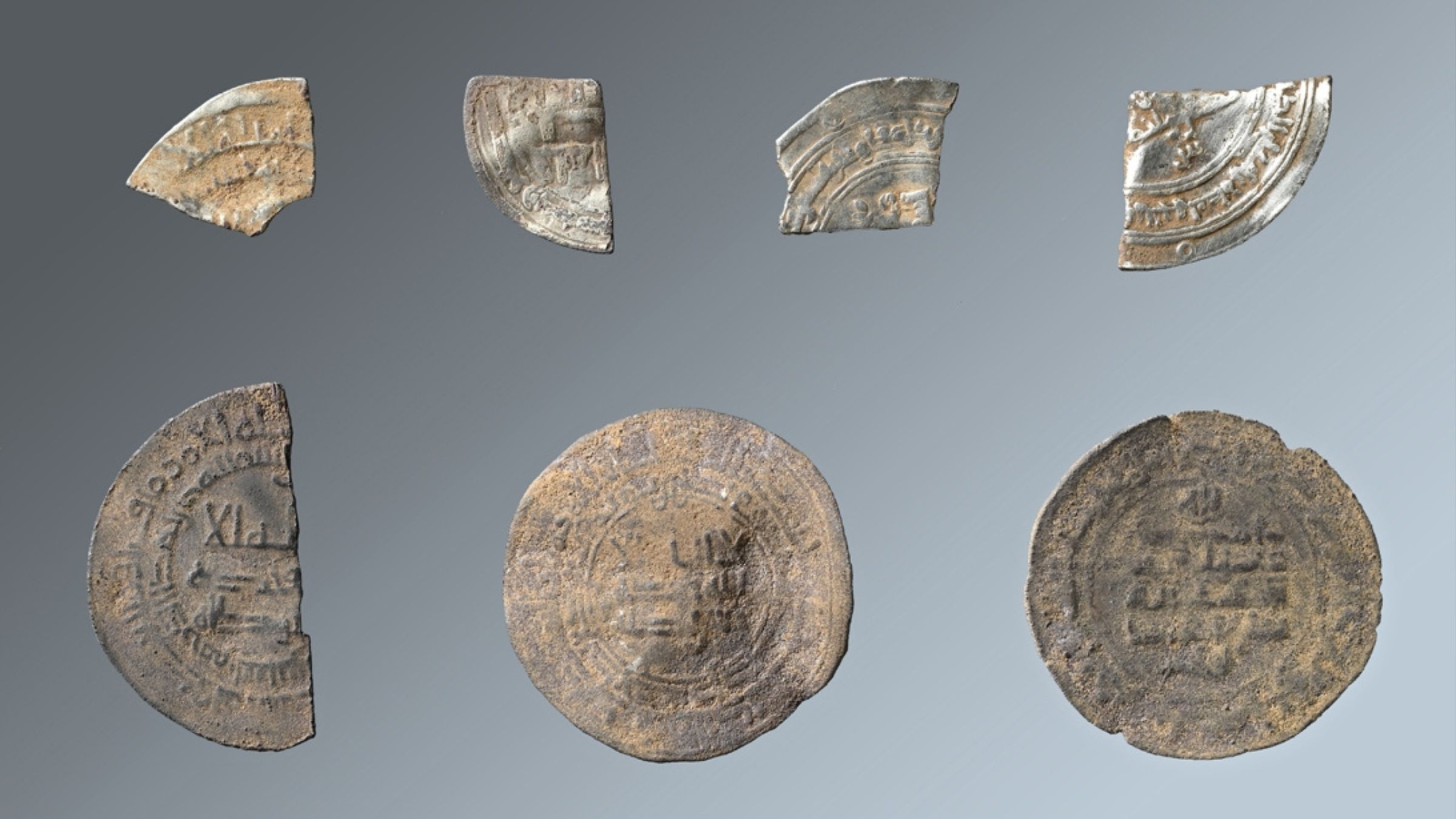
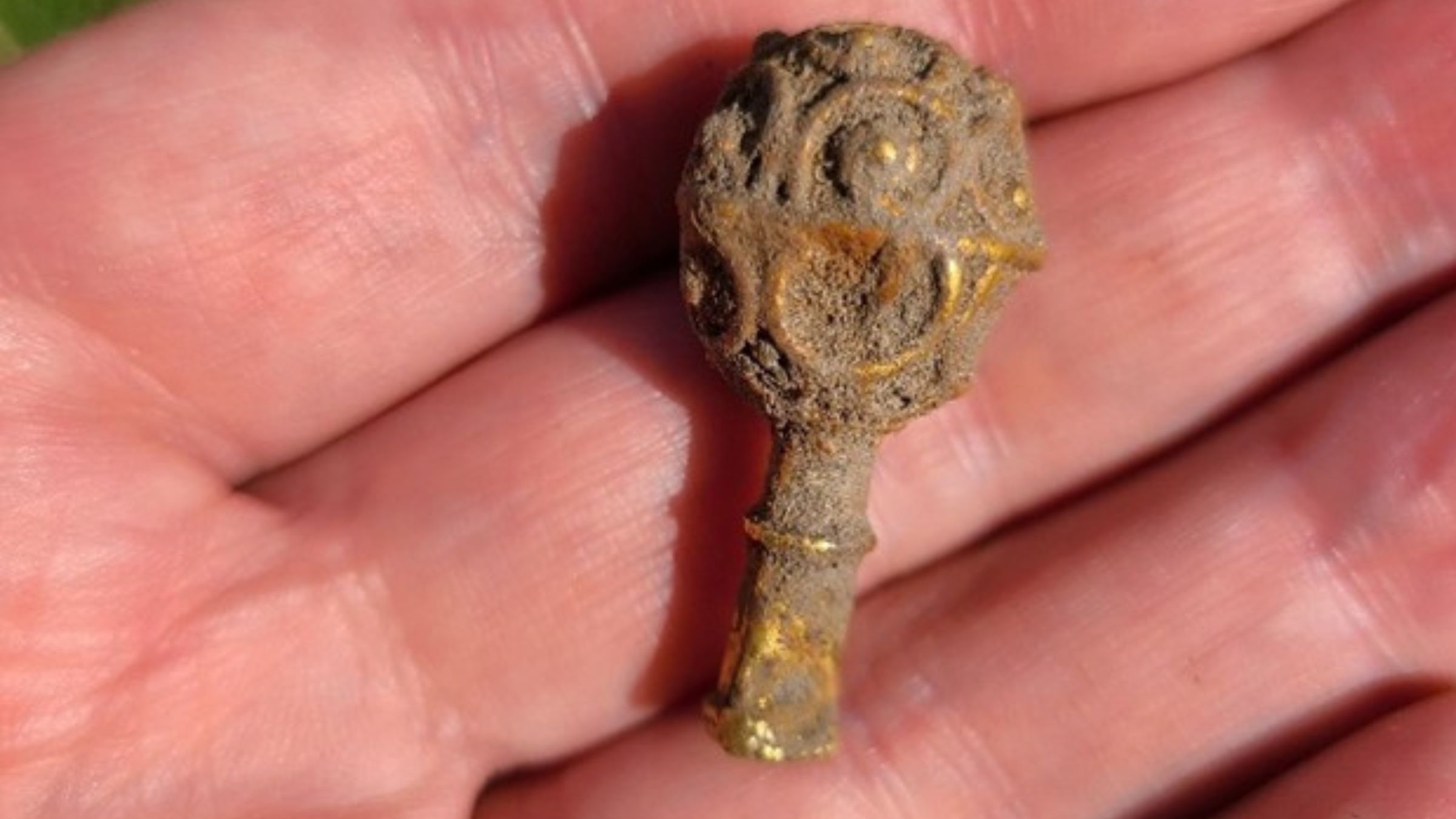
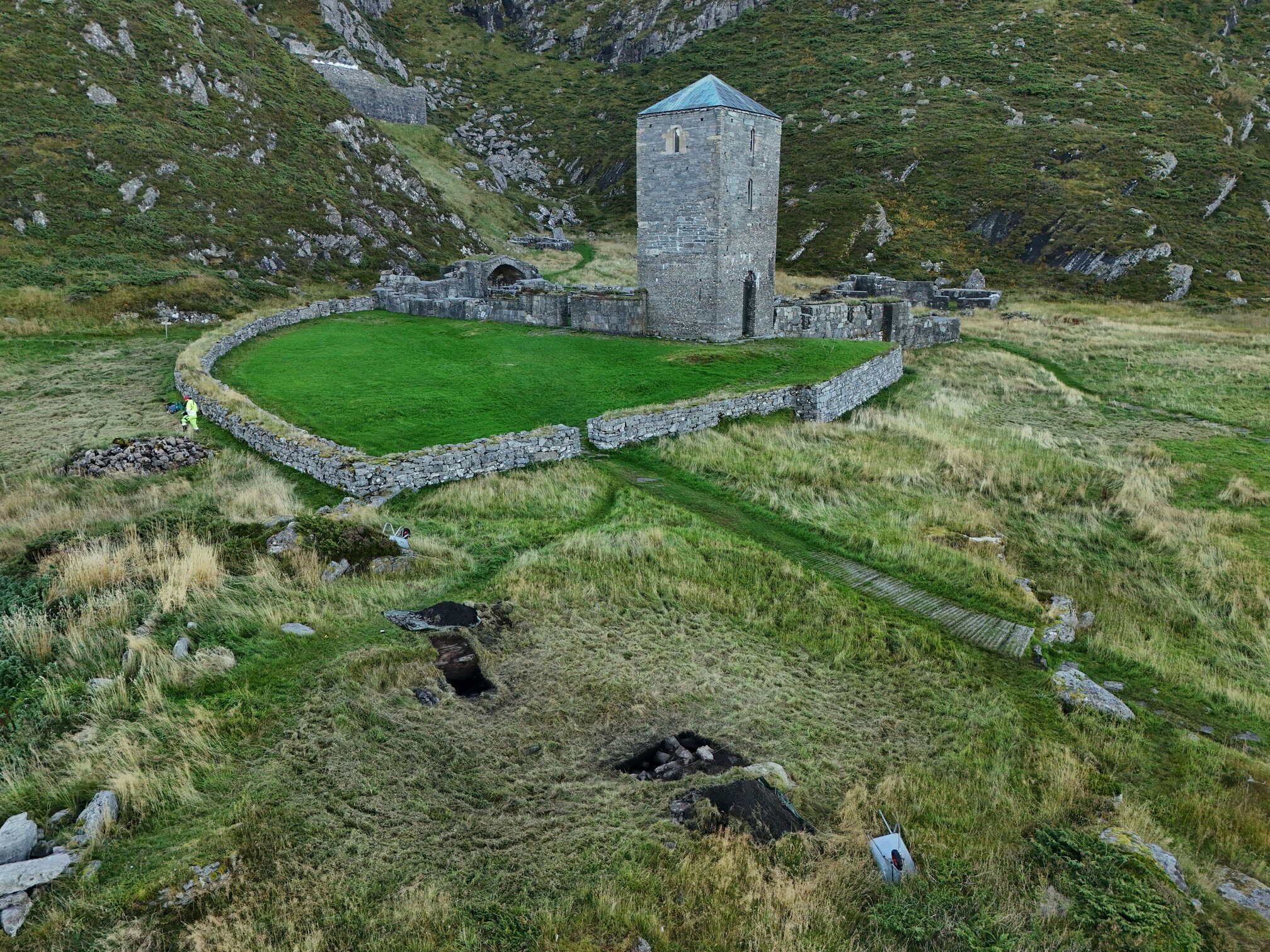
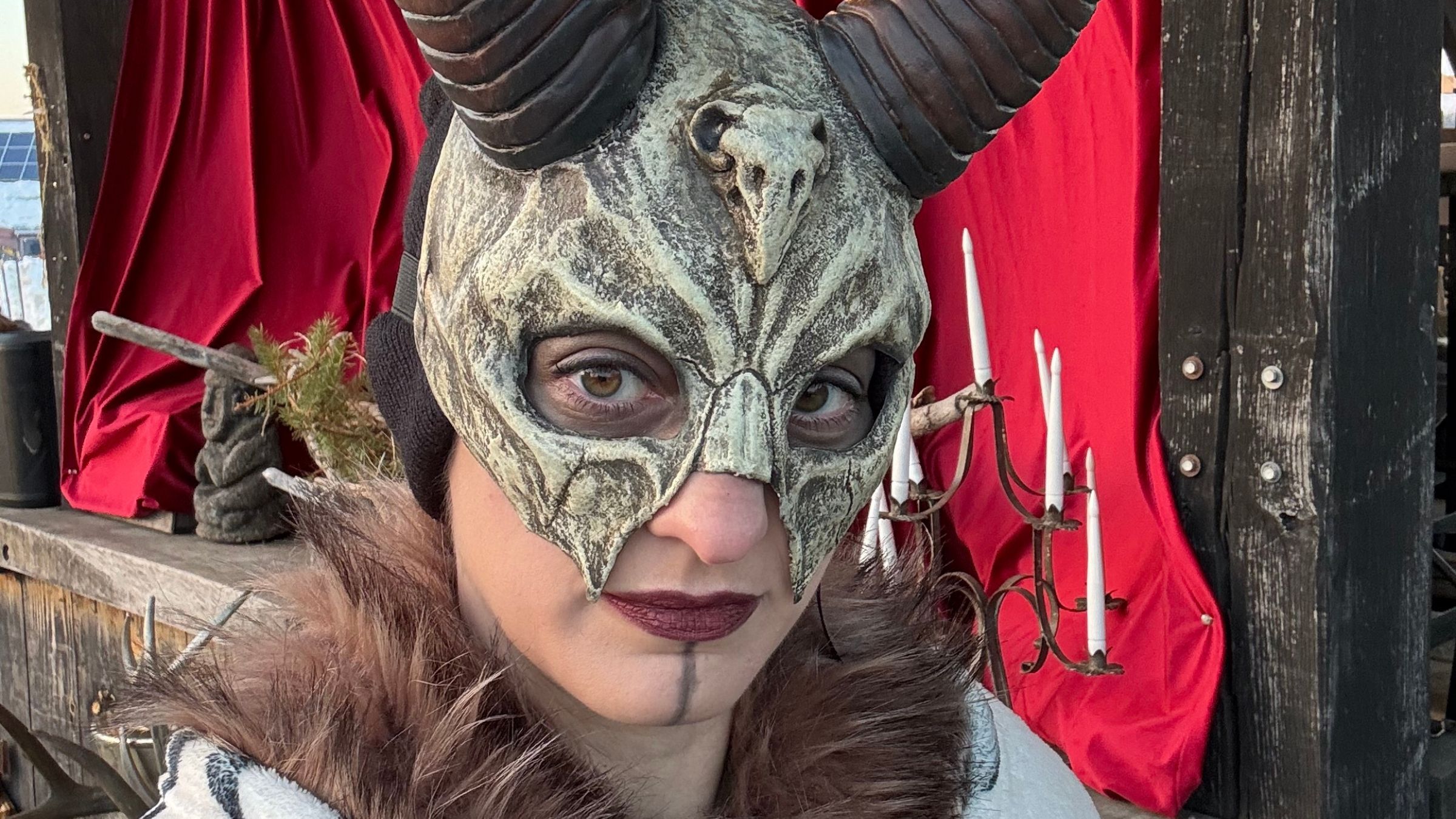
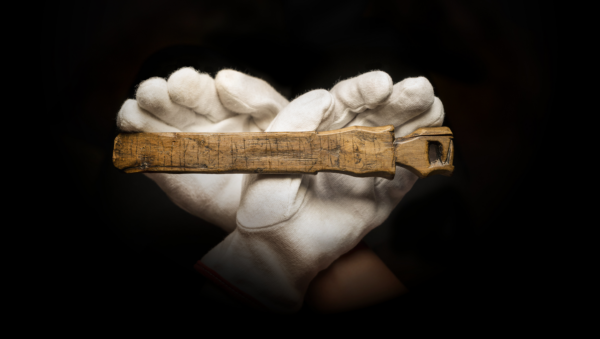
Excavations carried out in 2025 by the Arctic University Museum of Norway revealed that the artefacts came from a boat burial. The grave contained the skeleton of a woman placed inside a boat measuring about 5.5 metres in length. She had been buried together with a dog, suggesting the animal may have been an important companion in life.
Knitting is the perfect activity to calm the body and soothe the mind during a high-pressure event like the Winter Olympics. Once you internalize your stitch pattern, you can just zone out and focus on how the yarn feels between your fingers, and for those EMDR girlies among us, knitting also counts as bilateral stimulation. Since diver Tom Daley went viral in 2021 for knitting between events at the Tokyo Olympics, he's become something of a knitbassador for the craft,
Two Chinese Artists Created This Terrifying Hyper-realistic Sculpture Of The Falling Angel An Artist Captured the Innocence of Childhood by Photographing His Three Sons Florey's Unforgettable Alternative Movie Posters Sensitive Ballerina Watercolour Portraits By Liu Yi Artist Turns Animals Into Original Characters That Look Like They Belong In An Anime Russian Artist Adds Digital Pixel Glitches To Animal Tattoos. And It's Awesome!
In this book of moons, I am writing for people for whom the medieval world and its literatures and arts may be unfamiliar. I hope that in telling the stories of medieval moons, I also introduce these readers to the wonderful, mesmerising realm of medieval texts and images. But I also hope that this book may be useful to those with greater familiarity with medieval languages, literatures, and arts.
"Cnut: The North Sea King" by Ryan Lavelle is a short and engaging biography of the most ambitious and successful Scandinavian leader of the Viking Age. Lavelle captures both the brutality and pragmatism that allowed Cnut to govern England effectively for almost two decades, despite being an outsider and a foreign conqueror. In 1066 and All That (1930), a parody book of English history,
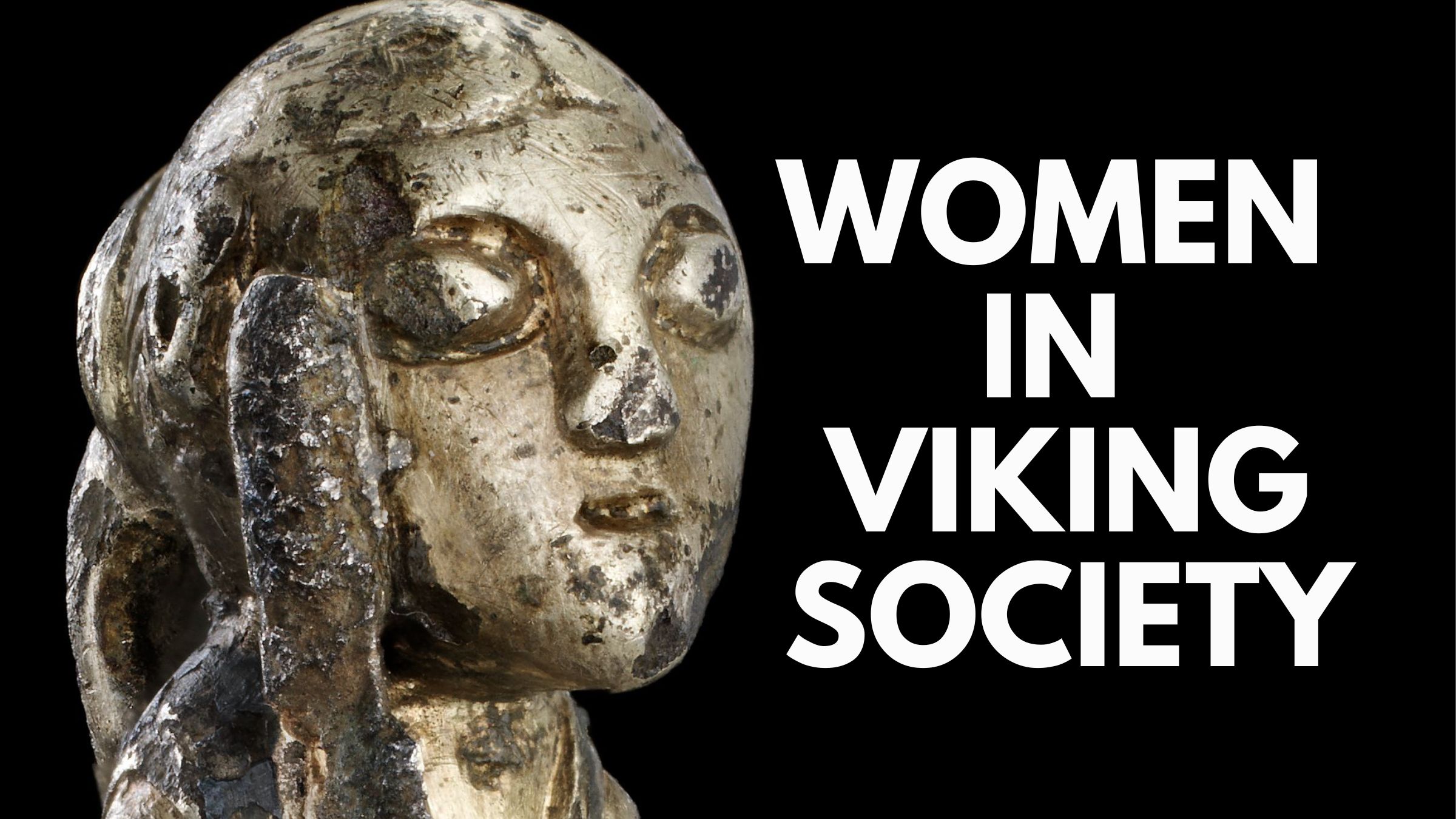
Beyond the reach of medieval Christendom, Viking-age Scandinavia drew its ideas about gender less from scripture than from myth, law, and the practical demands of life in a raiding and trading world. Luke Daly explores how women could wield real authority-as estate managers, property holders, ritual figures, and, at times, political actors-within a society that was still hierarchical and often violent. Beyond the cathedrals and the long shadow cast by Rome lay societies whose moral and social assumptions were not governed by the cross.
In the medieval world, strange signs in the sky were rarely ignored. In AD 536, when the sun seemed to lose its light and the climate turned harsh, that catastrophe may have been remembered in the terrifying Norse legend of Fimbulvetr. In our medieval past, the sky was thought to be tightly connected with the landscape. Historical sources show a deep sense of fear caused by celestial phenomena such as comets, meteors, bolides, and even the aurora borealis.
You know the drill by now: large scale immersive exhibitions have gone from nowhere to ubiquity in London, with the last year alone bringing us big, tech-augmented, family-facing shows devoted to the likes of Tutankhamun, the Titanic, and the destruction of Pompeii.
His investigation began after identifying recurring giant T-shapes, three-level indents, and step pyramids carved into ancient stones worldwide. 'These specific symbols that are built in different size proportions, and the symbols are found in ancient stones around the world, are not supposed to exist; no cultures are supposed to have any cross-platform,' LaCroix explained. The symbols appear in locations ranging from Turkey's Van region to South America and Cambodia.
Two exceptionally rare and beautifully carved Mithraic altars found in Inveresk, East Lothian, Scotland, are going on display for the first time. They are not just the only Roman altars ever found in Scotland, but are among the finest examples of Roman sculpture in Roman Britain. They are also uniquely early in date, having been made in 140s A.D. during Antoninus Pius' reoccupation of southern Scotland, whereas most other archaeological materials related to the worship of Mithras in Britannia date to the 3rd century.
Early migration and Erik the Red The first humans settled in Greenland around 4,500 years ago. They came from the North American continent. In the 12th century, they were gradually displaced by Asian immigrants, the Thule people, who arrived on the island from Siberia via the Bering Strait. Their descendants are the Inuit, from whom most of the 56,000 Greenlanders today are descended.