#population-growth
#population-growth
[ follow ]
#demographics #fertility-rates #migration #population-decline #data-centers #uk-population #environmental-impact
#uk-population
UK politics
fromLondon Business News | Londonlovesbusiness.com
2 weeks agoGreen migration policy could push UK population to 76 million - London Business News | Londonlovesbusiness.com
The UK population could rise to 75.9 million by 2034 under the Green Party's immigration approach, driven by high net migration levels.
Arts
fromThe Art Newspaper - International art news and events
1 hour agoRecent discoveries reveal how natural disasters shaped past civilisations: can it help us plan for the future?
Natural disasters and environmental changes significantly influenced the rise and fall of civilizations, as seen in the case of Pikillaqta.
fromwww.businessinsider.com
1 hour agoThe 15 countries with the highest life expectancy and the 15 with the lowest
Monaco and San Marino reported the highest life expectancies, with men in Monaco averaging 84.4 years and women averaging 88.5 years. In contrast, Nigeria and Chad had the lowest life expectancies, often facing challenges such as disease, malnutrition, and conflict.
France news


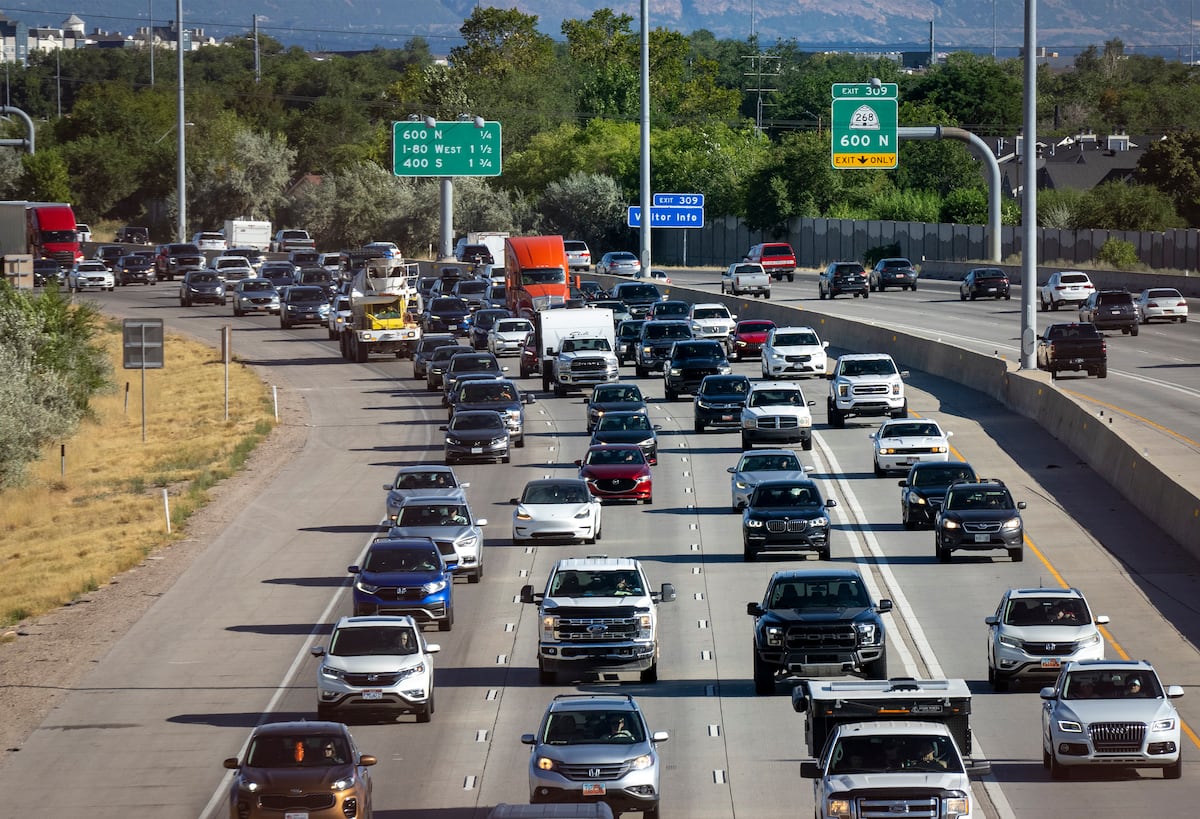


fromwww.businessinsider.com
1 month agoThe top places in the US where people are moving to
"Domestic migration patterns continue to redistribute the population from the largest counties to less populous ones. Collectively, the 50 counties with 1 million or more people in 2025 had a net domestic migration loss of 637,634."
California
fromenglish.elpais.com
1 month agoMore poverty, less travel and fewer jobs: what the world would be like with oil at $200
Fatih Birol, president of the International Energy Agency, warned that the war in Iran is the greatest threat to energy security in history, with analysts describing the situation as an Armageddon.
World news
World politics
fromNature
1 month agoNational statistics are in crisis around the world - and the impacts will be severe
Official statistics face a credibility crisis due to falling survey response rates and political undermining, threatening the data infrastructure that governments, businesses, and organizations rely on for decision-making.
fromBuzzFeed
2 months agoThis Viral Post About Why Millennials Aren't Having Kids Is Sparking A Massive Debate
I'm just going to say it: The whole kids versus no-kids debate isn't actually about kids. It's about resources. I feel like a considerable portion of our generation feels like we got rug-pulled by 'the system,' and understandably so. Hence, where we are today. Money, time, energy, emotions - everyone is feeling the squeeze, and that changes the mental calculus for everyone (as it should).
US news


fromwww.theguardian.com
2 months agoUK migration could be negative this year how will that hit the economy?
The latest official figures, released this week, documenting the number of visa applications to live and work in the UK showed a further slump in people successfully navigating the new rules. Only three years ago, annual net migration soared to almost 1 million. This year the number of people entering the UK could fall to such an extent that it drops below the number moving in the opposite direction, sending the figure for net migration below zero for the first time since 1993.
UK politics
fromwww.independent.co.uk
2 months agoNearly 23 million extra deaths worldwide by 2030 as aid cuts bite, study says
From reproductive rights to climate change to Big Tech, The Independent is on the ground when the story is developing. Whether it's investigating the financials of Elon Musk's pro-Trump PAC or producing our latest documentary, 'The A Word', which shines a light on the American women fighting for reproductive rights, we know how important it is to parse out the facts from the messaging. At such a critical moment in US history, we need reporters on the ground.
US politics
fromArchDaily
2 months agoMoving Capitals Across Global Contexts: From Strategic Planning to Environmental Necessity
Across history, the relocation of capital cities has often been associated with moments of political rupture, regime change, or symbolic nation-building. From Brasília to Islamabad, new capitals were frequently conceived as instruments of centralized power, territorial control, or ideological projection. In recent decades, however, a different set of drivers has begun to shape these decisions. Rather than security or representation alone, contemporary capital relocations are increasingly tied to structural pressures such as demographic concentration, infrastructural saturation, environmental risk, and long-term resource management.
World news


[ Load more ]