#press-freedom
#press-freedom
[ follow ]
#journalism #trump-administration #first-amendment #white-house-correspondents-dinner #media-relations
#journalism

US politics
fromwww.theguardian.com
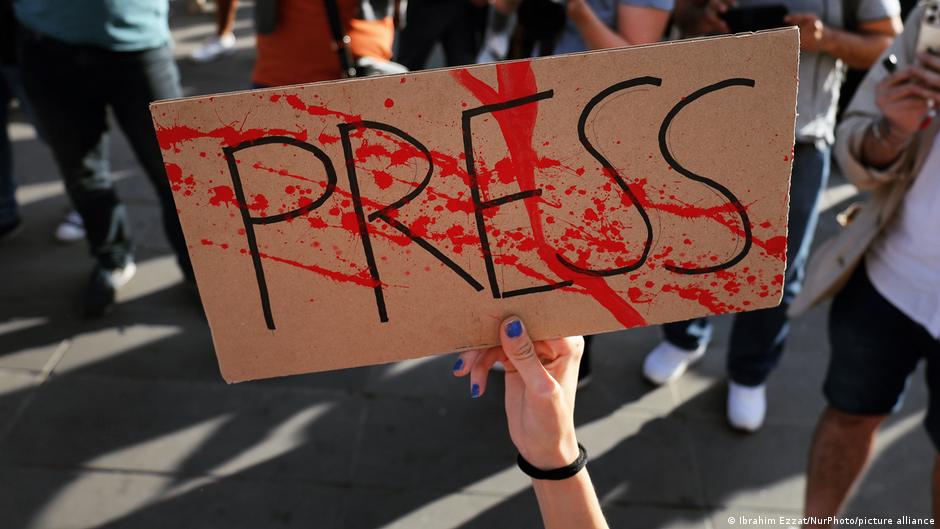
2 weeks agoA journalist filmed an ICE protest at a Minnesota church. Then federal agents showed up at her door
Journalist Georgia Fort livestreamed her arrest, highlighting concerns over press freedom and constitutional rights amid charges related to covering a protest.
US politics
fromwww.theguardian.com
2 weeks agoA journalist filmed an ICE protest at a Minnesota church. Then federal agents showed up at her door
Journalist Georgia Fort livestreamed her arrest, highlighting concerns over press freedom and constitutional rights amid charges related to covering a protest.

fromwww.aljazeera.com
5 days agoMaldives police raid news outlet over report alleging president's affair
The documentary, titled Aisha, featured an anonymized interview with a woman who claimed she had had a sexual relationship with Muizzu. The woman, a 22-year-old single mother, said the affair took place last year, shortly after she joined the President's Office as an administrator.
World news
#white-house-correspondents-dinner

Media industry
fromwww.mediaite.com
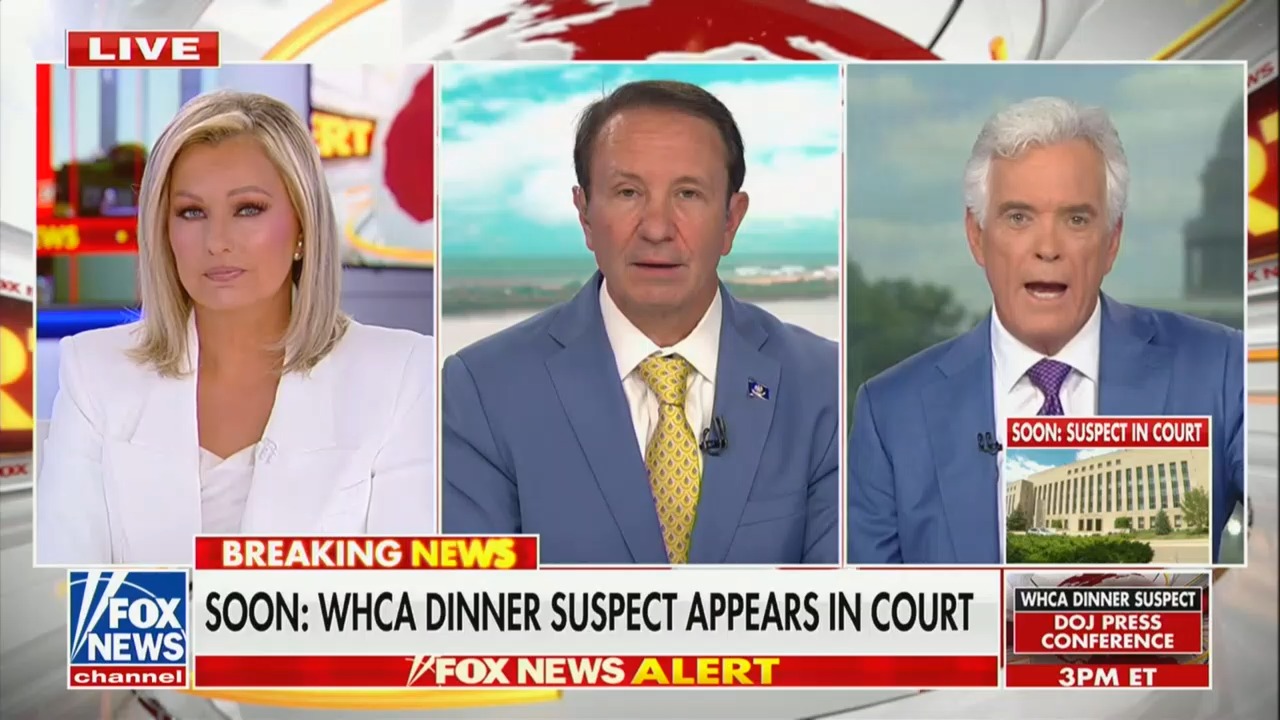
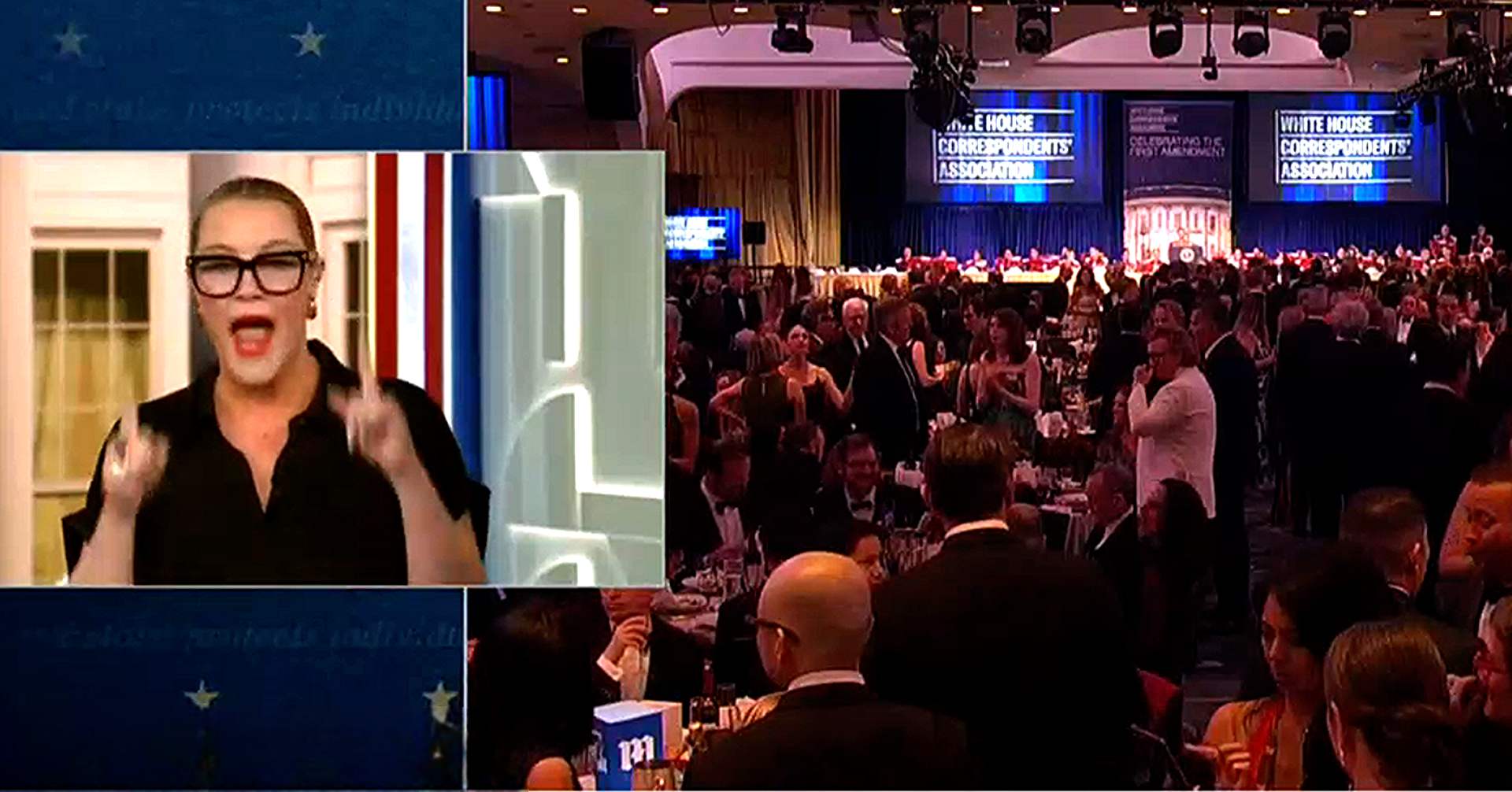
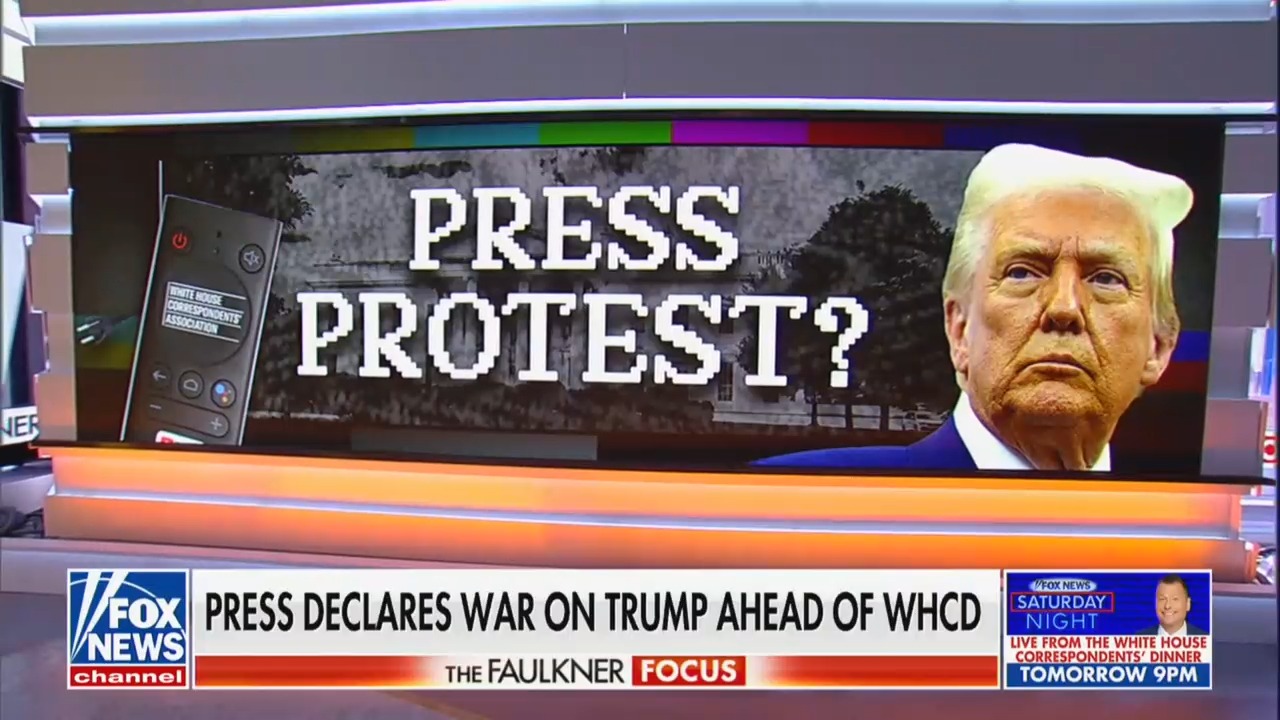
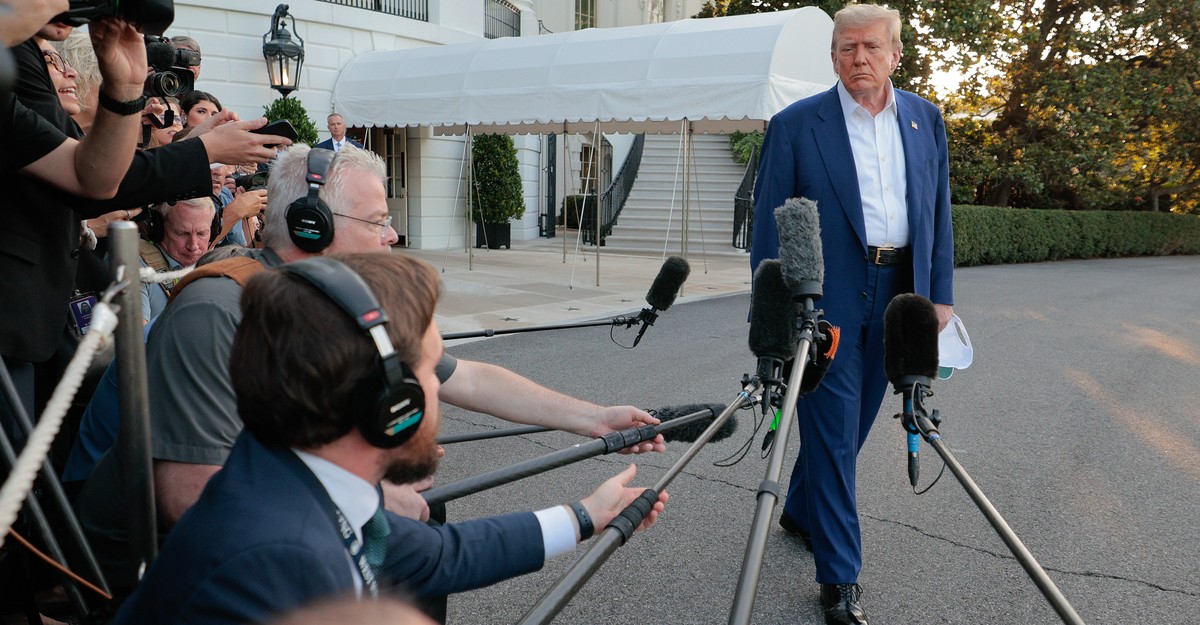
6 days agoGet Some Steel in Your Spine!' Fox's John Roberts Scorches Traumatized' Journos Skipping Rescheduled WHCD
John Roberts encourages journalists to attend the White House Correspondents' Dinner despite recent security concerns, emphasizing the importance of press freedom.
#pentagon
Media industry
fromDefector
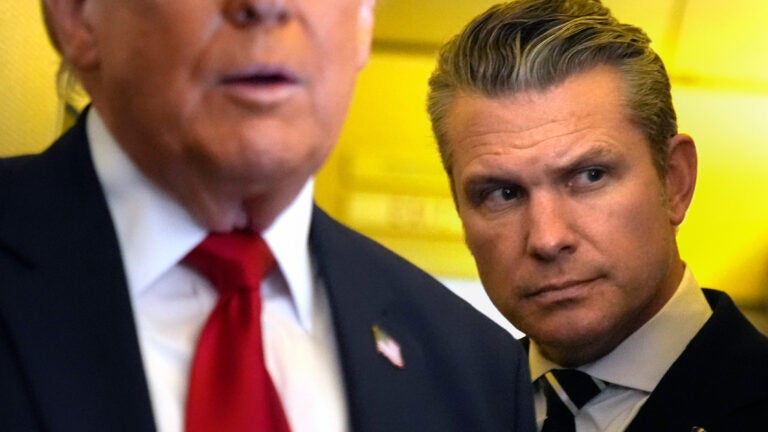
1 month agoReport: Unflattering Pictures Of Pete Hegseth Got Photographers Banned From Pentagon Briefings | Defector
Pentagon photographers from major news outlets were banned from press briefings after publishing photos deemed unflattering by Secretary of Defense Pete Hegseth's staff.
Higher education
fromPoynter
2 weeks agoStudent journalists may produce a quarter million bylines a year. Here's what that looks like - Poynter
Student journalists are actively producing a significant volume of work, contributing to campus life and press freedom despite challenges faced by student media.
fromwww.aljazeera.com
3 weeks agoIraqi armed group releases abducted US journalist Shelly Kittleson
Kataib Hezbollah stated that Kittleson would be freed on the condition that she leave Iraq immediately. An anonymous Iraqi official confirmed her release to The Associated Press on Tuesday afternoon.
World news
#trump-administration
Media industry
fromwww.theguardian.com
1 month agoTrump now calls war reporting treason'. His attacks on the press are escalating fast | Margaret Sullivan
Trump escalates attacks on press freedom, demanding docile media coverage and threatening treason charges against news organizations reporting critically on his policies.
Media industry
fromwww.mediaite.com
1 month agoTrump Brags About Hurting the Press, Megyn KellySize Queen?
The Iran war is prompting the Trump administration to pressure and restrict press access, while simultaneously reshaping media industry dynamics and internal conflicts within conservative media outlets.
Media industry
fromwww.mediaite.com
1 month agoONE SHEET: Trump's FCC Goes to War, Tucker vs MAGA, Murdoch's War Empire and more!
Trump's administration launched a coordinated attack on media freedom, threatening broadcast licenses and calling war reporters treasonous while promoting a hostile takeover of CNN.
Media industry
fromwww.theguardian.com
1 month agoTrump now calls war reporting treason'. His attacks on the press are escalating fast | Margaret Sullivan
Trump escalates attacks on press freedom, demanding docile media coverage and threatening treason charges against news organizations reporting critically on his policies.
Media industry
fromwww.mediaite.com
1 month agoTrump Brags About Hurting the Press, Megyn KellySize Queen?
The Iran war is prompting the Trump administration to pressure and restrict press access, while simultaneously reshaping media industry dynamics and internal conflicts within conservative media outlets.
Media industry
fromwww.mediaite.com
1 month agoONE SHEET: Trump's FCC Goes to War, Tucker vs MAGA, Murdoch's War Empire and more!
Trump's administration launched a coordinated attack on media freedom, threatening broadcast licenses and calling war reporters treasonous while promoting a hostile takeover of CNN.
#immigration
US news
fromenglish.elpais.com
1 month agoJournalist Estefany Rodriguez released from ICE custody on bond as the legal battle over her arrest continues
Estefany Rodriguez, a Colombian journalist, was released from ICE custody after over two weeks, highlighting issues of press freedom and immigration in the US.
#prediction-markets

Media industry
fromwww.mediaite.com
1 month agoONE SHEET: Betting Markets Threaten Journalists, Big DC Media Bet, CBS Ratings Dip
Gamblers on prediction markets threatened a journalist to alter reporting on an Iranian missile strike to win their bets, raising concerns about press freedom and platform integrity.
Media industry
fromwww.mediaite.com
1 month agoONE SHEET: Betting Markets Threaten Journalists, Big DC Media Bet, CBS Ratings Dip
Gamblers on prediction markets threatened a journalist to alter reporting on an Iranian missile strike to win their bets, raising concerns about press freedom and platform integrity.
fromwww.mediaite.com
1 month agoWATCH: Alleged Israeli Strike Lands Right Next to Russian State Media Reporter
Sweeney and Rida were both allegedly hospitalized with shrapnel injuries, with Rida claiming they had been deliberately attacked by Israeli forces while conducting a news report, despite being clearly marked in press vests.
Russo-Ukrainian War
fromwww.mediaite.com
1 month agoThe Pentagon Blocked Its Own Publication From Attending Pete Hegseth's Press Conference, Reporter Says
The Pentagon blackballed its own newspaper from covering its own press conference? Reminder, Stars & Stripes employees are US Army civilians. Their editorial independence is protected by Congress specifically to prevent political leaders from feeding troops propaganda.
Media industry
US news
fromenglish.elpais.com
1 month agoICE continues to detain Colombian journalist Estefany Rodriguez despite a judge's order for her release on bail
Colombian journalist Estefany Rodriguez remains in ICE custody despite an immigration judge ordering her release on bail, after authorities appealed the decision, raising concerns about press freedom and detention conditions.
US politics
fromwww.mediaite.com
1 month agoStephen A. Smith Slams Pete Hegseth's War on the Media: Why Not Just Ask the Press to Wear Pom Poms!'
ESPN commentator Stephen A. Smith criticized Defense Secretary Pete Hegseth for attacking journalists and dismissing legitimate press questions as anti-Trump bias rather than professional inquiry.
#fcc-regulation
Media industry
fromFast Company
1 month agoCould the government pull a TV station off the air over its news coverage? Trump's comments raise the question
The Trump administration threatened broadcast licenses of news organizations over Iran war coverage, but legal experts say these threats lack enforceable legal basis.
Media industry
fromArs Technica
1 month agoTrump and his FCC chair demand more positive news coverage of Iran war
FCC Chairman Carr threatens to revoke broadcast licenses for alleged 'hoaxes and news distortions' regarding Iran war coverage without providing evidence, following Trump's complaints about media coverage.
Media industry
fromwww.mediaite.com
1 month agoStop Posing for the President!' Joe Scarborough Slams FCC Chair for Embarrassing' Threats Over Media's Tough' Iran Questions
FCC Chair Brendan Carr warned broadcasters of license renewal consequences for reporting he deemed fake news regarding Iran conflict, prompting criticism from media figures over press freedom threats.
Media industry
fromBusiness Insider
1 month agoFCC chair threatens to pull licenses of broadcasters airing 'distortions' about the Iran war
FCC Chair Brendan Carr threatened to revoke broadcasters' licenses for airing misleading coverage of the Iran war, citing the requirement that broadcasters operate in the public interest.
Media industry
fromwww.theguardian.com
1 month agoTrump's FCC chair wants American media to work like Iran's state TV | Caitlin Vogus
FCC Chair Brendan Carr threatens to revoke broadcaster licenses for reporting Trump dislikes, using legally baseless threats to suppress critical news coverage and discourage media scrutiny of the Trump administration.
US politics
fromTruthout
1 month agoTrump Floats Treason Charges Against Media Outlets Over Iran War Coverage
President Trump threatened treason charges against media outlets reporting on Iran war casualties and damage, while the FCC chair threatened to revoke broadcasting licenses of outlets accused of spreading hoaxes.
Media industry
fromPoynter
1 month agoTrump and his FCC chair are barking at the press. Even without a bite, the threat matters. - Poynter
Trump administration officials threaten press freedom by intimidating journalists and networks over coverage of unpopular military conflicts, undermining democratic accountability.
World news
fromRadioFreeEurope/RadioLiberty
1 month agoJournalists Detained As Kazakhstan Holds Controversial Referendum
Kazakhstan held a controversial constitutional referendum on March 15 proposing sweeping political changes that concentrate presidential power while restricting press freedom and parliamentary oversight.
Media industry
fromwww.theguardian.com
1 month agoFCC chair threatens to throttle news broadcasts over hoaxes' about Iran war
FCC Chair Brendan Carr threatened to revoke broadcasting licenses of outlets he claims spread hoaxes and news distortions, citing the public interest requirement under the Communications Act.
Media industry
fromwww.mediaite.com
1 month agoBrendan Carr Threatens Media Licenses After Trump Complaints
FCC Chair Brendan Carr threatened to revoke broadcaster licenses for spreading fake news and misleading coverage, citing low public trust in legacy media and broadcasters' obligation to serve the public interest.
US politics
fromwww.mediaite.com
1 month agoMS NOW's Jen Psaki Bashes Hegseth With Booze-Soaked Video Receipt in Rant on Unflattering Photo' Ban
The Pentagon banned press photographers from briefing rooms after unflattering photos of Secretary of Defense Pete Hegseth emerged during a briefing about potential military action in Iran.
US politics
fromQueerty
1 month agoInsiders claim "Unflattering" photos of Pete 'Petty' Hegseth prompt Pentagon to take action - Queerty
The Pentagon barred press photographers from Iran briefings after deeming photos of Secretary Hegseth 'unflattering,' restricting media access to only official department photographers.
fromPoynter
1 month agoYou won't believe why the Pentagon barred photographers from its briefings - Poynter
The Defense Department has barred press photographers from briefings on the ongoing U.S.-Israeli military conflict with Iran after they published photos of Defense Secretary Pete Hegseth that his staff deemed 'unflattering,' according to two people familiar with the decision who spoke on the condition of anonymity out of fear of retaliation.
US politics
#immigration-enforcement


US politics
fromenglish.elpais.com
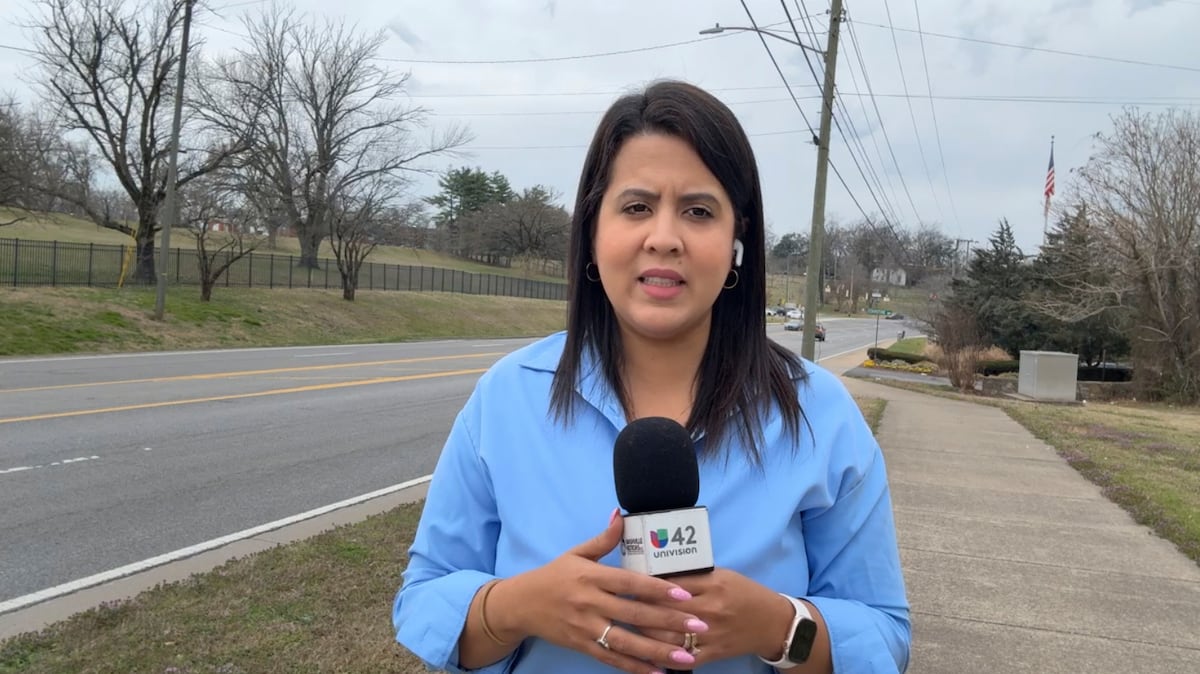
1 month agoThe battle of Estefany Rodriguez, the journalist who covered immigration in Tennessee and ended up detained by ICE
Colombian journalist Estefany Rodriguez was detained by immigration agents in Tennessee; her legal team claims the arrest was retaliation for her ICE coverage rather than routine immigration enforcement.
fromPoynter
1 month agoAn Indiana public records fight went to court. The journalists (and the public) won. - Poynter
Public records allow citizens and journalists to hold those in power accountable to us, the people of Indiana. We can see how our government is spending money, who benefits and who is adversely impacted. Kelly pursued the records on executions so her readership could more clearly see what executions were costing the state.
Law
fromwww.aljazeera.com
1 month agoIsraeli forces kill Palestinian journalist Amal Shamali in Gaza attack
More than 270 journalists and media workers have been killed in Gaza since Israel launched a genocidal war against Palestinians in the territory on October 7, 2023, in response to Hamas-led attacks on southern Israel. This represents one of the bloodiest periods for journalists in modern history, reflecting the scale of the deliberate targeting of Palestinian journalism in an attempt to silence the voice of truth and prevent the documentation of the crimes and violations committed against the Palestinian people.
Media industry
[ Load more ]