#public-cultural-institutions
#public-cultural-institutions
[ follow ]
#san-francisco #architecture #community-engagement #contemporary-art #cultural-institutions #art #ybca
fromBrooklyn Paper
4 hours agoNew York City's first Trans Art Fest showcases, connects and empowers trans artists * Brooklyn Paper
Carter Shocket stated, 'They kind of felt like they happened and then they were over, like it wasn't a long-lasting kind of project. It was just a flash-in-the-pan kind of thing.'
Brooklyn

SF LGBT
fromLGBTQ Nation
2 days agoA librarian was fired for refusing to hide LGBTQ+ books from kids. Then something amazing happened. - LGBTQ Nation
Library director Luanne James was fired for refusing to remove LGBTQ+ books from youth access, sparking significant community support and fundraising efforts.

Media industry
fromNonprofit Quarterly | Civic News. Empowering Nonprofits. Advancing Justice.
6 days agoPolitics in an Attention Economy | Nonprofit Quarterly | Civic News. Empowering Nonprofits. Advancing Justice.
Candidates must be cultural figures to succeed in today's American politics, navigating an attention economy shaped by algorithms.
fromWashingtonian - The website that Washington lives by.
6 days agoTrump's Interference With DC Arts Is a Boon to Baltimore
The Baltimore Museum of Art landed her highly anticipated exhibition, 'Amy Sherald: American Sublime,' after the painter pulled her show from the National Portrait Gallery due to concerns over censorship. The exhibit has been a significant hit at the BMA: It was completely sold out by late February.
Washington DC
fromBrooklyn Paper
4 days agoFrom happy hours to orchestra concerts, Brooklyn Museum unveils April lineup of community programming * Brooklyn Paper
April's lineup at the Brooklyn Museum includes programs around 'Seydou Keïta: A Tactile Lens,' designed for accessibility and interactivity, featuring stroller tours for caregivers and infants.
Brooklyn
fromArchDaily
5 days agoThe Illusion of Lightness: Designing Civic Voids for Public Life
The original intent of pilotis was to create a sense of lightness that would allow circulation and light to flow beneath a structure, but contemporary requirements render thin columns insufficient for large-scale civic projects.
Renovation
Arts
fromThe Art Newspaper - International art news and events
4 hours agoOverdue payments to artists, landlords and workers at a popular gallery reflect pressures squeezing the dealer sector
Los Angeles's art week features numerous exhibitions and events, highlighting the challenges faced by galleries like The Hole amid changing market conditions.
Design
fromdesignboom | architecture & design magazine
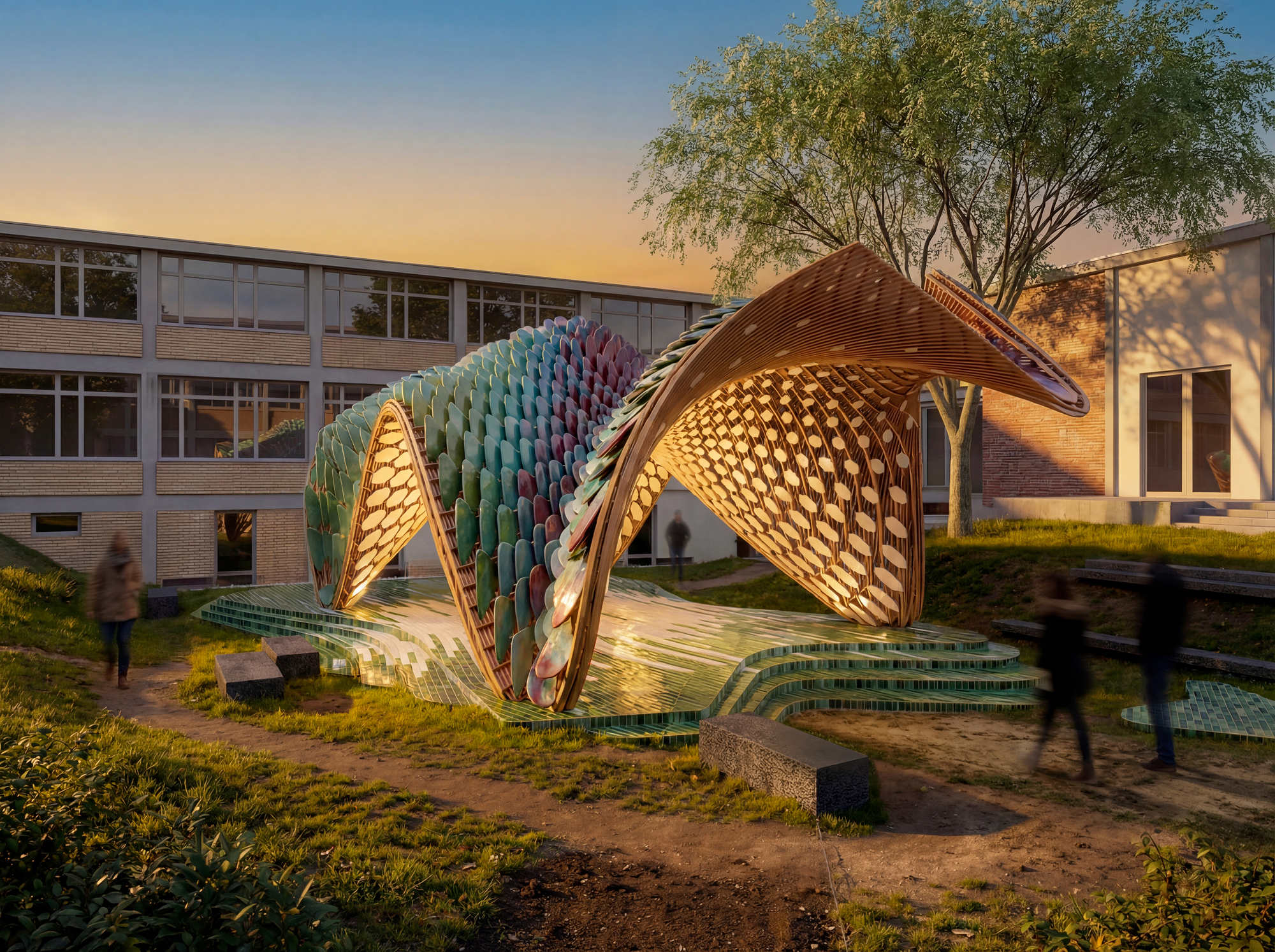
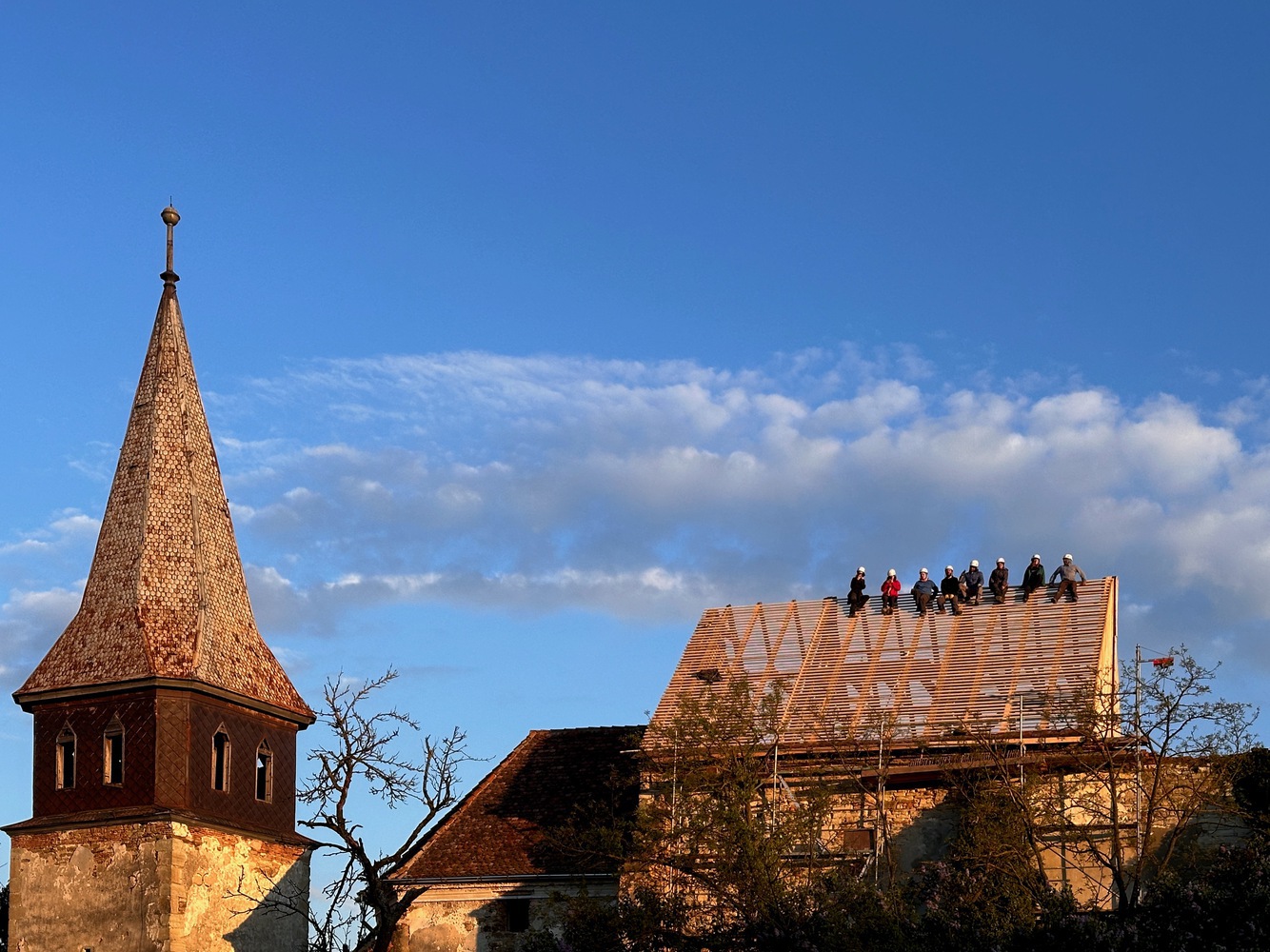
4 days agoreversible cultural pavilion activates public space in frankfurt 2026
Spain's pavilion for World Design Capital 2026 emphasizes reversible cultural infrastructure and sustainable design through innovative materials and construction methods.

fromArchDaily
1 month agoArchiving the Technosphere: How Museum Architecture Mediates Human-Made Systems
The contemporary technology museum has emerged as a performative participant in the systems it seeks to document. The architecture of these institutions has become increasingly fluid and bold, often mirroring the velocity and complexity of the systems it houses. They operate as mediators between the human, the ecological, and the technological realms, transforming from encyclopedic warehouses into active educational engines.
Science
Renovation
fromFast Company
3 weeks agoNew York City is giving its iconic Carnegie Libraries a makeover
New York Public Library completed a $176 million renovation of five Carnegie Libraries, establishing climate-sensitive design standards as models for balancing historic preservation with contemporary community needs.
Arts
fromThe Art Newspaper - International art news and events
3 days agoShould English museums charge tourists? Plus, Raphael at the Met and Senga Nengudi at the Whitechapel Gallery-podcast
The UK government is considering charging tourists for entry to national museums, challenging the current policy of free admission.
Education
fromArchDaily
1 month agoWhen the School Becomes the City: Community-Centered Projects in the Global South
School architecture functions as a catalyst for social transformation by creating multifunctional civic spaces that integrate education, culture, sports, and community engagement within urban territories.
fromThe Art Newspaper - International art news and events
1 week agoComment | Museums must be the leaders in a moral revolution
Bregman claims, 'Today the whole of Europe risks turning into one big Venice, a beautiful open-air museum. A great destination for Chinese and American tourists. A place to admire what was once the centre of the world.' This statement encapsulates the concern that Europe is losing its cultural significance.
Arts
fromMission Local
2 months agoS.F. Mayor Lurie is 'committed to the future' of Mission Cultural Center site but offers few details
For 50 years, the non-profit MCCLA at 25th and Mission has run arts programming from the four-story building it leased from the city for a dollar a year. The Arts Commission has also given them funding, with the expectation that they will raise more funds from donors, classes and events. This month, however, the Mission Cultural Center ran out of money and on Jan. 26 it closed indefinitely.
SF politics
Arts
fromHyperallergic
3 weeks agoMeet the Woman Who Made Museums More Accessible
Lorena Bradford, the National Gallery of Art's first head of Accessible Programs, transformed museum accessibility by creating intentional programs for disabled visitors, including ASL tours, memory loss programs, and medical student training initiatives.
Arts
fromThe Art Newspaper - International art news and events
3 weeks agoComment | Why museum leadership needs to decentralise
Traditional museum leadership models are failing under contemporary pressures, requiring a fundamental shift from centralized, individual authority to distributed, collaborative leadership structures.
fromArchDaily
1 month agoShaping Architectural Continuity: 25 Revitalization Projects Across Historic, Industrial, and Natural Sites
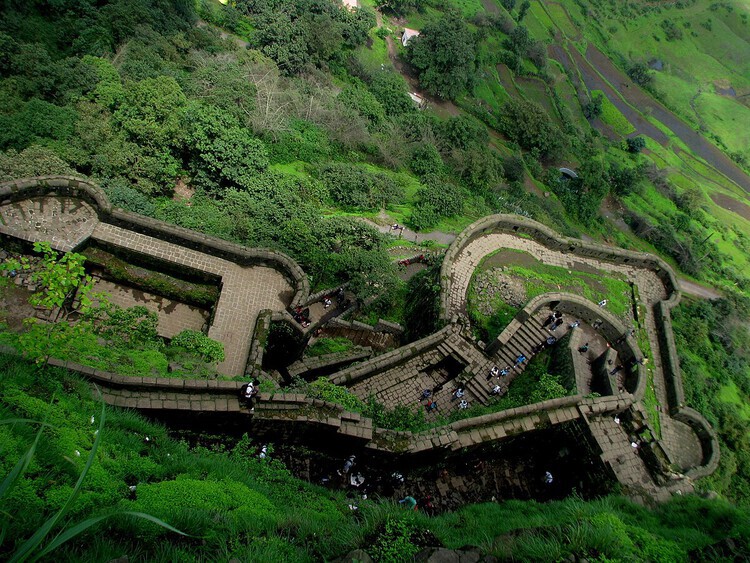
Heritage sites constitute complex spatial archives in which architecture, history, and collective memory converge. They encompass a wide spectrum of contexts-from archaeological remains, ancient and historic townscapes, UNESCO-listed landscapes, to early modern civic structures and industrial infrastructures. Yet these environments confront challenges: climate change, urban transformation, disaster, shifting social needs, and the gradual erosion of material fabric. Revitalization and restoration projects respond to these conditions by positioning architectural and spatial practice as an active mediator between preservation and the contemporary topologies.
Renovation
fromArchDaily
1 month agoHeritage Without Permanence: When Architecture Endures by Disappearing
A Gothic cathedral can take centuries to complete. A world exposition pavilion may stand for six months. A ritual structure in Kolkata rises and vanishes within five days. Yet each draws pilgrimage, shapes collective memory, and reorganizes urban life. If heritage has long been defined by what endures, architecture repeatedly shows that cultural authority can also belong to what gathers people.
Design
fromArchDaily
2 months agoDesigning Streets Through the Lens of Care
Jane Jacobs was also one of the voices that challenged this predominantly rationalist logic, arguing that truly vibrant streets are those capable of sustaining the diversity of everyday life, its informal exchanges, and the forms of care and natural surveillance that emerge from them. What these authors share is a fundamental insight: streets are not merely infrastructures for circulation, but social ecosystems, shaped by the relationships, uses, and encounters that take place within them.
Design
Arts
fromThe Art Newspaper - International art news and events
3 months agoHow UK museums are embracing citizens' assemblies to help frame their futures
UK museums are using citizens' assemblies to involve the public in shaping institutional policy, priorities and funding decisions, leveraging museums' public trust.
fromHyperallergic
1 month agoThe Commissioner We Need
It's impossible to imagine New York City without art, or contemporary art without New York City. This is where you come to see the best of the best, or to take part in making it. This country's international standing is down in the gutter, thanks to Trump, but this city is still a living, rolling dream. Right now, we're waiting to see who's going to be Mayor Mamdani's pick for cultural affairs commissioner. It's an important role that determines where the city's budget priorities will lie and who'll get a seat at the table. Gonzalo Casals, who served as culture commissioner under Mayor de Blasio, and Mauricio Delfín, who co-directs the Culture & Arts Policy Institute with Casals, have some urgent thoughts on the matter. It's a must-read not just for Zohran (send him a link if you're on texting terms), but for everyone who cares about art in this city.
Arts
[ Load more ]