The effort comes as competition for AI talent intensifies worldwide and tech workers in the US grapple with layoffs, burnout, and visa complications. According to BCG's 2024 talent tracker report, the US remained dominant in attracting AI talent worldwide. Already known for its tech scene, Finland, with a population of around 5.6 million, is positioning itself as a place where American tech workers can find a better work-life balance without sacrificing their careers - a notable contrast to the famous grindset of Silicon Valley.

A team based at the University of Vienna put individual clusters of around 7,000 atoms of sodium metal some 8 nanometres wide into a superposition of different locations, each spaced 133 nanometres apart. Rather than shoot through the experimental set up like a billiard ball, each chunky cluster behaved like a wave, spreading out into a superposition of spatially distinct paths and then interfering to form a pattern researchers could detect.
Cisco aims to "build high-fidelity quantum networks to unlock the potential for large-scale quantum data centers," Kompella told Telecompetitor in an interview. The company is working closely with IBM on the research, with IBM's role focused primarily on the computing side, while Cisco tackles the networking side. Quantum computers use concepts of quantum physics. They're more powerful than traditional non-quantum computers, known in quantum jargon as "classical" computers. But, as of today, there is no way to network quantum computers.

I have been thinking about the future and how we might respond to it. We are sliding into a period of transition like no other, most likely triggered in three waves; AI, quantum computing and the brain computer interface. Artists have a role to look into the mists and, when they catch sight of something, to hold up a mirror.
Nowadays, we're told quantum computing will be the next big thing. All with the ability to solve problems far too complex for typical computers within minutes, or even seconds. In fact, "Overall, the global quantum computing market is expected to grow from $1.6 billion in 2025 to $7.3 billion by 2030, according to BCC Research. That represents a compound annual growth rate of 34.6% over the next five years," added U.S. News & World Report.
If you don't mind peering through a sheet of glass, you can see a Quantum Computer at IBM's office in Waterloo. Known as the IBM Quantum System One, it is the first circuit-based commercial quantum computer, launched by IBM in January 2019. Quantum computers are capable of using the weird world of quantum physics and simplistically, where a standard computer bit can be either a binary One or Zero, a quantum computer can be both at the same time.
In this week's edition of Computer Weekly, we take a closer look at reports of low workplace morale within the Police Digital Service, as its staff eagerly await the outcome of the long-promised Home Office's policing reform whitepaper. Jérôme Goulard, the chief sustainability officer of Orange Business, talks us through the work he is doing to balance business objectives with IT sustainability within the organisation.
On Friday, Quantum Computing Inc. released its third-quarter 2025 financials-and the company announced an unexpected earnings and revenue beat. As noted by Investor's Business Daily, Quantum Computing reported earnings per share of 1 cent. Investors had been expecting the company to post a 6-cent-per-share loss. The company also reported revenue for the quarter of $384,000. Analysts had been expecting revenue of just $100,000.
"Government intervention in the economy in the name of national security is most clearly warranted in cases of market failure," a new report from a bipartisan task force organized by the Council on Foreign Relations says. "Today, the market failures that loom largest for U.S. national security are shortfalls of private capital in strategically important areas and over-concentration of critical supply chains in unfriendly countries," the report adds.
Instead of looking for the "next" artificial intelligence (AI) stock, some traders are turning to quantum computing stocks for big price moves. Among the best-known publicly listed quantum computing firms is Rigetti Computing ( NASDAQ:RGTI), and its stock is trending right now. There's even talk that AI technology king NVIDIA ( NASDAQ:NVDA) is getting involved in the quantum computing field. So, you may be ready to hit the "buy" button and load up on RGTI shares - but not so fast.
has been on a rally that exceeded bullish expectations several times over. This is largely thanks to the company's management pulling off a PR offensive and then turning it into a windfall for the company's balance sheet. In turn, investors got even more bullish, and QBTS stock has been on a relentless rally. All that said, the past month has been less bullish. QBTS stock is only up 1.2% in the past month after falling from its peak.
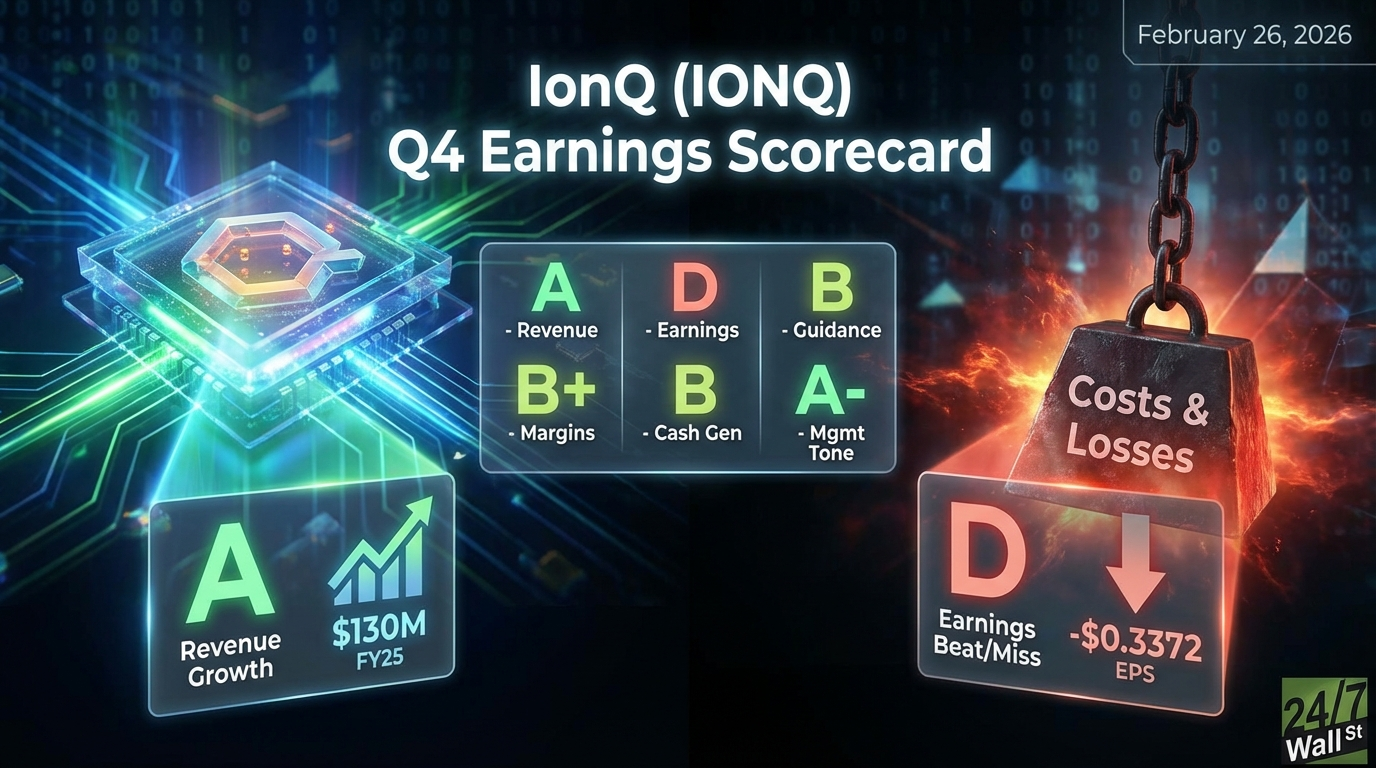
Quantum computing stocks continue to rebound following a Wall Street Journal article yesterday detailing potential U.S. government equity investments in the sector. The report outlined early discussions with the Commerce Dept., where firms could trade shares for at least $10 million each in federal funds. The story ignited investor excitement after consecutive days of declining stock prices, with QBTS, RGTI, IONQ, and QUBT all racing higher by double-digit percentages.
A recent Wall Street Journal report has sparked major renewed interest in the quantum computing sector, claiming that President Trump is pushing for the U.S. government to acquire ownership stakes in several key players. According to the Journal, discussions involve Rigetti Computing ( NASDAQ:RGTI ), D-Wave Quantum ( ), IonQ ( ), and Quantum Computing ( NASDAQ:QUBT ), with each company potentially receiving federal funding in exchange for equity. The report suggests this move aims to bolster U.S. leadership in quantum technology amid global competition.
Last night, the Wall Street Journal reported that the U.S. Commerce Department was in talks with "several" quantum computing companies over equity stakes in those firms in return for federal funding. Specifically, the Journal said D-Wave, IonQ, and Rigetti were in discussions with the federal government about the matter. The report stated that Quantum Computing Inc. and the privately held Atom Computing were "considering similar arrangements."
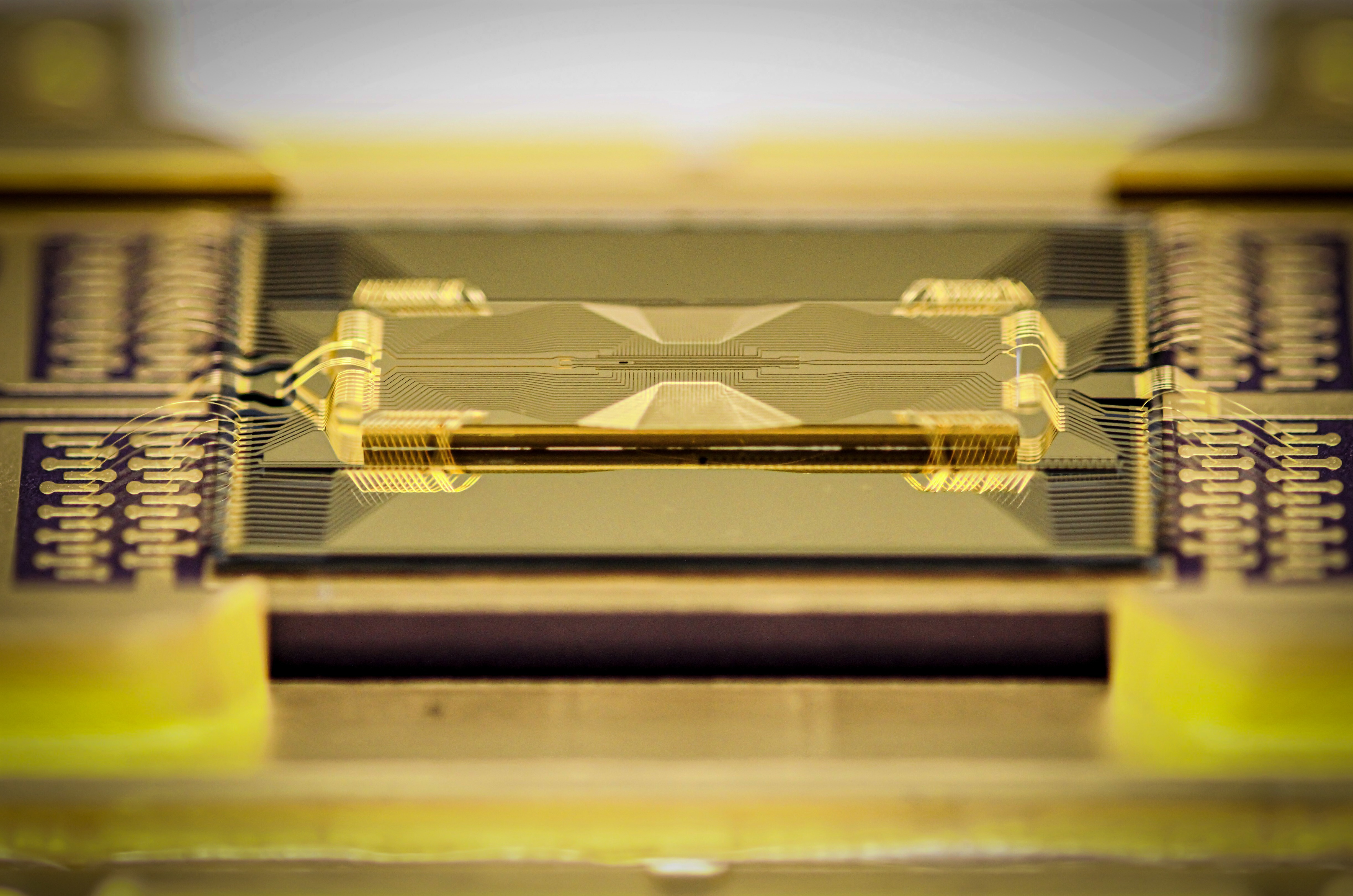
Quantum computers are still in their infancy. Presently limited to 100 or so error-prone qubits, the quantum equivalents to classical bits, they are far from supreme calculating machines that are capable of exactly simulating chemical reactions and more. Quantum theorists and experimenters are working within these constraints to find feasible tasks for their devices to show an advantage over the performance of classical computers.
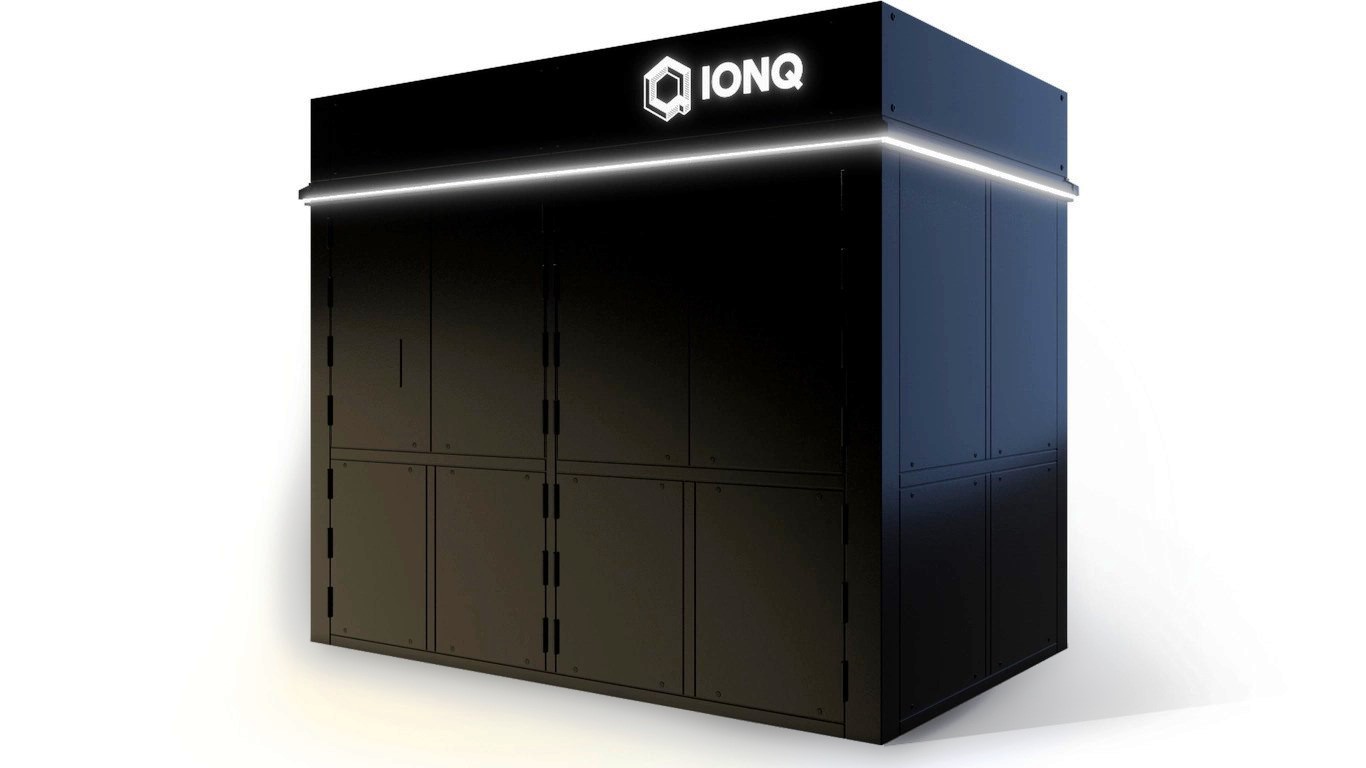
U.S. quantum computing firm D-Wave Quantum has struck a deal with a company called Swiss Quantum Technology (SQT) to bring D-Wave's Advantage2 quantum computer to Europe. The deal, which amounts to €10 million ($11.63 million), will see D-Wave's quantum computer deployed in Italy, where it will play a role in supporting the Italians' efforts toward large-scale digital transformation, D-Wave announced on Wednesday. It will be part of a joint effort-collectively called the "Q-Alliance"-between D-Wave and IonQ, another American quantum computing company.