Education
fromFast Company
8 hours agoThe future of AI in schools isn't personalized learning
Personalized learning through AI often results in device-mediated instruction, lacking the essential role of teachers in student development.
Research has shown there is a reading for pleasure crisis among children in the UK, where enjoyment of books has fallen to its lowest level in two decades. Not so here at Christ Church primary, a tiny Church of England school tucked behind the maze of HS2 construction works in Camden, north London, where children fizz with excitement about books.
Librarians have been actively collaborating and talking about it almost every day, whether it's creating tutorials and digital learning objectives or thinking about the conversations to have with instructors. It can feel like cognitive dissonance to be actively working with AI on a regular basis and also saying we're constantly thinking about the harms and the biases.
The assumption that difficulty with reading or writing signals lower intelligence or diminished leadership ability is not supported by evidence. Decades of research show little to no correlation between dyslexia and lower general intelligence.
Collective learning is how a group or system creates, improves, and keeps knowledge. This knowledge lasts beyond any one person or cohort. That is the most practical collective learning definition, because it shifts the focus away from individuals and toward the learning system itself.
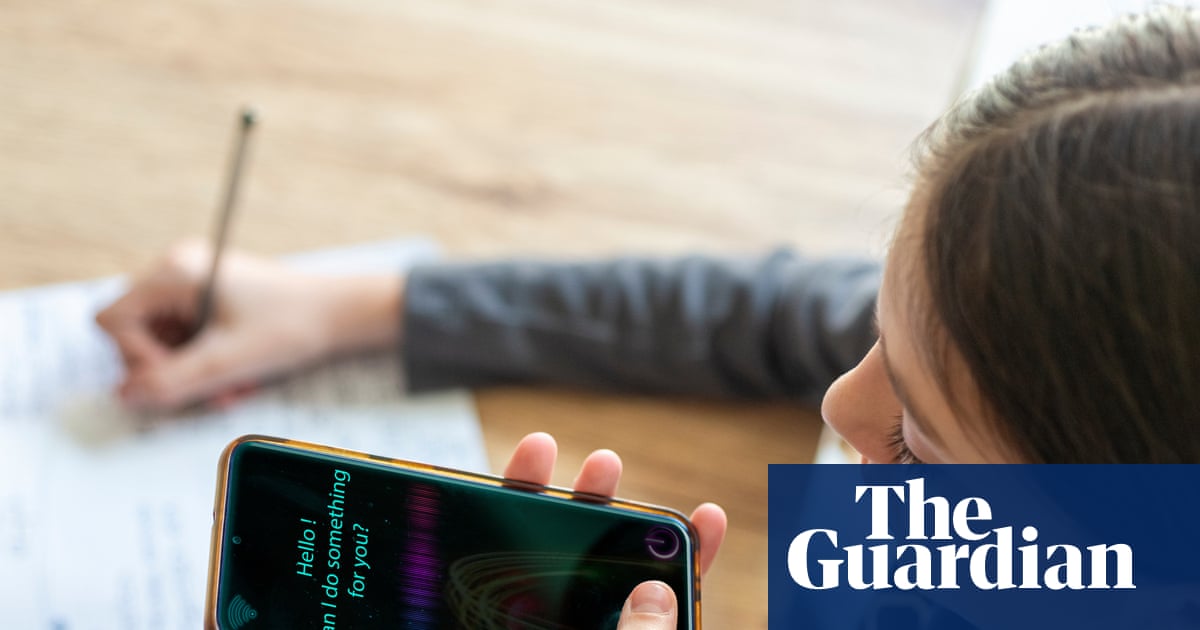
Rather than using the visual word form area in the reading brain, where images of correct spellings are stored in long-term memory for automatic proficient reading and composing, kids use technology tools, eliminating human thinking and making the machine do the work. These tools can circumvent cognitive processes, hindering elementary students from developing a large bank of correctly spelled words essential for automatic reading and literacy.
The average American checks their phone over 140 times a day, clocking an average of 4.5 hours of daily use, with 57% of people admitting they're "addicted" to their phone. Tech companies, influencers, and other content creators compete for all that attention, which has incentivized the rise of misinformation. Considering this challenging information landscape, strong critical reading skills are as relevant and necessary as they've ever been.
The most exciting moments for a teacher come when students stumble onto something unexpected-when they run to my office to tell me about a new twist in their thinking about birds in Sula or the discovery of yet another biblical reflection in Housekeeping. Those revelations come only when they survey the text as it is, not as they assume it to be.