#repaving
#repaving
[ follow ]
#infrastructure #new-york-city #transportation #urban-planning #potholes #linden-boulevard #brooklyn
fromPortland Mercury
15 hours agoPortland Moves To Shake Up Transportation Funding With New Utility Fee - Portland Mercury
"Over the last year, our committee set out to learn about asset management and the state of one of our most important assets, which is our streets and our roads. We learned that our streets are riddled with potholes, and many of the streets are failing. The condition has worsened over the last five years. We learned that if we do not act now to address the degradation of our streets, it will continue to worsen."
Portland
fromFast Company
2 days agoWe made flying nearly collision-proof decades ago. Why are intersections still so dangerous?
The real problem is infrastructure, not vehicle safety. Roadways are open systems with infinite variables—weather, pedestrians, distracted drivers, and aging infrastructure. Communication between vehicles is minimal, and infrastructure is largely silent—and in that gap lies the potential for deadly collisions.
Alternative transportation


New York City
fromStreetsblog New York City
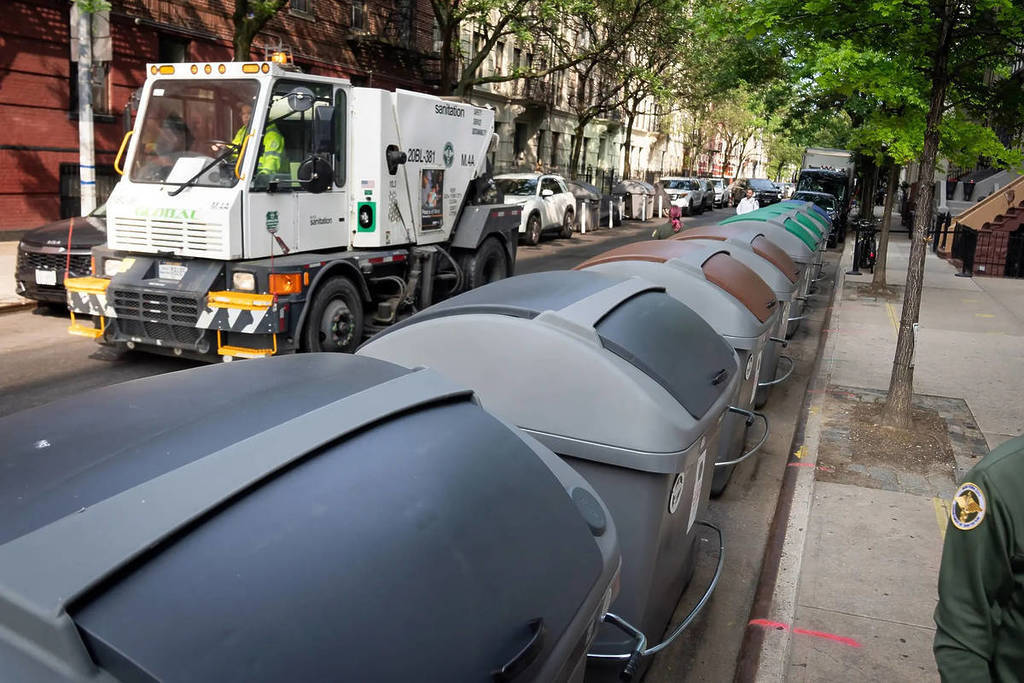
2 days agoTwo Little Too Late: Mamdani Shifts Private Carting Reforms Toward Safety for Last Two Contracts - Streetsblog New York City
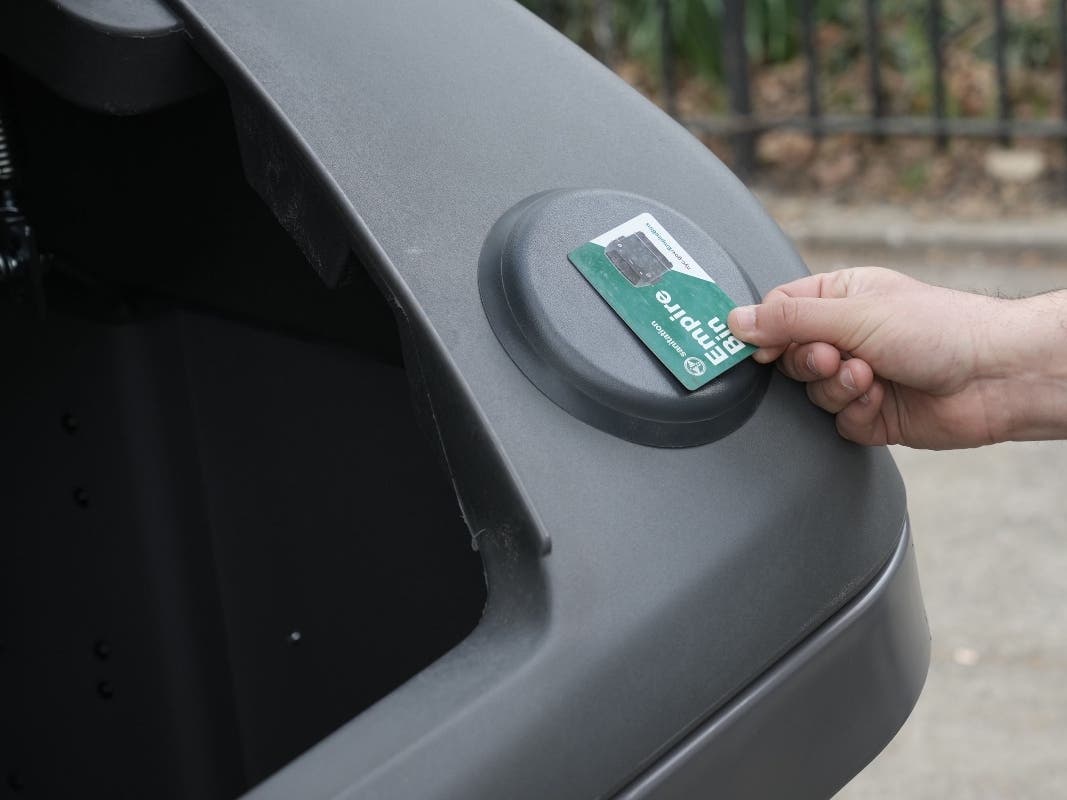
Mayor Mamdani will prioritize safety and mileage in awarding commercial waste zone contracts, shifting focus from price to safety records.
fromStreetsblog New York City
4 days agoTuesday's Headlines: Cops Are Doing It Wrong Edition - Streetsblog New York City
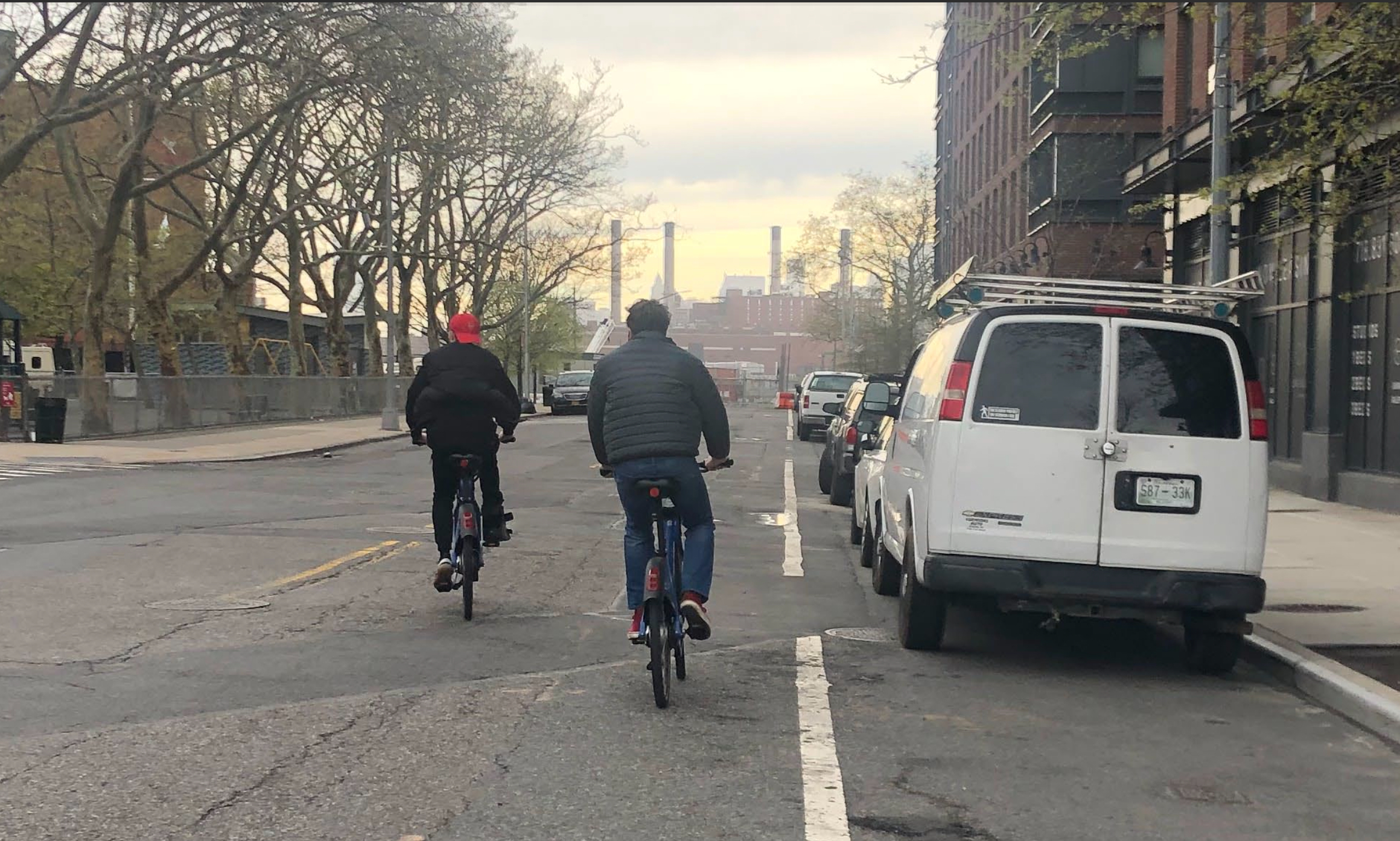
A state judge has ruled that every red-light ticket written to a cyclist under the state's vehicle and traffic law since 2019 is bogus. The city legalized the practice of biking through a red light on a pedestrian 'walk' signal, yet NYPD cops have been wrongly writing tickets for cyclists who go through the 'red' on the walk signal.
New York City
fromEarth911
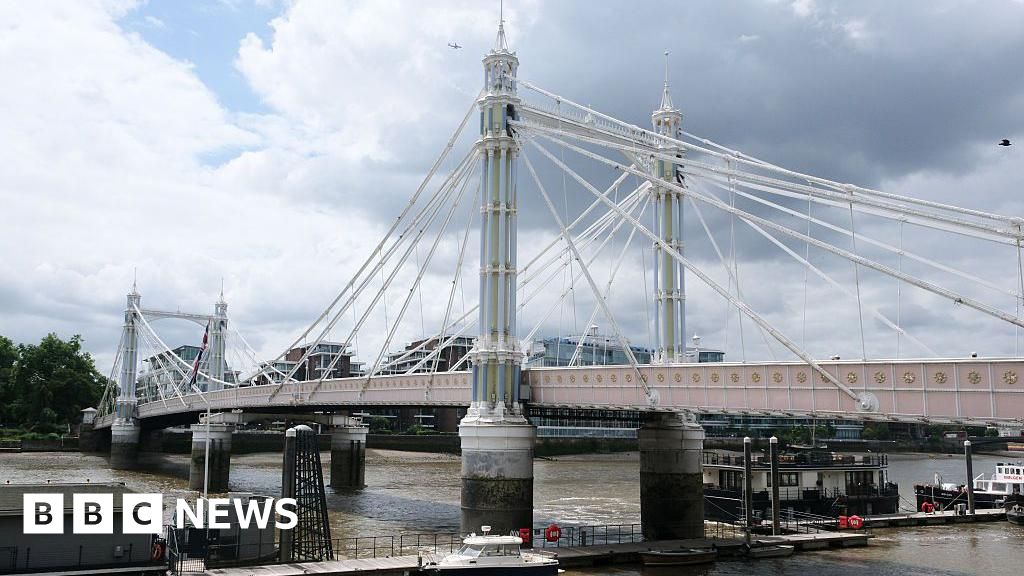
4 weeks agoEarth911 Inspiration: The First Step To Sustainability
The first step to sustainability is seeing that there is no boundary between you and nature. When we see this essential connection and reverse the artificial disconnections created over millennia, people can imagine a future where we all thrive with a regenerated ecosystem.
Environment
Alternative transportation
fromStreetsblog
1 month agoWhy Some Congresspeople Want to Go Big on Greenways - Streetsblog USA
The Parks to People Act proposes $300 million in federal funding for walking and biking infrastructure as essential transportation tools, despite political opposition dismissing them as distractions.
fromStreetsblog
2 months agoImproving Road Safety Is A Win For The Climate, Too - Streetsblog USA
Hundreds of preventable fatalities and more than 13 million metric tons of climate pollution would be avoided by 2045 if Congress passed legislation that answered advocates' long- time demand to require state DOTs to set declining annual fatality targets - and reallocate highway money to safety projects if they don't meet those goals, according to a new analysis from Evergreen Action.
US politics
Alternative transportation
fromFast Company
1 month agoTraffic safety improvements frequently die by popular vote. It's time to stop that
Vision Zero, a Swedish road safety philosophy, proves traffic deaths are preventable through proper street design, enforcement, and awareness, yet Americans resist safety improvements due to normalized traffic violence.
fromStreetsblog
2 months agoFriday Video: How Many 'Better Billion' Plans Are There? - Streetsblog New York City
Like most everyone in town, we got all hot and bothered after the Transit Costs Project put out a report arguing that the city and state should raise $1 billion per year over 40 years to fund a massive expansion of the subway system, bringing the joy (and economic development) of truly rapid transit to more neighborhoods.
US politics
fromArchitectural Digest
2 months agoDesigning When Your City Is Under Siege
Life doesn't pause for grief or fear. You might be going through something devastating but you're still packing lunches, still driving your kids to baseball practice, still showing up to work. One minute I find myself prepping for a whole home presentation and the next minute I'm checking the news, hoping and praying that no one has been killed on the streets today.
Design
Alternative transportation
fromFast Company
1 month agoThe 'time is money' mantra is a terrible starting point for planning and designing infrastructure
Using productivity and time-as-money frameworks to justify transportation planning decisions is economically flawed and oversimplifies the complex nature of traffic congestion and urban mobility.
fromBusiness Matters
1 month agoThe impact of road signs on economic development
When routes are well organized, there are clear directional signs, and speed limits become reasonable. The early installation of warning signs allows transport companies to plan deliveries more accurately and avoid delays. For businesses, time is money. When a truck carrying goods does not spend hours detouring due to an unclear traffic scheme or stuck in traffic where it could have been avoided thanks to competent traffic management, fuel costs, driver wages, and vehicle maintenance costs are reduced.
Alternative transportation
fromStreetsblog
2 months agoWednesday's Headlines: Plowed In Edition - Streetsblog New York City
The drum we started beating on Monday morning - that pedestrians and people in wheelchairs are treated like garbage whenever it snows in this town - was still pounding out fat disco beats all through Tuesday. First, we couldn't stop watching this Reddit video, which is like the Zapruder film of all the ways that pedestrians (and conscientious property owners who do their best to meet their shoveling responsibilities) are fucked:
New York City
fromStreetsblog
2 months agoHow Mamdani Can Fix NYC's Neglected Greenways - Streetsblog New York City
The detailed checklist by the NYC Greenways Coalition highlights a number of measures and interventions the new mayor can pursue within three separate timeframes: His first 100 days, his first year, and his first term. Given Mamdani's love of cycling, the boosters believe Hizzoner will repair and lengthen the dilapidated paths to complete a sprawling, five-borough network of safe cycling and walking routes.
New York City
New York City
fromNew York Daily News
1 month agoWhat future for dining sheds?: Return our streets to their real purpose for vehicles
Permanent outdoor dining sheds in curbside parking lanes create operational problems for snow removal and street cleaning while providing unfair competitive advantages to some restaurants over others.
[ Load more ]