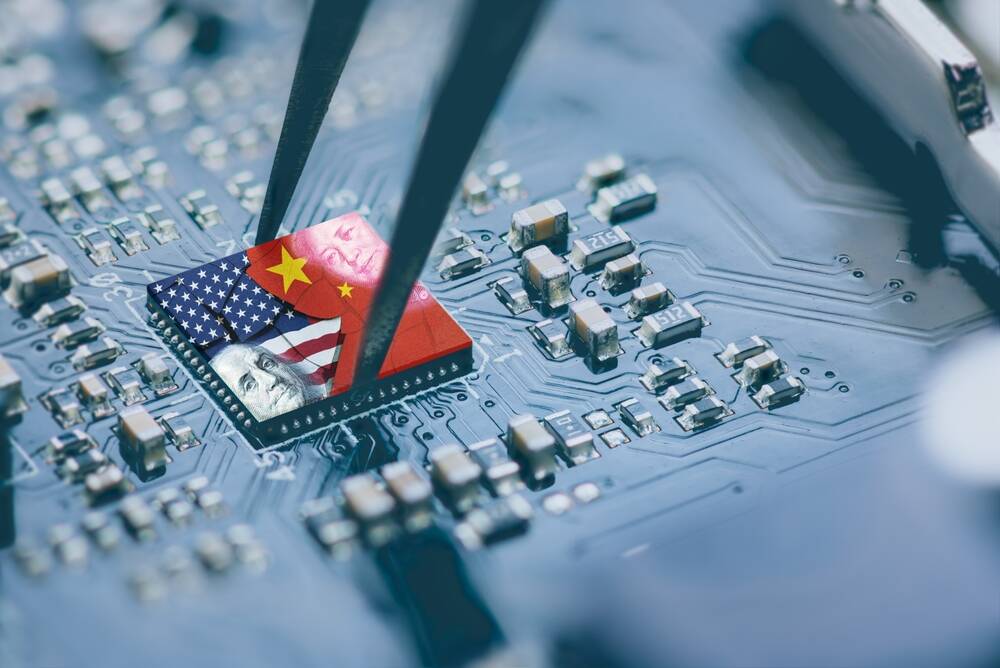
The federal government signaled a new direction in federal funding this week when it announced plans to put as much as $150 million into a private semiconductor startup. Instead of a grant or a loan, the government would take an equity stake. It's a meaningful departure from how federal funding has traditionally operated. For years, federal R&D support came structured as non-dilutive grants and Small Business Innovation Research (SBIR) and Small Business Technology Transfer (STTR) awards that didn't require equity concessions.
Under the five-year deal, OpenAI will purchase up to 6 gigawatts of AMD's most advanced AI processors, a level of computing capacity equivalent to the peak electricity demand of London. The partnership is designed to provide OpenAI with the infrastructure it needs to scale its technology as competition in the AI sector intensifies. Shares in AMD surged 27 per cent to $209.39 in New York trading after the deal was announced, adding tens of billions of dollars to the chipmaker's market value.
Nvidia is set to invest up to $100 billion in OpenAI and supply it with data center chips, in a deal that gives the chipmaker a financial stake in the world's most prominent AI company, which is already an important customer. Investments in systems powering AI have surged since OpenAI launched ChatGPT in 2022, on expectations that companies across sectors will integrate the technology into their products and services.
"The Biden administration literally was giving Intel money for free and giving TSMC money for free, and all these companies just giving the money for free, and Donald Trump turned it into saying, 'Hey, we want equity for the money. If we're going to give you the money, we want a piece of the action for the American taxpayer,'" Lutnick said.
This investment presents a golden opportunity to re-engineer the way the global industry collaborates to deliver the foundational semiconductor process and manufacturing technologies needed to sustain rapid improvements in energy-efficient, high-performance computing.
Aparna's methodical approach to verification architecture simplified integration, establishing a portable, reusable system that enhanced consistency and sped up the overall verification process.