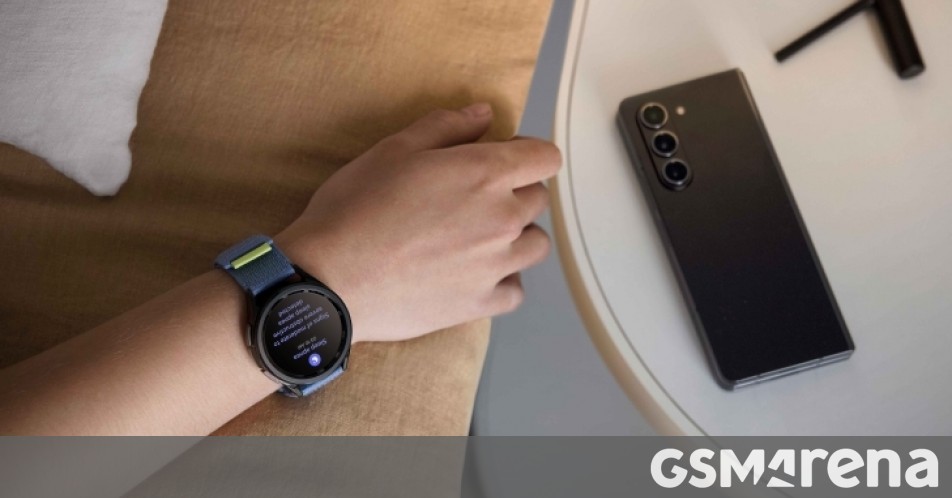
Sleep apnea often goes untreated because it doesn't look the way most people expect it to. Many imagine loud, disruptive snoring or dramatic gasping in the middle of the night. For many others, though, the condition is far quieter, hiding in plain sight within everyday life. Researchers estimate roughly 30 million Americans have sleep apnea, yet as many as 80 percent of cases go undiagnosed. Part of the problem is practical.
Obstructive sleep apnea (OSA) causes repeated pauses or reductions in breathing throughout the night, triggering drops in blood oxygen and frequent mini-arousals that sabotage quality sleep. The condition affects an estimated 80 million Americans, yet roughly 80 percent of cases go undiagnosed. Left untreated, OSA has been linked to serious long-term consequences, including heart disease, cognitive decline, diabetes, and an increased risk of car and workplace accidents driven by chronic fatigue.
Studies suggest nearly 60 percent of people with OSA experience some degree of cognitive impairment, including difficulties with attention, working memory, and episodic memory. Mood disorders such as depression and anxiety are also more common. Over time, untreated sleep apnea has been linked to declines in concentration, executive function, and long-term memory. So what's actually happening inside the brain while someone with undiagnosed sleep apnea sleeps?
Over decades, the government has spent billions ondisability payments for veterans with sleep apnea, a common condition that interrupts breathing during sleep and causesfatigue. In early 2022, officials were determined to pare that back. Medical advances mean most apneasufferers now have few or no symptoms and can hold jobs. So Denis McDonough, then the secretary of the Department of Veterans Affairs, announced a proposal to change the benefits system to reflect the new reality, and - going forward - slash monthly checks for many veterans.
Mental health nowadays is seemingly almost glorified. A ton of people are blaming things on, 'Oh, it's just my OCD, ADHD, dyslexia, etc.' (undiagnosed as well) - when these sudden changes can be huge telltale signs of actual diseases. I saw someone come into our neuro department after experiencing some fasciculations that we assumed were benign. But she explained how they acted with her 'anxiety and OCD,' which she had undiagnosed. She had late-stage MS.
Some on social media say it's a hack for getting more and better sleep and to reduce snoring. The claims - which are not backed by science - are taking off on places like TikTok, sometimes pushed by people working for companies selling related products. "The studies behind mouth tape are small, the benefits are modest and the potential risks are there,"
Nearly all of us are familiar with symptoms we call a hangover, such as anxiety rising in the throat, a throbbing headache and general fatigue but we may be not diagnosing them correctly. A study has analyzed the sleep patterns of more than 70,000 people over three years to learn more about a condition that suffocates and exhausts us on weekend nights: social apnea.