#unitary-councils
#unitary-councils
[ follow ]
#local-government #local-elections #local-government-reorganisation #reform-uk #city-council #elections
fromBoston.com
2 days agoA South Hadley override vote made national headlines. Here's why.
"This was never just about numbers in a budget. It was about maintaining opportunities for our children, supporting the people who dedicate their lives to educating them, and preserving the strength and pride of our schools," Tracie Kennedy stated, highlighting the emotional and social implications of the budget cuts on the community.
Boston
East Bay real estate
fromwww.berkeleyside.org
4 days agoTired of frivolous' landmark attempts, Berkeley council members want to raise bar for petitions
Berkeley City Council is considering raising the petition signature threshold for landmark designation to address concerns over blocking housing development.
fromIrish Independent
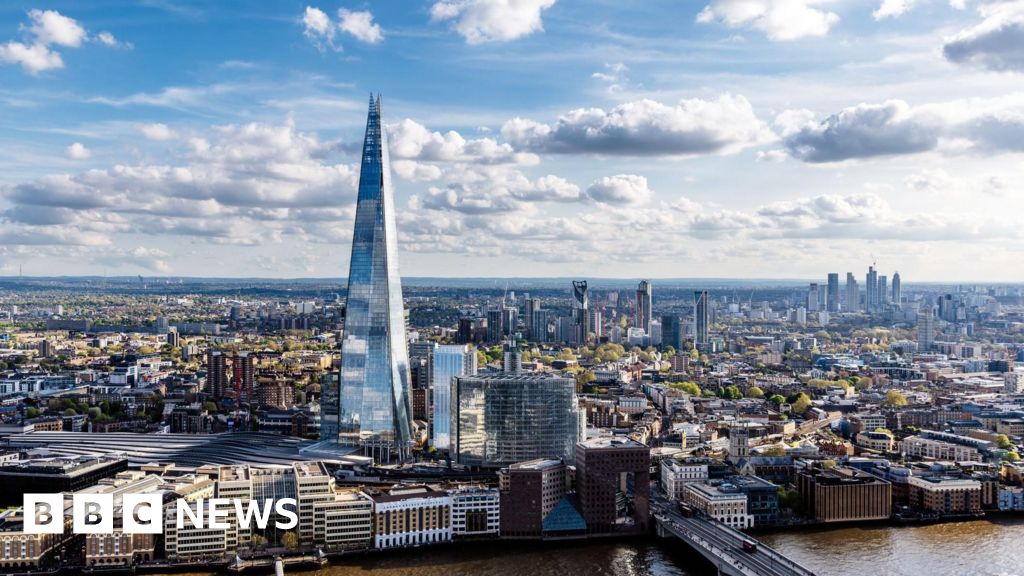
2 days ago'It's like a circus' - inside the chaotic six-hour council meeting to find more land for new homes
"We're all over the place here - this meeting should be suspended. We should get our ducks in a row and come back here and do this properly. I mean it's like a circus - you're saying one thing, and then you're going back. You're kind of changing your answers."
London politics


fromInvestigative Post
2 weeks agoInvestigative Post event on reforming Buffalo and NY government.
John Kaehny has written and successfully lobbied for the passage of state and New York City laws related to government transparency and accountability, including the first open data law in the world in 2012.
NYC politics
Boston
fromBoston.com
4 weeks agoCity Council calls for more transparency from Wu over transportation projects
Mayor Wu's requirement for personal approval of transit and road safety projects has caused significant delays, prompting even her allies on the City Council to demand increased transparency and accountability.
#local-government




UK politics
fromLondon Business News | Londonlovesbusiness.com
3 weeks agoLabour to axe 800 councillors and close 43 councils in sweeping shake-up - London Business News | Londonlovesbusiness.com
Labour plans to cut 800 councillors and shut down 43 councils in England, restructuring local government by 2028.
Artificial intelligence
fromFast Company
1 month agoLocal governments could deploy AI for good. Here's how
Agentic AI can transform city governance by automating routine tasks, improving service efficiency, and enabling proactive infrastructure maintenance while maintaining accountability through ambitious local leadership.
fromwww.bbc.com
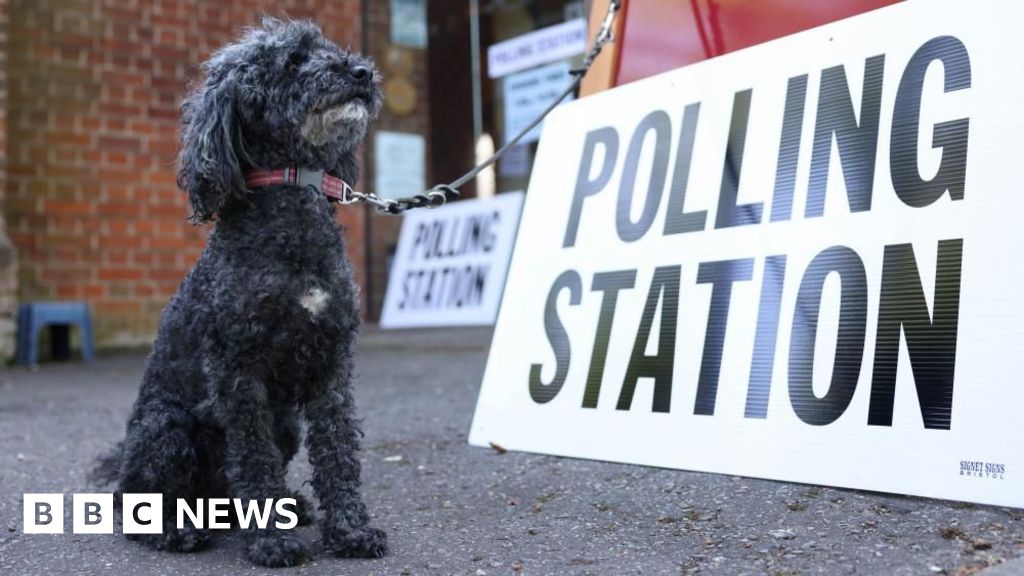
3 weeks agoCampaigners celebrate after new town plans dropped
Campaigner Aysha Hawcutt stated that residents were 'not anti-homes', but believed the Adlington plan was 'the wrong proposal in the wrong place'. She expressed pride in the community's resilience against the development threats.
London politics
fromEntrepreneur
2 months agoHow to Win Big With Public-Sector Partners
Understanding the difference in purpose Unlike private businesses, which exist to make a profit, public institutions are designed to create impact - especially social and economic outcomes that benefit everyone, not just paying customers. A public agency doesn't measure its success in revenue or margins, but in how much it improves lives, builds equity and maintains public trust. This doesn't mean budgets and spending don't matter - they absolutely do - but money is not the goal. It's the tool.
World politics


fromwww.npr.org
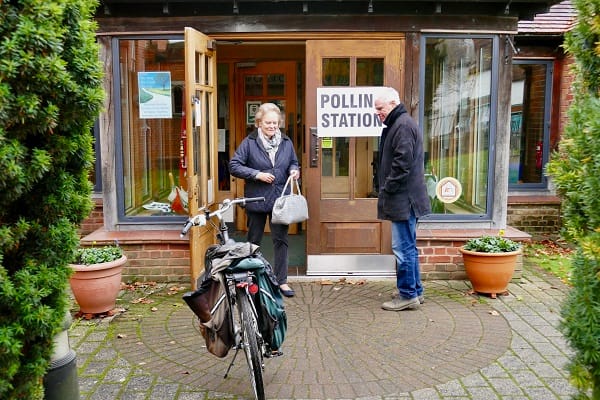
1 month agoIn Vermont, small town meetings grapple with debate on big issues
When you have people sleepwalking into an authoritarian regime, it's up to us to sound the alarm. People feel isolated, helpless and hopeless. And when you hear about other people who are just like you taking a stand and representing something that you believe, that gives you not only hope, but it gives you power.
US news
fromFast Company
2 months agoOur embrace of individuals over institutions isn't serving us well
In the early 20th century, sociologist Max Weber noted that sweeping industrialization would transform how societies worked. As small, informal operations gave way to large, complex organizations with clearly defined roles and responsibilities, leaders would need to rely less on tradition and charisma, and more on organization and rationality. He also foresaw that jobs would need to be broken down into specialized tasks and governed by a system of hierarchy,
History
fromPortland Mercury
1 month agoPortland City Council Votes To Reshape Its Committee Structure
Portland's transition to a new form of government last January brought new practices and procedures for the City Council. Among the largest changes, impacting both the Council and members of the public, was the introduction of eight policy committees. The committees, which considered topics including transportation, climate, finance, homelessness, and public safety, were intended to provide a focused venue for councilors to introduce legislation and hold conversations on specific topics, as well as to hear public testimony.
US politics
fromAxios
2 months agoExclusive: Inside Google's push to sell AI to cities
Between the lines: This isn't benevolence. It's customer acquisition. Mayors don't just buy "AI." They buy cloud, data modernization, cybersecurity, services, and long-term support - the tech stack underneath any serious deployment. In return, cities get tools that could fix long-standing challenges, Cris Turner, vice president of government affairs at Google told Axios last June when it first released its playbook.
Artificial intelligence
US politics
fromNonprofit Quarterly | Civic News. Empowering Nonprofits. Advancing Justice.
2 months agoDemocracy Dies in the Homeowners Association | Nonprofit Quarterly | Civic News. Empowering Nonprofits. Advancing Justice.
Renters often lack voting rights in HOA governance, leaving them subject to private rules, fines, and decisions without representation.
fromThe Atlantic
2 months agoPurge the Public Servants
In this new season, I'm asking how the Trump White House is rewriting the rules of U.S. politics, and talking to Americans whose lives have been changed as a result. Today's episode examines the destruction of the civil service: the removal of professionals, and their replacement with loyalists. I've seen this kind of transformation before, in other failing democracies. Everyone suffers from the degradation of public services.
US politics
US politics
fromLos Angeles Times
2 months agoCharter Reform Commission, L.A. City Council look to impose transparency rules
Los Angeles City Council passed an ordinance requiring Charter Reform Commission members to disclose private communications with elected officials and staff to boost transparency.



UK politics
fromwww.theguardian.com
1 month agoCouncil leader claims local authority bullied' to delay polls for extra funding and powers
Norfolk council leader withdrew from devolution and LGR after government reversed election postponement, accusing ministers of bullying by tying funding and powers to cancelling elections.
fromwww.standard.co.uk
2 months agoThink tank calls for fewer London councils and 'opposition mayor' to Sadiq Khan
A leading think tank has recommended a number of organisational changes to local governments in order to reinvigorate democracy across the country. A report from Re:State recommends a major change to the number of London boroughs, as well as electing an official opposition mayor. The report, informed by interviews with a host of senior political figures, proposes that the existing 32 boroughs be drastically cut to between 10 to 12 local authorities.
UK politics
fromwww.bbc.com
2 months agoCounty council facing 'effective bankruptcy'
"If we don't get what we need [in terms of extra government help] then a Section 114 Notice will come in, which is effective bankruptcy. We'd then get administrators come in, in effect - they'd then make a plan for where the money gets spent in Worcestershire. It would be a catastrophe. We're going to have to halt projects that were put into the budget by the previous administration, things that maybe were 'nice to have', but we can't afford them."
UK politics
[ Load more ]