Germany news
Germany news
[ follow ]
#friedrich-merz #right-wing-extremism #far-right-extremism #alternative-for-germany #migration-policy

fromTechzine Global
1 day agoFire-stricken Dutch data center delays its recovery
Although NorthC expected on Friday to be able to restore power to its own facility in Almere this afternoon, that turned out to be premature. The operator now expects to have a "temporary, redundant power supply" available on Wednesday, May 13, at 12:00 p.m. Customers will then be able to power on their IT systems in a controlled manner. "Unfortunately, this means another delay," NorthC acknowledges.
Germany news


fromwww.dw.com
4 days agoGermany news: Exports jump higher than expected
German exports have risen slightly despite ongoing global tensions linked to the Iran war, despite a drop in shipments to the United States. The Federal Statistical Office said exports for March increased 0.5% month on month and 1.9% year on year in adjusted terms. Imports have jumped more sharply, rising 5.1% from February and 7.2% compared with a year earlier. Germany recorded exports worth 135.8 billion against imports of 121.5 billion, leaving a trade surplus of 14.3 billion, down from 19.6 billion in February.
Germany news
Germany news
fromPinkNews | Latest lesbian, gay, bi and trans news | LGBTQ+ news
4 days agoGay man killed by roommate who 'threatened to drink his blood'
A temporary roommate allegedly attacked a gay man in Germany, using a knife, threats, and forced apology, after religiously motivated hostility and repeated police warnings.
fromTechzine Global
4 days agoDutch data center fire under control as initial inspection finishes
What began as a GRIP 2 situation on Wednesday and dropped to GRIP 1 in the evening was further downgraded to GRIP 0 during the night of May 7-8. This means that emergency services have the situation fully under control and the building has been partially reopened.
Germany news
fromTechzine Global
4 days agoNorthC: Recovery of Dutch data center will take up to 72 hours
Installing emergency power supplies, generators, UPS systems, and distribution panels, plus laying over a kilometer of cable, is expected to take up to 72 hours. Customer equipment will then be gradually reconnected to power and cooling. The restoration operation involves a large number of generators, UPS systems, and distribution panels, and also laying over a kilometer of cable, making the entire operation complex.
Germany news
fromwww.dw.com
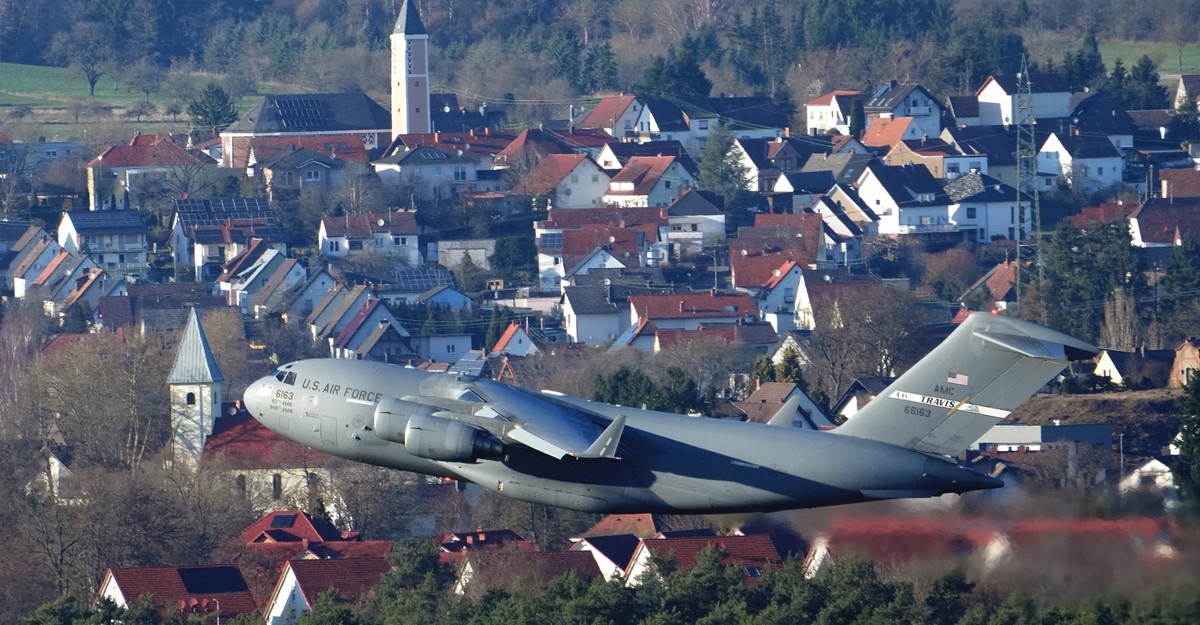
5 days agoVilseck, Germany: A town on edge over US troop withdrawal
People's initial reaction was fear. After all, we've been living in close friendship with our American neighbors here for 80 years. They feel at home here, far from their homeland. The Americans are integrated into our social life, in soccer and music clubs. Many even stay here after they retire.
Germany news
#us-troop-withdrawal



Germany news
fromFortune
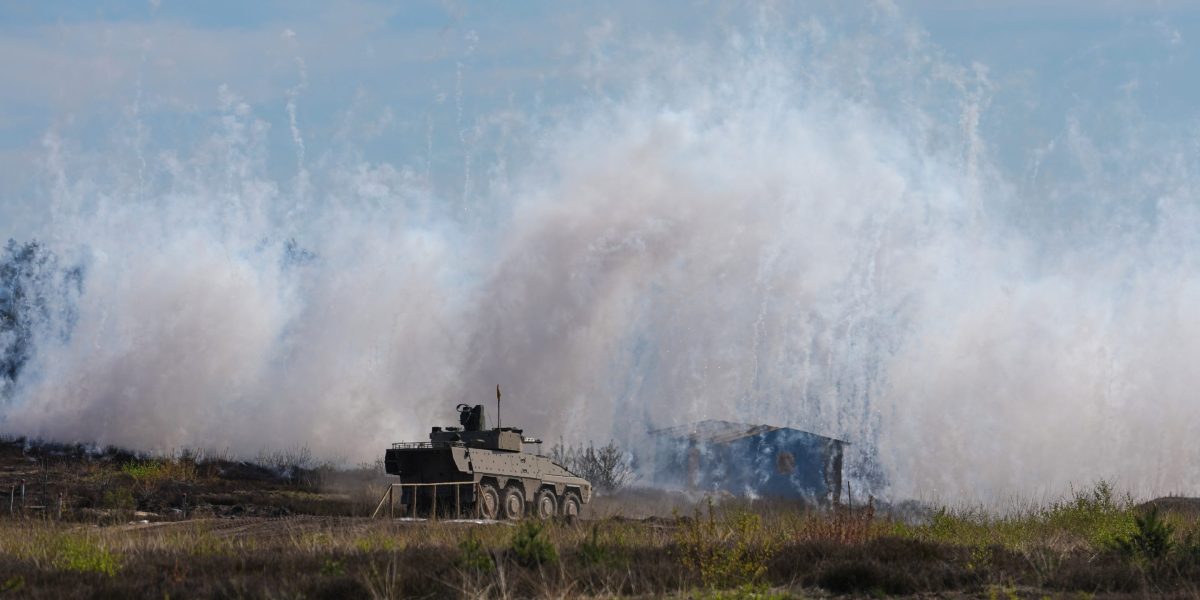
1 week agoTrump vows to reduce U.S. troops in Germany 'a lot further' than 5,000 as defense official says armed services were blindsided by move | Fortune
The U.S. plans to significantly reduce troop presence in Germany, escalating tensions with European leaders over security commitments.
fromwww.theregister.com
6 days agoDenic sorry for DNSSEC error that crashed Germany's internet
Denic stated that the problems were first detected at 21:57 on April 5, and engineers rolled out fixes by 01:15. The issues were related to Domain Name System Security Extensions (DNSSEC), and faulty DNSSEC signatures were distributed.
Germany news






fromThe Local Germany
1 week agoGerman fertiliser makers and farmers struggle with Iran war fallout
A third of the world's fertilisers normally pass through the Strait of Hormuz and the World Trade Organization (WTO) has warned that the blockade there threatens global food security, particularly in Africa and South Asia.
Germany news

fromwww.dw.com
1 week agoAustria: Police arrest suspect over poisoned HiPP baby food
An unknown individual attempted to extort money from HiPP by contaminating its products with rat poison. Five manipulated jars of HiPP baby food were recovered safely in Austria, the Czech Republic, and Slovakia before they could be consumed.
Germany news
[ Load more ]