#valuation
#valuation
[ follow ]



Business
fromFortune
3 days agoAccording to Warren Buffett's math the stock market is officially in 'playing with fire' territory. So when is the next crash coming? | Fortune
Warren Buffett's Indicator suggests current stock market valuations are dangerously high, indicating potential for a significant market correction.
#vast-data
Venture
fromTNW | Investors-Funding
6 days agoVAST Data raises $1B at $30B valuation with Nvidia backing as AI data infrastructure demand accelerates
VAST Data raised $1 billion in Series F funding, achieving a $30 billion valuation, significantly increasing from its previous valuation of $9.1 billion.








#openai

Artificial intelligence
fromFuturism
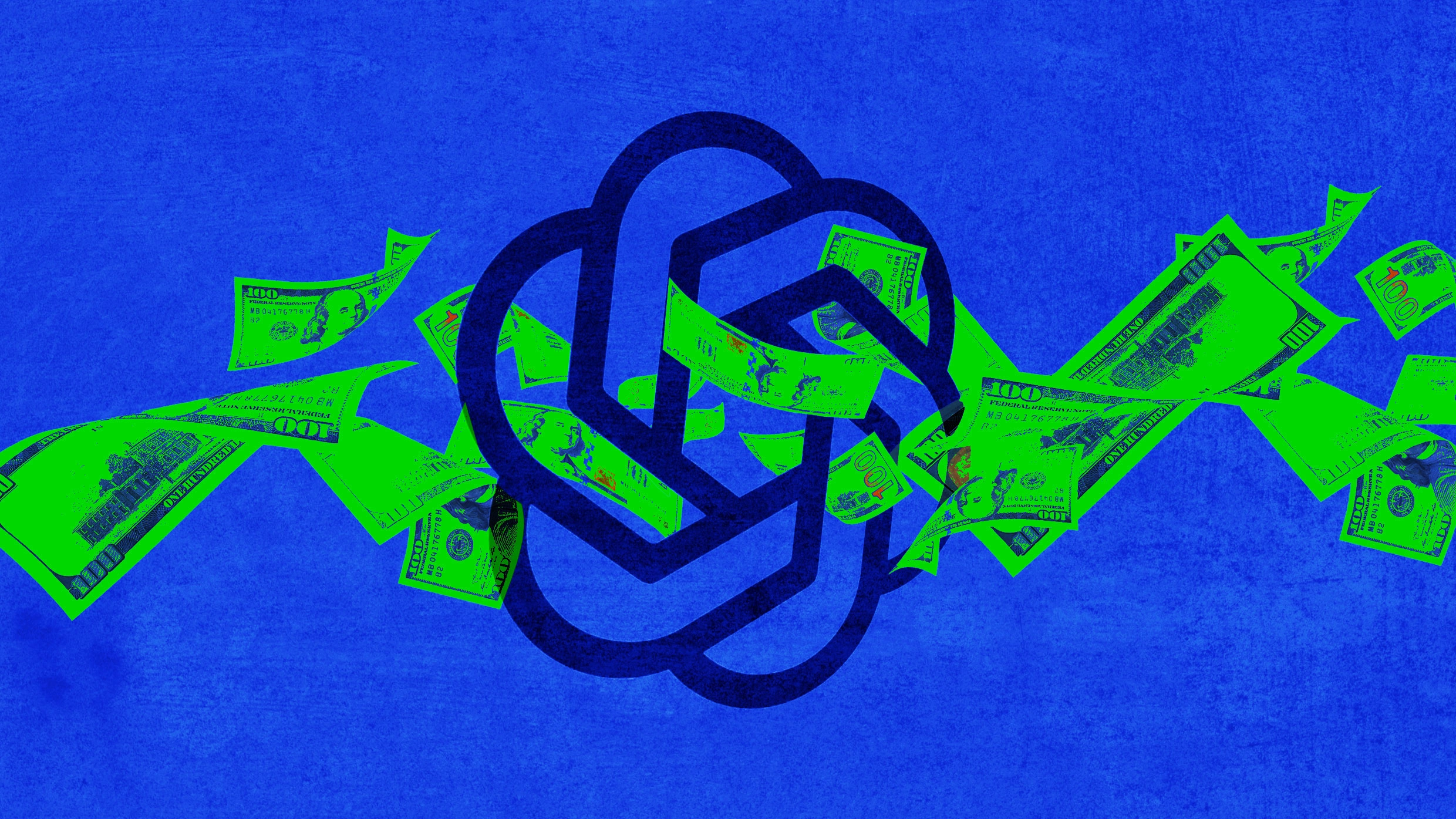
2 weeks agoWhy Does It Suddenly Feel Like OpenAI Is Melting Down Into Disaster?
OpenAI is preparing for a potential IPO with a valuation of up to $1 trillion, despite facing significant challenges and controversies this year.
Venture
fromnews.bitcoin.com
3 weeks agoChatGPT Maker OpenAI Valued at $852B After Record $122B Funding Round
OpenAI raised $122 billion in funding, achieving an $852 billion valuation and setting a record for private capital raises.

Business
fromwww.businessinsider.com
2 weeks ago'Big Short' investor Michael Burry lays out why he thinks high-flying tech stocks are even pricier than you think
Tech stocks are overvalued due to unaccounted stock-based compensation costs, leading to inflated earnings reports and misleading valuations.
fromFortune
2 weeks agoWhy a proposed merger to create Malaysia's largest construction conglomerate fell apart | Fortune
"With the offer now concluded, IJM moves forward with resolve. Our shareholders have decided, and we respect the conviction they have placed in IJM's long-term intrinsic value."
Business

fromTESLARATI
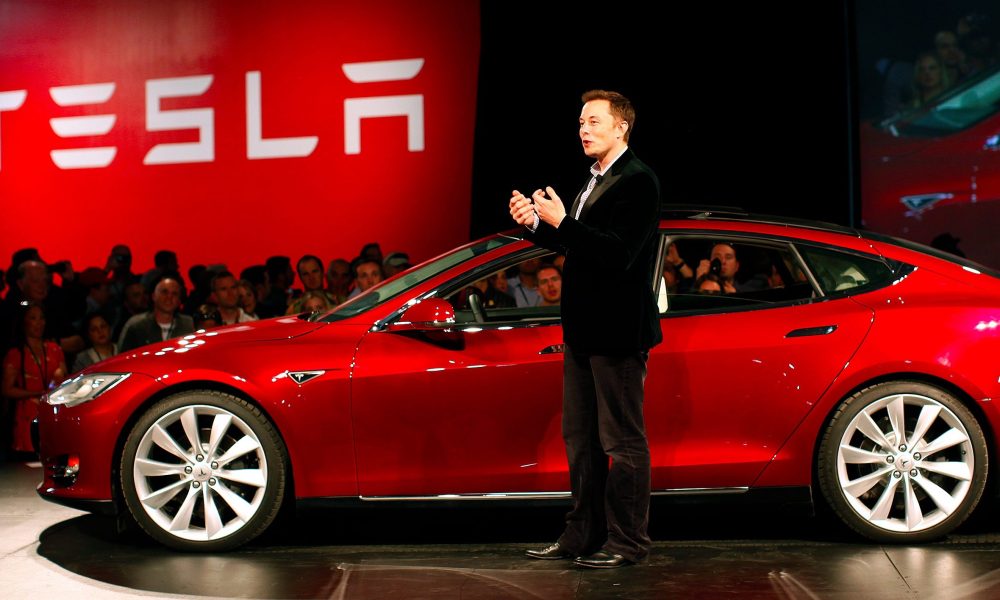
1 month agoTIME honors SpaceX's Gwynne Shotwell: From employee No. 7 to world's most valuable company
Gwynne Shotwell joined SpaceX in 2002 as its seventh employee and has never stopped expanding her role. She oversees day-to-day operations across multiple executive teams spanning Falcon, Starlink, Starship, and now xAI following SpaceX's February 2026 merger with Elon Musk's artificial intelligence company.
Venture


from24/7 Wall St.
1 month agoNebius Is a HighRisk Swing-But Could the Payoff Justify the Volatility?
Nebius Group's stock has been volatile, with a potential double-top pattern emerging. The company is raising $4 billion, raising concerns about shareholder dilution amidst significant AI investments.
Artificial intelligence
Business intelligence
from24/7 Wall St.
1 month agoVerizon and ITT Are on Analysts' Radar as Upgrades Suggest More Gains Ahead
Wall Street analysts upgraded infrastructure-linked stocks Verizon and ITT, citing confidence in sustained infrastructure and network spending with improving fundamentals and cost management.
Business
from24/7 Wall St.
1 month agoThese 3 Stocks Just Bounced From Lows - What Wall Street Thinks Comes Next
Trade Desk shows cautious analyst support with limited upside, Moderna trades significantly above consensus targets with skeptical ratings, and Strategy exhibits strong bullish conviction despite volatility.
Business
from24/7 Wall St.
1 month agoKontoor Crosses $1B Revenue Mark as Profitability Slips
Kontoor Brands exceeded Q4 2025 earnings and revenue expectations with strong margin expansion, positioning the stock at an attractive 10x forward earnings valuation amid projected mid-teens EPS growth for 2026.
from24/7 Wall St.
2 months agoThis "Forgotten" Dividend Aristocrat Is 25% Undervalued and Effectively Yields More Than a Treasury Bond
Brown-Forman is the largest American-owned global spirits company. It sells whiskey, bourbon, tequila, rum, gin, and more. Its crown jewel is Jack Daniel's Tennessee Whiskey, one of the most recognizable spirit brands on the planet, but the portfolio also includes Woodford Reserve, Old Forester, Herradura, el Jimador, Diplomático Rum, Gin Mare, and GlenDronach Scotch. You're looking at a company commanding an estimated 34% of the total U.S. Whiskey & Bourbon Distilleries industry revenue.
Business
Artificial intelligence
from24/7 Wall St.
2 months agoOpenAI Is Now Worth More Than Goldman Sachs and Netflix Combined - Here's What That Means
OpenAI's near-$850B valuation and $100B raise would fund compute, talent, international expansion, and R&D, reshaping competition and revenue flows across the AI ecosystem.
Business
from24/7 Wall St.
2 months agoFinancial Stocks Are Way Oversold: 5 Strong Buy High-Yield Dividend Ideas
Financial stocks are deeply oversold, trading below historical valuations despite solid balance sheets and capital ratios, creating potential buying opportunities for dividend-focused investors.
from24/7 Wall St.
2 months agoSonoco Surges to 52-Week High After Earnings: More Upside or a Pullback Ahead?
Sonoco Products ( NYSE: SON) shares reached a 52-week high of $57.83 this week after strong 2025 results and 2026 guidance. That marks a 30% year-to-date surge that has far outpaced the S&P 500's fractional gain. The packaging company's rally accelerated following the February 17 earnings. With the stock at 52-week highs and technical indicators flashing warning signs, investors face the critical question of whether this momentum is sustainable or the valuation catch-up has run its course.
Business
Artificial intelligence
fromTechCrunch
2 months agoFractal Analytics' muted IPO debut signals persistent AI fears in India | TechCrunch
Fractal Analytics' IPO debuted below its issue price, trimming its market valuation well below recent private-market highs amid investor caution in Indian software stocks.
fromTNW | Business
2 months agoUnderstanding the valuation of intangible assets in tech deals
However, alongside these tangible indicators sits another layer of value, one that does not always surface cleanly in financial statements and may even remain invisible if it is not properly understood or articulated: Put simply, intangible assets are the non-physical elements a company has built that enable it to generate revenue, scale efficiently, or defend its market position. In technology companies, this typically includes proprietary software, intellectual property, datasets, customer relationships, brand equity, and internal systems or processes.
Intellectual property law
fromThe Motley Fool
2 months agoThe Trade Desk Stock Is Down 81% -- Is It a Buy? Wall Street Has a Clear Answer for Investors. | The Motley Fool
The Trade Desk operates a demand-side platform (DSP), a type of adtech software that helps media buyers plan, measure, and optimize data-driven campaigns across digital channels. The most recent version of its DSP, called Kokai, leans on artificial intelligence (AI) to manage budgets, customize bids, and dynamically target audiences. The investment thesis for The Trade Desk revolves around its independent business model, meaning it does not own media content that might bias ad spending on its platform.
Marketing tech
[ Load more ]