Graphic design
Graphic design
[ follow ]
#illustration #contemporary-art #street-art #digital-art #photography #social-commentary #visual-art #surrealism
fromItsnicethat
4 days agoThis archival book celebrates the bygone eras of the humble crisp packet
Helping people to reconnect with old memories, viewers are transported to their local corner shop, school playgrounds and childhood cupboards. "I think this project has struck a chord because there's a particular interest in hand drawn designs of the past in the current age of AI where human effort is at an all-time low. Now the first thought is 'I'll get AI to do that', rather than commissioning an illustrator," says Chris.
Graphic design
#visual-art
fromdesignyoutrust.com
2 months agoGraphic design
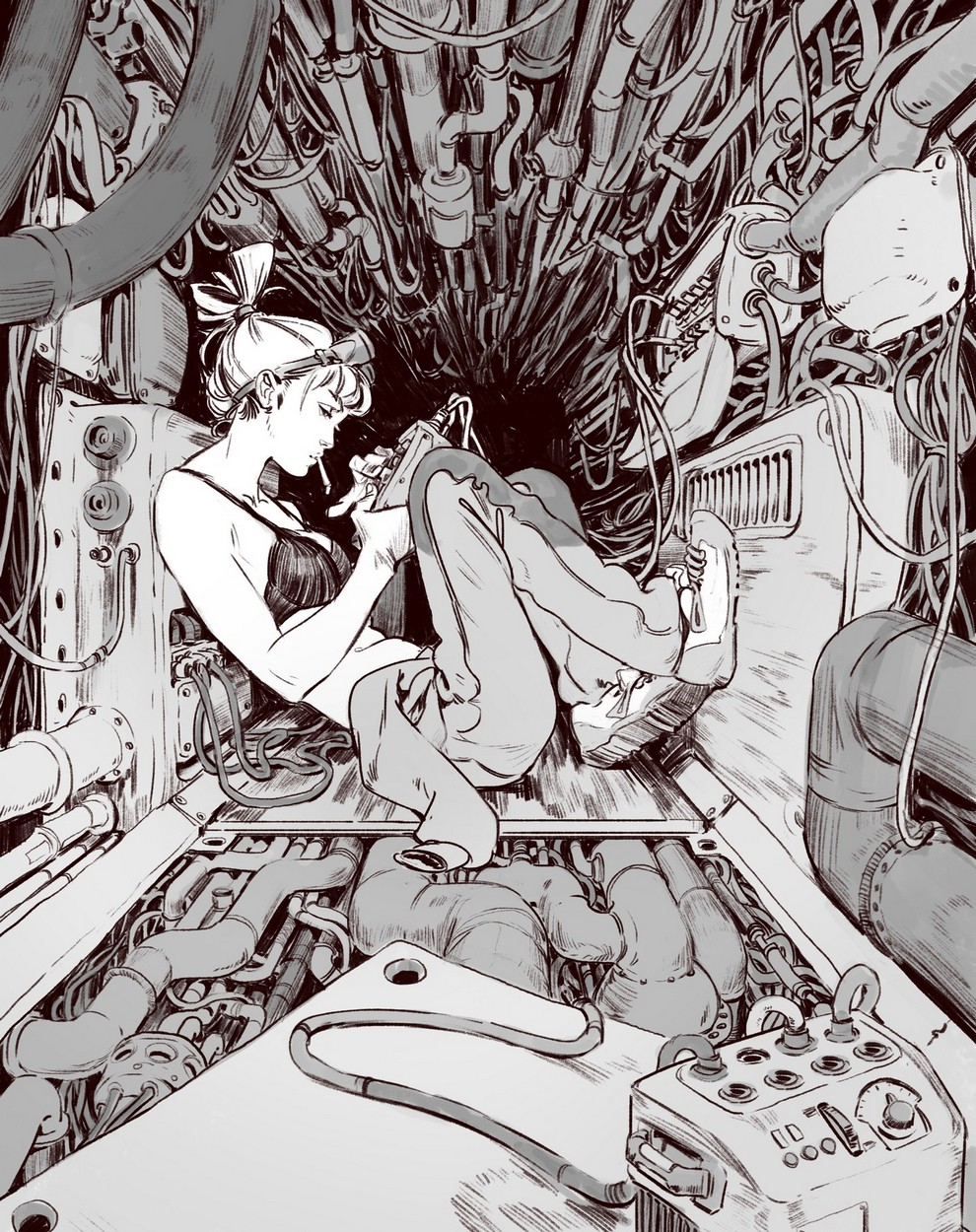
Hyperdetailed Penandink Worlds Define Peter Van Den Ende's Style: Frozen Poles, Mangrove Mazes And Mechanical Depths
A diverse compilation showcasing contemporary visual art, photography, design, and creative projects across global artists, installations, and cultural events.
fromdesignyoutrust.com
2 months agoGraphic design
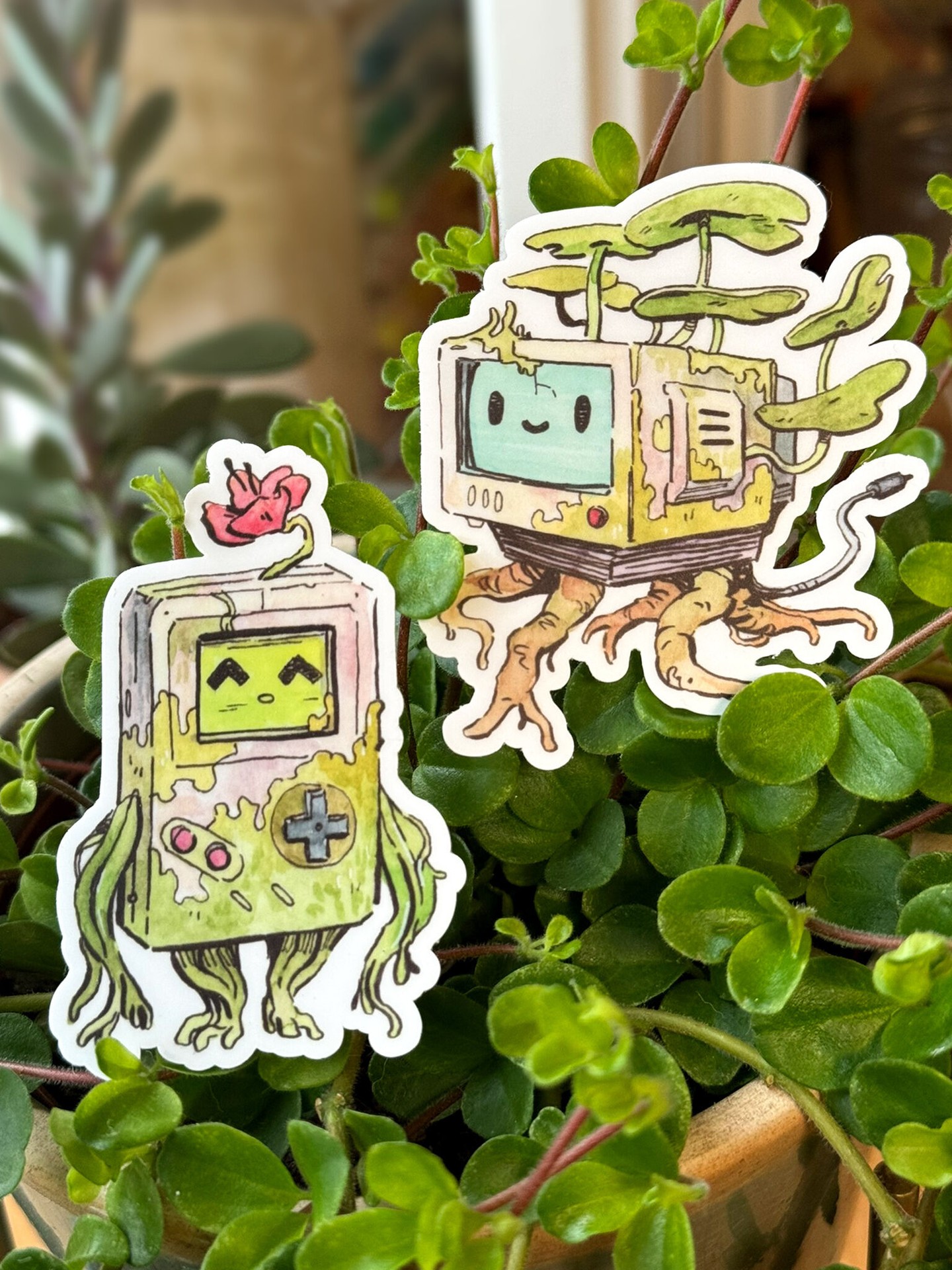
Illustrator Creates Cozy Grunling Worlds With Anthropomorphic Fruits And Vegetables Turning Everyday Nature Into Pastel Storylands
Curated collection of diverse visual art, photography, illustration, design, and human-interest stories showcasing creativity, satire, and cultural commentary.

Graphic design
fromItsnicethat
1 week agoThe Cloud Report is one crossing guard's printed newsletter about "good trash and cute dogs"
Christine Tyler Hill documents everyday intersection moments in Burlington through The Cloud Report, a handmade, mailed monthly mini-zine celebrating small, beautiful occurrences.
fromItsnicethat
1 week agoLife is in constant motion in Chiara Xie's kinetic and flowing illustrations
In illustrator Chiara Xie 's work, everything is in motion. Rooted in a deep reverence for vitality, Chiara is fascinated by "the rhythm that flows through a scene", lingering like a suspended breath, and other times "surging as a vibrant, agile current of motion". It's not hard to know what she means: every illustration is filled with motion, arcs of light and air bouncing off every corner.
Graphic design
Graphic design
fromItsnicethat
1 week agoPorta Rocha are here to challenge industry standards and create seats at the table for designers
Porto Rocha demonstrates that queer, Latino immigrants can run a global New York and London–based design agency through high-caliber, internationally recognized design projects.
Graphic design
fromdesignboom | architecture & design magazine
1 week agoclaude monet's water lilies painting turns into impressionism-inspired LEGO set
LEGO recreated Claude Monet's 1899 Bridge over a Pond of Water Lilies as a 3,179-brick set with tactile tiles replicating impressionist brushwork and atmospheric colors.
fromYanko Design - Modern Industrial Design News
2 weeks agoThis Charity Hanger Was Made From Paper-Thin Wood Sheets - Yanko Design
Most coat hangers exist somewhere between purely functional and aggressively boring. They're the things we grab without thinking, the wire creatures that multiply mysteriously in closets, or the bulky wooden ones that restaurants seem to breed. But every so often, a design comes along that makes you stop and reconsider something as mundane as a place to hang your jacket.
Graphic design
fromItsnicethat
in 1 day"The content is king"
I'm a midweight designer looking to step into another job elsewhere but I keep hearing so many conflicting things about portfolio formats and I don't want to have to recreate three versions all on different platforms just to apply for a job. I can't find any solid advice on what agencies are looking to see regarding format and if sending a PDF makes you look dated.
Graphic design


fromInsideHook
3 weeks agoWhat Is a Life of Nonstop Ads Doing to Our Minds?
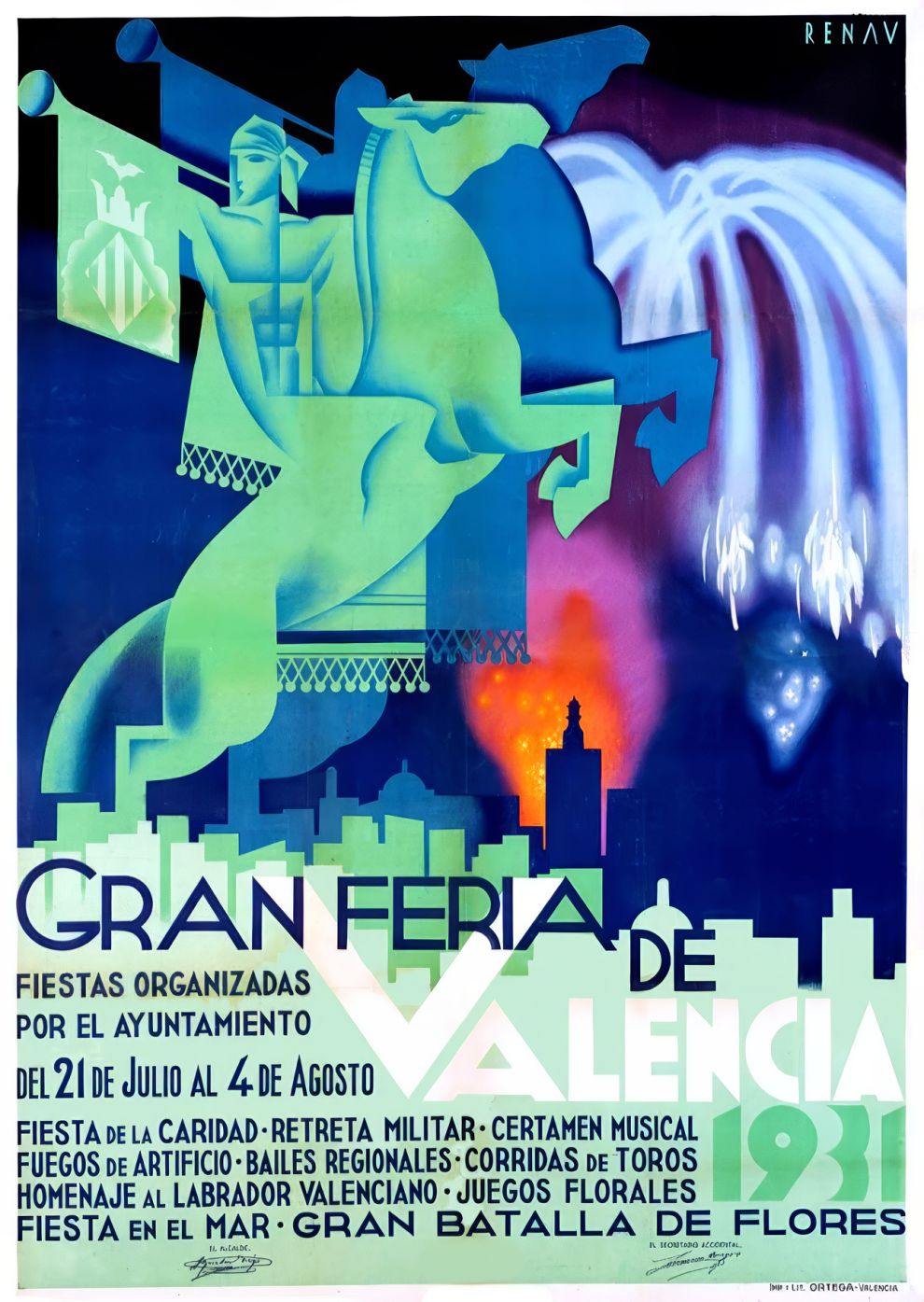
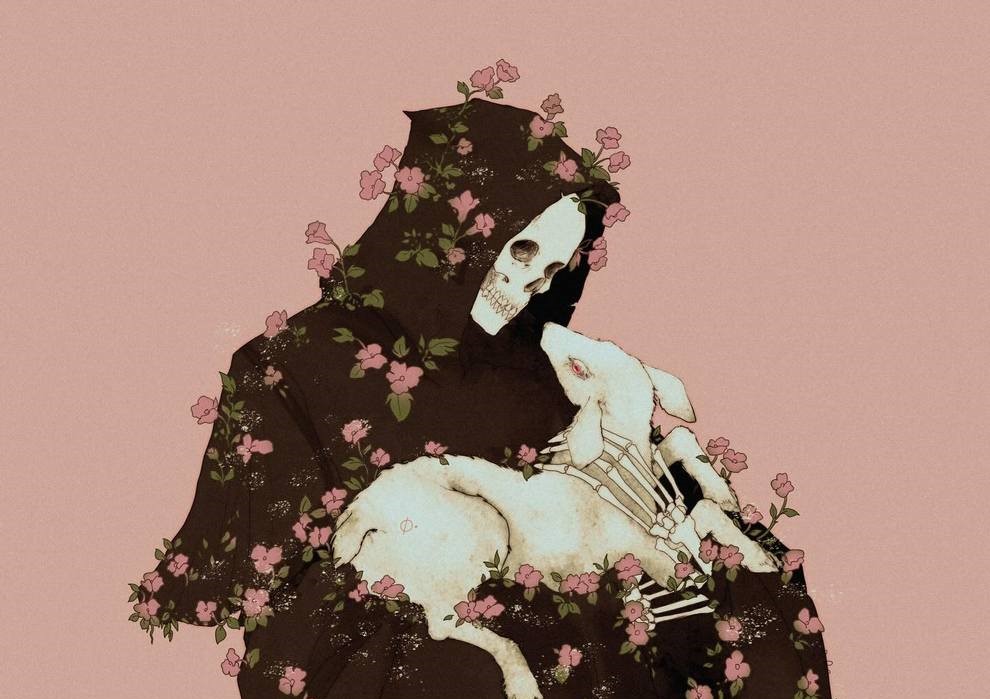
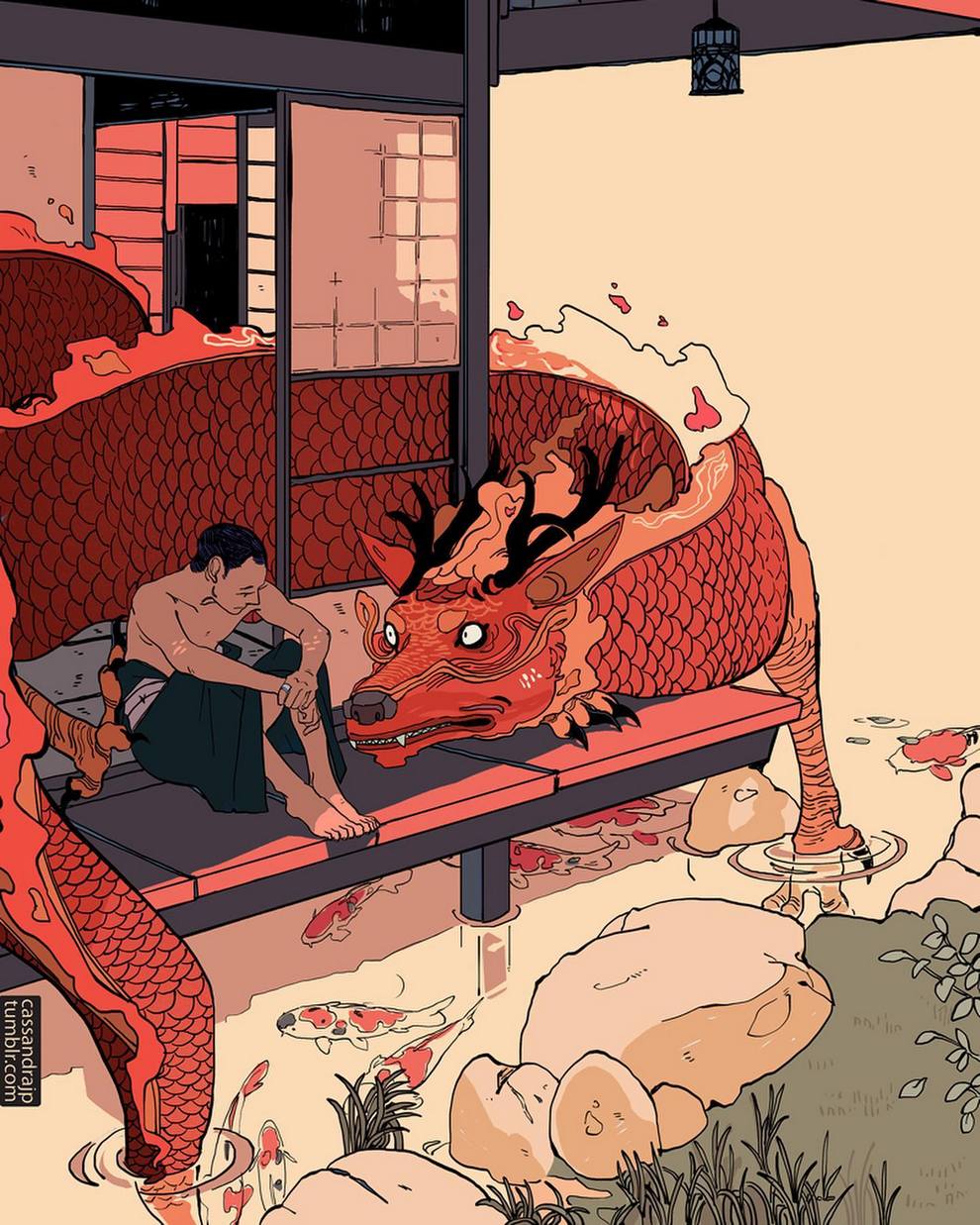
Musée d'Orsay hosted an exhibit last year called "Art is in the Street," which cataloged "the spectacular rise of the illustrated poster in Paris during the second half of the 19th century." The prints were lithographs - drawings made on limestone with greasy pencils, which were then exposed to water and inverted onto sheets of paper. Typically, each color got its own stone. The finished product was a firework of oily yellows and reds.
Graphic design
fromMedium
3 weeks agoGemini vs ChatGPT-5: cloud dancing with data color schemes.
Pantone's Color of the Year Concept: The Pantone company produces the Pantone Matching System (PMS) and the Pantone Fashion, Home + Interiors (FHI) System, proprietary color spaces. PMS is used primarily in graphics for printing, packaging, and digital media. FHI is used in a wide range of other industries including fashion, cosmetics, fabric, plastics, and paints. When Pantone PMS inks are applied to a physical color reproduction process, it is frequently possible to accurately match the colors from your digital data visualization to hard copy output...
Graphic design
Graphic design
fromdesignyoutrust.com
3 weeks agoElegance and Realism in Early 20th-Century Dutch Art of Willy Sluiter
Contemporary visual art and design are showcased through political photomontage, AI-generated imagery, playful illustrations, reimagined logos, and evocative watercolor and concept artworks.

fromdesignyoutrust.com
1 month agoMeet Federico Seneca, The Visionary of Italian Poster Art
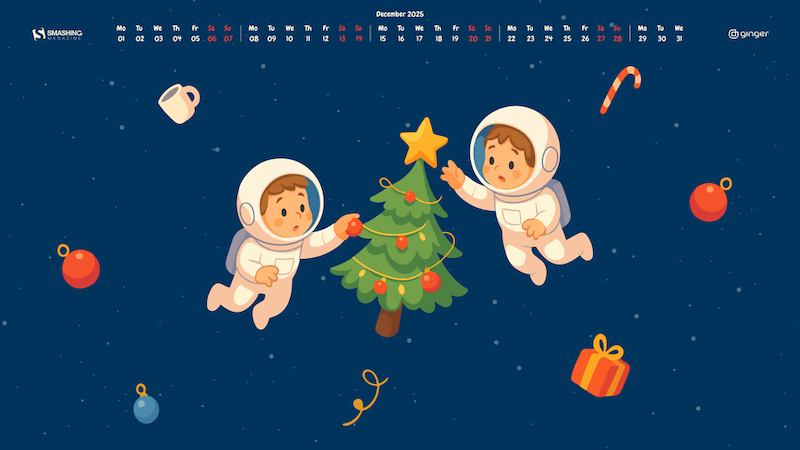
Federico Seneca (18911976) emerged as one of the most influential graphic designers of the early 20th century, known for fusing avantgarde artistry with commercial clarity. As art director for Perugina and later Buitoni, he reshaped Italian advertising by replacing literal imagery with bold, metaphordriven visuals. His most iconic contribution was the Baci chocolate identity, inspired by Hayez's *The Kiss*, featuring two lovers silhouetted against deep midnight blue. Drawing heavily from Futurism and Cubism, his work embraced geometric forms, dramatic contrasts,
Graphic design
fromItsnicethat
1 month agoBraulio Amado, Daniel Savage, Sarah Elawad, Lindsay Perryman: Tickets now available for February's Nicer Tuesdays in New York!
At the event, you can expect talks from Daniel Savage, a multi-disciplinary artist, designer, and animator whose work often focuses on exploring modular animation systems and process-driven work. As well as that, the graphic designer Sarah Elawad will be joining the stage to share the process behind her ultra-neon and kitsch graphic work which celebrates beauty, love and her culture through experimental prints, garments, video art and collage.
Graphic design
Graphic design
fromItsnicethat
1 month agoThe Swamp Collective find roots of graphic design in the muck, mud and mire of Europe
Swamp Collective is a Berlin-based artist-led publishing collective producing nature-focused visual work, self-published books and identities while collaborating across European cultural institutions and festivals.
fromItsnicethat
1 month agoGomatsu didn't plan to illustrate 80 cats of Taiwan in one day... but he did
Each pet expresses their own personality; the illustrations are simple, yet tell us so much about each individual cat. Gomatsu captured each in a specific moment, and then amplified the action, expression or energy through his characterful drawings. Brown is holding a cold, rigid blank stare while 노호유 is caught mid-clean. Yuki has a mischievous grin, and Bao looks like a stern bouncer (definitely not letting you in).
Graphic design
Graphic design
fromBerlin Art Link
1 month agoReview Jaune Quick-to-See Smith at Fruitmarket | Berlin Art Link
Jaune Quick-to-See Smith advanced Indigenous rights and environmental justice through four decades of art, activism, curation, and teaching, blending language, collage, and Indigenous knowledge.
fromItsnicethat
1 month agoJames Junk on why his graphic design "won't save the world" - but it can centre emotion and humanity
The graphic designer and content creator James Junk took to the stage at November's Nicer Tuesdays in LA to share the process behind multiple areas of his creative work with brands, sustainability, fashion design and social media work.
Graphic design
Graphic design
fromItsnicethat
1 month agoThe magic behind Louis Garella's design process is "a constant back-and-forth between digital and print"
Louis Garella merges visual arts, graphic design, and spatial design into tactile, multimedia work blending digital and print techniques to produce expressive, research-rooted visual languages.
Graphic design
fromdesignyoutrust.com
1 month agoDenis Zhbankov Blends Russian Folklore With Dark Fantasy, Summoning ComedyHorror Creatures That Feel Like They Moved Into Your Village And Never Left
A diverse group of digital and traditional artists use Photoshop, illustration, AI, and satire on social platforms to provoke, entertain, and raise awareness.
fromYanko Design - Modern Industrial Design News
1 month agoWhen the Wolf Is Already Part of You: Yama Moon's Quiet Character Design - Yanko Design
A woman stands before a massive black wolf, their bodies aligned so precisely that the creature reads less as a separate entity and more as an extension of her silhouette. No tension exists between them. No drama of possession or escape. Mari positions the wolf head directly above the woman's own, along the same vertical axis, creating a visual grammar of doubling rather than confrontation. The relationship feels ceremonial, almost devotional, with the wolf serving as guardian rather than threat.
Graphic design
fromFast Company
2 months agoThe best design books of 2025
It's easy, for me at least, to be cynical about the state of design. Our visual environment can feel bland, everything from brands to buildings homogenized around similar styles. The ever-impending AI takeover can make the future of this work uncertain. My reading around design this year tended to focus on two things: looking back and looking ahead. In looking through design history, I was looking for glimpses of alternative ways of designing: the experimental, the absurd, the weird.
Graphic design
fromPortland Monthly
2 months agoThe Old School Printer Bringing Portland Artists Offline
Barbara is an RC6300. Born in 1993, she's relatively old for a Risograph printing machine. She lived in a church basement in Beaverton until she was sold for $50 at an estate sale in 2013. A few years later, Barbara landed in the Kerns neighborhood at the Risograph print shop and studio Outlet-the shop's first, though Outlet founder Kate Bingaman-Burt has since added three Riso sisters to the family: Janet, Corita, and Lil' Tina.
Graphic design
fromArtforum
2 months agoPathbreaking Austrian Postwar Painter Arnulf Rainer Dies at 96
Though best known for his psychologically intense " Übermahlungen," or overpaintings, Rainer's experiments touched on Surrealism, minimalism, and Abstract Expressionism, among other genres; throughout, he remained firm in his conviction that art should confront pain, suffering, and violence. Process, which he viewed as a meditative practice, was of tremendous import to him, and he frequently pushed himself to exhaustion to achieve the state in which he could best express himself.
Graphic design
fromwww.theguardian.com
2 months agoI had to plunge the knife into the canvas': Edita Schubert wielded her scalpel like other artists wield a brush
She was producing these really precise, technical illustrations which were used in medical textbooks, says David Crowley, curator of a new retrospective of Schubert's work at Muzeum Susch, in eastern Switzerland. She was right in the middle of that practice She was totally unfazed about being in dissections. Her anatomical drawings, notes Marika Kuzmicz, the museum's curator, are still published in handbooks for medical students in Croatia today.
Graphic design
Graphic design
fromwww.theguardian.com
2 months agoTeenagers are presenting Christmas wishlists, Powerpoint-style my daughter included
Teenagers, especially girls, create detailed Canva Christmas wishlist slideshows presenting curated brand items, categories, prices, and aesthetic visuals to persuade family gift-givers.
Graphic design
fromItsnicethat
2 months agoJames Paris designs bumper stickers inspired by Christian youth group clip art and typewriter activity books
Design practice blends physical constraints, analogue collage, digital sourcing, and playful branding to reanimate vintage visuals and craft client-focused graphic identity.
Graphic design
fromColossal
2 months agoLuminous Paintings Conjure Change in Shuo Hao's Antique Furniture Assemblages
Shuo Hao repurposes aged furniture into surreal painted assemblages informed by Yijing cosmology, intuition, and Jungian self-repair, creating hybrid mythic beings and restored personalities.
fromFlowingData
2 months agoHighlighting historical visualization
Minard would likely be unknown today, if Marey had not so aptly said his flow map of Napoleon's March on Moscow "defied the pen of the historian by its brutal eloquence." Funkhouser picked this up, and then Tufte anointed it as "the greatest graphic ever drawn". But in his time, Minard was just an engineer working for the École Nationale des Ponts et Chaussees (School of Bridges and Roads) in Paris. The corpus of his work lay buried in the archives of the ENPC.
Graphic design
Graphic design
fromdesignboom | architecture & design magazine
2 months agokarlssonwilker contrasts icelandic culture in reykjavik brewing company rebranding
Bold, contemporary visual identity blends RVK's urban roots with Icelandic landscape using simple, metallic patterns to honor tradition and increase shelf presence.
Graphic design
fromdesignboom | architecture & design magazine
2 months agoflavored paper you can lick and taste? explore some of the quirkiest gift wrap designs
Brands and designers create lickable and scented gift-wrapping papers that mimic food flavors and aromas using flavored, food-safe inks and protective coatings.
Graphic design
fromItsnicethat
2 months agoMah-Noor Anwar's proudly kitsch graphic design is a tribute to 2nd and 3rd gen South Asians
Mah-Noor Anwar creates Chutney Chick, vibrant low-fi South Asian–inspired design celebrating second- and third-generation pride and accessibility for disabled and immigrant communities.
[ Load more ]