Privacy professionals
Privacy professionals
[ follow ]
#privacy #surveillance #data-privacy #data-breach #age-verification #cookies #discord #javascript #ring

Privacy professionals
fromWIRED
11 hours agoData Broker Breaches Fueled Nearly $21 Billion in Identity-Theft Losses
Congressional Democrats identified $20.9 billion in consumer losses from identity theft linked to four major data broker breaches, with one company refusing to improve opt-out accessibility.
Privacy professionals
fromSilicon Canals
7 hours agoThe global south is being surveilled into compliance and Silicon Valley calls it development - Silicon Canals
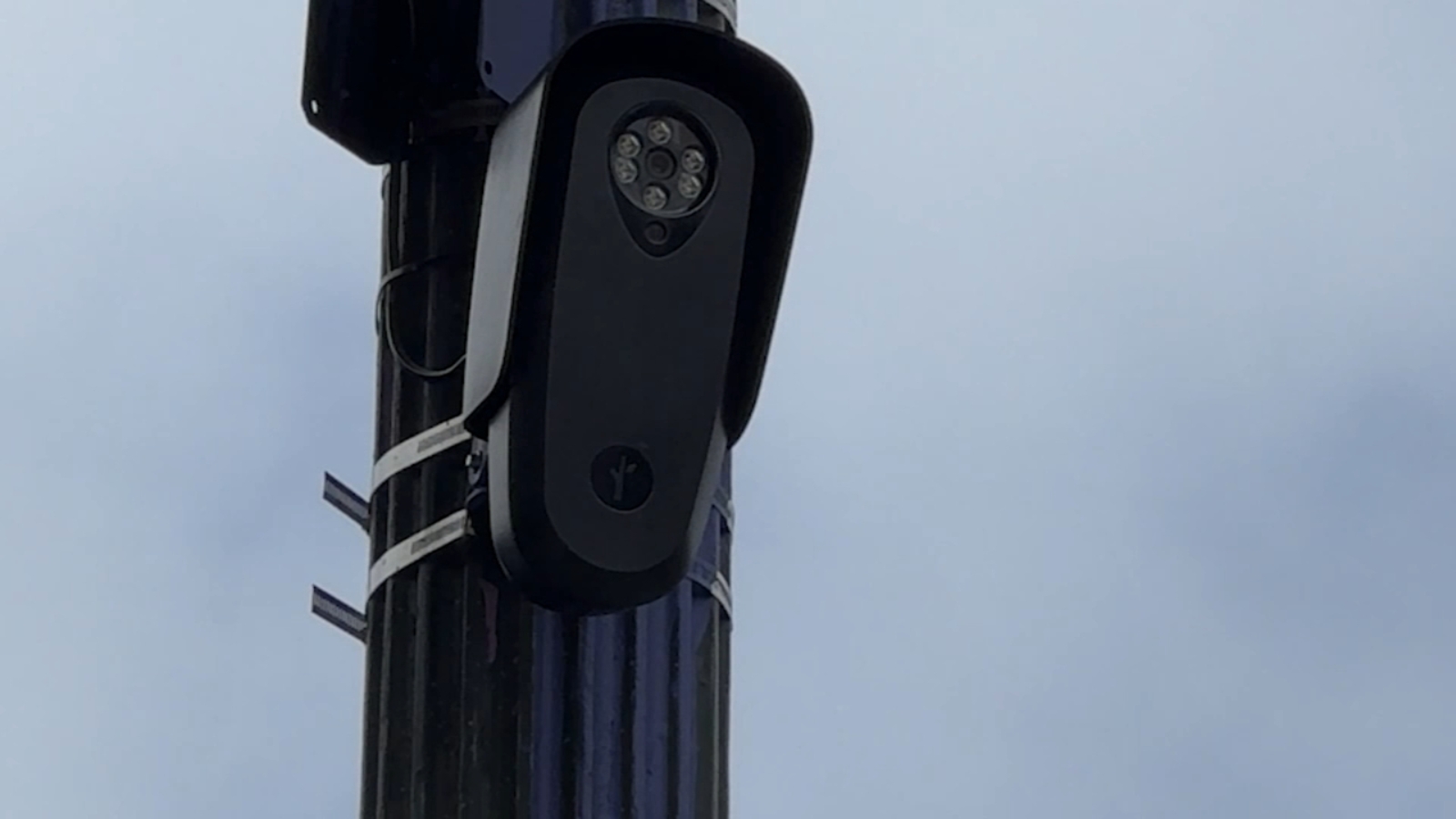
Technology companies extract valuable personal data from Global South populations through development-framed digital infrastructure projects, concentrating data ownership and control in private corporations while host countries receive limited access.


Privacy professionals
fromwww.aljazeera.com
19 hours agoUS tax agency broke privacy law approximately 42,695 times', judge says
A federal judge ruled the IRS violated tax confidentiality law by disclosing taxpayer information to Immigration and Customs Enforcement approximately 42,695 times without proper authorization.
fromThe Hacker News
12 hours agoMeta Files Lawsuits Against Brazil, China, Vietnam Advertisers Over Celeb-Bait Scams
At least three advertisers, two from Brazil and one from China, were found to engage in celeb-bait scams, which often involve misusing the image of well-known figures to trick people into clicking on bogus ads that lead to scam sites. These websites are designed to harvest sensitive data or dupe unsuspecting users into sending money or investing in fake platforms.
Privacy professionals
Privacy professionals
fromSan Jose Spotlight
1 day agoMountain View terminates license plate camera contract - San Jose Spotlight
Mountain View City Council unanimously terminated its Flock Safety license plate camera contract after discovering unauthorized law enforcement agencies conducted over 600,000 searches of city data in violation of policy.
fromThe Verge
1 day agoFTC declines to enforce a kids privacy law for data collected to verify users' ages
Age verification technologies are some of the most child-protective technologies to emerge in decades. Our statement incentivizes operators to use these innovative tools, empowering parents to protect their children online.
Privacy professionals
Privacy professionals
fromSilicon Canals
1 day agoNeuroscience is starting to explain why people who work in open-plan offices slowly stop having original ideas and it has to do with a surveillance response most of us don't even notice - Silicon Canals
Being observed activates threat-detection brain regions, redirecting neural resources away from creative thinking toward self-monitoring and social performance.
Privacy professionals
fromIrish Independent
1 day agoTelegram messaging app was fastest growing source of fraud in 2025, Revolut says
Telegram fraud cases in Ireland surged 135% in 2025, becoming the fastest-growing source of authorised push payment scams, accounting for one-fifth of all reported scams globally.


fromwww.theguardian.com
2 days agoTop US body-camera maker reports record revenue amid Trump immigration crackdown
Asked by investors about his biggest worries, CEO Rick Smith said: A misstep around privacy and data handling. Without elaborating on specific examples, he said: We are seeing that those are concerns right now out in the public. I think that would be one where we could make a mistake that would have outsized negative consequences.
Privacy professionals
fromSecurityWeek
2 days agoReddit Hit With $20 Million UK Data Privacy Fine Over Child Safety Failings
Children under 13 had their personal information collected and used in ways they could not understand, consent to or control. That left them potentially exposed to content they should not have seen. This is unacceptable and has resulted in today's fine.
Privacy professionals
fromwww.mercurynews.com
2 days agoLivermore man charged with misdemeanor for allegedly taking picture up 11-year-old's dress
On Jan. 24, a woman and her fiance allegedly caught him taking a picture up her skirt. The man confronted Sanchez, who said he was going through a hard time but fled the store when the man called police, authorities said. The Walgreens manager helped police identify Sanchez as a suspect.
Privacy professionals
fromAdExchanger
4 days agoHow Agentic AI Can Break In The Real World | AdExchanger
As enterprise platforms rush to add conversational bots into workflows, they're also inadvertently giving those agents broad access to sensitive information - and, in some cases, letting bots chat freely in a way no privacy or marketing team would ever approve. This is exactly the type of hidden pitfall Aaron Costello, chief of SaaS security research at AppOmni, hunts for.
Privacy professionals
Privacy professionals
fromInc
5 days agoPrivacy Expert Reveals the Shocking Truth of What Happens to Your Personal Data When Getting Verified on LinkedIn
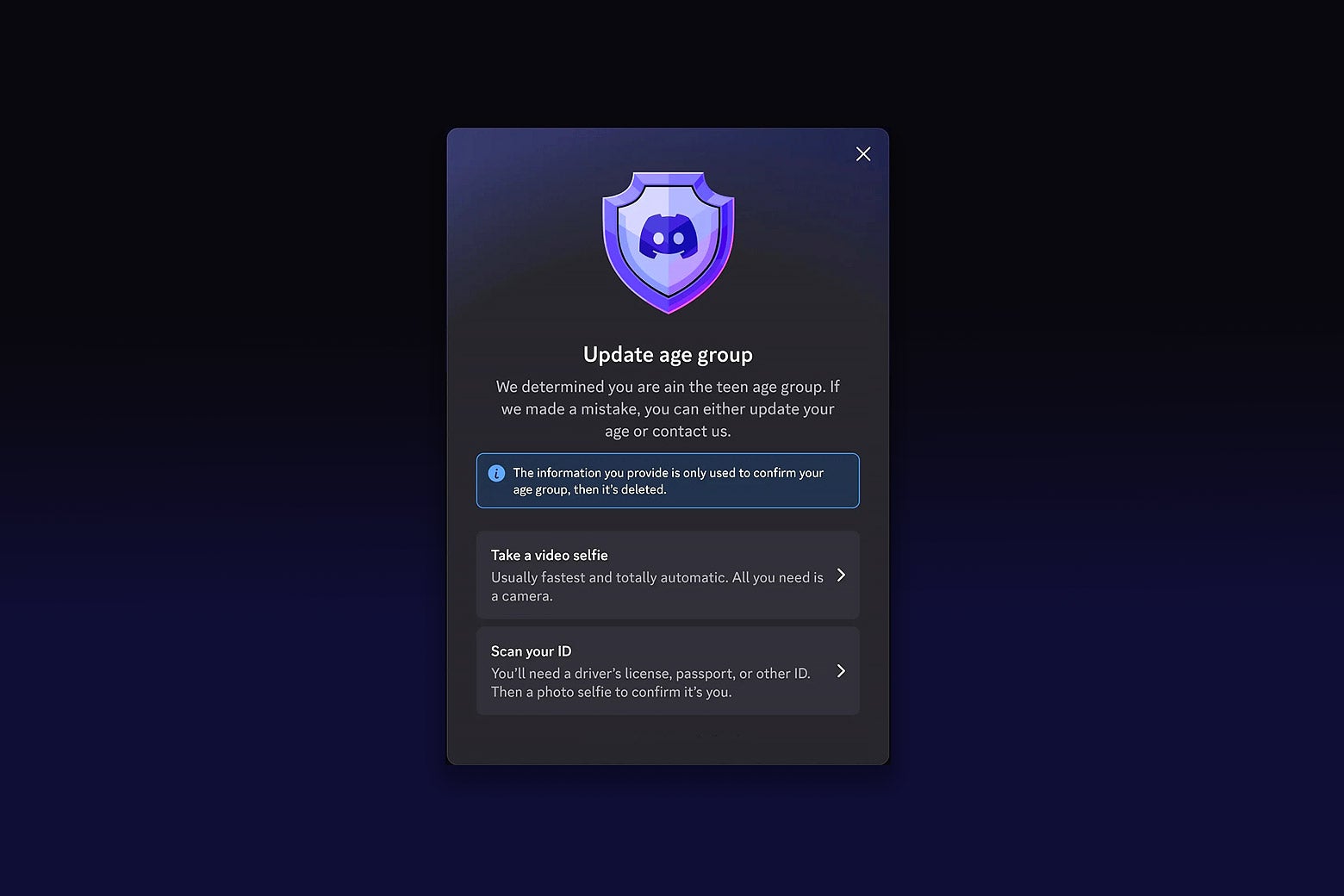
LinkedIn's verification process routes users' identity data to third-party firm Persona, which collects extensive biometric, location, and behavioral information and shares it widely.










Privacy professionals
fromDataBreaches.Net
1 week agoHHS OCR Settles HIPAA Security Rule Investigation with Top of the World Ranch Treatment Center - DataBreaches.Net
TWRTC paid $103,000 and agreed to corrective actions after failing HIPAA Security Rule risk analysis following a phishing breach exposing 1,980 patients' ePHI.



Privacy professionals
fromAdExchanger
1 week agoAd Tech Says It's Not In The Surveillance Business. Now Is The Time To Prove It | AdExchanger
Commercial ad tech and location-data tools risk being repurposed for government investigations, creating urgent privacy, ethical, and regulatory concerns for vendors and users.
fromhttps://www.wbrc.com
1 week agoWoman loses Facebook business account to person posing as social media influencer
"The buttons that he's telling me to push are not there. I don't use Zoom often so I'm feeling frustrated thinking that I don't know what I'm doing. He's getting frustrated, and he says, 'OK, let's just switch the Zoom call to your phone,'" Stotts said.
Privacy professionals
Privacy professionals
fromLos Angeles Times
1 week agoPlayboy founder's widow warns Hugh Hefner Foundation about pictures of underage girls
Crystal Hefner alleges Hugh M. Hefner's foundation holds scrapbooks and journals with sexual images, including possibly nonconsensual and underage photos, and seeks to block distribution.
fromElectronic Frontier Foundation
1 week agoSan Jose Can Protect Immigrants by Ending Flock Surveillance System
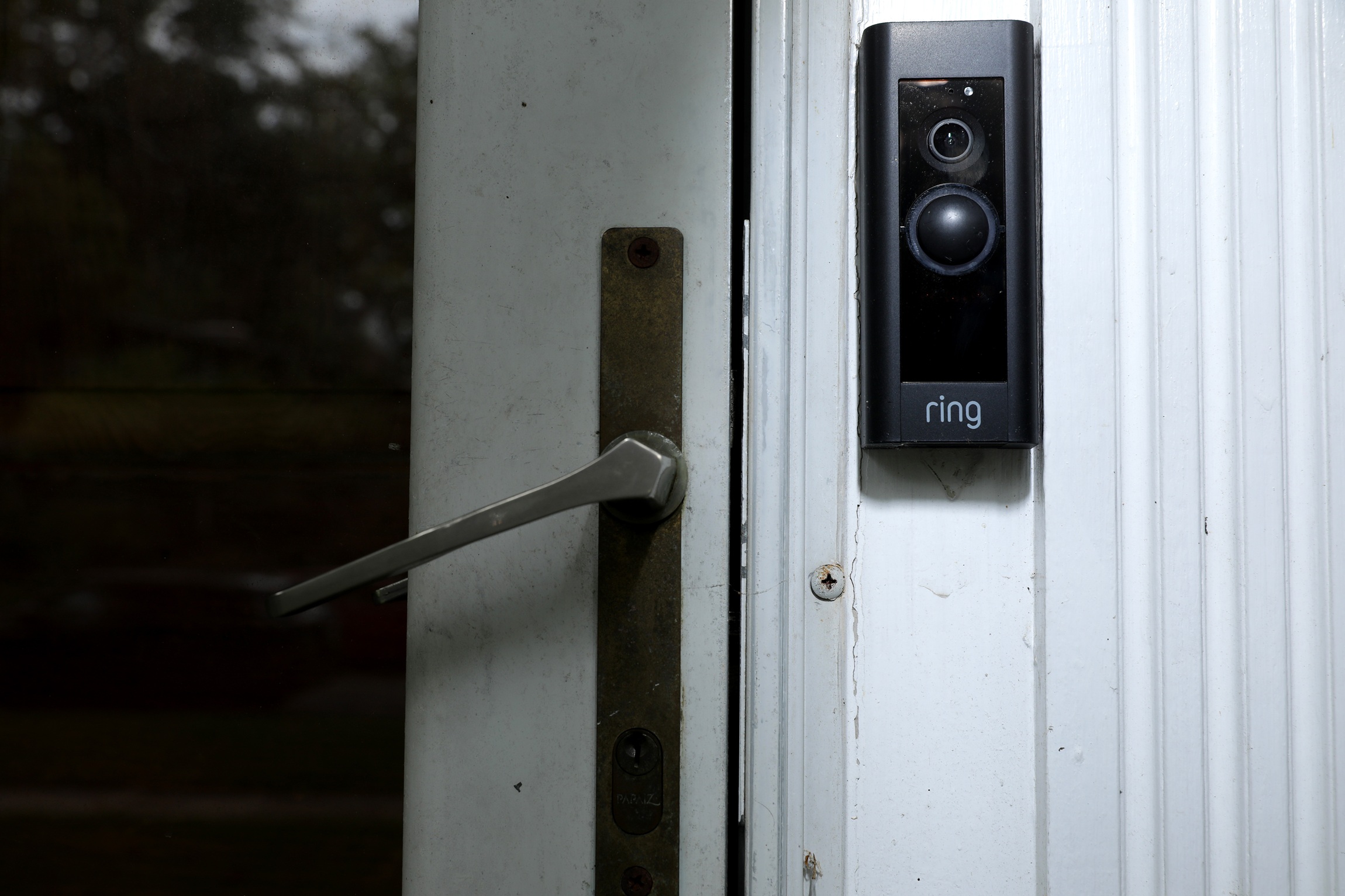
ALPRs are marketed to promote public safety. But their utility is debatable and they come with significant drawbacks. They don't just track "criminals." They track everyone, all the time. Your vehicle's movements can reveal where you work, worship and obtain medical care. ALPR vendors like Flock Safety put the location information of millions of drivers into databases, allowing anyone with access to instantly reconstruct the public's movements.
Privacy professionals





Privacy professionals
fromwww.cbc.ca
1 week agoWith some Canadians ready to embrace Chinese-made autos, experts note there are security risks | CBC News
Allowing limited Chinese-made electric vehicles into Canada raises privacy and cybersecurity concerns but many consumers prioritize vehicle quality, price, and availability over data risks.
Privacy professionals
fromDataBreaches.Net
1 week agoNevada unveils new statewide data classification policy months after cyberattack - DataBreaches.Net
Nevada implemented a four-tier data classification policy requiring agencies to categorize data as public, sensitive, confidential, or restricted, defaulting to the stricter classification if unclear.
Privacy professionals
fromDataBreaches.Net
2 weeks agoIt's 2026, but hospitals still haven't prevented snooping in celebrities' records - DataBreaches.Net
Hospital employees accessed and shared a celebrity patient's private medical information, took selfies while he was medicated, and took steps to conceal his presence.

fromABC7 San Francisco
1 week agoProminent school photography company Lifetouch under scrutiny amid Epstein files rumor: What to know
The rumors have caused concern among parents around the country. From Texas to here in California. Just this week, a school district in Salinas, California sent a letter to families addressing the rumor and saying it was untrue. Lifetouch too has responded, releasing a statement, which reads in part: "Lifetouch is not named in the Epstein files. The documents contain no allegations that Lifetouch itself was involved in, or that student photos were used in, any illicit activities."
Privacy professionals
Privacy professionals
fromThe IP Law Blog
1 week agoThe Briefing: Part Two: CCPA's New Rules on Risk Assessments and Cybersecurity Audits
California privacy law requires CCPA Risk Assessments and Cybersecurity Audits, defining triggers, evaluation criteria, required participants, and submissions to the California Privacy Protection Agency.


fromZacks
2 weeks agoPardon Our Interruption
As you were browsing something about your browser made us think you were a bot. There are a few reasons this might happen: You've disabled JavaScript in your web browser. You're a power user moving through this website with super-human speed. You've disabled cookies in your web browser. A third-party browser plugin, such as Ghostery or NoScript, is preventing JavaScript from running. Additional information is available in this support article. To regain access, please make sure that cookies and JavaScript are enabled before reloading the page.
fromSecuritymagazine
2 weeks agoShadow AI: The Invisible Insider Threat
Shadow AI is the unsanctioned use of artificial intelligence tools outside of an organization's governance framework. In the healthcare field, clinicians and staff are increasingly using unvetted AI tools to improve efficiency, from transcription to summarization. Most of this activity is well-intentioned. But when AI adoption outpaces governance, sensitive data can quietly leave organizational control. Blocking AI outright isn't realistic. The more effective approach is to make safe, governed AI easier to use than unsafe alternatives.
Privacy professionals
fromSecurityWeek
2 weeks agoApolloMD Data Breach Impacts 626,000 Individuals
The incident occurred between May 22 and May 23 and involved access to files containing personally identifiable information (PII) and protected health information (PHI) pertaining to affiliated physicians and practices. In an incident notice on its website, the company revealed that the hackers stole names, addresses, dates of birth, diagnostic details, provider names, dates of service, treatment information, and health insurance information.
Privacy professionals
fromElectronic Frontier Foundation
2 weeks agoOpen Letter to Tech Companies: Protect Your Users From Lawless DHS Subpoenas
In the past year, DHS has consistently targeted people engaged in First Amendment activity. Among other things, the agency has issued subpoenas to technology companies to unmask or locate people who have documented ICE's activities in their community, criticized the government, or attended protests. These subpoenas are unlawful, and the government knowns it. When a handful of users challenged a few of them in court with the help of ACLU affiliates in Northern California and Pennsylvania, DHS them rather than waiting for a decision.
Privacy professionals
fromTechCrunch
2 weeks agoGoogle sent personal and financial information of student journalist to ICE | TechCrunch
The search and advertising tech giant provided ICE with the usernames, physical addresses, and an itemized list of services associated with the Google account of Amandla Thomas-Johnson, a British student and journalist who briefly attended a pro-Palestinian protest in 2024 while attending Cornell University in New York. Google also turned over Thomas-Johnson's IP addresses, phone numbers, subscriber numbers and identities, and credit card and bank account numbers linked to his account.
Privacy professionals
Privacy professionals
fromSupercar Blondie
2 weeks agoWhat your employer can actually see when you're browsing at work is a truth everyone should be aware of
Employers can often monitor most browsing activity on company devices, VPNs, or work Wi‑Fi, and may access corporate app data even when working from home.
[ Load more ]