SF politics
SF politics
[ follow ]

SF politics
fromSan Francisco Bay Times
20 hours agoCalifornia Democratic Party 2026 State Convention - San Francisco Bay Times
The California Democratic Party 2026 State Convention endorsed State Senator Scott Wiener for Congress while declining to endorse any gubernatorial candidate, with Eric Swalwell receiving 24% of delegate votes, falling short of the required 60% threshold.
SF politics
from48 hills
1 day agoAnd now, another big tax cut for the developers and speculators in SF - 48 hills
San Francisco's proposed transfer tax cut on high-end property sales would reduce affordable housing funding without addressing the actual barrier to housing construction: economic feasibility of building itself.
SF politics
fromsfist.com
22 hours agoMayor Lurie Says DSA Protesters Were Chanting Tax the Jews,' But It Was Just One Unassociated Lady Passing By
Mayor Daniel Lurie falsely claimed protesters chanted 'Tax the Jews' at a Wednesday event, but video evidence debunks the claim, and the misinformation spread widely before correction.
from48 hills
22 hours agoThe real story behind Muni's budget deficit - 48 hills
Despite some idealistic intentions, that framework is in fact what put Muni in the financial hole in the first place. Working from a scarcity mindset, namely trying to preserve an already pilfered service, is a losing battle. To guarantee the service that citizens and workers expect from a city like San Francisco requires a committed vision of the future, one that centers Muni as the public good that it is.
SF politics
SF politics
fromsfist.com
1 day agoRepublican-Turned-Democrat Marie Hurabiell Joins Race for Nancy Pelosi's House Seat
Former Republican Trump appointee Marie Hurabiell enters San Francisco's congressional race, positioning herself as the only moderate candidate against three progressive opponents including Scott Wiener, Connie Chan, and Saikat Chakrabarti.
SF politics
fromsfist.com
2 days agoHumpday Headlines: SF to Establish 'ICE-Free Zones' On City Property
San Francisco established ICE-free zones on city property to protect undocumented immigrants accessing city services, while Oakland schools face 625 potential job cuts, BART noise remains unchanged, and Apple prepares to launch touch-screen Macs.
SF politics
fromwww.berkeleyside.org
2 days agoWhat future does police accountability have in Berkeley?
Berkeley's City Council fired Police Accountability Director Hansel Aguilar following months of tension with the Police Accountability Board, police department, and city agencies over oversight and reform efforts.

SF politics
fromStreetsblog
1 week agoCommentary: The West Portal Crash Wasn't Incomprehensible. But the Lack of Punishment Is - Streetsblog San Francisco
Reckless speeding and deliberate lane-weaving through a residential neighborhood that caused deaths demands strict penalties, license revocation, vehicle seizure, and safer street design.
fromsfist.com
1 week agoDay Around the Bay: MC Hammer Jumps Aboard Honorary Black History Month Cable Car
View this post on Instagram A post shared by SFMTA (@sfmta_muni) San Francisco Mayor Daniel Lurie only stepped in to help with negotiations during the teachers' strike a week and a half ago, even though they officially began negotiating a new contract almost a year ago, and an impasse was declared in October, leading to a practice strike in November. [Mission Local]
SF politics
fromMission Local
1 week agoMayor Lurie 'aware' of purported ICE arrest of 'elderly nanny' in S.F.
"I am in touch with the Rapid Response Network and community organizations to ensure communities continue to receive accurate information," Lurie said. "We are not aware of any other immigration enforcement action in the city today. We will continue to monitor the situation closely and remain committed to upholding the values and laws of our city."
SF politics

SF politics
fromABC7 San Francisco
2 weeks agoSF supervisors grill PG&E officials about mass outage last December, demanding accountability
Substation fire on Dec. 20 caused power loss to one-third of San Francisco; PG&E admitted responsibility amid delayed notifications and inequitable restoration to underserved neighborhoods.
fromKqed
2 weeks agoYIMBY Groups Sue San Francisco, Arguing Upzoning Doesn't Go Far Enough | KQED
Roughly a month after neighborhood and small business groups sued San Francisco over a housing plan they said went too far, a coalition of housing activists are filing their own suit arguing the city's plan doesn't go far enough. "We are here today on the precipice of St. Valentine's Day out of love: love for the San Franciscans who can't afford where they live, who are forgoing essential items like health care and saving for the future," she said.
SF politics

fromMission Local
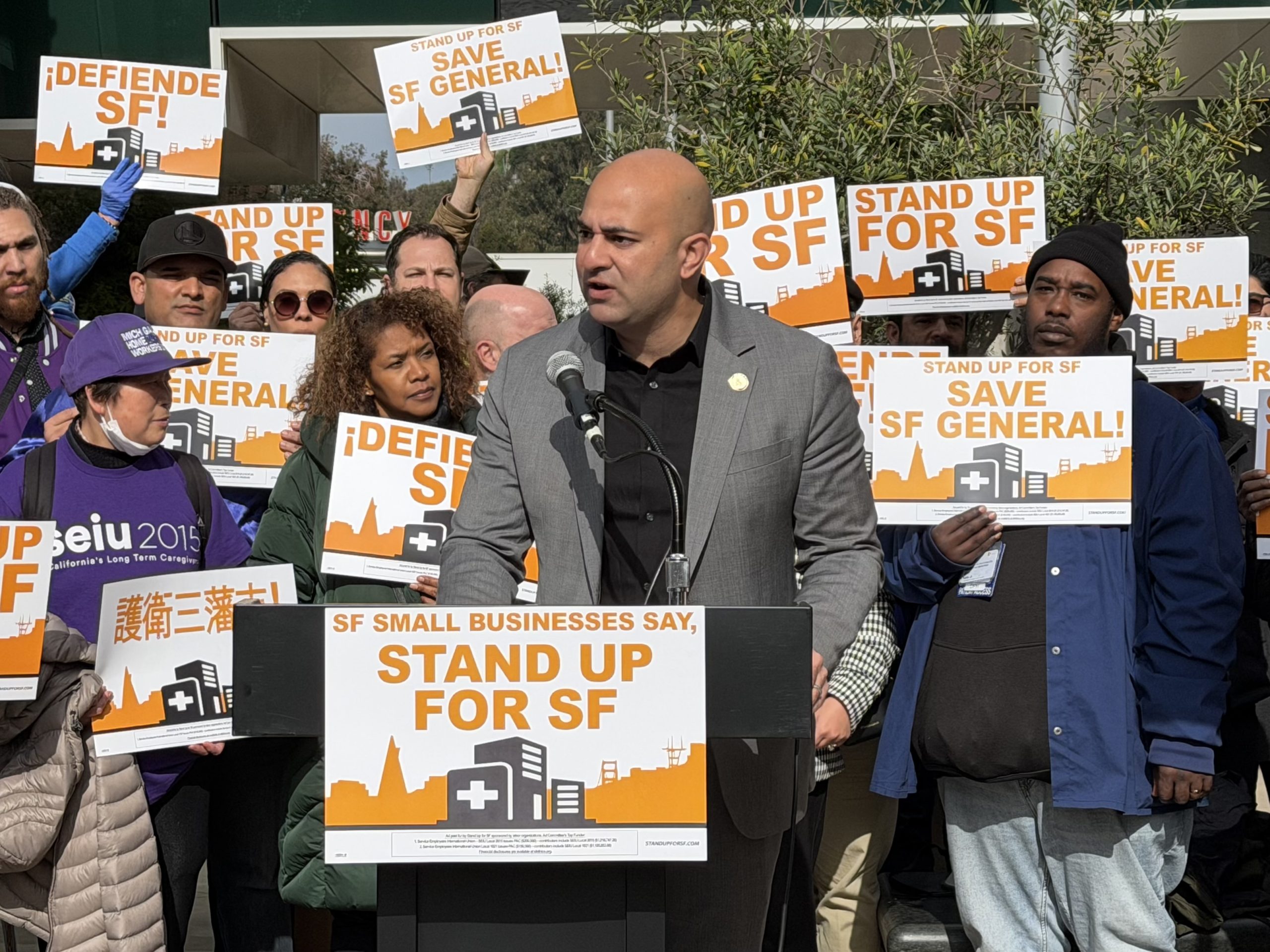
2 weeks agoActivists axe Zuckerberg from General Hospital in favor of Minnesota ICE victims
After coming off of the high of participating in citywide teacher strikes, a group of around 20 people gathered at Zuckerberg San Francisco General Hospital's courtyard for a different cause. "We're going to get the Zuckerberg off of San Francisco General Hospital," said Sasha Cuttler, a retired nurse and organizer of the event. The effort was simple; get a group of 10 people to replace each letter in Zuckerberg's name with a hand-made construction paper box to spell out "Pretti Good," the last names of two Minnesotans who were shot dead by federal immigration officers in Minneapolis.
SF politics
#public-safety

frommissionlocal.org
1 month agoSF politics
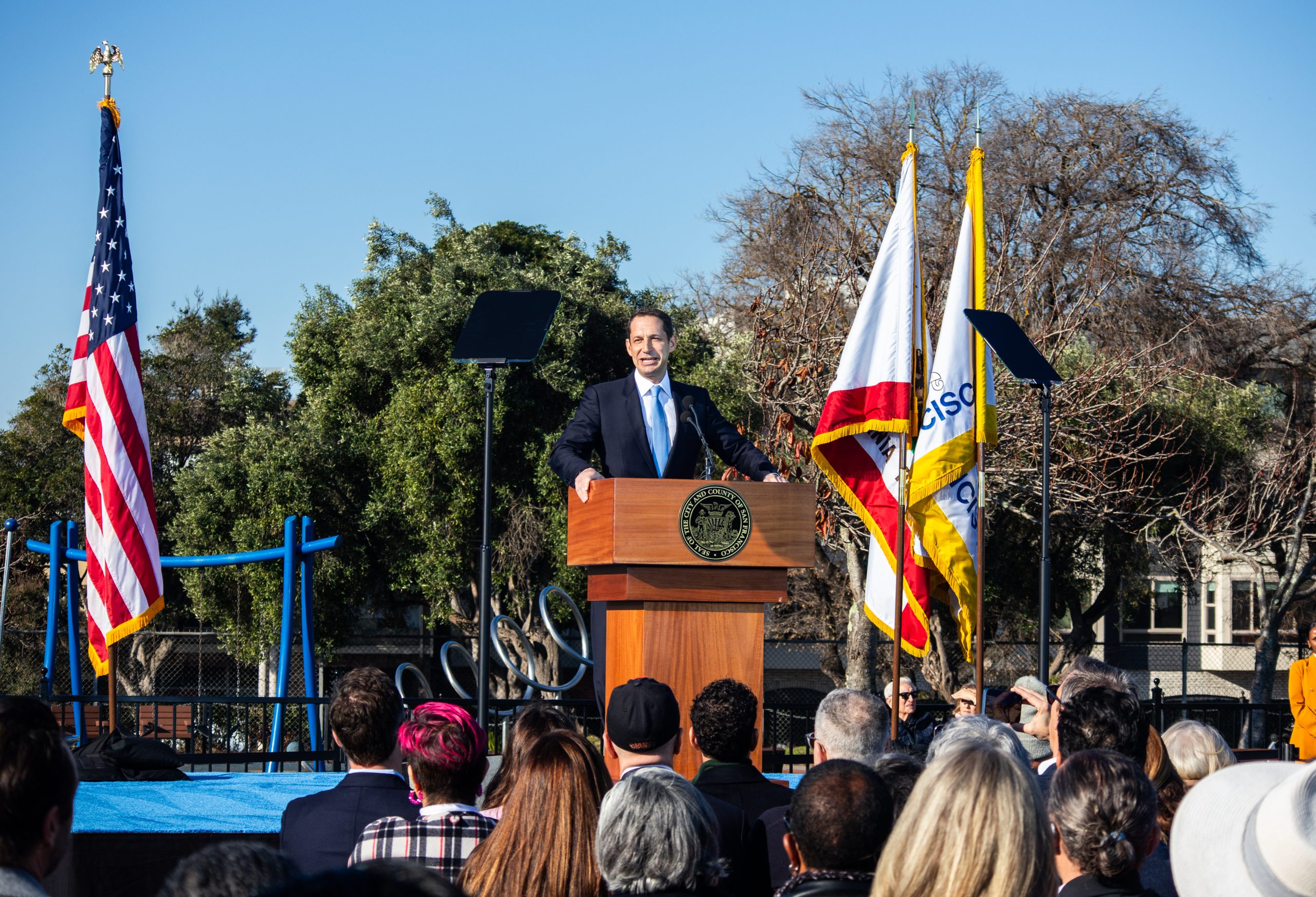
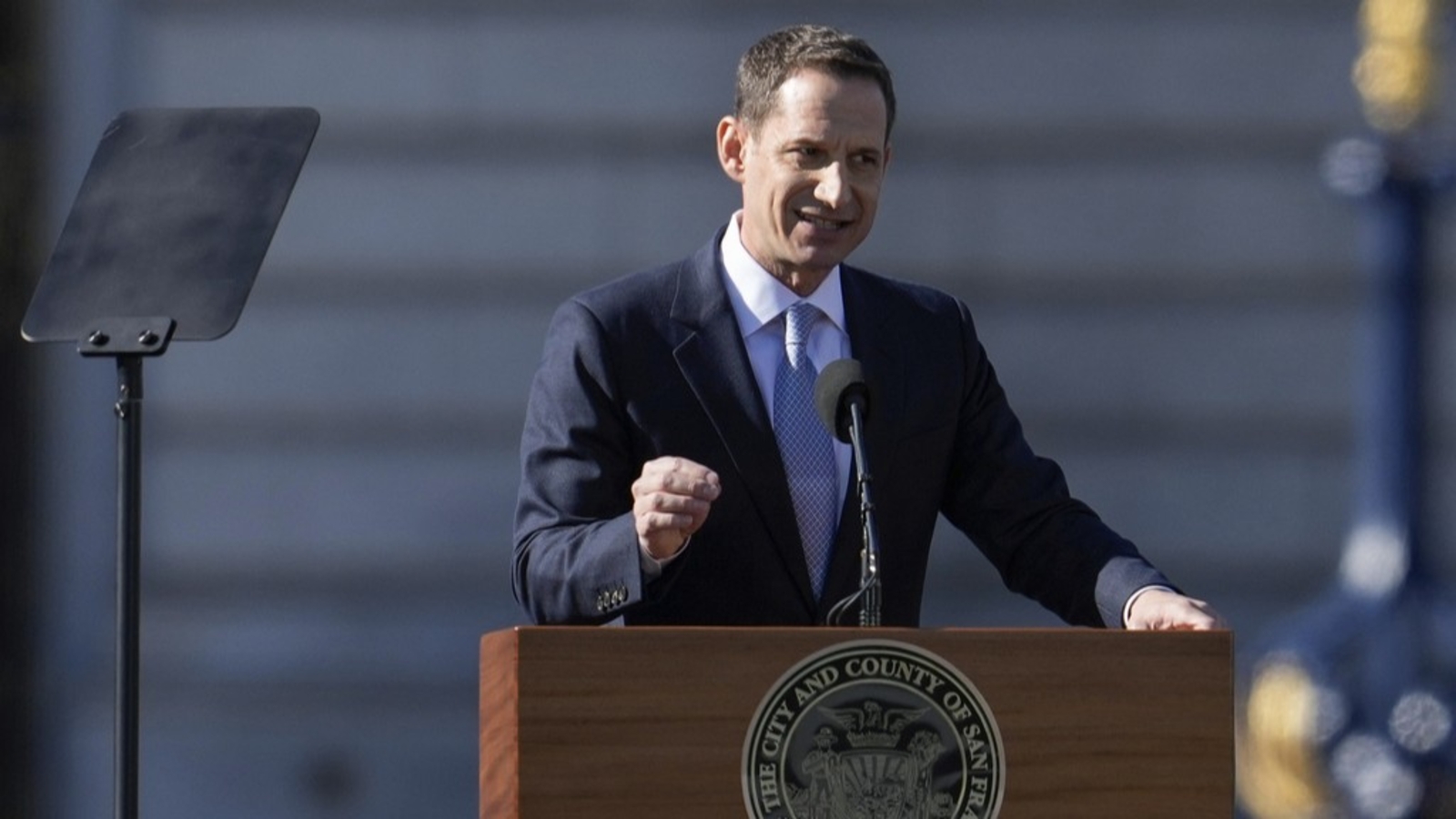
Daniel Lurie's state of the city: one part tough love, one part affordability
San Francisco experienced large public-safety improvements under Mayor Daniel Lurie, with marked drops in crime and initiatives to reduce open-air drug use and visible homelessness.
from48 hills
3 weeks agoSupes move forward $40 million tax break for luxury hotel-while key records remain secret - 48 hills
The Board of Supes Budget and Finance Committee Wednesday sent forward without recommendation a plan to give a private developer $40 million for a hotel project that appears to be a direct violation of the San Francisco Sunshine Ordinance. Supporters of the plan, including Mayor Daniel Lurie and Sup. Matt Dorsey, say that turning an old, historic office building on Third Street into a modern hotel would help revitalize downtown.
SF politics
SF politics
from48 hills
3 weeks agoSupes approve affordable senior housing project-but discussion raises larger issue - 48 hills
Unanimous Board approval lets an affordable senior housing project at Bernal Hill proceed despite neighborhood opposition, while SB 35 removes hearing rights for compliant projects.



SF politics
fromABC7 San Francisco
3 weeks agoHere's why SF's subsidized child care program could have negative impact on some preschools
San Francisco expanded subsidized childcare eligibility to higher-income families to retain families, funded by Proposition C and raising qualifying thresholds significantly.
fromMission Local
3 weeks agoMission food vendors say new S.F. rules could burn them
Mission District street food vendors say new regulations drafted by the Department of Public Health could run them out of business. "Our community is already living with so much uncertainty, costs have risen and our stability is fragile," said Rosi Villanueva, in Spanish. Villanueva was one of two dozen street food vendors who gathered on Tuesday for a rally at the 24th Street BART station.
SF politics
SF politics
fromMission Local
3 weeks agoS.F. supervisors say late-night store ban is working. Not so fast, say criminologists.
Supervisors expanded San Francisco's Tenderloin late-night convenience store curfew into SoMa, citing preliminary study results linking the ban to reduced crime despite cautionary caveats.
fromMission Local
4 weeks agoS.F. Mayor Lurie is 'committed to the future' of Mission Cultural Center site but offers few details
For 50 years, the non-profit MCCLA at 25th and Mission has run arts programming from the four-story building it leased from the city for a dollar a year. The Arts Commission has also given them funding, with the expectation that they will raise more funds from donors, classes and events. This month, however, the Mission Cultural Center ran out of money and on Jan. 26 it closed indefinitely.
SF politics
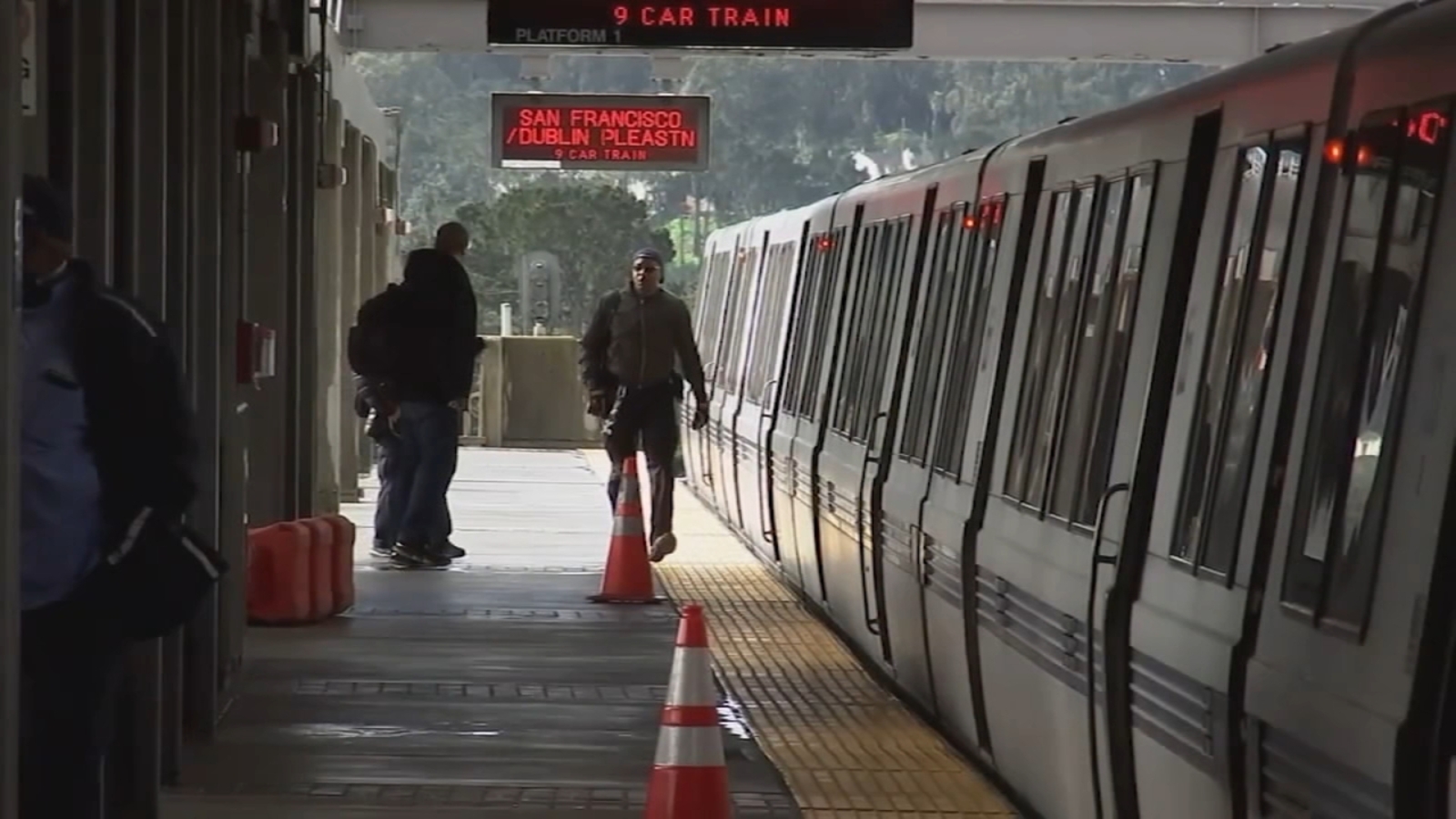
SF politics
fromABC7 San Francisco
4 weeks agoSF changes method to count unhoused; advocate believes it's political, will lead to undercount
San Francisco changed its Point-in-Time homeless count from an overnight volunteer-driven effort to an early-morning, staff-led count, removing community volunteers.
fromSocketsite
9 years agoMission District Development Redesigned but Opposition Remains
In an attempt to assuage concerns that the proposed four-story building to replace the shuttered Western Plywood warehouse at 2600 Harrison Street in the Mission is incompatible with the "design, scale and mass" of the neighborhood, Kerman Morris Architects has redesigned the project. The new design reduces the street-level wall along Harrison, includes a more open Production, Distribution & Repair (PDR) space, and adds an area with benches and raised planters along the street.
SF politics

SF politics
fromsfist.com
1 month agoSF Backs Off Plan to Landmark Noe Valley Church From the Movie Sister Act,' Because SF Archdiocese Doesn't Want It Landmarked
The San Francisco Catholic Archdiocese is opposing landmark designation for St. Paul's Church in Noe Valley despite its historical and architectural significance.
fromABC7 San Francisco
1 month agoBeloved 'Claude' the albino alligator honored with street renaming at Golden Gate Park
On Sunday, hundreds of people gathered in Golden Gate Park to celebrate the life and legacy of a San Francisco icon. The California Academy of Sciences honored Claude, the beloved albino alligator. Claude was 30 years old and lived at the academy for 17 years until his death last month. Sunday's festivities included a NOLA-style second line parade in a nod to Claude's Louisiana roots, a Claude costume contest for kids and stories shared by the late gator's care team.
SF politics
SF politics
fromABC7 San Francisco
1 month agoSF firefighters rally for retiree denied cancer treatment by Blue Shield as more come forward
Blue Shield denied cancer treatments for San Francisco firefighters, prompting investigations, union and mayoral intervention, and requests for other denied employees to come forward.
fromwww.mercurynews.com
1 month agoElias: San Francisco's Lurie faring better than L.A.'s Bass for the moment
Though he was better known before running for his charitable leadership as founder of the poverty-fighting nonprofit Tipping Point, Lurie immediately after getting elected began focusing on crime, homelessness, housing bottlenecks and quality-of-life issues like cleaning the streets. Lurie streamlined housing approvals, re-organized and sped up city safety responses, launched an anti-homelessness campaign and won a 73% approval rating at Thanksgiving among local voters.
SF politics
SF politics
fromMission Local
1 month agoS.F moves to combine building inspection, planning and permitting into one department
San Francisco will merge Building Inspection, Planning, and PermitSF into a single permitting agency to improve coordination, reduce time and cost, requiring charter change by mid-2027.

fromsfist.com
1 month agoMayor Daniel Lurie Seeks New State Legislation for Court-Ordered Mental Health Medication
Too many people in San Francisco are falling into crisis when intervention could and should come sooner. At the center of this effort is a simple reality: Stability is the gateway to recovery. For many people with severe mental illness, medication is what allows treatment to work at all. Without it, housing placements fail, care plans break down, and crises repeat themselvesoften with greater harm each time.
SF politics
fromStreetsblog
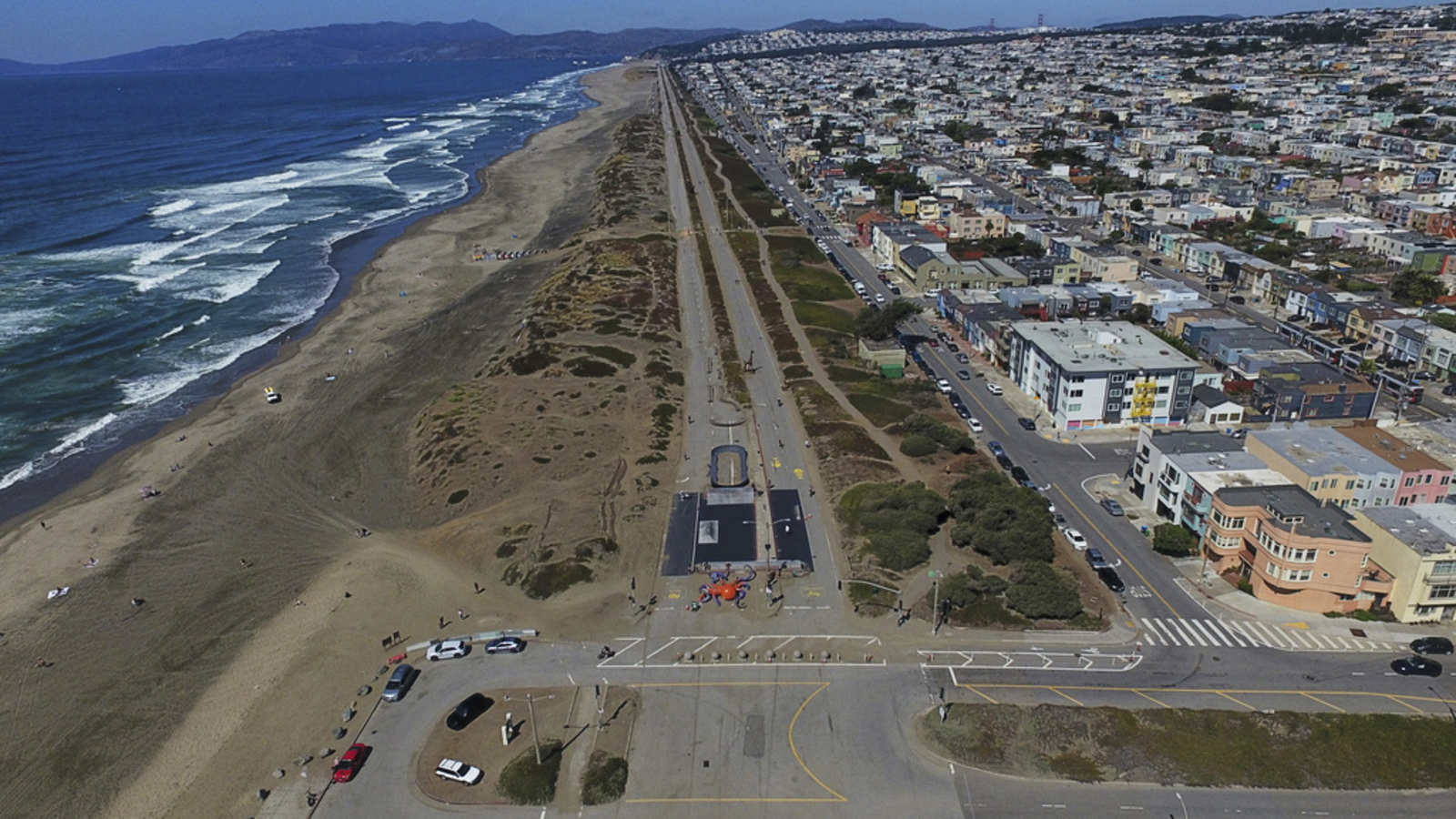
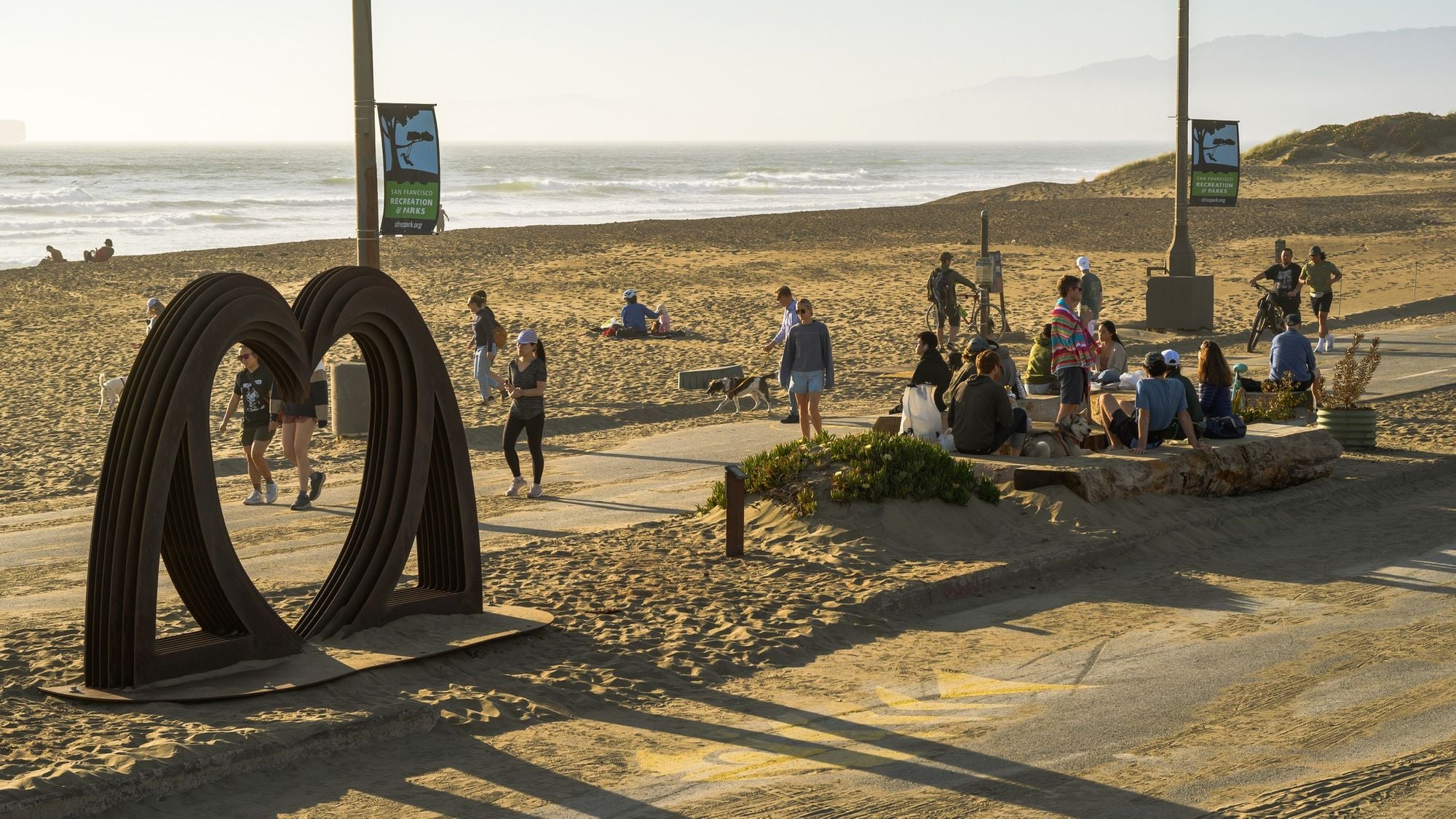
1 month agoThere's Zero Evidence Great Highway Closure Made Sunset Streets Less Safe - Streetsblog San Francisco
Did the Upper Great Highway closure make Sunset neighborhood streets less safe? Supervisor Alan Wong claimed it did at a January 8 press conference, citing a simple year-over-year map comparison of crash data. But my analysis, using the same DataSF crash data with rigorous statistical controls, finds no evidence to support that claim, and if anything, the data suggest the opposite.
SF politics
SF politics
fromMission Local
1 month ago"We're here to create something positive": pop-up at 16th Street BART seeks to activate the plazas
A city-led pilot activated 16th Street BART plazas with vendors, family activities, and community partners to reclaim public space and deter drug-related activity.
fromsfist.com
1 month agoLawsuit Filed to Stop Mayor Lurie's Upzoning Plan, Because of Course
Lurie's upzoning measure, which the Board of Supervisors approved last month and which comes in response to intense state pressure to build tens of thousands of new housing units in the next half-decade, would allow for six- to 10-story buildings on major thoroughfares in multiple parts of the west and north side San Francisco. But opponents fear the measure will lead to mass displacement of existing residents as older buildings are torn down for redevelopment, and will lead to altering the character of their neighborhoods.
SF politics
SF politics
fromMission Local
1 month agoS.F. Congressional candidates vying for Pelosi's seat stake out contrasts in first debate
Scott Wiener, Connie Chan, and Saikat Chakrabarti presented moderate and progressive competing visions in a high-attendance debate for Nancy Pelosi's San Francisco House seat.
fromInverse
1 month ago30 Years Ago, Star Trek Dropped A Chilling Political Thriller That Still Challenges Fans
In Star Trek: The Original Series, the USS Enterprise never returned to Earth. In The Next Generation, Picard's Enterprise-D visited every once in a while, and when debuted, the basic premise put the crew on the fringes of the Federation. But in a two-part thriller that aired 30 years ago, on January 1 and January 8, 1996, Deep Space Nine took a trip back to idealistic 24th-century Earth, where even paradise could turn into a snakepit.
SF politics
[ Load more ]