Agriculture
fromEarth911
3 days agoBiochar Was a Billion-Ton Dream, the Reality Is More Complicated
Biochar can store carbon and improve soil health, but recent analysis warns against overhyping its potential.
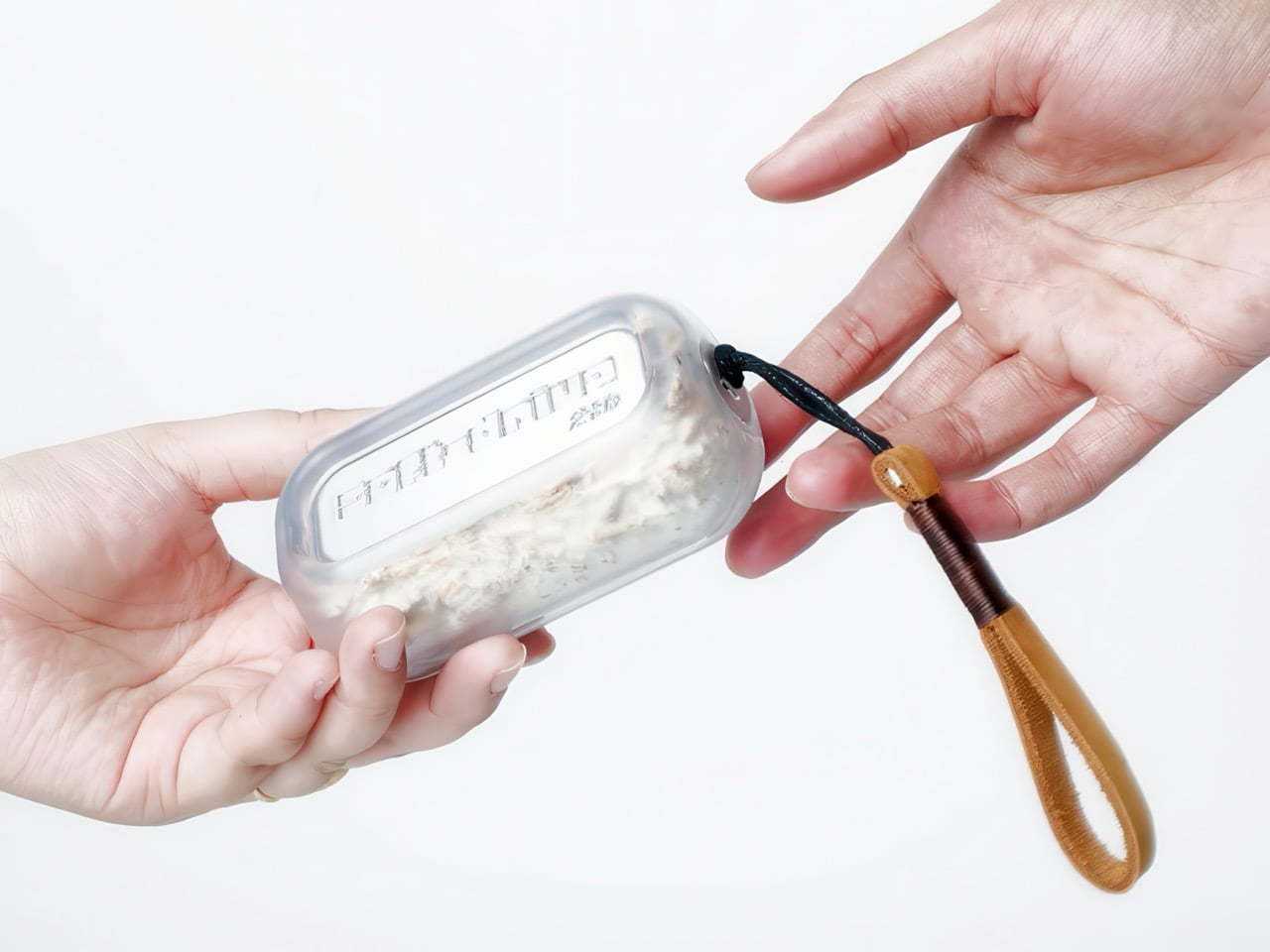
The body of the robotic fingers is built from polyglycerol sebacate, a synthetic elastomer made from glycerol and sebacic acid. Glycerol is a byproduct of biodiesel production while sebacic acid is derived from castor oil, and both of them are plant-based. Polyglycerol sebacate is safe since it is already used in medical implants because the body can absorb it without a toxic response.
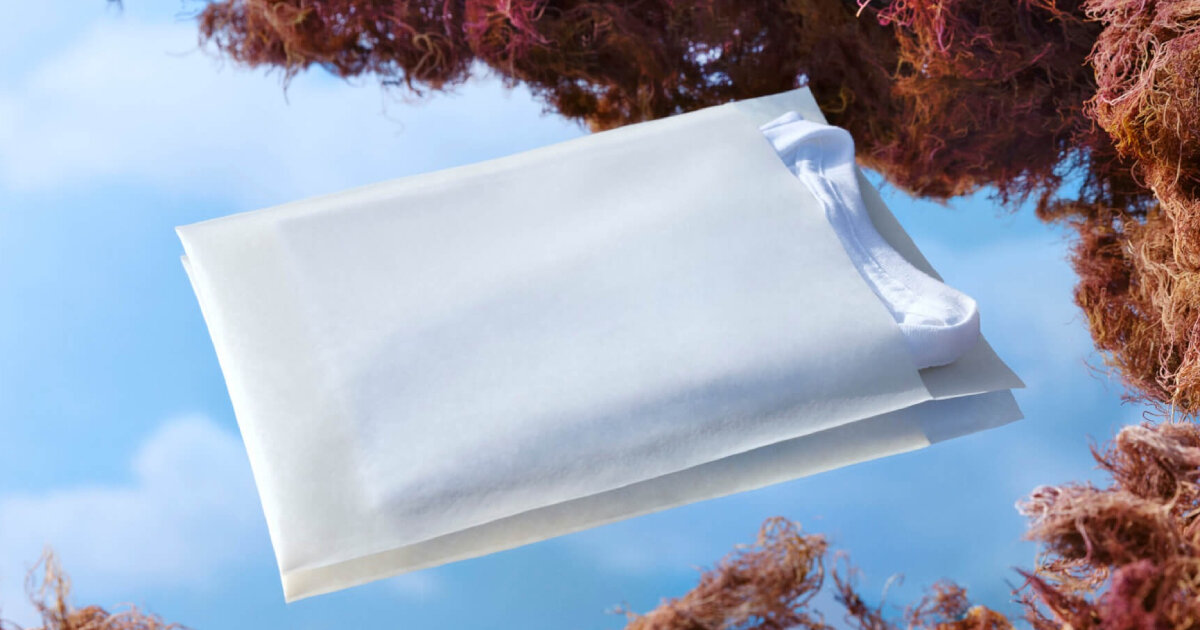
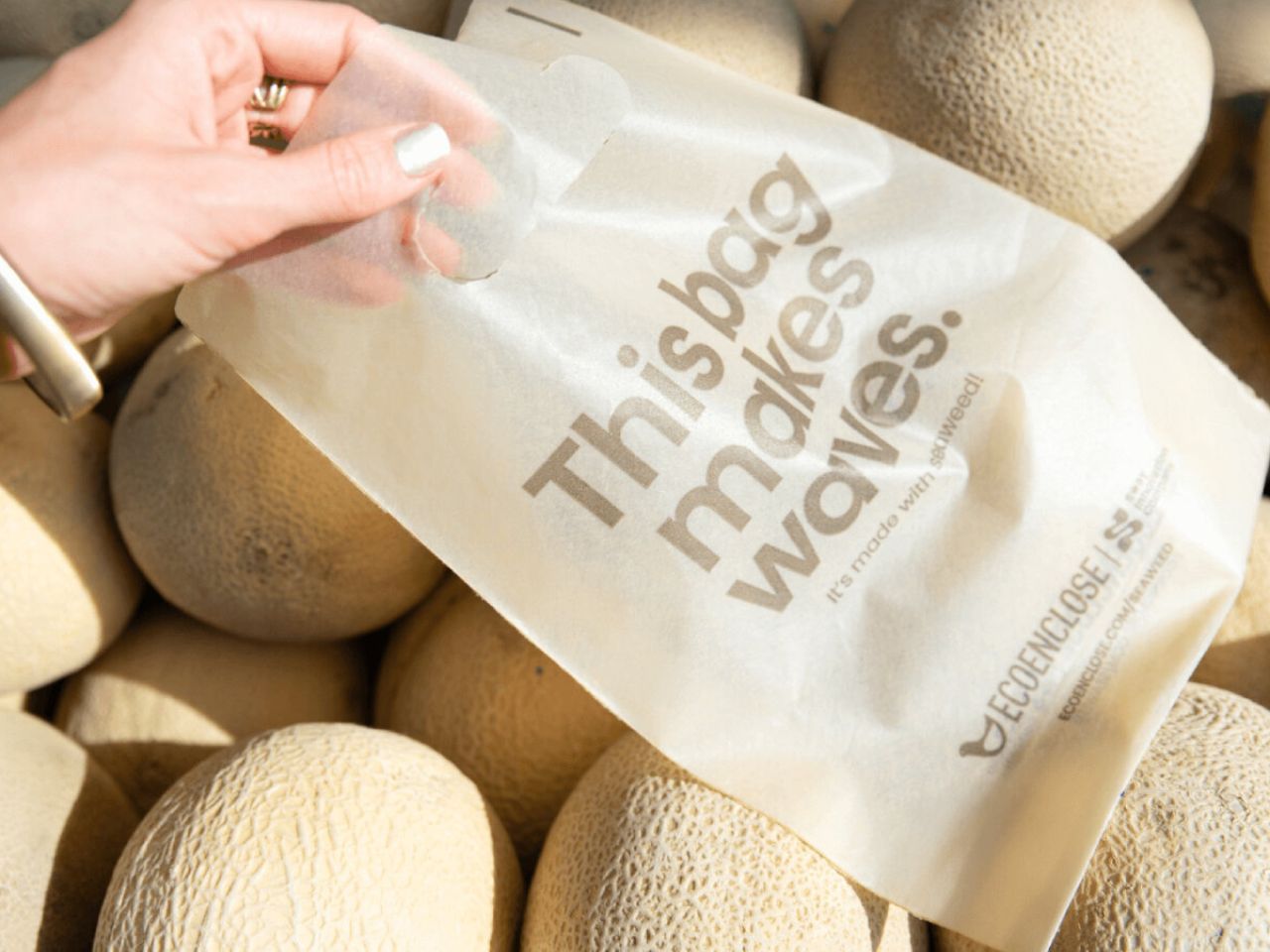
While you might assume that potato chip bags or other snack bags are recyclable, most are made from mixed materials. This means that the bags may contain plastic on the outside and an inner lining of plastic and aluminum film or foil. While the individual materials may be recyclable on their own, the only way they could be used is if the recycling facility has the means by which to separate the materials.
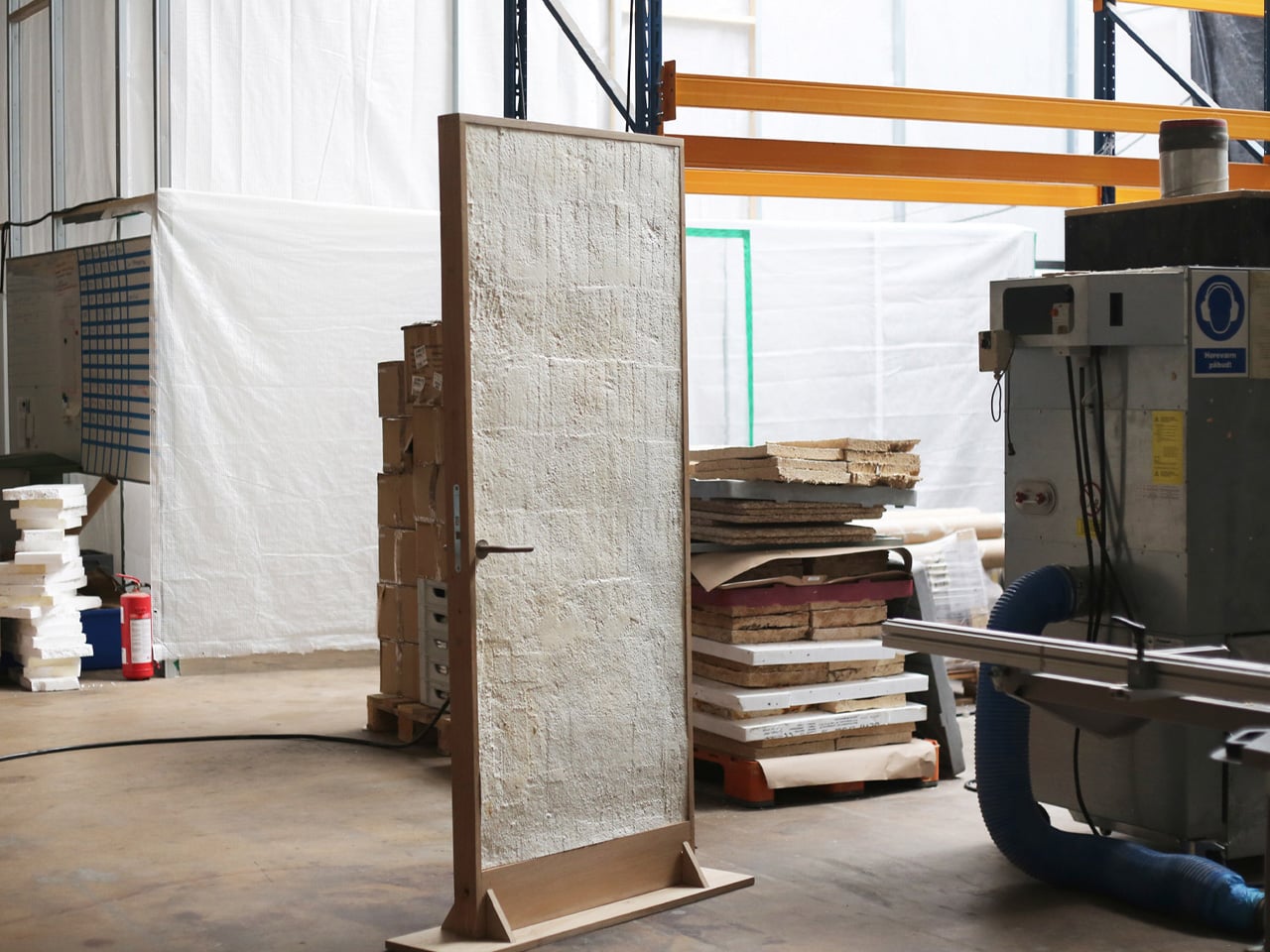
This corn-based construction material was made by Manufactura, a Mexican sustainable materials company, and it imagines a second life for waste from the most widely produced grain in the world. The project started as an invitation by chef Jorge Armando, the founder of catering brand Taco Kween Berlin, to find ways he could reintegrate waste generated by his taqueria into architecture. A team led by designer Dinorah Schulte created corncretl during a residency last year in Massa Lombarda, Italy.
Your eyes don't deceive you. The use of polyester has ballooned with time, according to Henry Navarro Delgado, an associate professor at Toronto Metropolitan University's school of fashion. It's partly because polyester can be quite useful, he said. It is a type of plastic made from petroleum compounds that are cooled and stretched into yarn, according to Michael Palladino, a fashion industry veteran and lecturer at Kingsborough Community College's business of fashion program in New York.
Last week, I was making my morning coffee-you know, the complicated order I'm too embarrassed to say out loud at coffee shops-when I noticed the pile of used grounds in my filter. For years, I'd been tossing these straight into the trash without a second thought. But then I remembered something my grandmother wrote in one of her letters years ago: "The garden teaches us that nothing is truly waste."
This research-based design project by Laura Oliveira investigates discarded as a potential raw material for sustainable design applications. Human hair is produced continuously and in large quantities through everyday grooming practices, yet it is almost always treated as waste once separated from the body and typically disposed of in landfills. Despite its material properties, strength, flexibility, and durability as a keratin-based protein fiber, its remains uncommon within design and research contexts.
Black plastic gets its color from carbon black pigment and is commonly used in food containers, such as meat or produce trays and take-out containers, as well as disposable coffee lids, plastic bags, and hard plastic items like DVD cases and planters. While plastic is one of the categories of things that we are encouraged to recycle - when we can't reuse or repurpose it - not all black plastic items can be recycled.