#brain-mri
#brain-mri
[ follow ]






#brain-initiative
Data science
fromNational Institute of Mental Health (NIMH)
1 month agoBRAIN Initiative: Data Archives for the BRAIN Initiative
The BRAIN Initiative data ecosystem provides domain-specific archives for long-term storage, curation, and community access to neuroscience research data, with continued funding essential for maintaining reproducible pipelines and accommodating exponential data growth.

Data science
fromNational Institute of Mental Health (NIMH)
1 month agoBRAIN Initiative: Data Archives for the BRAIN Initiative
The BRAIN Initiative data ecosystem provides domain-specific archives for long-term storage, curation, and community access to neuroscience research data, with continued funding essential for maintaining reproducible pipelines and accommodating exponential data growth.
#biological-computing
Science
fromTheregister
3 weeks agoInside datacenter where day starts with cerebrospinal fluid
Cortical Labs operates biological computers powered by living neurons that require daily maintenance with cerebrospinal fluid and precise atmospheric conditions to function and learn faster than classical computers while consuming less energy.

US news
fromwww.npr.org
1 month agoScientists make a pocket-sized AI brain with help from monkey neurons
Scientists compressed an AI visual system model from 60 million to 10,000 variables while maintaining performance, revealing how biological brains achieve efficiency and potentially advancing both neuroscience and artificial intelligence.
fromwww.scientificamerican.com
3 weeks agoThe gut microbiome may influence brain aging, mouse study suggests
Young, two-month-old lab mice housed with older, 18-month-old mice showed really impaired cognition. Researchers exposed young mice raised in a sterile, microbe-free environment to gut bacteria from old mice, causing the younger animals to perform worse on cognitive tests, as if they had prematurely aged, just like the cohoused mice.
Medicine
Science
fromNature
3 weeks agoScientists revive activity in frozen mouse brains for the first time
German researchers successfully cryopreserved and thawed mouse brains while preserving some neuronal functionality using vitrification, advancing toward potential future applications in brain protection and organ banking.
Medicine
fromNature
3 weeks agoMultidimensional profiling of heterogeneity in supratentorial ependymomas - Nature
Supratentorial ependymomas comprise distinct molecular subgroups with different fusion genes and cellular origins, requiring comprehensive analysis of malignant cell states across all subgroups to understand therapeutic resistance and patient outcomes.
fromMail Online
3 weeks agoIncredible map reveals how the brain processes different emotions
They created an artificial 'mental map', with pleasantness along one axis and bodily reactions along the other, and charted how the brain responded while watching clips from films. The results revealed clear groupings in the way that our brains represent emotion - with guilt, anger and disgust in one corner and happiness, satisfaction and pride in the other.
Science
fromPsychology Today
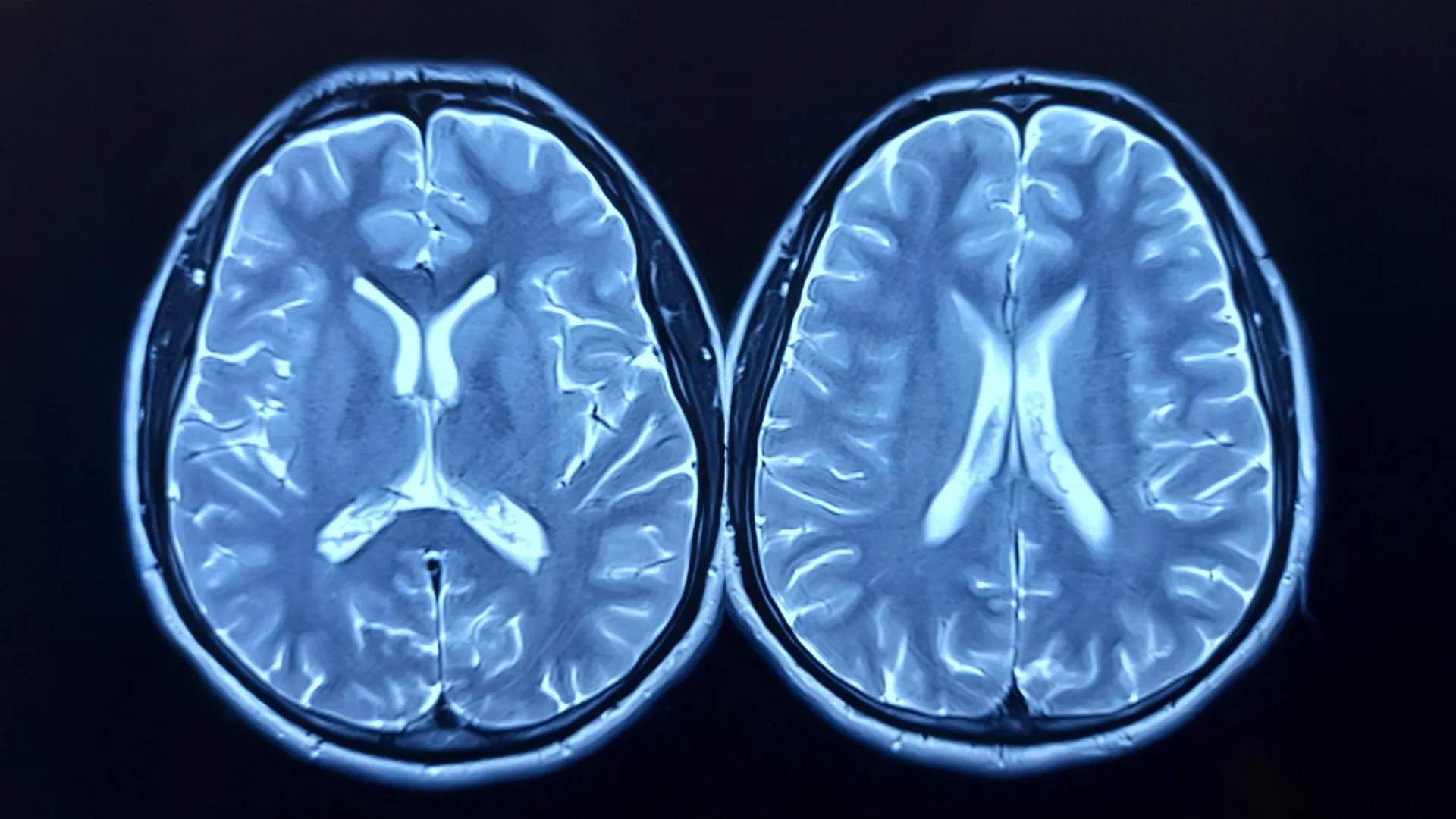
1 month agoAI Spots Brain Disorders in Seconds From Scans
According to University of Michigan neuroscientists, not only can their AI vision language model diagnose neurological disorders from MRI scans with high performance accuracy, but it also has foundation model capabilities, making it a flexible, general-purpose solution that can be tailored for a wide variety of medical imaging. "These results demonstrate that Prima has foundation model properties, and reported performance will continue to improve with additional health system training data and larger compute budgets," wrote the study's authors in the preprint.
Artificial intelligence
fromFast Company
17 years agoTalking About Nerve!
I received an email recently that claims Wal-Mart senior management has been calling mandatory meetings for the company's employees in which the employees are told they "cannot" vote for the Obama-Biden ticket "or any other employee-friendly, union-friendly candidates for political office". It's not an urban legend, according to the sources I checked. This makes me so angry I just boil. When it comes to the Constitution, I am a rabid supporter.
fromPsychology Today
1 month agoCould Glial Cells Be the Key to New Schizophrenia Treatments?
Anyone living with schizophrenia understands the true limitations of current treatment options. Antipsychotics remain the single leading treatment for the disorder, and they are riddled with undesirable side effects. Weight gain, tardive dyskinesia, and excessive drowsiness are a few. Much research is devoted to expanding the range of medication options, and few academics have pursued other avenues. However, there is a possibility that treatment for schizophrenia can be approached through cellular methods if long-term research validates early signs of hope.
Mental health
fromSilicon Canals
1 month agoNeurologists reveal the everyday habit that doubles your dementia risk - Silicon Canals
A groundbreaking study found that adults who sit for 10 or more hours daily face a significantly higher risk of dementia compared to those who sit less. The research, which tracked over 50,000 adults using wearable devices, revealed that the risk increases dramatically after crossing that 10-hour threshold.
Health
fromwww.nytimes.com
2 months agoBrain Health Challenge: Try a Brain Teaser
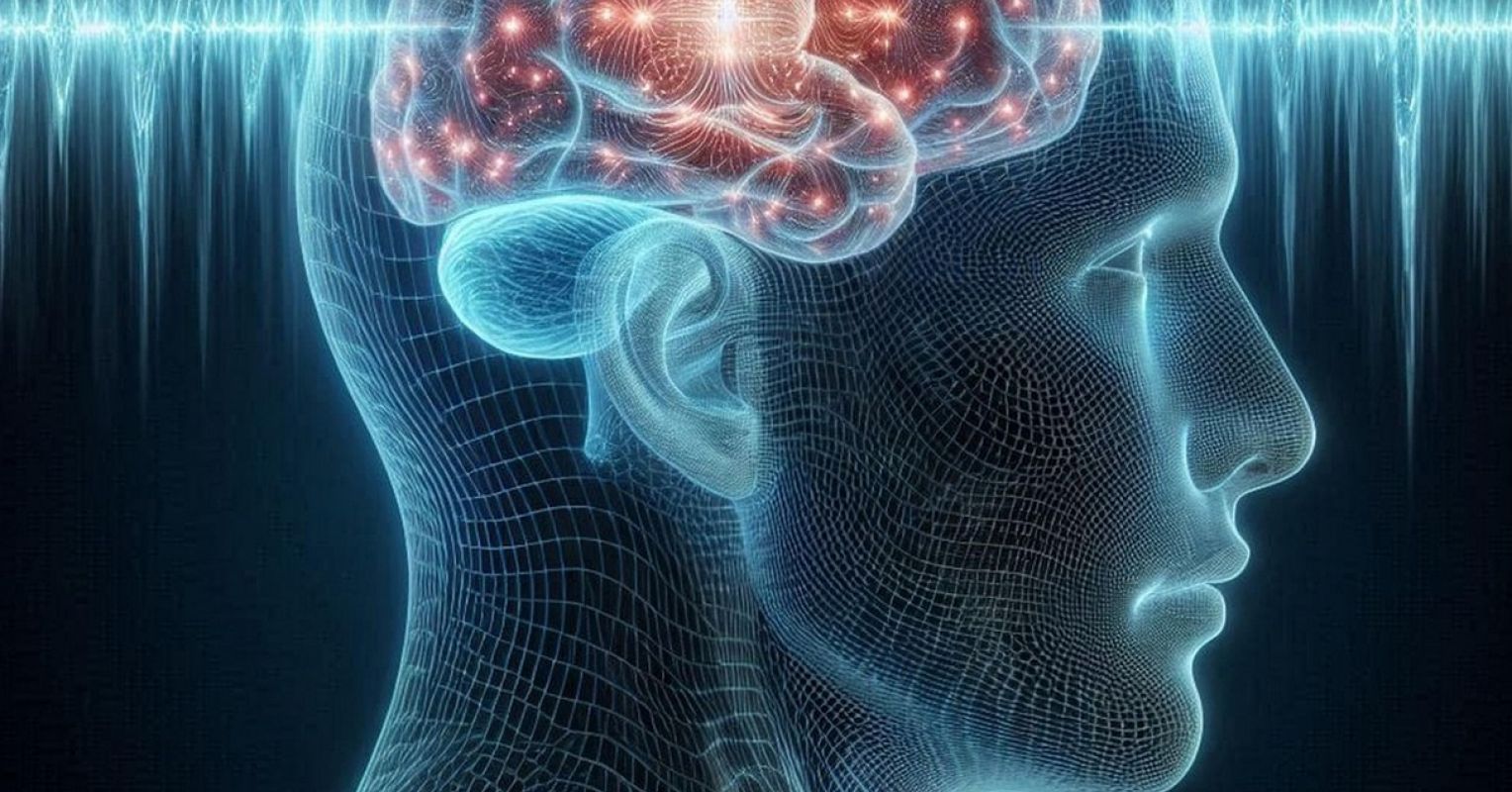
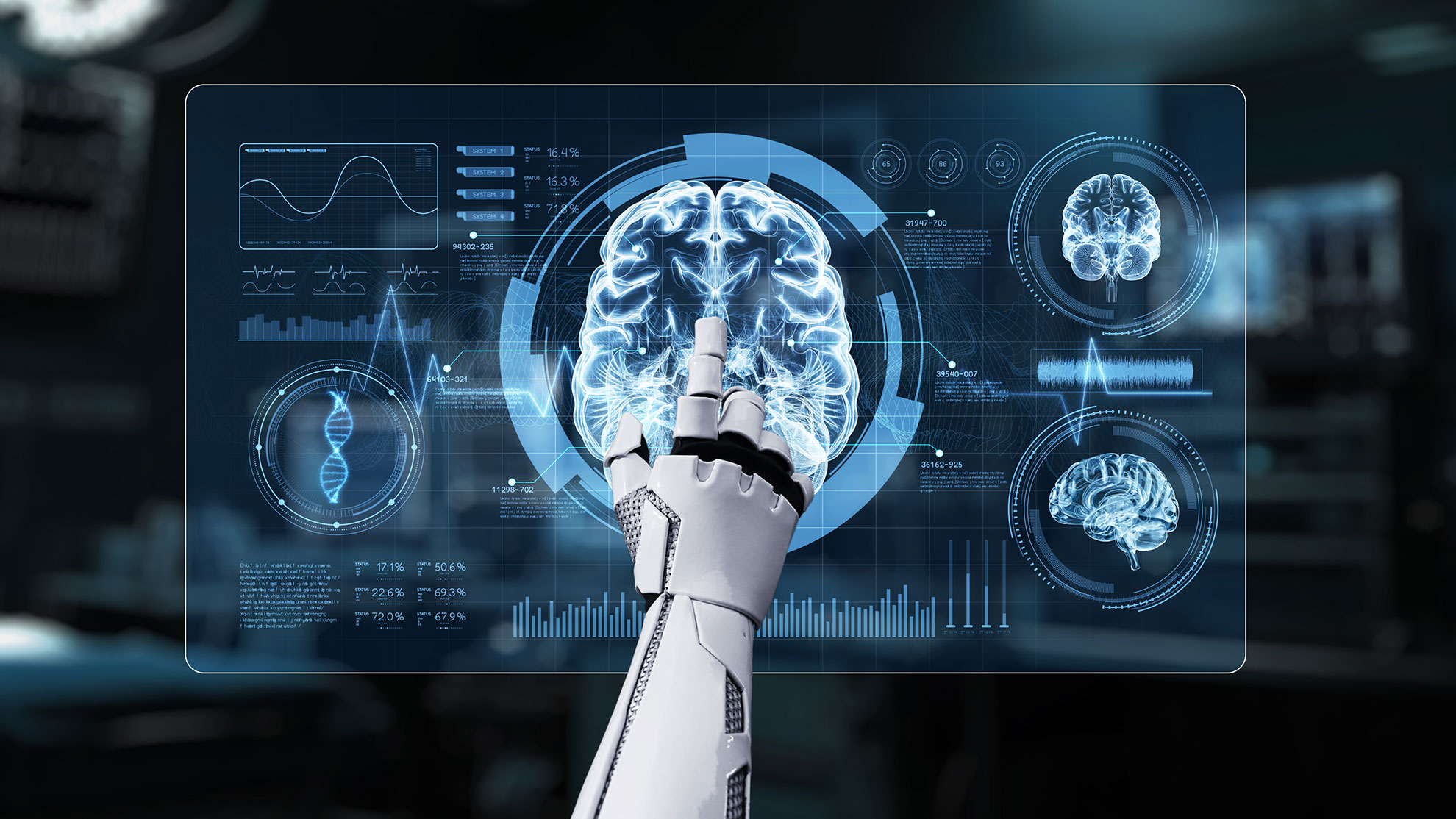
Decades of research show that people who have more years of education, more cognitively demanding jobs or more mentally stimulating hobbies all tend to have a reduced risk of cognitive impairment as they get older. Experts think this is partly thanks to cognitive reserve: Basically, the more brain power you've built up over the years, the more you can stand to lose before you experience impairment.
Public health
fromPsychology Today
2 months agoAI-Decoded Brain Signals May Help Paralyzed Regain Movement
Artificial intelligence (AI) machine learning is making a difference in assistive technology to help restore movement for the paralyzed. A new study in the American Institute of Physics journal APL Bioengineering shows how AI has the potential to restore lower-limb functions in those with severe spinal cord injuries (SCIs) by identifying patterns in brain signals captured noninvasively via electroencephalography (EEG).
Artificial intelligence
fromwww.nytimes.com
2 months agoBrain Health Challenge: Workouts to Strengthen Your Brain
When I asked neurologists about their top behaviors for brain health, they all stressed the importance of physical activity. Exercise is top, No. 1, when we're thinking about the biggest bang for your buck, said Dr. Gregg Day, a neurologist at the Mayo Clinic. Numerous studies have shown that people who exercise regularly tend to perform better on attention, memory and executive functioning tests. There can be a small cognitive boost immediately after a workout, and the effects are sustained if people exercise consistently.
Health
fromPsychology Today
1 month agoDaily Prophets: How Your Brain Predicts the Future
I am a worrier, and have been for most of my life. At some point, someone dear and smart teased me that I worry about the wrong things. The things that hit me, she noted, were never the things I worried about. For a while that left me feeling like an incompetent worrier-until my research caught up. I realized that the things I worry about often don't end up hurting me precisely because worrying helps me diffuse them ahead of time.
Psychology
fromPsychology Today
2 months agoWhen Memory Worries Deserve Attention
Most people will forget a name, misplace their phone, or lose track of a conversation at some point. Usually, those moments pass without much thought. But for many adults, especially as they age, small lapses can trigger a much deeper fear: Is this the beginning of cognitive decline? As a neurologist, I hear this concern often. And as a researcher, I have learned something important: Worry about cognition and cognitive disease are not the same thing.
Mental health

fromFuturism
2 months agoScientists Preparing to Simulate Human Brain on Supercomputer
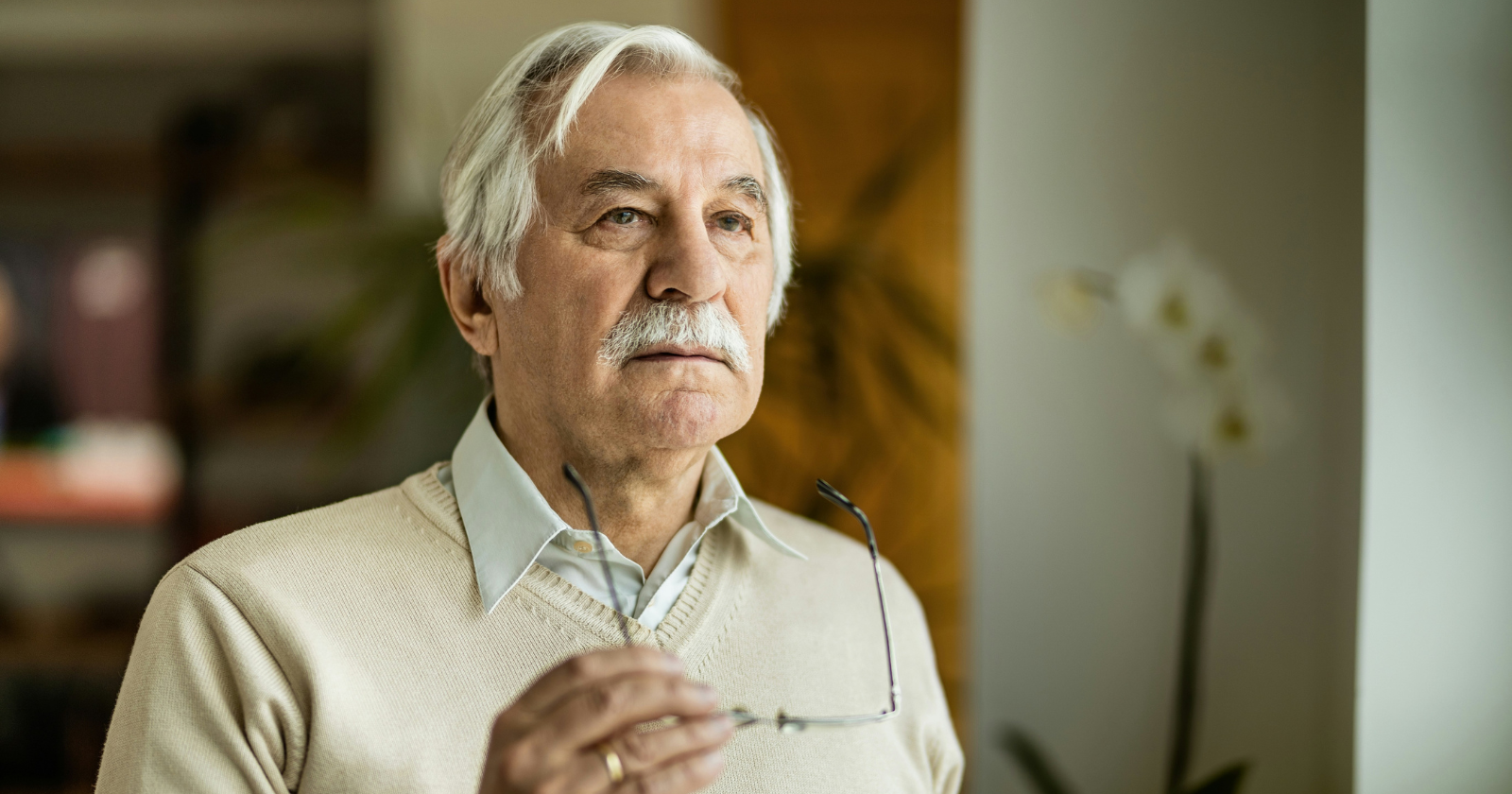
The team, which is being led by Jülich neurophysics professor Markus Diesmann, will leverage the Joint Undertaking Pioneer for Innovative and Transformative Exascale Research (JUPITER) supercomputer for their simulation. JUPITER is currently the fourth most powerful supercomputer in the world according to the TOP500 list, and features thousands of graphical processing units. The team demonstrated last month that a " spiking neural network " could be scaled up and run on JUPITER, effectively matching the cerebral cortex's 20 billion neurons and 100 trillion connections.
Science
fromwww.scientificamerican.com
1 month agoAlzheimer's blood tests may predict when a person will develop symptoms
But questions remain about the accuracy and uncertainty of these tests, and experts caution that the assays aren't ready for prime time. While the results here are encouraging, they are not yet at the level of having significant clinical benefit for individual patients, says Corey Bolton, a clinical neuropsychologist and an assistant professor of medicine at Vanderbilt University Medical Center, who was not involved in the new study.
Medicine
fromBig Think
2 months agoComputational model discovers new types of neurons hidden in decade-old dataset
There was a group of neurons that predicted the wrong answer, yet they kept getting stronger as the model learned. So we went back to the original macaque data, and the same signal was there, hiding in plain sight. It wasn't a quirk of the model - the monkeys' brains were doing it too. Even as their performance improved, both the real and simulated brains maintained a reserve of neurons that continued to predict the incorrect answer.
Science
fromFast Company
2 months agoHow to train your brain like your muscles, according to a neurologist
It might come as a surprise to learn that the brain responds to training in much the same way as our muscles, even though most of us never think about it that way. Clear thinking, focus, creativity, and good judgment are built through challenge, when the brain is asked to stretch beyond routine rather than run on autopilot. That slight mental discomfort is often the sign that the brain is actually being trained, a lot like that good workout burn in your muscles.
Science
fromNature
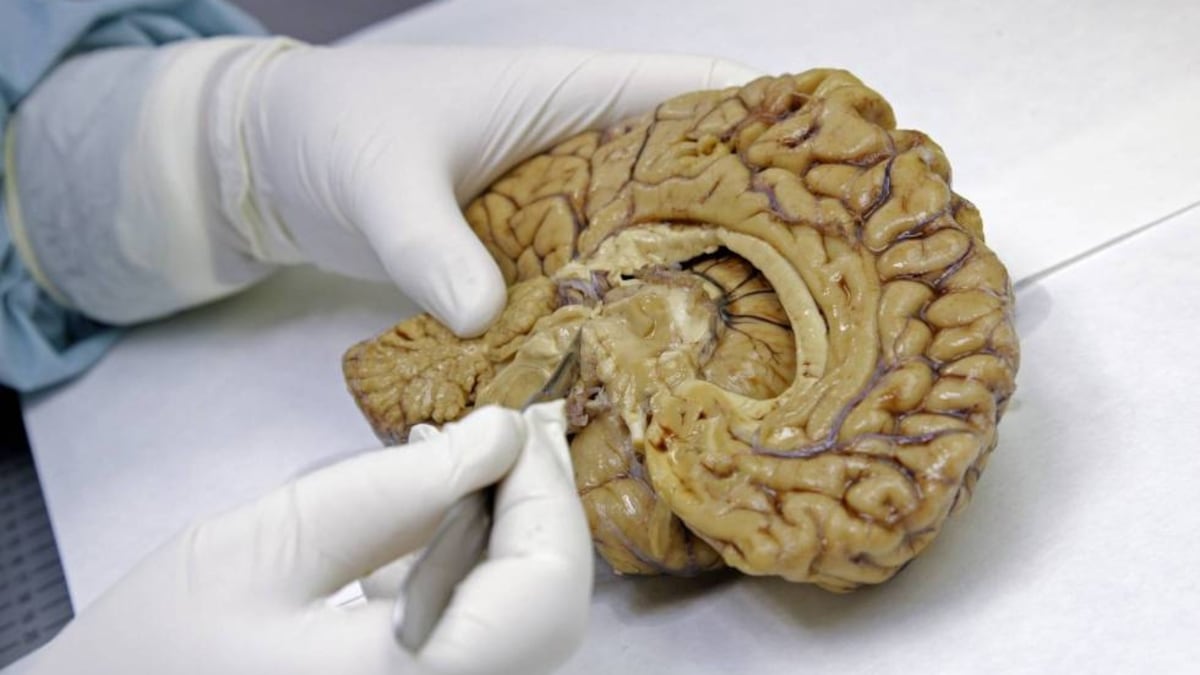
2 months agoStill conscious? Brain marker signals when anaesthesia takes hold
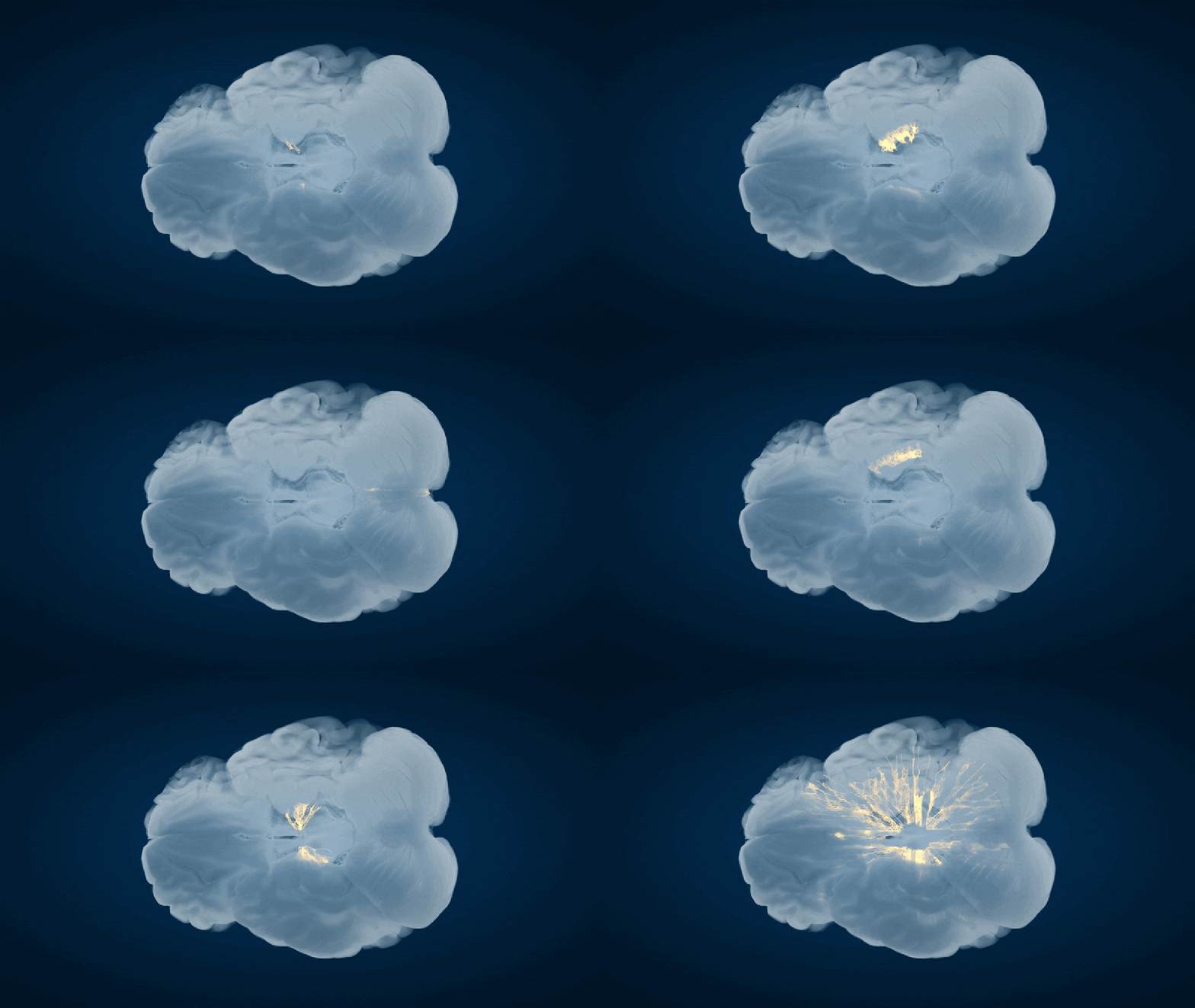
They then used emerging mathematical methods to isolate signals originating from nine brain regions previously implicated in mediating consciousness and examined connections between pairs of these regions. Among them were the parietal cortex, which is at the top of the brain about halfway between the forehead and the back of the skull; the occipital cortex, at the back of the head; and several small, deeper structures, such as one called the thalamus.
Medicine
Science
fromHarvard Gazette
2 months agoWant to speed brain research? It's all in how you look at it. - Harvard Gazette
SmartEM uses machine learning to guide common single-beam scanning electron microscopes in real time, increasing scanning speed sevenfold and democratizing high-resolution connectomics.
fromNature
1 month agoDaily briefing: Tumours use neurons as hotline to the brain
Tumours lure and then hijack nearby sensory neurons to boost their own growth. The cancer cells use these neurons to send a signal to the brain that subdues the activity of immune cells around the tumour, which allows it to grow unchecked. When researchers deactivated these neurons in mice with lung cancer, they saw "a huge, dramatic reduction" in tumour growth - more than 50% - says cancer immunologist and study co-author Chengcheng Jin.
Science
fromBustle
1 month agoHere's What's Actually Happening To Your Brain During A Migraine
If you get migraines, you already know they don't just stay in your head. The pounding pain might be the headline symptom, but the real story is how an attack can throw your entire body out of whack - making light feel blinding, everyday sounds unbearable, and even simple texts impossible to answer. That's because a migraine isn't just about sore neck muscles or scalp tension. It's a full-body neurological event, driven by a cascade of changes in the brain.
Medicine
fromMail Online
2 months agoBacteria found the eyes could drive dementia, experts discover
To make their discovery, researchers examined donated eye tissue from more than 100 people who had died with Alzheimer's, mild cognitive impairment or no signs of dementia. They were looking specifically for C. pneumoniae, because previous research has already linked it to Alzheimer's. The bacteria has also been detected in brain tissue from patients who died with the condition, sometimes found close to the sticky amyloid plaques and tangles believed to drive memory loss and confusion.
Medicine
fromNature
1 month agoDaily briefing: Caffeine might reduce dementia risk and slow cognitive decline
Researchers used data from two health studies to track the caffeine-drinking habits of more than 130,000 people over four decades. They found that drinking 2-3 cups of coffee or 1-2 cups of tea a day was associated with the greatest reductions in rate of cognitive decline, a result that held true even in people with a genetic variant called APOE4, which is associated with Alzheimer's disease.
Medicine
[ Load more ]