#copyright
#copyright
[ follow ]
#disclaimer #liability #accuracy #intellectual-property #ai #content-accuracy #figure-skating #youtube



#ai

Intellectual property law
fromFuturism
3 weeks agoAnthropic Suddenly Cares Intensely About Intellectual Property After Realizing With Horror That It Accidentally Leaked Claude's Source Code
Anthropic's copyright takedown request for its AI model's source code highlights hypocrisy in its stance on copyright laws.
#patent-law
fromIPWatchdog.com | Patents & Intellectual Property Law
2 weeks agoIntellectual property law
Other Barks & Bites for Friday, April 10: DISH Wins Copyright Appeal Over Arabic TV Retransmissions; Fifth Circuit Awards Google Transfer on Mandamus; and Third Circuit Says Online Publication of Copyrighted Building Codes is Transformative
Intellectual property law
fromIPWatchdog.com | Patents & Intellectual Property Law
2 weeks agoOther Barks & Bites for Friday, April 10: DISH Wins Copyright Appeal Over Arabic TV Retransmissions; Fifth Circuit Awards Google Transfer on Mandamus; and Third Circuit Says Online Publication of Copyrighted Building Codes is Transformative
The article covers significant legal developments in copyright and patent issues, including court rulings and corporate partnerships in the AI sector.
#intellectual-property
fromIPWatchdog.com | Patents & Intellectual Property Law
5 months agoIntellectual property law
Other Barks & Bites for Friday, November 7: CJEU Action Against EU Commission Referred Over SEP Regulation; Ninth Circuit Affirms CoComelon Copyright Win; and C4IP Urges USTR to Address IP Concerns in USMCA Joint Review
fromIPWatchdog.com | Patents & Intellectual Property Law
5 months agoIntellectual property law
Other Barks & Bites for Friday, November 7: CJEU Action Against EU Commission Referred Over SEP Regulation; Ninth Circuit Affirms CoComelon Copyright Win; and C4IP Urges USTR to Address IP Concerns in USMCA Joint Review

fromIPWatchdog.com | Patents & Intellectual Property Law
3 weeks agoAs 'Pro Codes Act' is Reintroduced, Opponents Warn of Threats to Standards Development System
Without effective copyright protections, there is a grave risk that these organizations will no longer be able to produce the high-quality codes and standards that the public and lawmakers have come to rely on.
Intellectual property law
fromArs Technica
4 weeks agoAuthors' lucky break in court may help class action over Meta torrenting
Denying the motion to add the contributory infringement claim could potentially harm the interests of the proposed class members. If the class action proceeded without the claim, members would be barred from ever raising it, even if the Entrepreneur Media case ruling went against Meta.
Intellectual property law
Intellectual property law
fromGlobal IP & Technology Law Blog
1 month agoUK Government Consultation on Copyright and Artificial Intelligence: The Sound of a Can being Kicked Down the Road?
The UK government has abandoned its initial proposal for AI training using copyright works without consent, opting for further analysis instead.
Real estate
fromBoston Condos For Sale Ford Realty
2 months agoHow Many Boston Back Bay Condos Sold In January 2026? Boston Condos For Sale Ford Realty
Property listing data and images are provided by third parties for personal, noncommercial consumer use only; MLSPIN disclaims accuracy and warranties.



Intellectual property law
fromIPWatchdog.com | Patents & Intellectual Property Law
7 months agoPlaintiffs Propose Plan for Landmark $1.5 Billion Copyright Settlement Process with Anthropic
Anthropic agreed to a record copyright settlement after allegations it used hundreds of thousands of unauthorized books to train its Claude AI chatbot.
fromItsnicethat
2 months agoWho Owns This Book? The guide for every designer's worst nightmare: copyright
"There's a tension in the design of the book that I was exploring, between making it feel super contemporary and colorful, and leaning into more traditional aesthetics of archives and historical content. I wanted to honor both," says Michele. "Copyright law can also be kind of intimidating, so I wanted to use the design of the book to make the content more approachable and engaging."
Typography
fromExchangewire
2 months agoDigest: Disney Takes On Bytedance Over AI Video App; Alliance of Independent Agencies Launches Middle East Chapter
ByteDance has pledged to tighten controls around its AI video generator, Seedance, after facing legal threats from Disney and growing criticism from other Hollywood studios over alleged copyright violations. The latest iteration of the tool, Seedance 2.0, has seen a surge of hyper-realistic AI-generated clips circulating on social media, some appearing to feature characters from major film franchises.
Artificial intelligence
fromIPWatchdog.com | Patents & Intellectual Property Law
2 months agoOther Barks & Bites for Friday, February 13: CAFC Says NHK-Fintiv is General Policy Statement; Second Circuit Adopts Rule on Waiver of DMCA Safe Harbor; and Daren Tang Nominated for Second Term as WIPO Director
Bites (noun): more meaty news to sink your teeth into. Barks (noun): peripheral noise worth your attention. Want to have your doggie(s) featured in one of our future Barks & Bites Columns? Send your dogs photo(s) along with their name, breed (if you know it) and their age to info@ipwatchdog.com. All photos will be added to the IPWatchdog Dog Wall at IPWatchdog Studios and will be added to the queue of images we select from each week.
Intellectual property law
fromBusiness Insider
2 months ago'Tom Cruise' and 'Brad Pitt' fight over Jeffrey Epstein in a viral AI video created using China's buzzy new Seedance tool
In a new viral AI video, Brad Pitt and Tom Cruise pummel each other on a rooftop in a cinematic action sequence. It's not a trailer for a new blockbuster, and it's not actually Pitt and Cruise, though it looks a lot like them. The video is so realistic, in fact, that the clearest sign it's made with AI is the dialogue.
Artificial intelligence



fromConsequence
2 months agoJonny Greenwood Demands Phantom Thread Score Be Removed from Melania Documentary
The Melania Trump documentary includes a portion of Jonny Greenwood's Oscar-nominated score to the Paul Thomas Anderson film Phantom Thread. In a new statement released Monday, Greenwood said that while he does own the copyright to the score, Universal Pictures "failed to consult [him] on this third-party use which is a breach of his composer agreement." "As a result Jonny and Paul Thomas Anderson have asked for it to be removed from the documentary," the statement adds.
Film
World news
fromwww.mercurynews.com
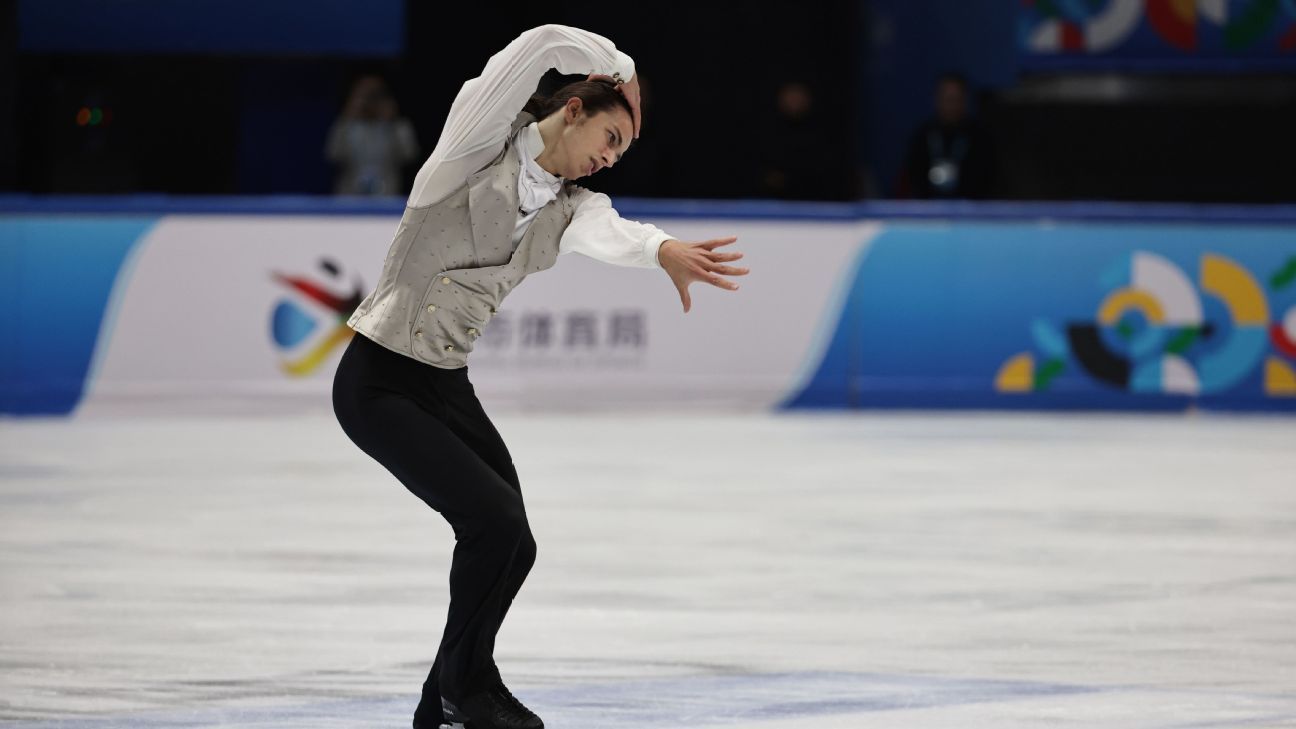
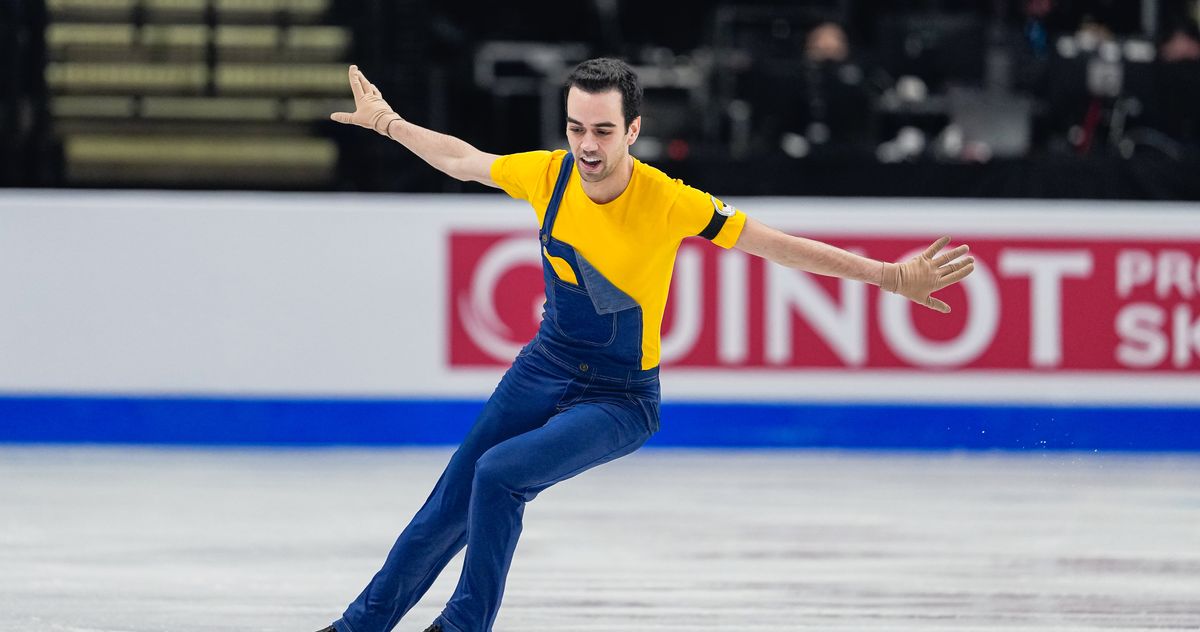
2 months agoUS figure skater Amber Glenn faces backlash over politics and copyright issues after Olympic gold
American figure skater Amber Glenn used Seb McKinnon's song "The Return" without permission during her Olympic free skate, prompting a public copyright objection.
Intellectual property law
fromPatently-O
2 months agoGovernment Urges Supreme Court to Deny AI Copyright Case, Emphasizing Narrow Question and Statutory Text
Current statute requires human authorship for copyright; recognizing autonomous AI as an author is unsupported, while human-AI collaboration questions remain unresolved.
fromwww.nature.com
2 months agoPublisher Correction: Nanotyrannus and Tyrannosaurus coexisted at the close of the Cretaceous
Since the version of the article initially published, the copyright line has been amended to North Carolina Department of Natural and Cultural Resources and James Napoli, under exclusive licence to Springer Nature Limited in the HTML and PDF versions of the article.
Intellectual property law
fromIPWatchdog.com | Patents & Intellectual Property Law
2 months agoMusic Publishers File New Piracy Suit Against Anthropic Alleging Mass Torrenting of Copyrighted Works
Anthropic allegedly downloaded millions of unauthorized books via BitTorrent, trained Claude on stolen musical compositions, and faces copyright and DMCA lawsuits.
[ Load more ]