#energy-price-crisis
#energy-price-crisis
[ follow ]
#oil-prices #middle-east-conflict #iran-war #strait-of-hormuz #energy-crisis #iran-conflict #gas-prices
#iran-war



World politics
fromwww.theguardian.com
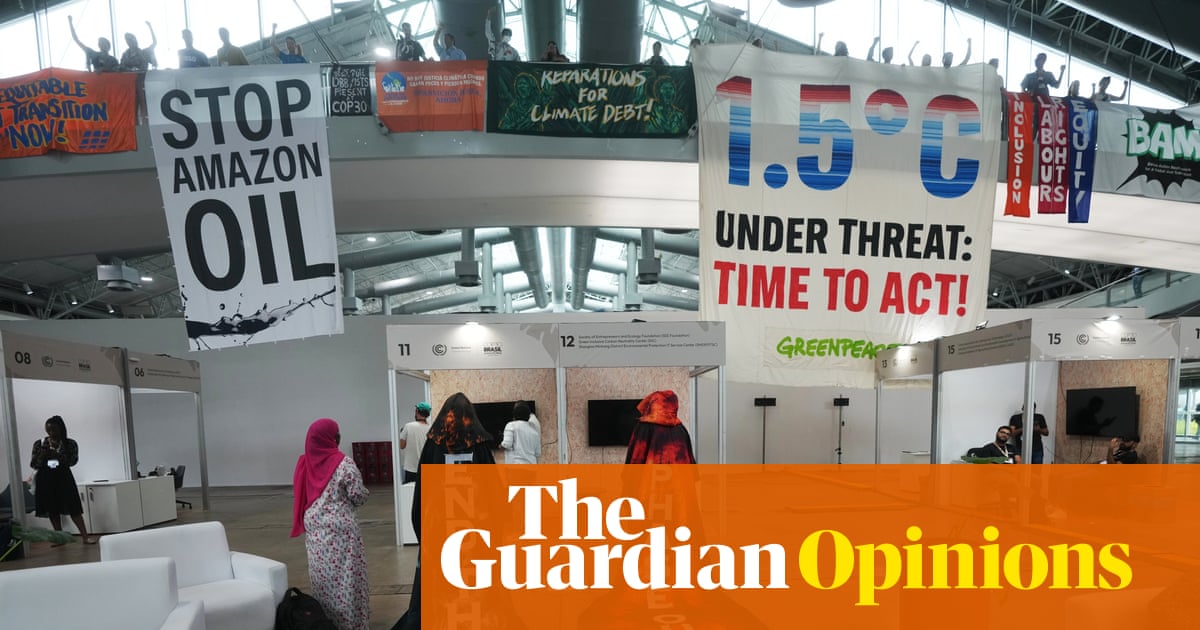
2 weeks agoA new economic superpower could spark a global retreat from fossil fuels | Mark Hertsgaard and Kyle Pope
The Iran war exacerbates climate change by increasing fossil fuel reliance and greenhouse gas emissions, highlighting the urgent need for a transition to sustainable energy.



#ukrainian-drones
Russo-Ukrainian War
fromLondon Business News | Londonlovesbusiness.com
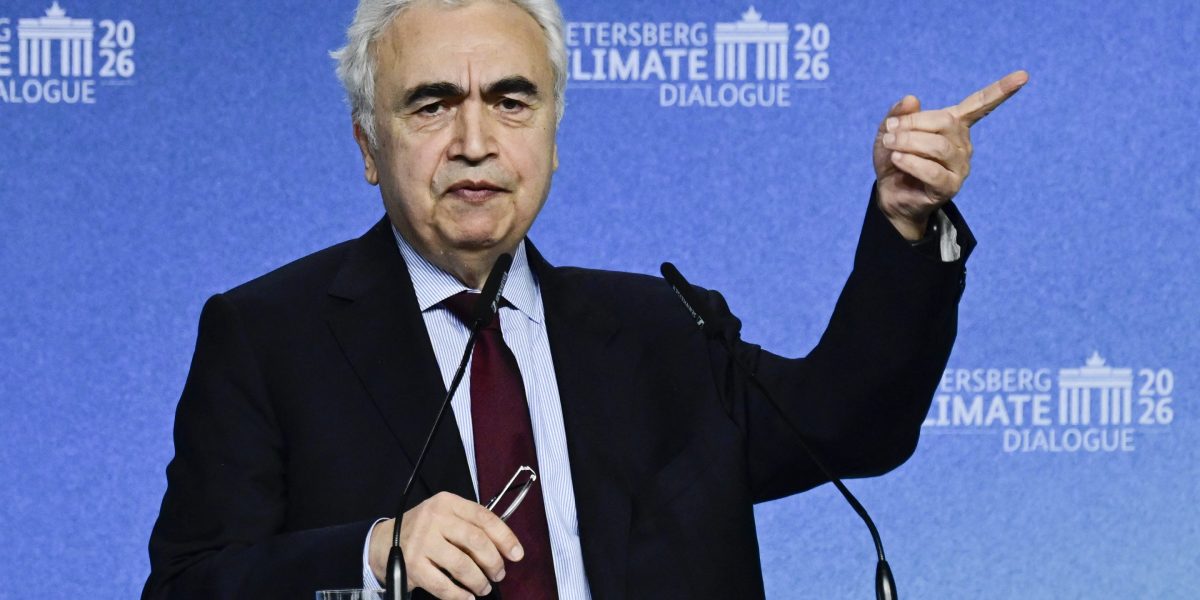
9 hours agoMultiple explosions erupt at one of Russia's largest oil refineries in a long-range attack - London Business News | Londonlovesbusiness.com
Ukrainian drones targeted major Russian oil and chemical facilities to disrupt Moscow's war economy.
Russo-Ukrainian War
fromLondon Business News | Londonlovesbusiness.com
3 days agoRussia's oil network takes another hit as drones return for the night shift - London Business News | Londonlovesbusiness.com
Ukrainian drones targeted an oil pumping station in Russia, causing significant damage and disrupting oil supply logistics.
fromFortune
3 days agoThe Iran War just made the clean energy transition non-negotiable | Fortune
Roughly 20 million barrels per day of oil moved through Hormuz in 2024, equivalent to about one-fifth of global petroleum liquids consumption. When that waterway closed, oil prices spiked to $126 per barrel in what the U.S. Energy Information Administration has described as the largest supply disruption in global oil market history.
Environment
#oil-prices

World news
fromLondon Business News | Londonlovesbusiness.com
8 hours agoGovernment working tirelessly to ensure food and fuel crisis is being properly observed - London Business News | Londonlovesbusiness.com
The Government is reassuring the public about oil supply stability amid rising prices due to the Strait of Hormuz closure.
World news
fromLondon Business News | Londonlovesbusiness.com
8 hours agoGovernment working tirelessly to ensure food and fuel crisis is being properly observed - London Business News | Londonlovesbusiness.com
The Government is reassuring the public about oil supply stability amid rising prices due to the Strait of Hormuz closure.
Europe news
fromFortune
2 days agoFuel shortages from the Iran war have spread to Europe, but the pain is hitting California and the West Coast as well-and help is years away | Fortune
California faces severe fuel shortages due to refinery closures and global supply issues, impacting the economy and air travel this summer.


Europe news
fromLondon Business News | Londonlovesbusiness.com
3 days agoRussia is set to shut a key oil pipeline in a fresh blow to Europe's energy security - London Business News | Londonlovesbusiness.com
Moscow plans to close the Druzhba pipeline, threatening oil supplies to Europe amid rising energy pressures from the Iran conflict.
fromLondon Business News | Londonlovesbusiness.com
4 days agoCrude oil (WTI) between hope and escalation - London Business News | Londonlovesbusiness.com
Traders are simultaneously pricing in two contradictory scenarios: continued political de-escalation on one hand, and the possibility of renewed escalation on the other. This fragile balance leaves the market vulnerable to sudden movements, especially given oil prices' high sensitivity to geopolitical developments in the Middle East.
World politics
World news
fromFortune
4 days agoHalliburton CEO: U.S. oil rebound enters 'early innings' as Iran war triggers 'long-lasting' global push for energy outside the Middle East | Fortune
The U.S. oil sector is rebounding, driven by energy security concerns and increased production amid geopolitical tensions.
Europe news
fromLondon Business News | Londonlovesbusiness.com
6 days agoInvestors on edge as oil shoots higher given fragile Iran situation - London Business News | Londonlovesbusiness.com
Oil markets experienced volatility with Brent Crude rising 5% to $95 a barrel due to the closure of the Strait of Hormuz.
World news
fromLondon Business News | Londonlovesbusiness.com
6 days agoEnergy bills set to rise 196 as Iran conflict keeps markets on edge - London Business News | Londonlovesbusiness.com
Households will see a £196 increase in energy bills due to ongoing geopolitical tensions affecting global wholesale markets.
fromIndependent
5 days agoWarning energy crunch puts Ireland's economy at risk of rare combination of high inflation, high unemployment and low growth
The country is at risk of 'stagflation' - where slow economic growth is combined with rising inflation - as the energy crunch brought about by the war in the Middle East hits.
World news
#energy-transition
World politics
fromLondon Business News | Londonlovesbusiness.com
2 weeks agoMiddle East energy shock could reshape global system by 2050 - London Business News | Londonlovesbusiness.com
Prolonged disruption to Middle East energy supplies could halve oil and gas import dependence by 2050, shifting demand towards electrification and renewables.
fromwww.aljazeera.com
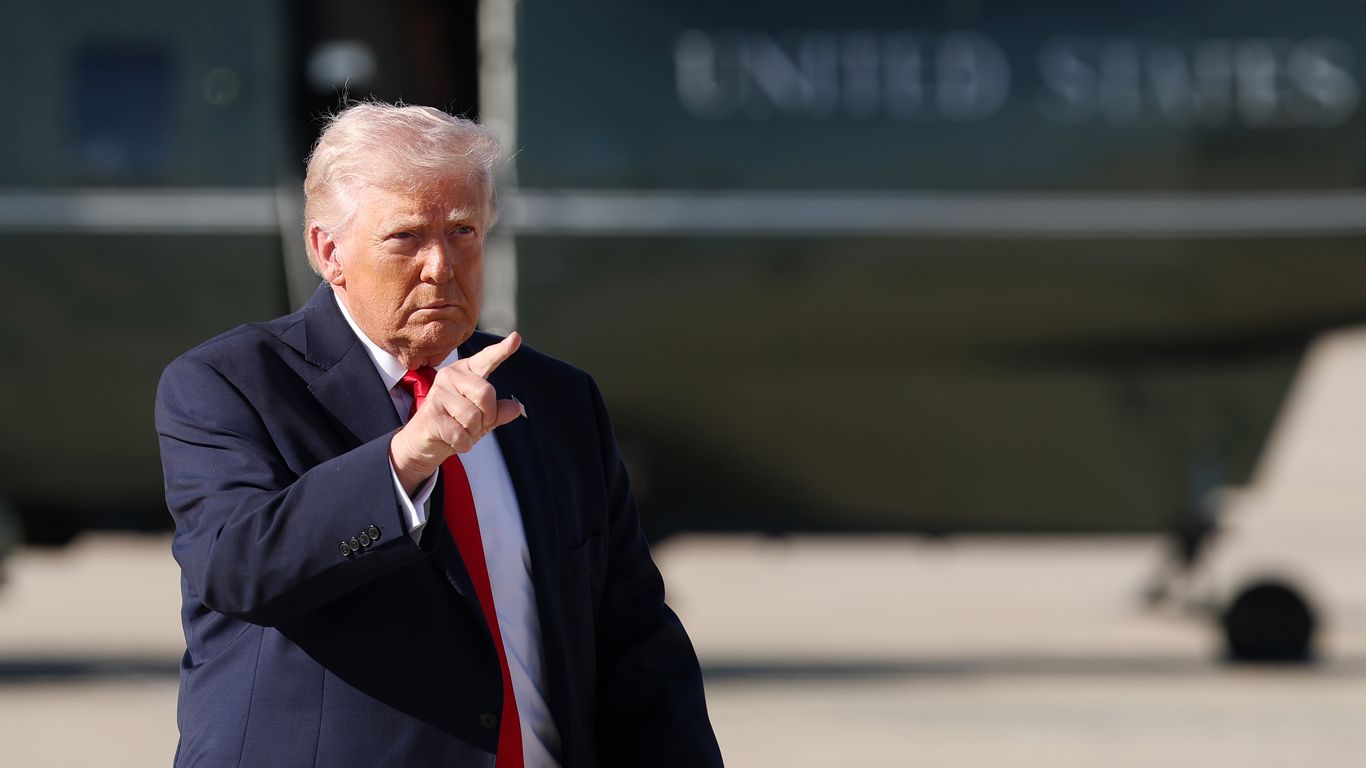
1 week agoEnergy prices rise despite Jones Act suspension by Trump
Shipping costs have increased by more than 10 percent in the past month due to the US-Israel war on Iran. The 60-day waiver for the Jones Act aimed to lower energy costs but has had little impact on oil prices, which continue to rise amid the ongoing conflict.
World news
fromAxios
1 month agoEnergy woes deepen as Trump team looks to soften blow
There's no doubt that what's happening now is an order of magnitude bigger - in terms of potential fallout for oil markets - than Russia's invasion of Ukraine. The global benchmark Brent crude is trading around $88 Friday morning, up roughly $16 since military strikes against Iran began.
US news
UK politics
fromwww.theguardian.com
1 month agoMinisters discuss ways to offset energy price surges caused by Iran war
UK ministers are considering intervention to protect households from rising energy bills if Middle East conflict escalates, with forecasts predicting a 10% increase in July when price caps reset.
fromwww.aljazeera.com
1 month agoWho wins and loses in the global energy crisis?
The war in the Middle East is exposing how dependent the world is on a handful of strategic chokepoints. The Strait of Hormuz a narrow waterway in the Gulf is closed. The longer this goes on, the faster the global energy map could be reshaped.
World politics
[ Load more ]