#interest-rate-policy
#interest-rate-policy
[ follow ]
#interest-rates #inflation #federal-reserve #monetary-policy #energy-prices #bank-of-england #jerome-powell


UK politics
fromLondon Business News | Londonlovesbusiness.com
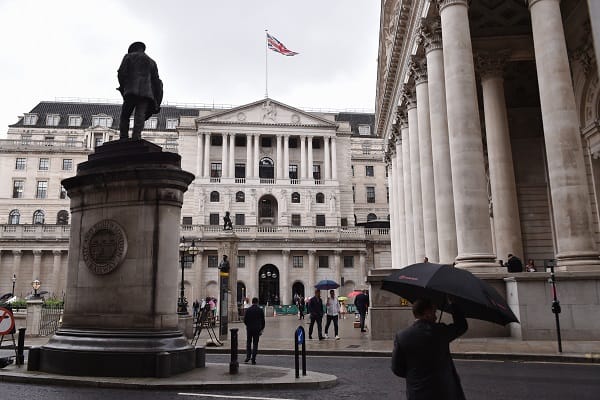
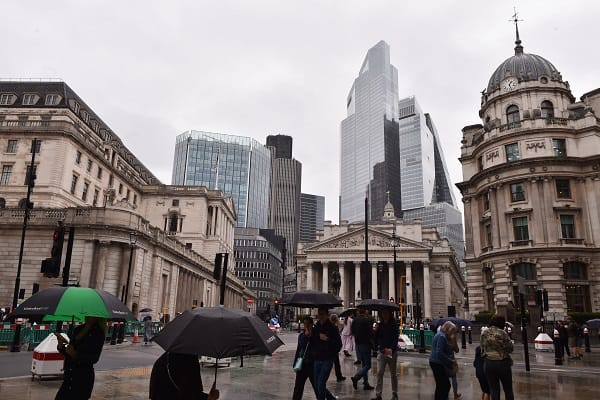
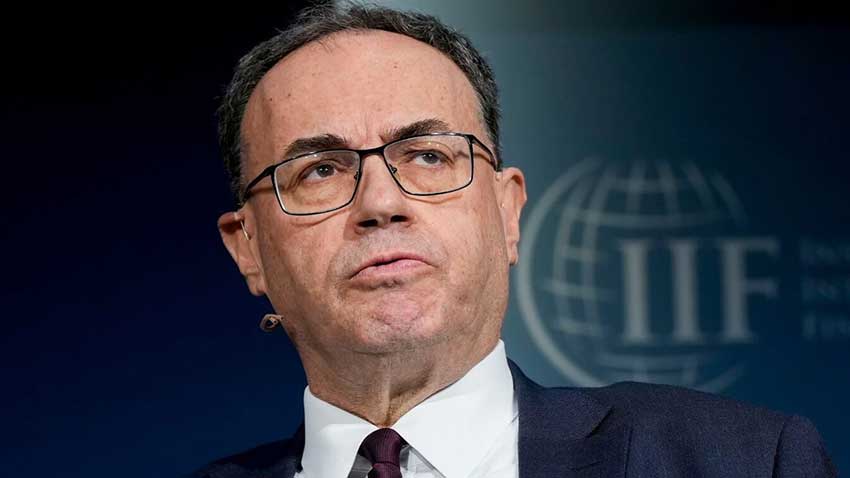
5 hours agoBailey warns Iran conflict may trigger 2008-style financial crisis - London Business News | Londonlovesbusiness.com
The Iran conflict may trigger financial instability comparable to the 2008 crisis, exposing vulnerabilities in the $3 trillion private credit sector.
fromFortune
2 days agoU.S. had a national debt 'home run' in its grasp, says Jamie Dimon-the government did nothing with it, and now its best option is crisis management | Fortune
"The best way to deal with the problem is to actually deal with the problem, to acknowledge it, to work on it," Dimon stated, emphasizing the urgency of addressing the national debt.
US politics
Europe news
fromLondon Business News | Londonlovesbusiness.com
3 days agoGlobal inflation stable but energy and food pressures build - London Business News | Londonlovesbusiness.com
Year-on-year inflation across the OECD remained steady at 3.4% in February 2026, with varying trends among member countries.
World politics
fromLondon Business News | Londonlovesbusiness.com
4 days agoWhen monetary policy intersects with Middle East crisis - London Business News | Londonlovesbusiness.com
Monetary policy and geopolitical dynamics are causing significant volatility in the U.S. Dollar Index and Treasury yields, reflecting market corrections rather than structural weaknesses.
#dollar-index

World news
fromLondon Business News | Londonlovesbusiness.com
4 days agoDollar volatile amid changing geopolitical conditions - London Business News | Londonlovesbusiness.com
The dollar index experienced volatility due to geopolitical uncertainty and economic data influencing interest rates and inflation concerns.
World news
fromLondon Business News | Londonlovesbusiness.com
4 days agoDollar volatile amid changing geopolitical conditions - London Business News | Londonlovesbusiness.com
The dollar index experienced volatility due to geopolitical uncertainty and economic data influencing interest rates and inflation concerns.
fromwww.theguardian.com
4 days agoThe Guardian view on Japan's hidden century: cheap money, global risk | Editorial
The Bank of Japan's loose monetary policy has turned the yen into the world's cheapest and most reliable funding currency, creating a publicly subsidised funding pipeline for bankers.
World politics
#federal-reserve-leadership
SF politics
fromFortune
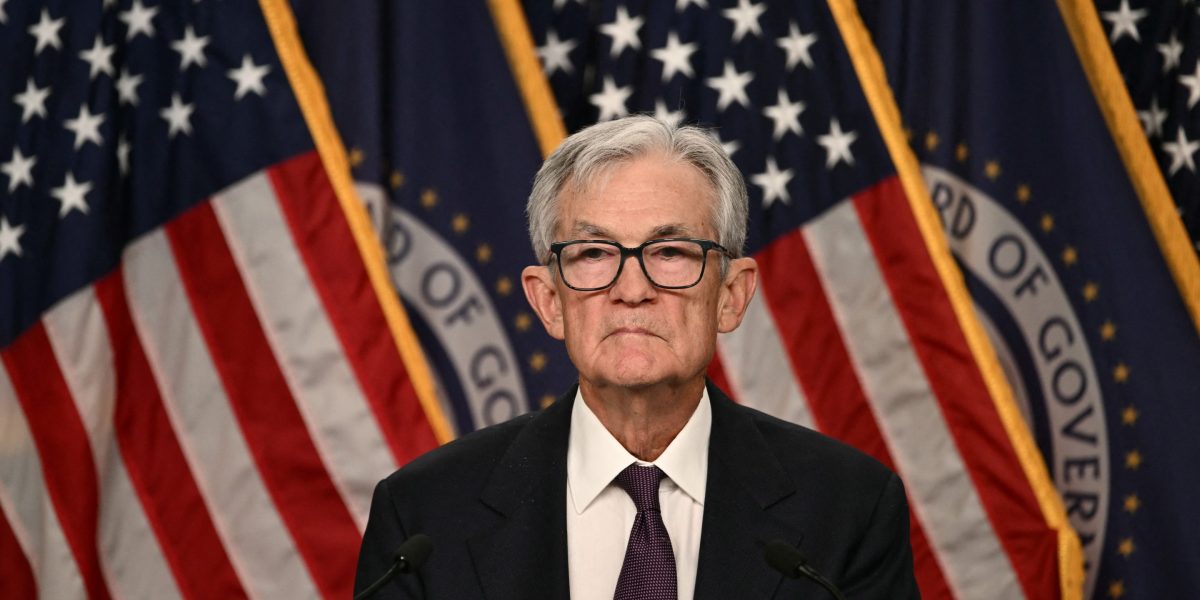
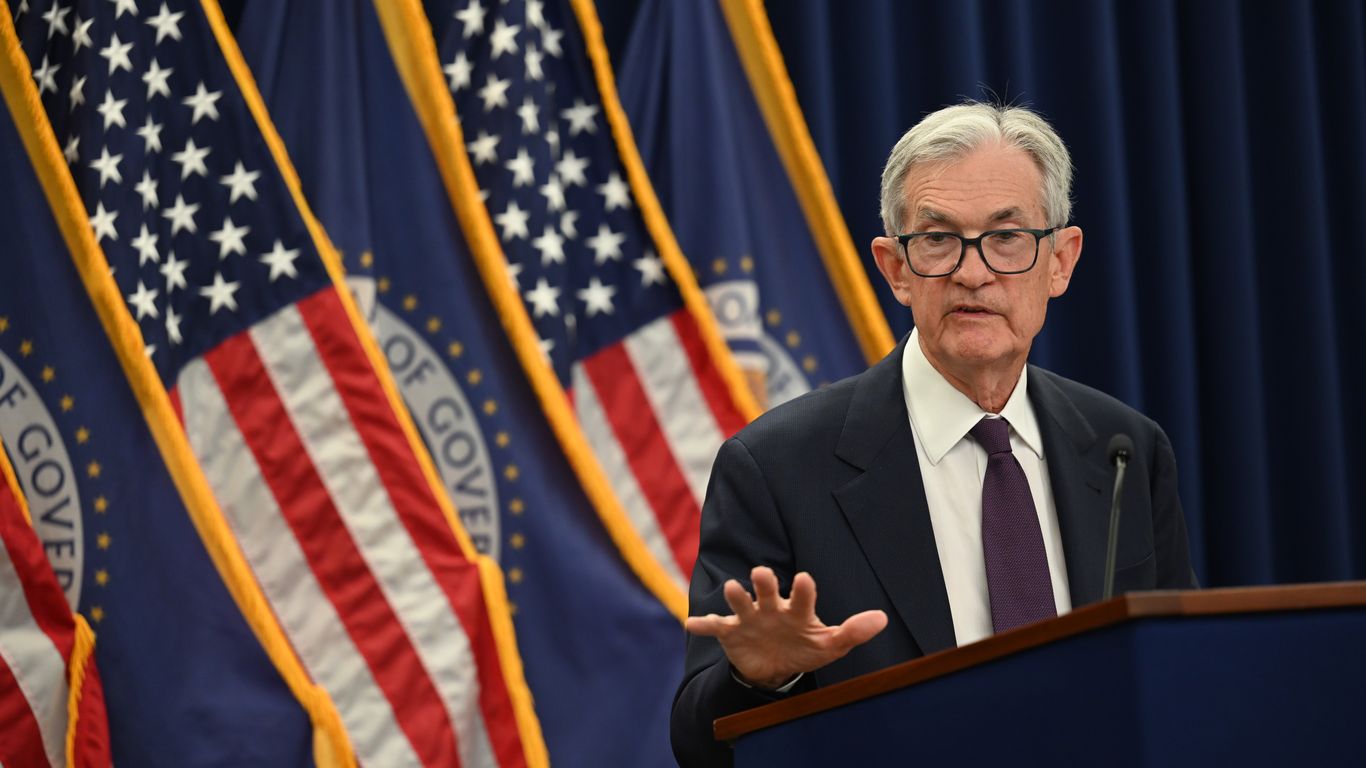
3 weeks agoTrump started a battle with Jerome Powell, but the Fed chairman is winning the war: He won't leave until probe is 'well and truly over' | Fortune
A DOJ investigation into Jerome Powell may paradoxically extend his Federal Reserve tenure beyond Trump's expectations, as Powell refuses to leave until the matter concludes and Senate Banking Committee blocks successor confirmations.
US Elections
fromAxios
3 weeks agoFed keeps rates on hold, Powell says he will remain in place until successor confirmed
Powell commits to remaining at the Federal Reserve through a criminal investigation into his leadership, blocking his successor's confirmation and resisting Trump administration pressure to lower interest rates.
World news
fromLondon Business News | Londonlovesbusiness.com
3 days agoDollar holds firm amid ongoing geopolitical uncertainty - London Business News | Londonlovesbusiness.com
The dollar remains stable amid geopolitical tensions, with demand as a safe-haven asset and rising Treasury yields supporting its value.
fromLondon Business News | Londonlovesbusiness.com
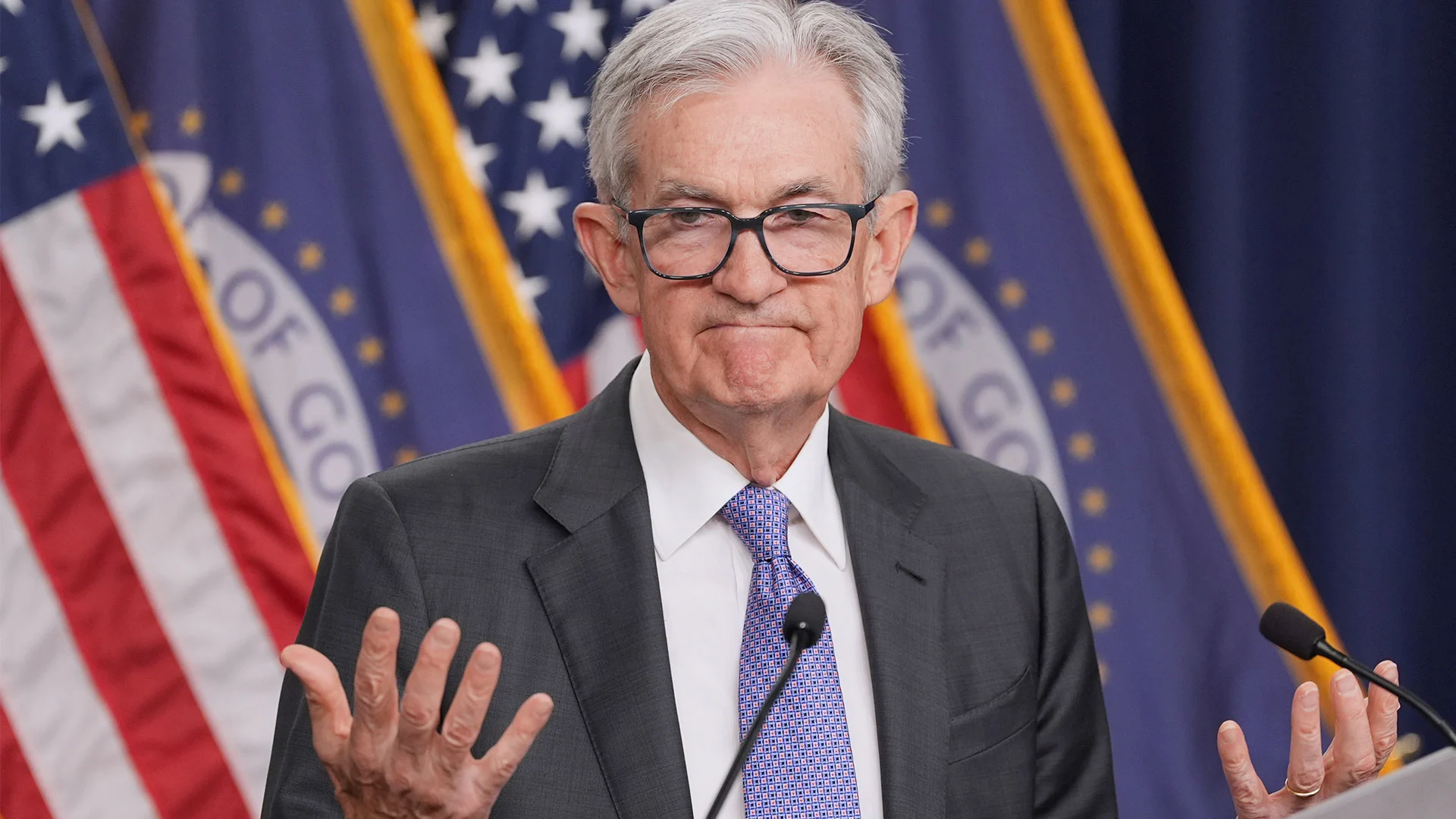
3 weeks agoEurozone inflation edges up as ECB prepares for key rate decision - London Business News | Londonlovesbusiness.com
Services experienced the highest annual increase at 3.4%, followed by food, alcohol, and tobacco at 2.5%. Non-energy industrial goods saw a more modest increase of 0.7%. Meanwhile, energy prices fell by 3.1% over the month, which helped to temper overall inflation pressures.
Europe news
#federal-reserve-policy
World politics
fromFortune
3 weeks agoThis week is Jerome Powell's penultimate meeting as chairman of the Fed-don't expect him to drop Wall Street many hints | Fortune
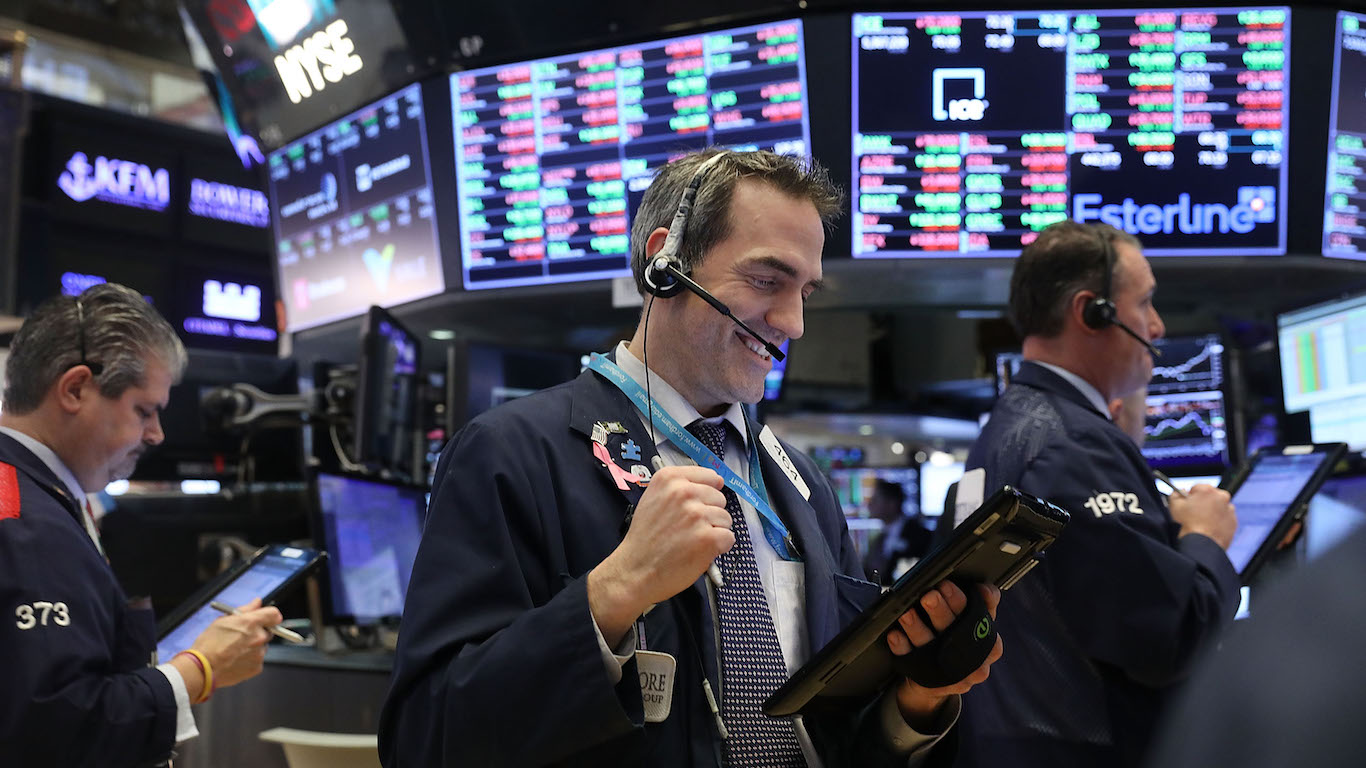
Jerome Powell's final Federal Reserve meetings will likely maintain interest rates unchanged due to geopolitical tensions, rising oil prices, and inflation concerns before Kevin Warsh assumes the chairmanship in May.
World politics
fromFortune
3 weeks agoThis week is Jerome Powell's penultimate meeting as chairman of the Fed-don't expect him to drop Wall Street many hints | Fortune
Jerome Powell's final Federal Reserve meetings will likely maintain interest rates unchanged due to geopolitical tensions, rising oil prices, and inflation concerns before Kevin Warsh assumes the chairmanship in May.
UK news
fromLondon Business News | Londonlovesbusiness.com
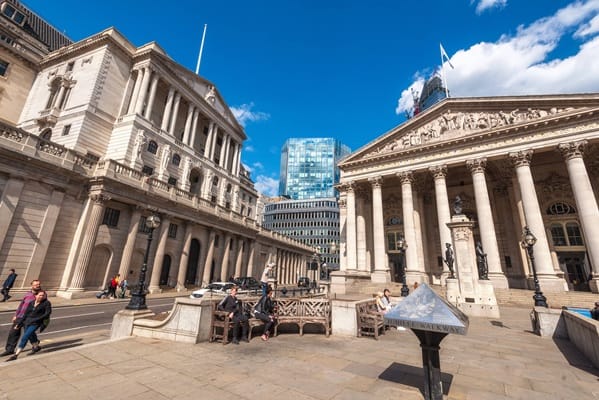
4 weeks agoExpectations for UK interest rate cuts shift dramatically - London Business News | Londonlovesbusiness.com
Geopolitical tensions are pushing markets toward higher interest rates and oil prices, benefiting energy and defence sectors while shifting investment away from growth stocks.
from24/7 Wall St.
1 month agoInterest Rates Are Heading Down - These 3 Stocks Win Big When They Do
In my view, interest rates are more likely than not going to head lower over the course of 2026 and into 2027. I'm not saying we're due for a pandemic-like selloff, but I do think that weakness in the labor market is likely more protracted than the government data suggest. As such, I do think the makeup of the Federal Reserve, and which way many of its presidents and voting members lean (toward providing support for the labor market over battling inflation) could lead to much faster rate cuts than many think.
Retirement
fromLondon Business News | Londonlovesbusiness.com
3 weeks agoFed cuts likely delayed to September or October - London Business News | Londonlovesbusiness.com
September, or more likely October, is now the realistic opportunity for a rate cut, and even that is far from guaranteed. The data coming through is not consistent with easing in July. In fact, it points in the opposite direction. Inflation is not falling fast enough. The latest wholesale inflation data shows prices rising at 3.4% year-on-year, the strongest pace in a year, and core measures are still running close to 4%.
Business
Business
fromwww.housingwire.com
3 weeks agoFed holds rates, officials signal wait and see on inflation risks
Oil price resolution timing in the Strait of Hormuz will determine whether inflation stays elevated, delaying Fed rate cuts, or eases, allowing Treasury yields and mortgage rates to decline toward early-year levels.
.jpeg?width=1200&height=800&crop=1200:800)
Business
fromFortune
3 weeks agoA 'debt spiral,' before a fiscal crisis: interest on the national debt will be growing faster than GDP in just 5 years, think tank warns | Fortune
By 2031, U.S. federal debt interest rates will exceed economic growth rates, triggering a self-reinforcing debt spiral where deficits cause debt to grow indefinitely.
fromThe Drum
2 months agoWhat happens when our common currency becomes uncommon?
This is not new news, of course, but many in the industry seem to be finally waking up to the hard truth that data-driven media buying, as we know it today, is severely under threat and has to change. Cookies power everything we do, from humble frequency capping through to complex multi-touch attribution models, ad personalisation and audience segmentation. They underpin most of the gains we've made in performance advertising, as well as brand advertising, over the past decade.
fromLondon Business News | Londonlovesbusiness.com
2 months agoECB keeps rates on hold despite below-target inflation - London Business News | Londonlovesbusiness.com
The European Central Bank (ECB) held its key interest rates unchanged following the February meeting of the Governing Council, in line with Cebr projections. This marks the fifth consecutive hold, despite a below-target inflation reading of 1.7% in January, the lowest level since 2021. The decision to hold rates also comes despite a recent Euro rally against the dollar, which is expected to add disinflationary pressure through cheaper imports and weigh on growth by making the bloc's exports more expensive.
Miscellaneous
US politics
fromwww.mediaite.com
2 months agoCentral Bankers Across the World Unite in Full Solidarity' Behind Fed Chair Powell
Major central bank leaders jointly affirmed Fed independence and expressed full support for Chair Jay Powell amid a DOJ criminal investigation into Fed headquarters renovations.
fromLondon Business News | Londonlovesbusiness.com
2 months agoDollar struggle and monetary policy shape the next phase - London Business News | Londonlovesbusiness.com
The resilience of gold above $4,800 per ounce at this stage reflects a delicate and complex balance between traditional supporting factors and emerging pressures-one that cannot be superficially interpreted or reduced to the movement of the dollar alone. It is true that the U.S. dollar's retreat from its recent peaks, after failing to sustain its recovery momentum from a four-year low, provided gold with a short-term breather and attracted some buyers.
Business
[ Load more ]