Higher education
fromThe New Yorker
9 hours agoThe Economist Who Wants to Solve America's Wage Problem
Empowering workers and establishing mandatory wage standards across industries is essential for addressing wage inequality.
Sharon Graham, the general secretary of Unite, stated that the priorities showed the agency was in danger of being a dead duck before it even begins. For too long, workers have borne the brunt of disreputable employers who have had carte blanche.
One of the things that I'm hoping to do a better job on is getting people from the private sector-who've been in the private sector their whole career-who also spend a couple years in government at some point in their career, and learn something.
"Men's time doing housework is about the same as it was in the 1970s, and that's true whether or not the woman earns more money or the man earns more money."
Within the workplace, the content and conditions of work are largely controlled by employers who often have an interest in degrading the quality of work, both to increase productivity and to increase their control over employees in the workplace. Outside the workplace, employers have both an incentive and the power to undermine measures that would improve the quality of work through the political process.
Work, in the words of Karl Marx, is a "means of life" in two senses. It is, first of all, an instrument for human life. It is the activity by which we reproduce ourselves from day to day, from year to year, from generation to generation. But work also forms, so to speak, much of the matter of human life, at least for most people in any society with which we are familiar.
At least 125 employees, which is more than 20% of the company's workforce, were let go as Underdog shifts away from some of its traditional offerings and leans more heavily into prediction markets. Teams in fraud operations, marketing, customer support, and product were among those affected.
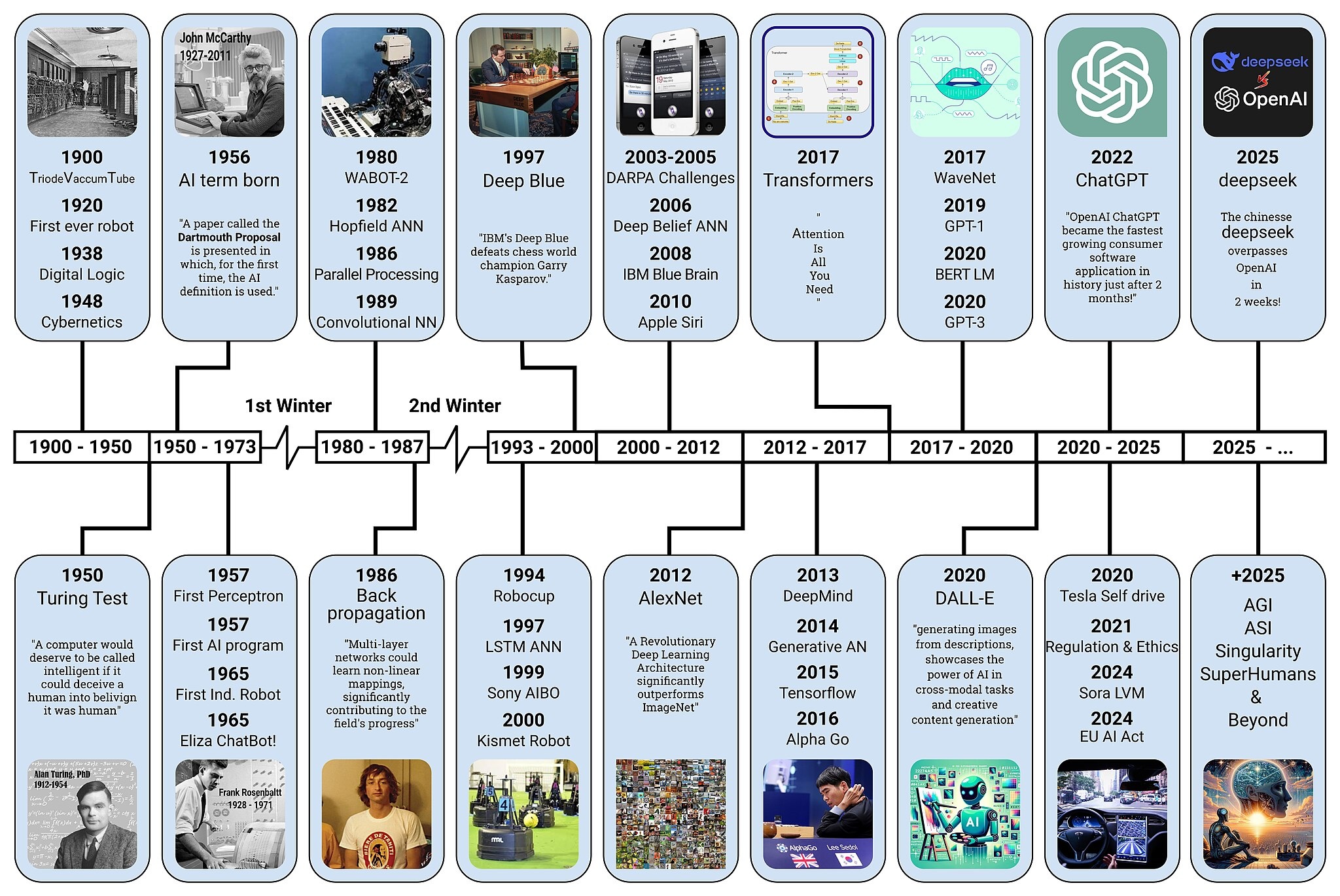
We introduce a new measure of AI displacement risk, observed exposure, that combines theoretical LLM capability and real-world usage data, weighting automated (rather than augmentative) and work-related uses more heavily. AI is far from reaching its theoretical capability: actual coverage remains a fraction of what's feasible.
The reporting landed on the same day that a group of Senate Democrats launched an investigation into Chavez-De-Remer's policy moves at the Labor Department, accusing her agency of showing "disregard for workers' lives" by "rolling back protections that keep workers safe and hobbling the agency that is tasked with overseeing worker safety."
Perks have vanished, in-office mandates are on the rise, and layoffs continue even as profits hold up - changes that reflect a system that prioritizes shareholder returns over stakeholder capitalism and corporate loyalty. With job openings thinning, wages struggling to keep pace with inflation, and AI looming as a threat to entire occupations, the recalibration is altering how advancement and compensation are determined inside companies.
A friend recently told me a story that made this reality impossible to ignore. Her elderly parents live near an elementary school not far from the nation's capital. For several years, they had been quietly raising money to provide groceries and basic supplies for families whose children were going hungry. When Republicans suspended SNAP benefits, the need surged overnight. What had been a steady act of care suddenly became an emergency response.
Payroll deductions will provide some money for Social Security benefits for decades. However, that payment system and its financials will be strained. The "covered workers per OASDI beneficiary" could also change over the next few decades. Among the reasons are the rate at which people die, the age at which people begin taking their payments, inflation, tax rates, and the taxation of the benefits themselves. Eventually, even fertility rates and the pace at which people are born could have an effect.
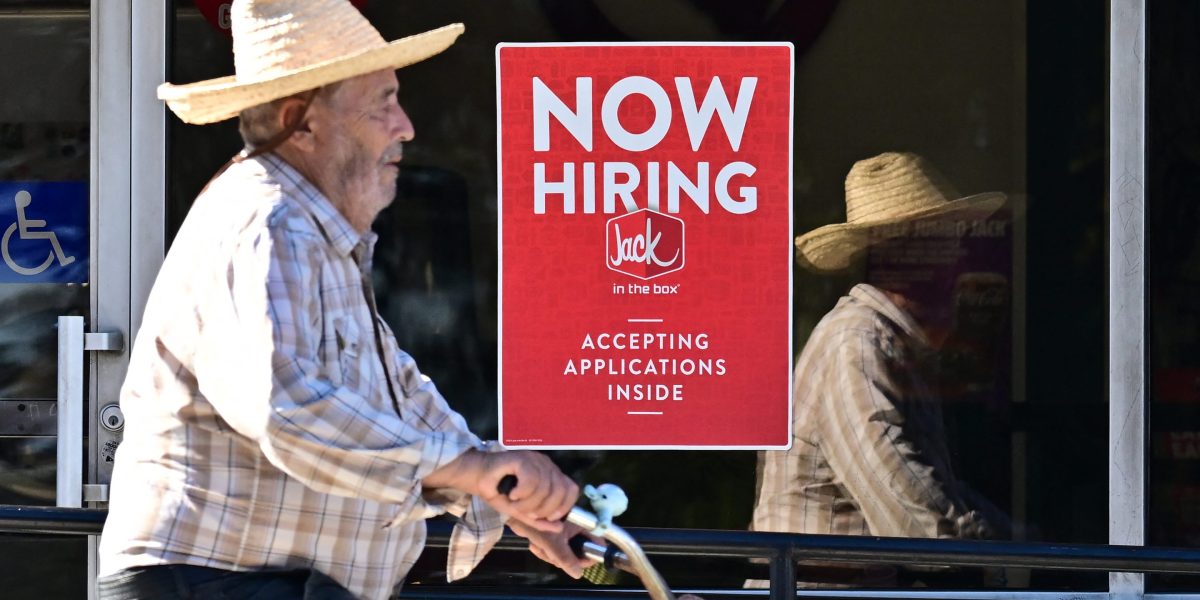
In today's job market, amid persistent inflation, job seekers want more compensation. In many cases, though, employers simply can't give more. In fact, nearly three-quarters of employers are concerned about meeting candidates' salary expectations, according to Robert Half's 2026 Salary Guide. To fill the gap, many are coming to the negotiation table with a focus on everything else in the compensation package.