Modern cars, including EVs, have tons of safety features baked in, but sometimes the driver still has to take over when the going gets tough. That's why most new cars out there still have a button somewhere that disengages the traction control system, which can come in handy when tackling slippery roads or deep snow because it allows the wheels to spin without the electronics cutting power.
The Roborock RockMow X1 LiDAR, announced today at CES, will be launching later this year, featuring autonomous navigation, all-wheel drive, and 360-degree 3D scanning using a combination of LiDAR and Visual Simultaneous Localization and Mapping (VSLAM). Like the earlier RockMow Z1, the RockMow X1 LiDAR can handle slopes of up to 80 percent and traverse obstacles up to 3.1 inches high.
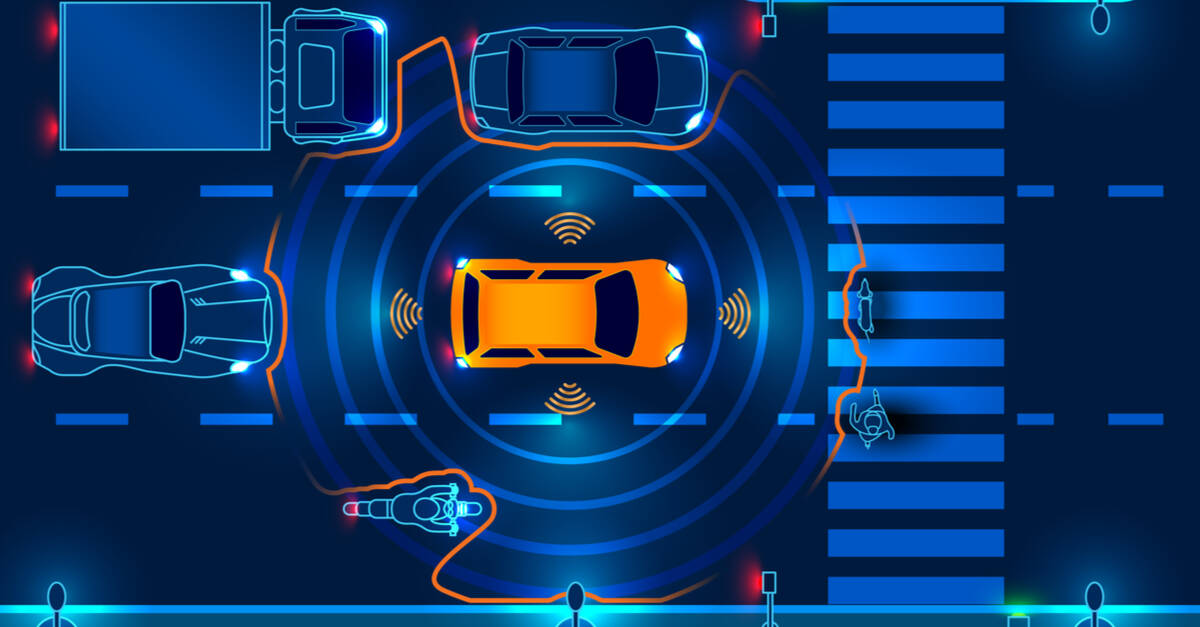
Instead of relying on a physical boundary wire or just an RTK antenna, the Tri-Fusion system combines three technologies to maintain its position as it mows your lawn: LiDAR, NetRTK, and AI for visual recognition. The robot captures a large LiDAR field of full 360 degrees horizontally and 59 degrees vertically, with a range of up to 330 feet. This generates a live 3D map composed of millions of data points, ensuring the robot detects obstacles within one centimeter and adjusts its course accordingly.
Lidar company Luminar has filed for Chapter 11 bankruptcy protection after months of layoffs, executive departures, and a legal fight with its largest customer, Volvo. The company aims to sell off its lidar business during the bankruptcy proceeding, and has already reached a deal to sell its semiconductor subsidiary. While the company will continue to operate during the bankruptcy process to "minimize disruptions" for its suppliers and customers, Luminar will eventually cease to exist once it's completed.
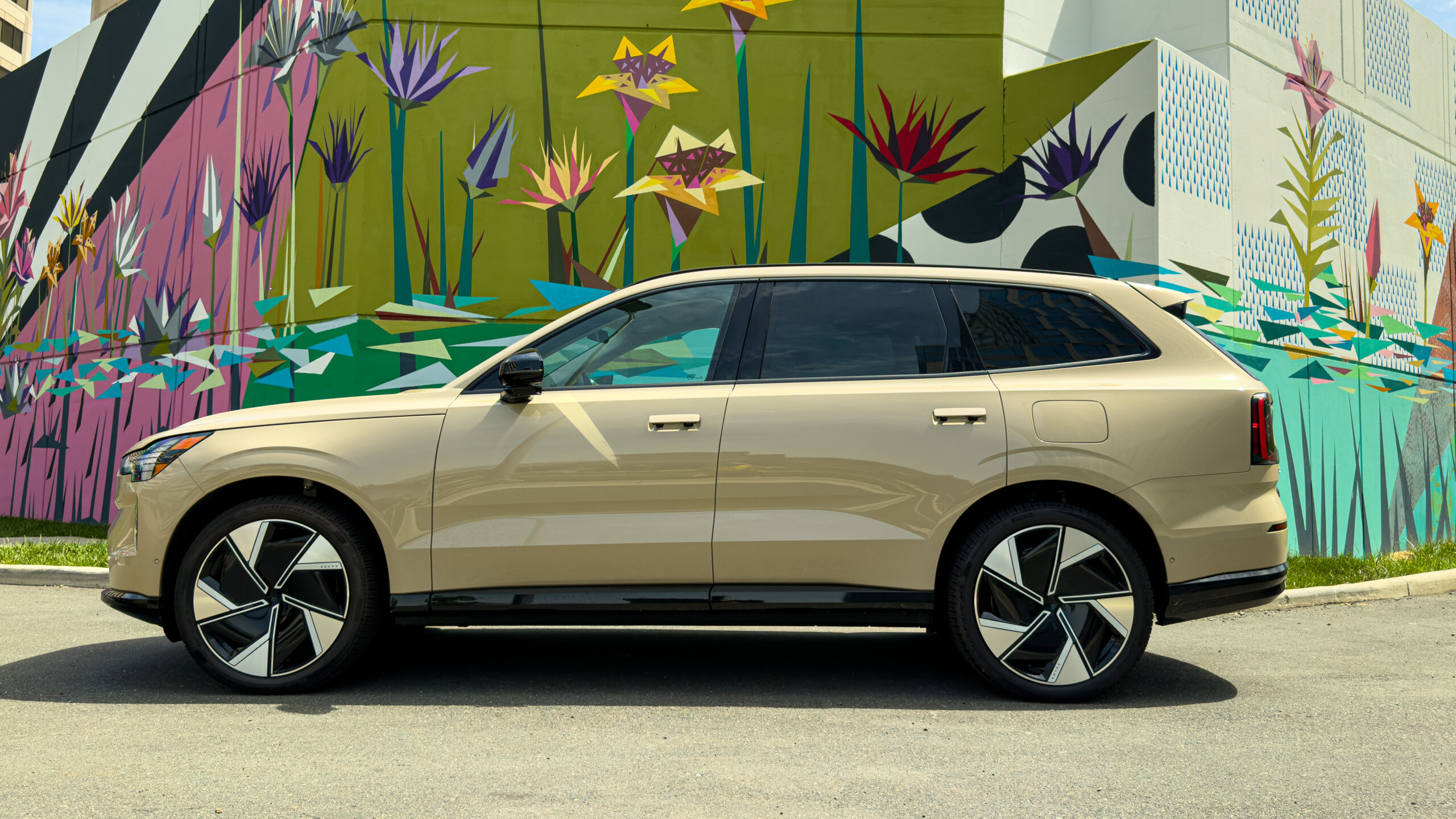
Luminar faces potential bankruptcy as Volvo backs off its promise to make lidar standard in its flagship models. Volvo blamed "limited supply of the lidar hardware." Luminar has already warned investors that it may run out of cash by the end of Q1 2026. Not long ago, Volvo and Luminar seemed like the perfect partnership. The Swedish automaker pushed a safety-first approach that used the startup's laser-based sensors to ensure its vehicles were safer than ever.
Ouster shipped 7,200 sensors in Q3, the highest quarterly volume in company history. Revenue came in at $39.5M, beating the $37.81M consensus by $1.69M. The loss per share was $0.37, narrowly better than the estimated $0.38. On the surface, it's a solid quarter. The real story, though, is what the numbers reveal about demand and execution. Revenue climbed 41% year over year.
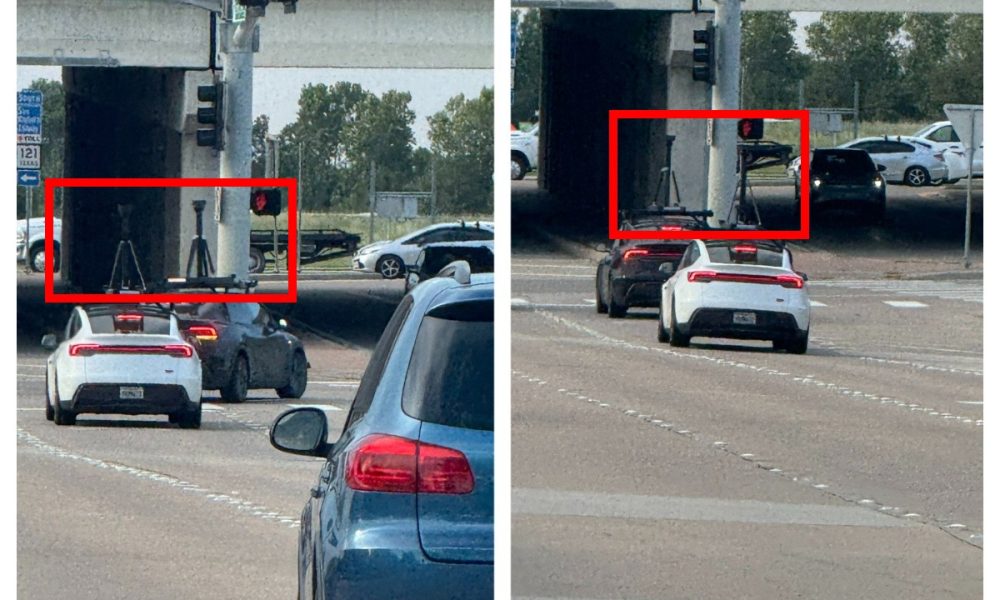
The apparatus uses optical principles combined with reverse engineering algorithms to disrupt the scanner's perception, intertwining tangible events, recorded fictions, and imagined scenes to blur the line between authenticity and artifice.
Luminar, undergoing a significant restructuring and workforce reduction, has started additional layoffs as part of ongoing operational challenges following a leadership change.