#mail-volume
#mail-volume
[ follow ]
#amazon #logistics #e-commerce #walmart #automation #same-day-delivery #retail #ecommerce #usps #e-commerce-logistics
#amazon


European startups
fromSilicon Canals
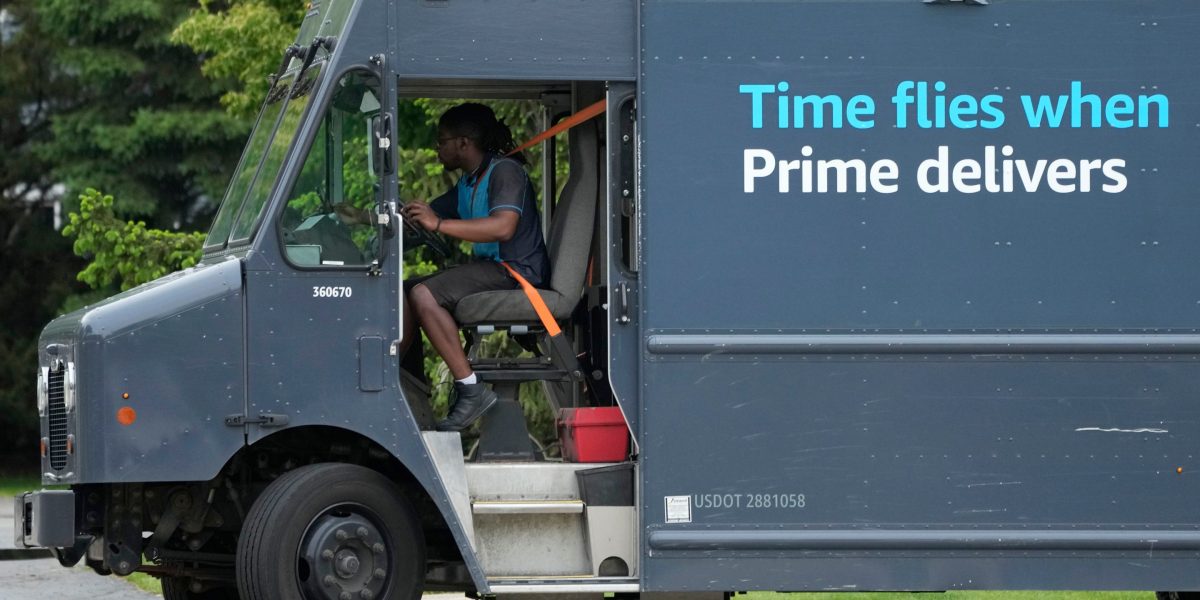
1 day agoQuick commerce has a $11.3B funding collapse and 40+ dead startups. Amazon is betting on it anyway. - Silicon Canals
Amazon launched a 30-minute delivery service in select U.S. locations, expanding its quick commerce offerings amid challenges in the retail landscape.
fromwww.businessinsider.com
1 week agoFedEx and UPS charged fees for collecting tariffs. Now, customers want that money back.
The lawsuits argue that the shipping companies never should have charged the fees in the first place, and that the shippers, not the government, owe the customers.
Intellectual property law
#usps-financial-crisis
Media industry
fromAxios
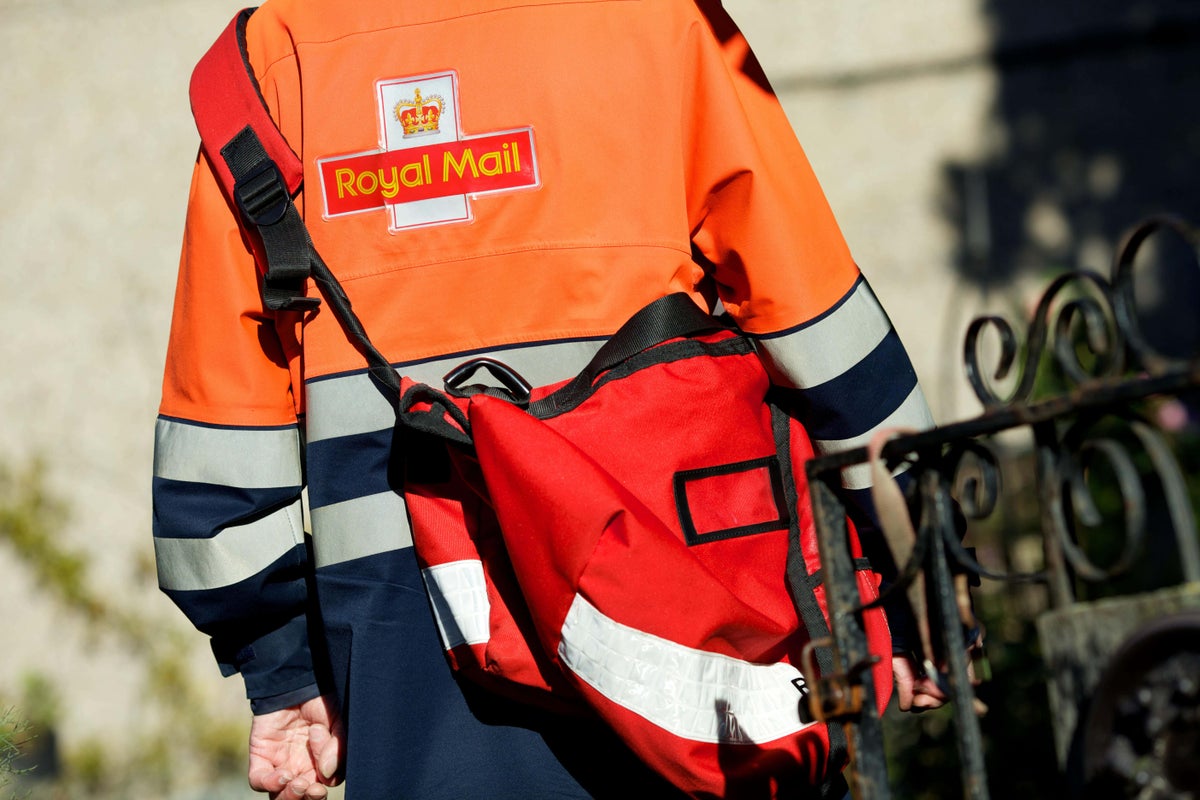
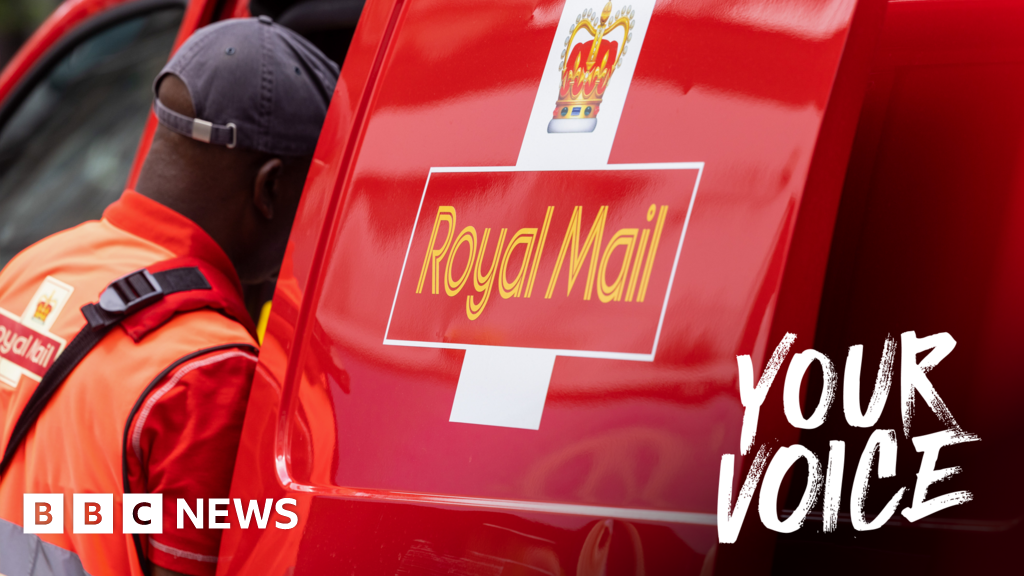
2 weeks agoUSPS warning raises stakes for mail-order prescriptions, higher postage prices
USPS faces imminent cash depletion within 12 months without congressional intervention, threatening mail delivery including critical prescription medications, while Amazon simultaneously reduces USPS volume by two-thirds.
Washington DC
fromFast Company
2 weeks agoUSPS warns it may not make it to 2027 without changes-starting with pricier stamps
USPS faces insolvency within 12 months without operational flexibility, pricing increases, and expanded borrowing authority to address 104 billion pieces of lost annual mail volume since 2006.
#amazon-usps-contract-dispute
Washington DC
fromEntrepreneur
2 weeks agoAmazon Plans to Slash USPS Shipments by Two-Thirds. Here's What That Means for the Postal Service.
Amazon plans to reduce USPS package shipments by two-thirds by fall, threatening the financially struggling postal service that delivered over one billion Amazon packages last year.
Marketing tech
fromwww.emarketer.com
3 weeks agoamazon - Reports, Statistics & Marketing Trends
Fire TV integrates ads across screens using CTV reach and retail data, while AI emerges as a defining force in retail tech, with stablecoins moving into mainstream payments infrastructure and chatbots driving conversion rate increases.
European startups
fromBusiness Matters
2 weeks agoJD.com launches Joybuy in UK with same-day delivery challenge to Amazon
JD.com launches Joybuy in the UK with same-day delivery by 11pm for orders placed before 11am, targeting 17 million consumers across major urban centers with free delivery on orders over £29.
Business
from24/7 Wall St.
3 weeks agoInvesting $1,000 in FedEx or UPS a Decade Ago Would Have Garnered How Much?
FedEx's transformation through cost-cutting and operational integration is driving revenue growth and stock outperformance, while UPS's strategic exit from Amazon has caused significant volume declines and underperformance despite offering higher dividend yields.

#amazon-delivery

E-Commerce
fromEngadget
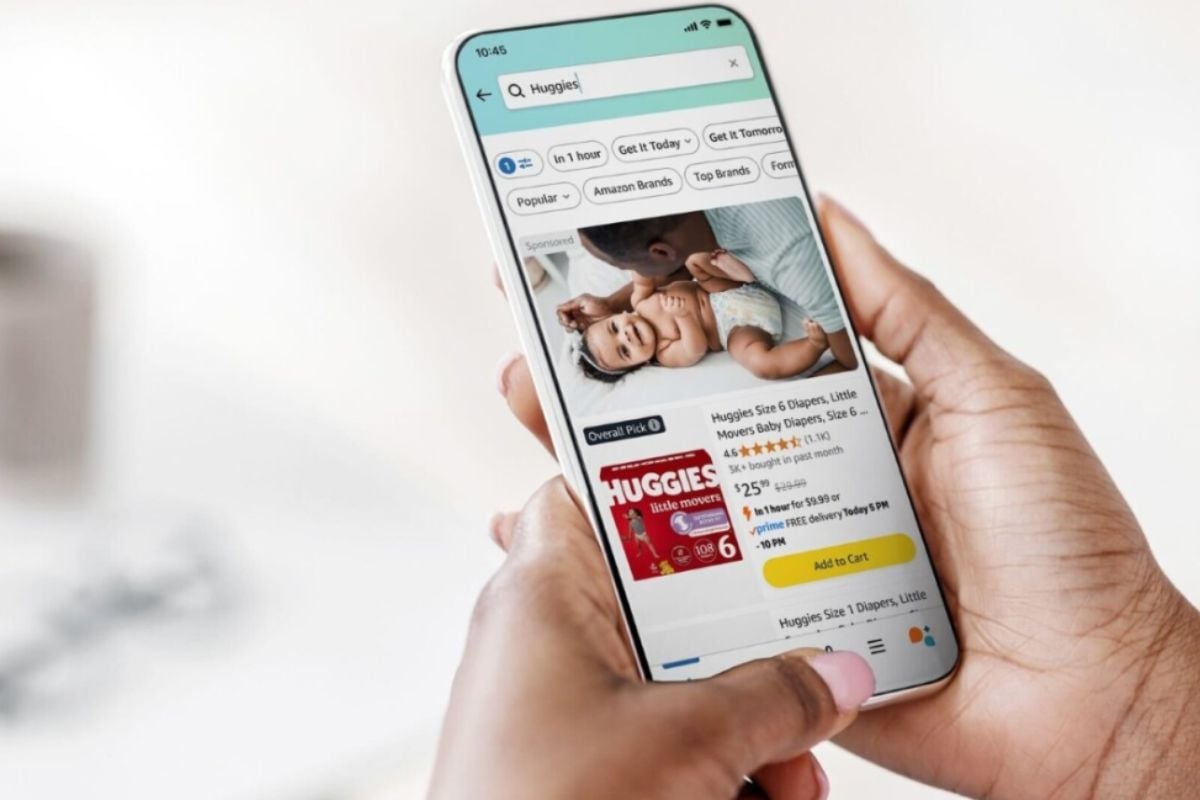
2 weeks agoAmazon launches one- and three-hour delivery options in the US
Amazon launched one-hour and three-hour delivery options across 2,000+ locations, covering 90,000 products including essentials and discretionary items, with costs ranging from $5-$20 depending on membership and speed.
E-Commerce
fromBusiness Matters
3 weeks agoThe Hidden Costs of DIY Shipping: When to Switch to an Ecommerce Shipping Platform
DIY shipping becomes a business bottleneck as order volume grows, consuming excessive time and increasing errors while established shipping platforms automate processes and enable scalability.
E-Commerce
from24/7 Wall St.
3 weeks agoLook! Up In the Sky! It's Amazon's Flywheel in Action
Amazon's drone delivery service Prime Air exemplifies how the company's e-commerce, AWS cloud, and AI divisions create a self-reinforcing flywheel that generates data, optimizes operations, and drives competitive advantage.
E-Commerce
fromTechCrunch
3 weeks agoAmazon expands a program that lets customers shop from other retailers' sites | TechCrunch
Amazon expands Shop Direct program to direct customers to third-party merchant websites through search results and AI assistant when products aren't available on Amazon's platform.
fromEntrepreneur
1 month agoIs Amazon Automation a Profitable Passive Income Model?
Amazon automation isn't a magic button. It's a business model, and like any business model, outcomes vary based on execution. The short answer is yes, it can be profitable. The honest answer is that it depends entirely on how it's done and who is running it.
E-Commerce
Marketing tech
fromLondon Business News | Londonlovesbusiness.com
2 months agoWhat to look for in business mailing technology - London Business News | Londonlovesbusiness.com
Choosing appropriate business mailing technology improves communication efficiency, lowers costs, and enables scalable, automated workflows that enhance customer engagement and long‑term operational performance.
fromComputerWeekly.com
1 month agoDelivery comms, intelligent fulfilment, and AI's growing influence | Computer Weekly
Nine in ten retailers globally are planning to raise their spending on artificial intelligence (AI) to optimise their e-commerce operations over the next 12 to 24 months, with online delivery execution a key area of focus. A total of 38% of European retailers identify speed, tracking and proactive communication around the delivery process as areas where AI can deliver the greatest impact.
E-Commerce
Business
from24/7 Wall St.
2 months agoThe Warehouse Automation Seller Just Turned Profitable While the Retail Giant Builds Its Own
Investors face choosing Symbotic's newly profitable automation-as-a-service with volatile trading and insider selling or Amazon's scale-driven in-house robotics investment.
fromwww.independent.co.uk
1 month agoDoes free shipping actually exist? Marketing ploys experts want to warn you about
You're scrolling through an online retailer, like Amazon, Shein or eBay, and spot a shirt on sale for $40. You add it to your cart, but at checkout, a $10 shipping fee suddenly appears. Frustrated, you close the tab. But what if that same shirt was priced at $50 with free shipping? The likelihood that you would have bought it without a second thought is much higher.
E-Commerce
fromThe Conversation
1 month agoDoes 'free' shipping really exist? An expert shares the marketing tricks you need to know
When a transaction involves a cost, we instinctively weigh the downside. But when something is entirely free, we experience a positive emotion and perceive the offer as more valuable than it is mathematically. Retailers no doubt realise that offering free delivery is one of the most effective ways to stop a consumer from abandoning a digital shopping cart.
E-Commerce

E-Commerce
fromBusiness Insider
1 month agoI've been selling on Amazon for a year. After storage fees bled me dry, I'm pivoting my e-comm strategy away from it.
Aged-inventory surcharges on Amazon can rapidly deplete a small business's cash, turning a $10,000 launch into near insolvency without mastering Amazon selling and inventory management.
fromSocial Media Explorer
2 months ago10 Last Mile Technology Trends Transforming Urban Logistics in 2025 - Social Media Explorer
Urban logistics is entering a new era where practical technology drives meaningful results. Today, more than 55% of people live in cities, and urbanization is expected to rise to 68% by 2050, placing intense pressure on delivery networks to keep up with growing demand. U.S. e-commerce is projected to reach $1.1 trillion in sales by 2026, heightening expectations for faster and more reliable last-mile service.
E-Commerce
fromInc
1 month agoThe New Rules of Big-Box Retail
The outlook for 2026 I'm watching 2026 with equal parts optimism and urgency. Optimism because consumer demand is still there. Retail sales have remained resilient in recent data. Urgency because the operating environment is only getting tighter. Coming out of FY2025, large retailers demonstrated resilience amid inflation pressure, shifting consumer behavior, and global supply-chain complexity. Walmart raised its outlook and leaned further into a model that blends physical stores, e-commerce scale, and execution discipline.
E-Commerce
fromEntrepreneur
1 month agoAmazon Prime Members Avoid 64 Store Trips Per Year
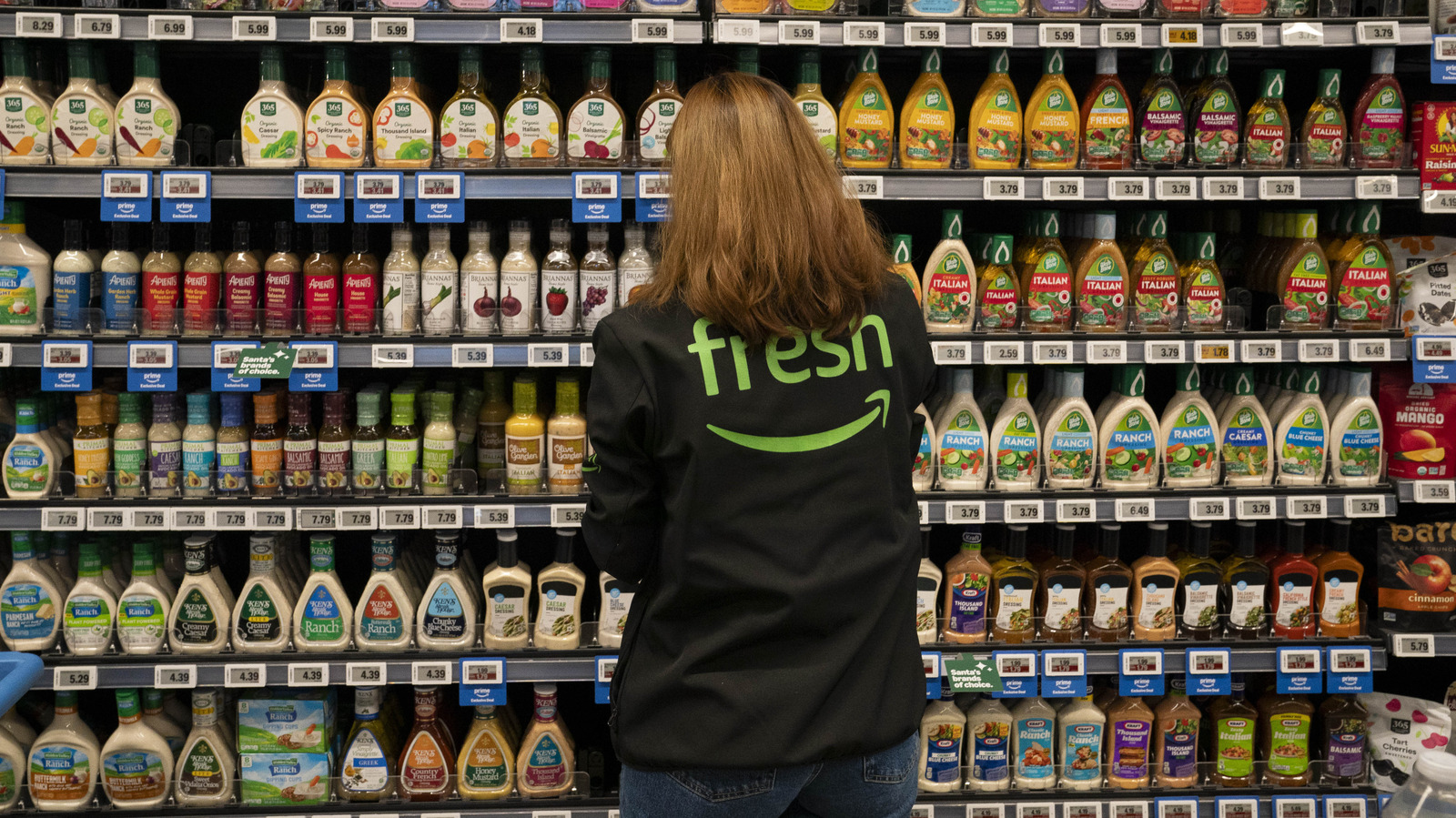
Remember grocery store runs? Amazon says those are going extinct. The company revealed that Prime members saved an average of 64 trips to physical stores last year by ordering basics online instead. That's a major shift. Groceries and household essentials now account for half of all fast deliveries to U.S. Prime members, compared to earlier years when fast delivery skewed toward purchases like electronics and clothing. Amazon has spent the past year integrating perishable groceries and prescription medications into its same-day delivery network.
E-Commerce
fromLondon Business News | Londonlovesbusiness.com
2 months agoWhat's hot and what's not in e-commerce and home deliveries for 2026 - London Business News | Londonlovesbusiness.com
2026 is already shaping up to be a challenging year. Soft seasonal peak sales through November and December last year and increased staffing costs don't give a sturdy foundation for retailers and manufacturers to build on. However, there are some significant gains to be made, especially around tech improvements. In fact, Parcelhero will be unveiling its own AI-powered tracking and messaging services this year for individuals and growing businesses.
E-Commerce
[ Load more ]