#middle-east-energy-crisis
#middle-east-energy-crisis
[ follow ]
#strait-of-hormuz #oil-prices #energy-crisis #iran-war #iran #energy-security #iran-conflict #global-economy
Business
fromFortune
16 hours agoU.S. oil producers aren't coming to the rescue despite high prices as mistrust and chaos hit outlook. The 'market is being manipulated' | Fortune
U.S. oil companies are hesitant to increase production despite rising crude prices due to uncertainty in the market outlook.
#energy-crisis


Europe news
fromwww.theguardian.com
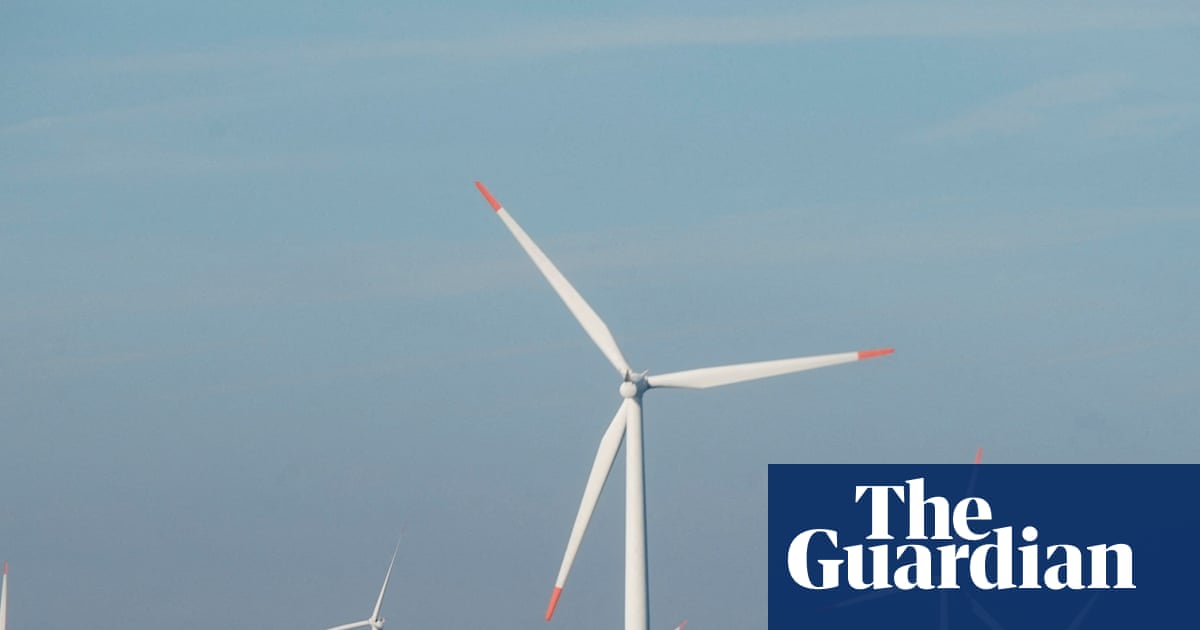
1 month agoDo we want to keep fixing the same issue? Unlearned lessons from the first big oil crisis
Europe's 1970s energy crisis responses—nuclear power, building insulation, renewables, and efficiency—were abandoned after Ukraine invasion, repeating fossil fuel dependency mistakes that now require accelerated green transition.
#ukrainian-drones
Russo-Ukrainian War
fromLondon Business News | Londonlovesbusiness.com
1 hour agoMultiple explosions erupt at one of Russia's largest oil refineries in a long-range attack - London Business News | Londonlovesbusiness.com
Ukrainian drones targeted major Russian oil and chemical facilities to disrupt Moscow's war economy.
Russo-Ukrainian War
fromLondon Business News | Londonlovesbusiness.com
2 days agoRussia's oil network takes another hit as drones return for the night shift - London Business News | Londonlovesbusiness.com
Ukrainian drones targeted an oil pumping station in Russia, causing significant damage and disrupting oil supply logistics.
fromFortune
2 days agoThe Iran War just made the clean energy transition non-negotiable | Fortune
Roughly 20 million barrels per day of oil moved through Hormuz in 2024, equivalent to about one-fifth of global petroleum liquids consumption. When that waterway closed, oil prices spiked to $126 per barrel in what the U.S. Energy Information Administration has described as the largest supply disruption in global oil market history.
Environment
#iran-war


World politics
fromwww.theguardian.com
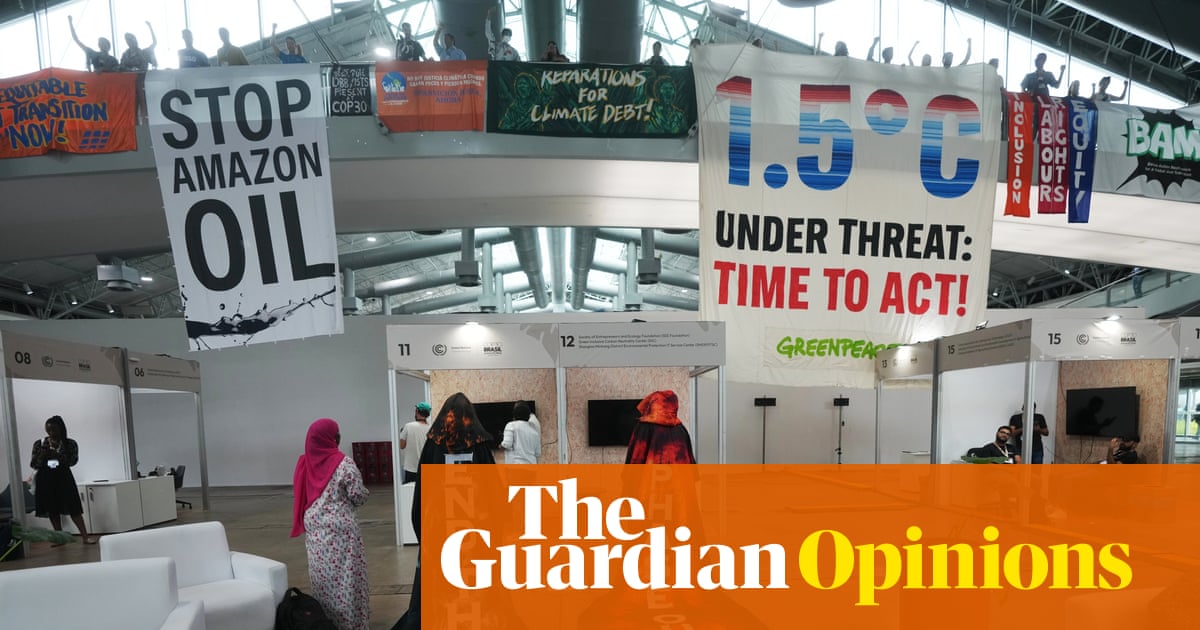
2 weeks agoA new economic superpower could spark a global retreat from fossil fuels | Mark Hertsgaard and Kyle Pope
The Iran war exacerbates climate change by increasing fossil fuel reliance and greenhouse gas emissions, highlighting the urgent need for a transition to sustainable energy.
#fuel-shortages

Europe news
fromFortune
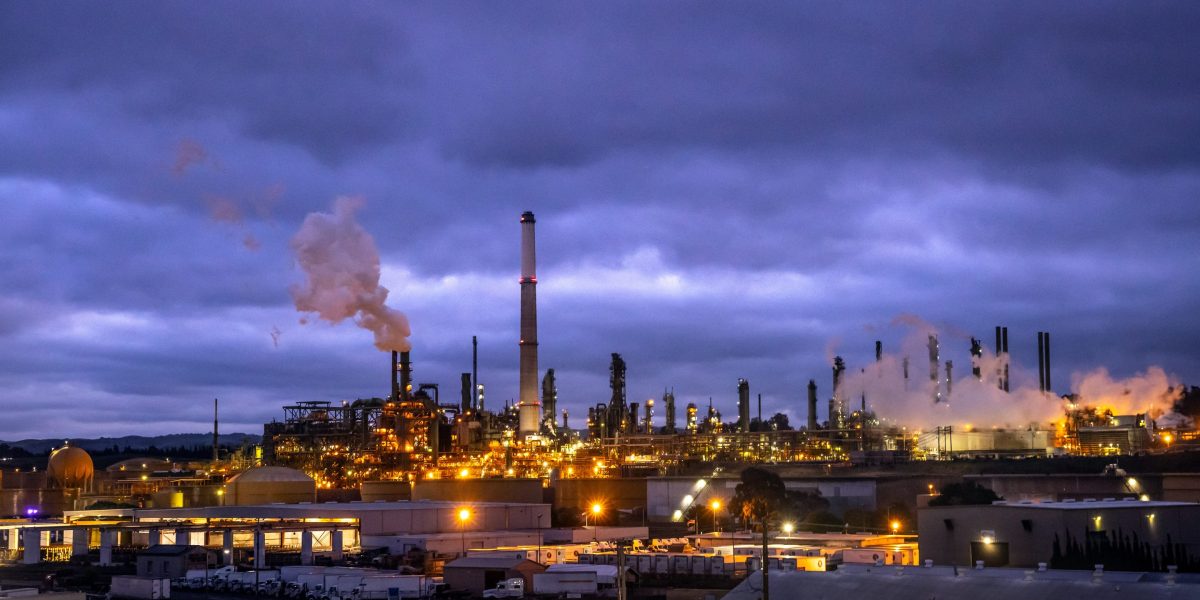
2 days agoFuel shortages from the Iran war have spread to Europe, but the pain is hitting California and the West Coast as well-and help is years away | Fortune
California faces severe fuel shortages due to refinery closures and global supply issues, impacting the economy and air travel this summer.
fromAxios
1 day agoTrump's surge in oil exports during Iran war will hit a ceiling
Even post-conflict, we expect [that] some of the trade flows [will] tend to reset rather than return to what they were before the war, said Rob Wilson of the energy data and consulting firm East Daley Analytics.
World news
fromLondon Business News | Londonlovesbusiness.com
2 weeks agoMiddle East oil and gas recovery faces months-long process despite ceasefire - London Business News | Londonlovesbusiness.com
A 'workable system' of transit and shipowner confidence in the security of the transiting vessels is essential. This includes availability of insurance for transiting vessels, facilitating commercial trade financing, and sustained outbound vessel transits through the Strait of Hormuz.
Environment
Europe news
fromLondon Business News | Londonlovesbusiness.com
6 days agoInvestors on edge as oil shoots higher given fragile Iran situation - London Business News | Londonlovesbusiness.com
Oil markets experienced volatility with Brent Crude rising 5% to $95 a barrel due to the closure of the Strait of Hormuz.
World news
fromFortune
4 days agoHalliburton CEO: U.S. oil rebound enters 'early innings' as Iran war triggers 'long-lasting' global push for energy outside the Middle East | Fortune
The U.S. oil sector is rebounding, driven by energy security concerns and increased production amid geopolitical tensions.
World politics
fromLondon Business News | Londonlovesbusiness.com
2 weeks agoMiddle East energy shock could reshape global system by 2050 - London Business News | Londonlovesbusiness.com
Prolonged disruption to Middle East energy supplies could halve oil and gas import dependence by 2050, shifting demand towards electrification and renewables.
Miscellaneous
fromFortune
1 month agoOPEC+ to resume oil output increases as Iran conflict rages | Fortune
OPEC+ increased oil production by 206,000 barrels daily in April amid Middle East tensions, though the modest hike may prove insufficient to stabilize markets threatened by potential Strait of Hormuz disruptions.
UK politics
fromwww.theguardian.com
1 month agoMinisters discuss ways to offset energy price surges caused by Iran war
UK ministers are considering intervention to protect households from rising energy bills if Middle East conflict escalates, with forecasts predicting a 10% increase in July when price caps reset.
fromwww.aljazeera.com
2 weeks agoOPEC+ agrees to hike oil output, warns of slow recovery after attacks
The war has effectively blocked the Strait of Hormuz, the world's most important oil route, since the end of February and cut exports from OPEC+ members Saudi Arabia, the United Arab Emirates (UAE), Kuwait and Iraq.
World news
fromwww.aljazeera.com
1 month agoWho wins and loses in the global energy crisis?
The war in the Middle East is exposing how dependent the world is on a handful of strategic chokepoints. The Strait of Hormuz a narrow waterway in the Gulf is closed. The longer this goes on, the faster the global energy map could be reshaped.
World politics
fromwww.dw.com
1 month agoIran attacks on Gulf oil and gas sites trigger energy fears
Global stock markets have fallen and oil and gas prices have soared since Monday, the first day of trading after US and Israeli attacks on Iran on Saturday (February 28) and Iran's response by targeting major oil and gas infrastructure in the region. Brent crude rose about 7% on Tuesday to breach $80 (69) a barrel, having soared by as much as 13% at one stage on Monday.
Europe news
World politics
fromTruthout
1 month agoWorld's Dangerous Reliance on Oil Transforms Fossil Fuels Into Weapons of War
Oil prices exceeded $100 per barrel as U.S.-Israeli military actions against Iran threaten global energy supplies, with Iranian officials blocking Middle East oil exports until bombardment ceases.
World news
fromwww.theguardian.com
1 month agoMiddle East war creating largest supply disruption in the history of oil markets'
Iran's blockade of the Strait of Hormuz creates the largest oil supply disruption in history, exceeding previous crises, prompting the IEA to authorize record emergency reserve releases.
World news
fromLondon Business News | Londonlovesbusiness.com
1 month agoMiddle East war triggers wave of 'force majeure' across global energy sectors - London Business News | Londonlovesbusiness.com
Major oil and gas companies across the Gulf region are invoking force majeure due to conflict-related disruptions to production and shipping, affecting global energy markets.
World politics
fromIntelligencer
1 month agoHow War in Iran Could Turn Into an Oil Shock Nightmare
Iran's conflict creates the most perilous oil market situation since Russia's 2022 invasion of Ukraine, with Strait of Hormuz shipping disruptions potentially causing significant global energy price shocks.
fromLondon Business News | Londonlovesbusiness.com
2 months agoOil firms on Middle East geopolitical concerns - London Business News | Londonlovesbusiness.com
Crude oil extended its rally for a third consecutive session today, supported by rising geopolitical tensions, severe winter weather disrupting US output, and a surprise draw in US crude inventories. Together, these factors kept the market focused on immediate supply risks and sustained the rebound. Markets reacted to renewed geopolitical risk sin the Middle East. President Trump has renewed pressure on Iran, while a US naval group's arrival in the region has fuelled disruption fears.
World news
[ Load more ]