#oil-prices-surge
#oil-prices-surge
[ follow ]
#energy-crisis
World politics
fromFortune
1 month agoIt's almost inexplicable why oil prices aren't much higher. But here's why markets are 'resilient' so far despite the biggest energy supply shock ever | Fortune
Despite a historic energy supply shock from the Iran war and Strait of Hormuz disruption affecting 20% of global oil and gas flows, oil prices remain below theoretical highs due to reduced Middle Eastern dependence, strategic reserves, and optimism about conflict resolution.
Europe news
fromFortune
2 days agoFuel shortages from the Iran war have spread to Europe, but the pain is hitting California and the West Coast as well-and help is years away | Fortune
California faces severe fuel shortages due to refinery closures and global supply issues, impacting the economy and air travel this summer.
Russo-Ukrainian War
fromLondon Business News | Londonlovesbusiness.com
3 days agoRussia's oil network takes another hit as drones return for the night shift - London Business News | Londonlovesbusiness.com
Ukrainian drones targeted an oil pumping station in Russia, causing significant damage and disrupting oil supply logistics.
Europe news
fromLondon Business News | Londonlovesbusiness.com
2 days agoFTSE dips amid oil surge and geopolitical uncertainty - London Business News | Londonlovesbusiness.com
FTSE 100 declined as investors reacted to Middle East conflict uncertainty and mixed signals regarding potential diplomatic progress.
fromLondon Business News | Londonlovesbusiness.com
1 week agoOil shock to intensify as US Hormuz blockade threatens global markets - London Business News | Londonlovesbusiness.com
Take that flow out of the system and Brent doesn't move five or ten dollars, it moves structurally higher. A spike toward $120 or beyond becomes realistic very quickly, and that resets inflation expectations globally.
Business
#oil-markets
Europe news
fromLondon Business News | Londonlovesbusiness.com
6 days agoInvestors on edge as oil shoots higher given fragile Iran situation - London Business News | Londonlovesbusiness.com
Oil markets experienced volatility with Brent Crude rising 5% to $95 a barrel due to the closure of the Strait of Hormuz.
World politics
fromLondon Business News | Londonlovesbusiness.com
3 weeks agoCrude oil between geopolitical escalation and dollar pressure - London Business News | Londonlovesbusiness.com
Geopolitical factors and monetary conditions are significantly influencing global oil prices, reflecting uncertainty rather than traditional supply and demand.
fromLondon Business News | Londonlovesbusiness.com
4 days agoCrude oil (WTI) between hope and escalation - London Business News | Londonlovesbusiness.com
Traders are simultaneously pricing in two contradictory scenarios: continued political de-escalation on one hand, and the possibility of renewed escalation on the other. This fragile balance leaves the market vulnerable to sudden movements, especially given oil prices' high sensitivity to geopolitical developments in the Middle East.
World politics

fromwww.businessinsider.com
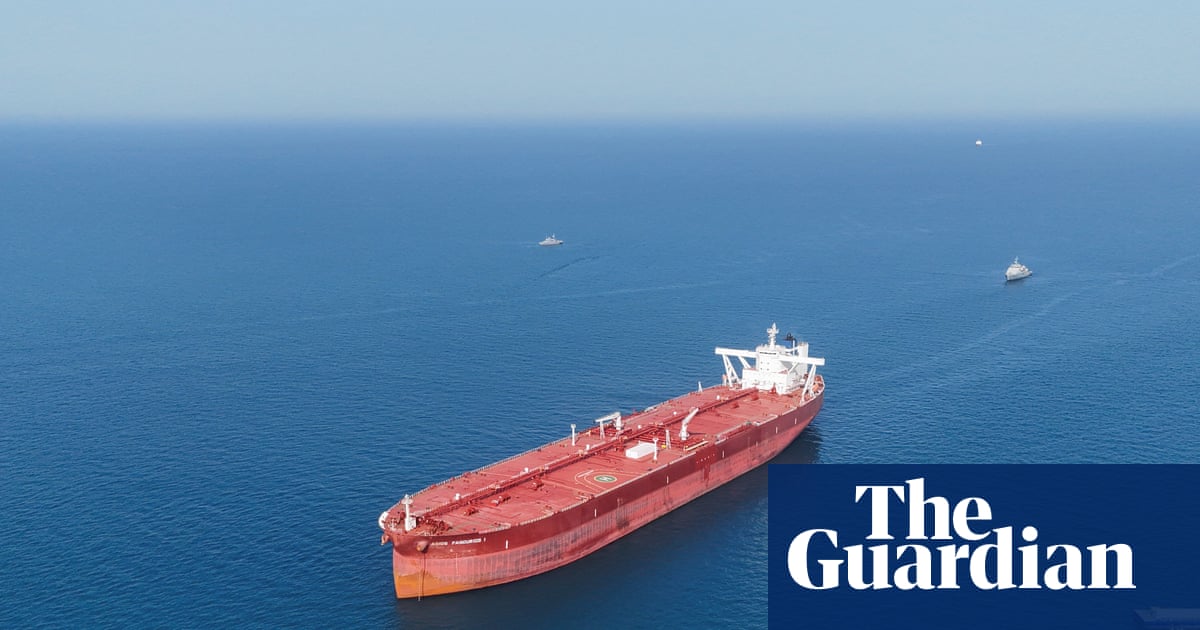
1 month agoOil surged past $100 before coming back to Earth. Wall Street is bracing for what comes next.
Higher inflation expectations will be meaningless if employers still hold the cards in wage setting and their customers retrench. The US labor market is too weak to support large price spikes, making fears over oil prices spiking inflation overblown.
US politics
fromLondon Business News | Londonlovesbusiness.com
1 month agoOil remains volatile as supply risks persist ahead of potential strategic reserve release - London Business News | Londonlovesbusiness.com
The market remains highly sensitive to developments in the Middle East, where elevated geopolitical tensions continue to expose energy infrastructure and shipping routes to significant risks. Supply conditions have already tightened, as production in parts of the region has been curtailed due to limited storage capacity and difficulties in exporting crude amid shipping constraints.
Miscellaneous
fromPoynter
1 month agoThe US exports oil, but that won't shield Americans from higher gas prices - Poynter
The United States - we produce more oil than we can consume. We're a net oil exporter," Wright said. This comment misses some important context. Some metrics show the U.S. as a net exporter, but for crude oil - the material that's refined into gasoline - the U.S. is a net importer.
World politics
#oil-price-surge
World news
fromLondon Business News | Londonlovesbusiness.com
1 month agoOil Prices Surge as Attacks Impact Global Supply - London Business News | Londonlovesbusiness.com
Brent crude oil surged 7% above $114 per barrel following Iranian missile strikes on Qatar's Ras Laffan LNG facility, escalating Middle East tensions and threatening global energy supply stability.
World news
fromLondon Business News | Londonlovesbusiness.com
1 month agoCrude oil remains elevated as supply risks turn into actual disruptions - London Business News | Londonlovesbusiness.com
Oil prices have surged 40-50% since late February due to actual Middle East supply disruptions, with Brent at USD 103.6 and WTI near USD 95, as Iran's attacks on production facilities materialize real supply losses rather than anticipated risks.
World politics
fromThe Atlantic
1 month agoOil Really Could Hit $200 a Barrel
Iran conflict has caused the largest oil supply disruption in history, with crude prices rising from $65 to $90-$100 per barrel, potentially reaching $200 if the Strait of Hormuz remains closed for a month, risking global recession and economic upheaval.
World politics
fromwww.theguardian.com
1 month agoHow high could oil go, and what might the global economic fallout be?
Oil prices surpassing $100 per barrel due to US-Israel conflict with Iran threaten global economic stability through inflation, market volatility, and potential central bank rate increases.
#geopolitical-risk
World news
fromLondon Business News | Londonlovesbusiness.com
1 month ago'Double whammy' as oil surges again and trade tensions escalate - London Business News | Londonlovesbusiness.com
Markets face dual pressures from surging energy prices driven by Iran-related geopolitical tensions and new trade investigations initiated by the Trump administration.
World news
fromLondon Business News | Londonlovesbusiness.com
1 month ago'Double whammy' as oil surges again and trade tensions escalate - London Business News | Londonlovesbusiness.com
Markets face dual pressures from surging energy prices driven by Iran-related geopolitical tensions and new trade investigations initiated by the Trump administration.
[ Load more ]