#zero-concrete-architecture
#zero-concrete-architecture
[ follow ]
#architecture #interior-design #design #home-decor #urban-design #residential-architecture #minimalism

fromdesignboom | architecture & design magazine
1 day agoberlin's KEIT bakery interiors balance rugged stone with soft washi paper
The layout reads immediately through its centerpiece. A large counter traces a curved path across the room, guiding both movement and attention. Formed from a reclaimed millstone, the surface has been cut into three segments and reassembled into a continuous, fan-like sequence.
Berlin food
#architecture


UX design
fromdesignboom | architecture & design magazine
3 days agohow wutopia lab's 'magical realism' turns everyday spaces into ethereal interior atmospheres
Wutopia Lab creates immersive architectural experiences that transform ordinary spaces into imaginative environments, enhancing perception through design elements like light and geometry.
Renovation
fromYanko Design - Modern Industrial Design News
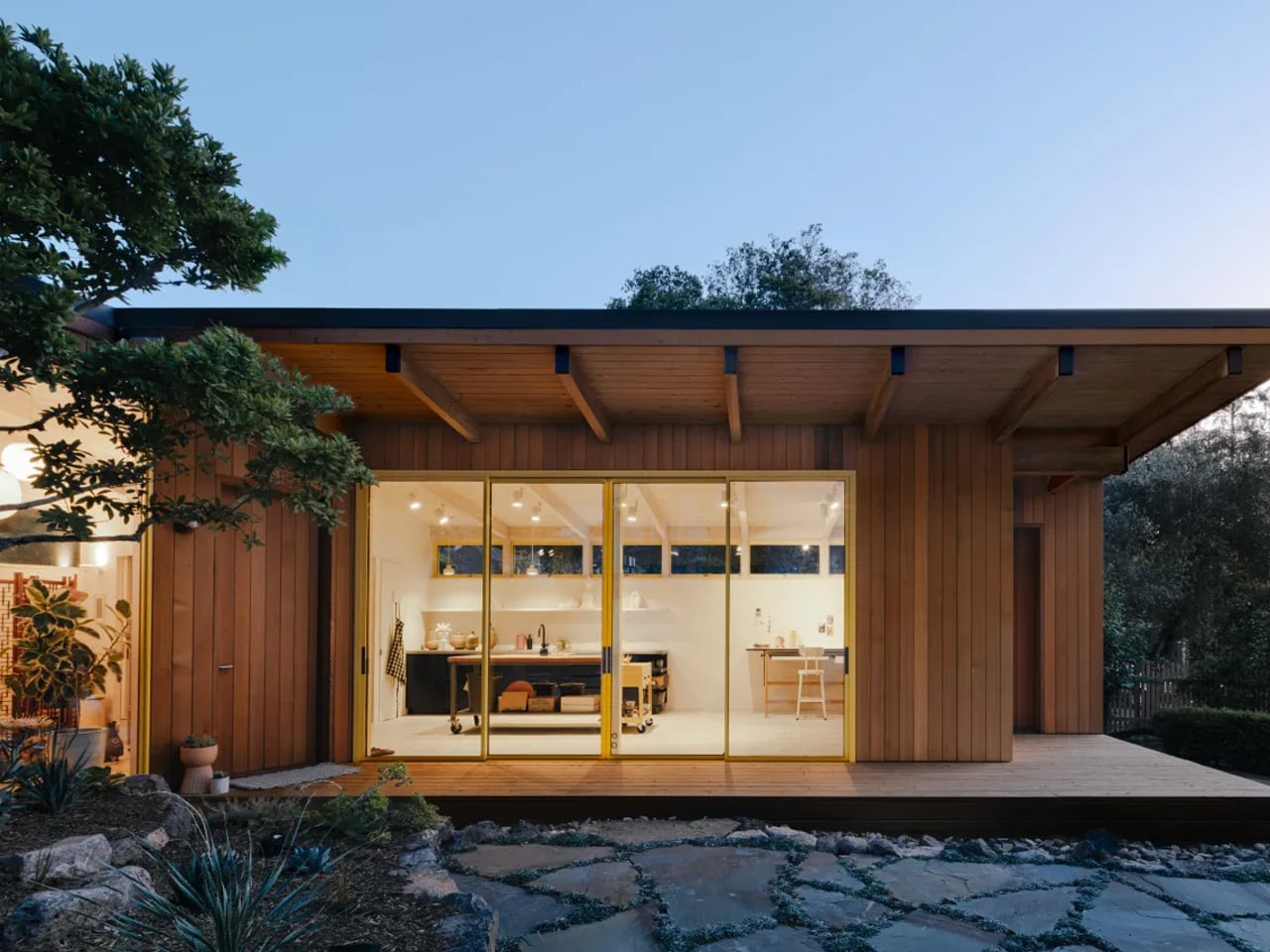
6 hours agoThis Japanese-Inspired Garden Studio in California Is Doing Three Jobs at Once - Yanko Design
Two-Fold Studio in Fairfax, California, is a multifunctional pavilion designed to accommodate a Pilates studio, ceramics workshop, and guesthouse within an 800-square-foot structure.
fromdesignboom | architecture & design magazine
3 days agoV&A east museum by o'donnell + tuomey opens in london as a folded concrete landmark
The five-story building positions itself on Waterfront Square, inviting visitors into a space that prioritizes accessibility, curiosity, and collective experience.
London
fromArchitectural Digest
4 weeks agoHome Design for a Longer Life: Can a House Really Promote Longevity?
When you design your home with intentionality, you are essentially 'hard-coding' healthy behaviors into your daily rhythm. Health outcomes are the result of thousands of micro-decisions—so in his own home, he prioritized spaces like the kitchen, whose open layout makes cooking a pleasure, and the gym, centrally located.
Wellness
fromArchitectural Digest
2 years agoBrutalist Architecture Is Divisive-Here's Everything You Need to Know About the Style to Determine Your Stance
The style is characterized by raw, exposed concrete and bold geometric forms. You've certainly seen it before in many cultural and civic buildings built between the 1950s and '70s. With countless examples spanning countries and continents, the look has both historical significance and remains popular-particularly in residential design-today.
Miscellaneous
Renovation
fromYanko Design - Modern Industrial Design News
4 days ago7 Brilliant Products Renters Are Buying to Upgrade Their Homes Without Drilling a Single Hole - Yanko Design
Renters can enhance their living spaces with versatile, non-permanent upgrades that are functional and environmentally conscious.
fromThe Architect Elevator
2 months agoThe Mighty Metaphor
The Architect Elevator is a metaphor-in reality, the company leadership may be sitting on the same building floor as you; my car metaphors could fill an entire book; and " Architecture is Selling Options " has become the anchor of many architecture keynotes. So, at least my world of architecture is full of metaphors.
Software development
#home-design
Renovation
fromIrish Independent
4 days agoSelf-build story: 'It awakened something in me; I probably did it in a past life. But I've finally found a really creative career that I love'
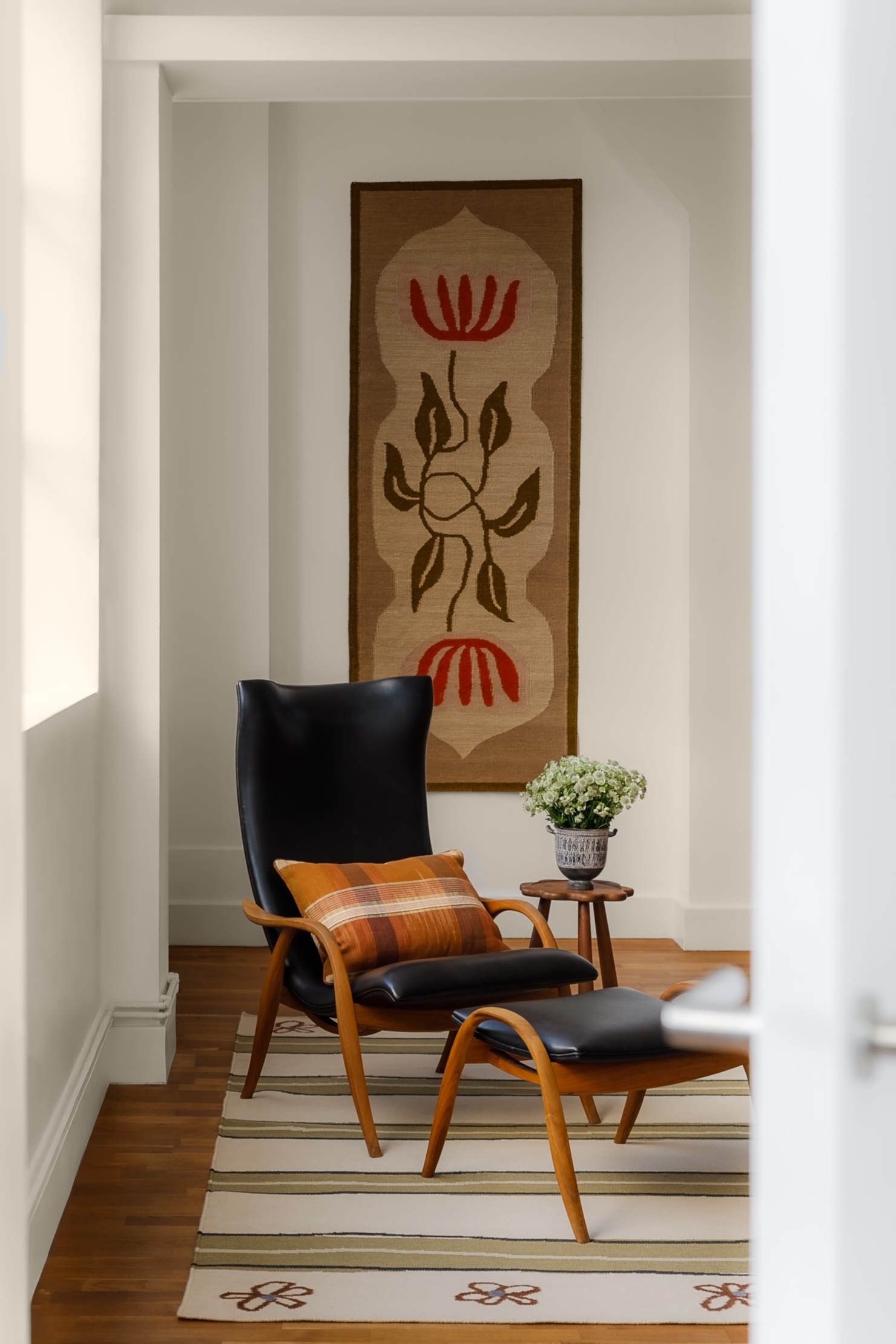
A West Cork bungalow combines Irish and French design elements, focusing on light and texture to create a Mediterranean-inspired family home.
Renovation
fromIrish Independent
4 days agoSelf-build story: 'It awakened something in me; I probably did it in a past life. But I've finally found a really creative career that I love'
A West Cork bungalow combines Irish and French design elements, focusing on light and texture to create a Mediterranean-inspired family home.
Design
fromwww.archdaily.com
1 month agoArchitecture as a Platform: What Makes a Building Evolve?
Architecture increasingly adopts product design principles, prioritizing operational clarity, performance, and scalability over novelty, making buildings accountable for functionality and consistent user experience.
fromArchDaily
2 months agoPlayful and Ironic: The Legacy of Postmodernist Architecture in the United States
Postmodernism began as a critique of modernism's exhausted promises. By the late 1960s and early 1970s, many designers no longer treated modernism as radical or socially redemptive. Urban renewal projects accelerated the demolition of historic neighborhoods, and landmark preservation battles raised urgent questions about what the United States valued and, ultimately, protected. The loss of major civic icons, including New York's Penn Station, sharpened public awareness that progress often arrives through erasure.
Design
[ Load more ]