Yanko Design's new podcast, Design Mindset, continues to bring fresh perspectives from design leaders around the world. Every week, this series (Powered by KeyShot) explores critical questions shaping the future of design, from recognition and validation to the evolving role of awards in our digital age. Episode 15 tackles a particularly timely subject: whether design awards still hold relevance when every designer has Instagram, Behance, and LinkedIn at their fingertips.
Each winter, ice and snow become building materials. From vernacular structures such as igloos and temporary snow shelters to snowmen shaped by hand, frozen water has long been used to form space, mark presence, and test the limits of climate and material. In contemporary practice, architects and artists work against time and temperature, shaping environments that last only as long as the cold allows.
Picture this: you're hiking through the Carpathians when fog rolls in and you lose your bearings. Instead of waiting hours for a helicopter rescue team, a drone reaches you in minutes, delivering supplies and guidance while thermal cameras track your location. This isn't science fiction. It's the vision behind Lynx, a jaw-dropping architectural concept that's equal parts rescue station, tourist destination, and gothic cathedral.
Those who follow me on LinkedIn may have gotten the impression that I'm against AI. Nothing is further from the truth. What I'm really against is the notion that you can't do design without AI so you either learn AI or you're doomed. Using AI is of course useful for designers. But so is knowing how to use Figma and I put both of those in the same bucket of tactical skills.
You know that moment when you see something so clever you wonder why it hasn't been done before? That's exactly what happened when I came across Denis Turitsyn's Radius Clock. This isn't just another minimalist timepiece fighting for wall space in your Pinterest feed. It's a genuinely fresh take on something we look at dozens of times a day without really seeing anymore.
Visual design increases brand engagement by shaping perception, generating emotion, and enabling brand recognition. Brands like Innocent Drinks use playful illustrations and informal typography to strengthen user connection. Their packaging design increases memorability and brand recall among UK audiences. Colour, typography, imagery, and layout influence how people experience a brand. Colour shapes emotional response. Blue signals trust, red activates urgency, green suggests sustainability. Barclays uses blue to build authority, while Oatly uses earthy tones to align with eco-conscious values.
The installation draws reference from both lived and imagined meals, translating familiar rituals into a spatial and mechanical composition. Rather than focusing solely on , the table incorporates the broader environment of a festive dinner, including decoration, movement, sound, and atmosphere. A series of mechanical systems animates glass objects, triggers light sequences, and releases scents, creating a layered sensory experience distributed along the length of the table.
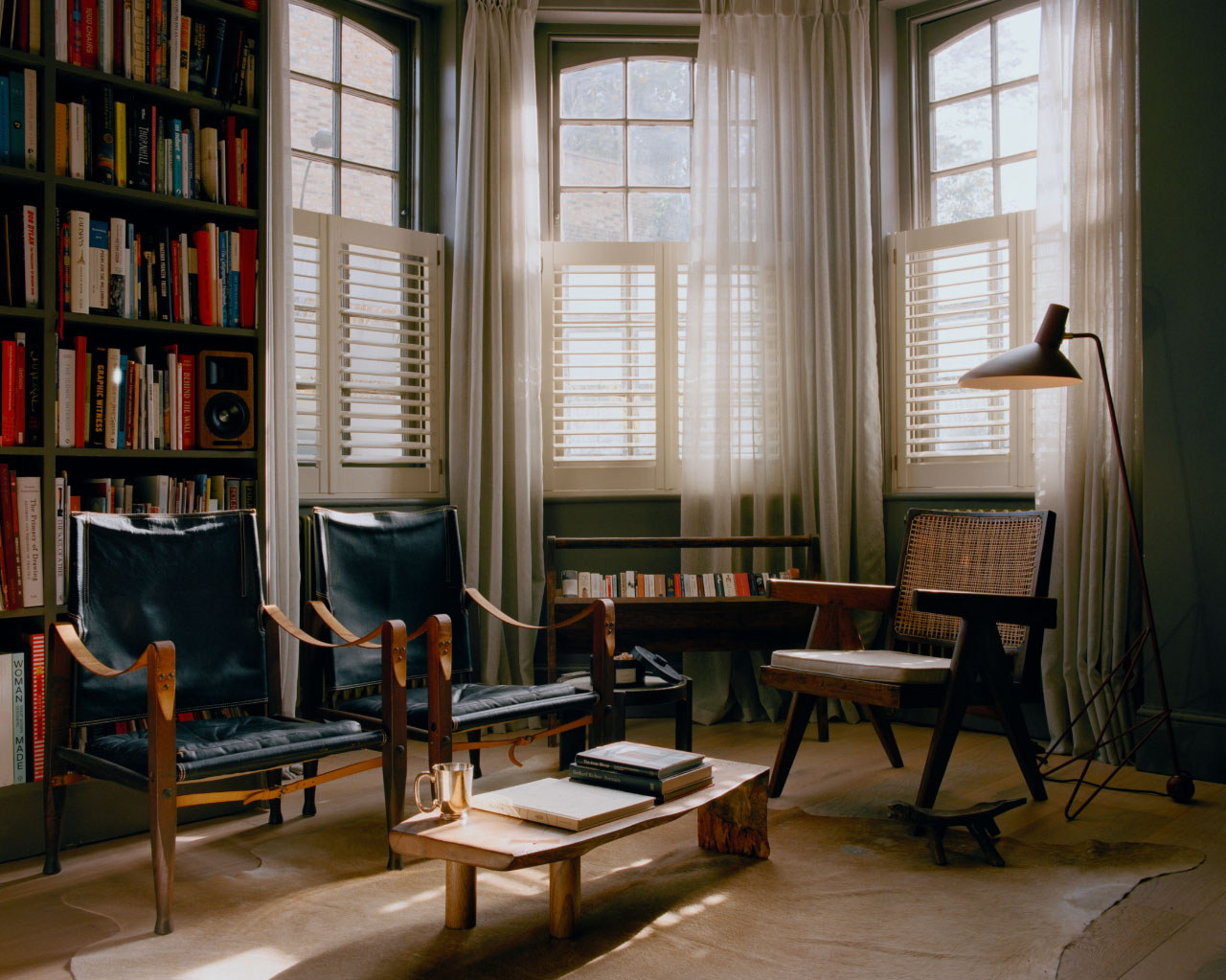
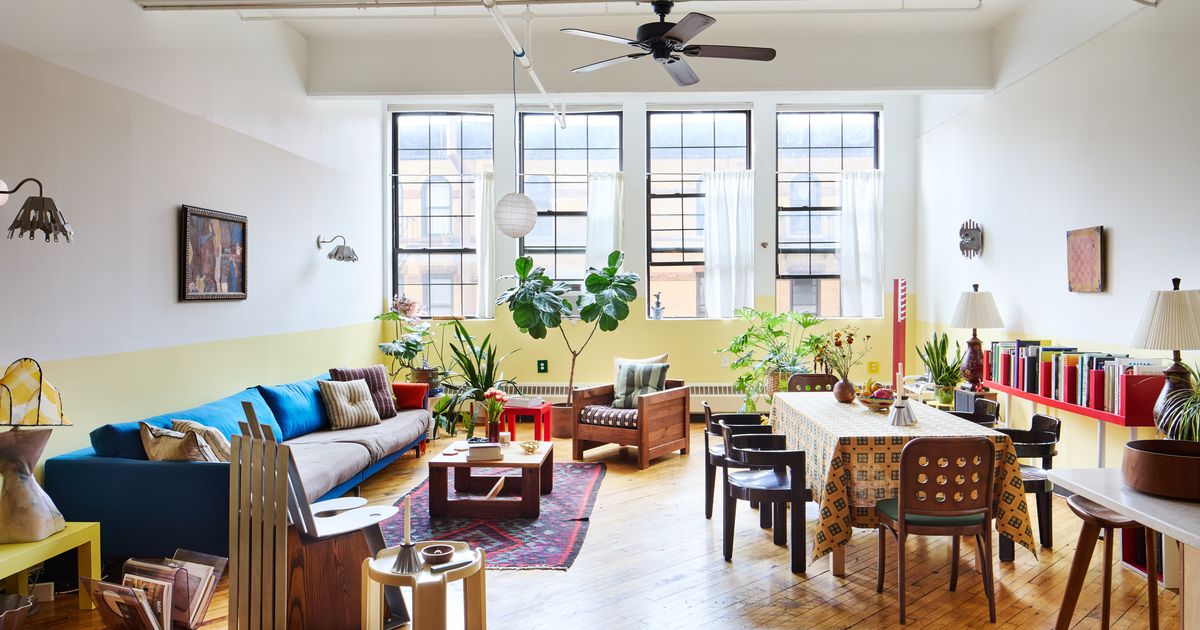
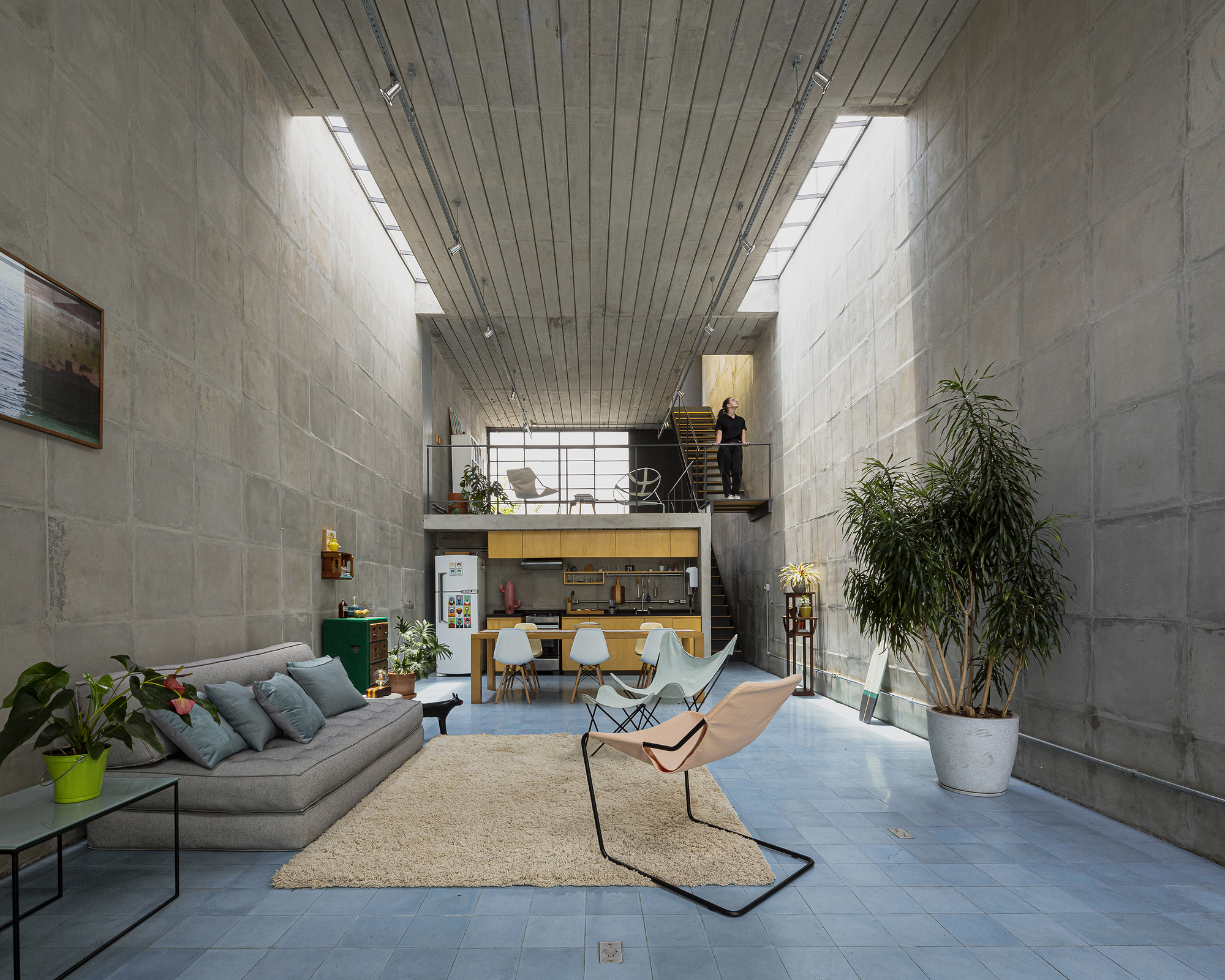
Wee take great care here at AD to not publish just one kind of home. The projects we feature are different sizes and styles, designed for different types of families and uses, and in locations across the globe. What unites them is a shared execution; each starts with a vision and finishes with a distinct perspective. "We're always looking for homes with a strong, personal point of view," confirms Alison Levasseur, global interiors and garden editor. "Spaces that feel authentic, real, and full of joy."
Form Us With Love's Nomad Collection remedies cable chaos in today's increasingly fluid work environments. An ever-imaginative Swedish industrial design studio, Form Us With Love developed the modular Nomad system in partnership with technical design company Forming Function to better accommodate the hybrid conditions of contemporary workspaces - where charging devices and task lighting are no longer tied to a single desk or location.
There's something quietly radical about sitting in a recycled Adirondack chair while you're waiting for your flight at the world's busiest airport. Plastic Reimagined transforms locally sourced plastic waste into full-scale seating prototypes, bridging design education, material research, and civic infrastructure at Hartsfield-Jackson Atlanta International Airport, and honestly, I can't stop thinking about how clever this is. Here's what happened.
Design Mindset steps into episode 16 with a clear purpose: to understand how industrial designers are navigating a world where tools, platforms, and expectations keep shifting under their feet. Yanko Design's weekly podcast, Design Mindset, powered by KeyShot, is less about design celebrity and more about design thinking, unpacking how decisions get made, how stories are built around products, and how technology is reshaping the craft from the inside out.
Pavilions are architecture's fast, experimental structures that test ideas long before they scale up to cities. This year's highlights push that spirit further, blurring the lines between sculpture, shelter, ritual space, and ecological device. From bamboo vaults rising in flood-prone villages to inflatable dream temples, from wind-driven feather structures on remote islands to LEGO-built playscapes in London, the pavilion becomes a tool for storytelling.
In recent years, designers increasingly recognize that a home's luxury is not defined by its size but by how space is sequenced, detailed, and experienced. In small residences, limited square footage becomes an opportunity to refine material honesty, elevate craftsmanship, and curate a focused expression of high-end living. This shift frames luxury as a philosophy rooted in intention rather than excess.
Humble brag incoming, but one of my favorite parts of my job is that I get to preview products and brand look books before they're available to the public. It's fun to get a first look at launches, and sometimes those sneak peeks happen in fabulous settings, like the recent Boll & Branch holiday preview at The Ritz-Carlton New York, NoMad.
The ritual of bedtime is why I care so much about what my bed feels like, and especially the fabrics I'm tucking myself into. I've tried a ton of different sheets over the years, and I know all the perks of different types, from percale to jersey knit, but never have I found a set that makes me feel like I'm spending the night at a fancy hotel as much as the Cotton Piping Design Bed Sheet Set from American Blossom Linens.