#art-craft-hierarchy
#art-craft-hierarchy
[ follow ]
#art #art-market #contemporary-art #art-fairs #art-sales #private-auctions #architecture #craft #craftsmanship
fromdesignboom | architecture & design magazine
17 hours agohow spanish ceramics bridge culture, memory and identity at milan design week 2026
Throughout its history, Spain has been shaped by a wide range of cultures and civilizations, including Muslim, Phoenician, Roman, Greek, Carthaginian, and Visigothic influences, which are reflected in its architecture and design.
Madrid food


fromChrbutler
1 week agoCraft is Untouchable - Christopher Butler
Craft is often defined as skill in making things by hand, but this interpretation is being challenged by AI. Craft transcends physical interaction; historical figures like Mozart and Beethoven exemplify mastery without traditional methods.
Intellectual property law
Arts
fromwww.amny.com
12 hours agoSelf-Made at the American Folk Art Museum explores a century of artists inventing themselves | amNewYork
Self-taught artists create work that is deeply personal, immediate, and reflective of lived experiences, challenging conventional narratives of artistic authorship.
fromArchDaily
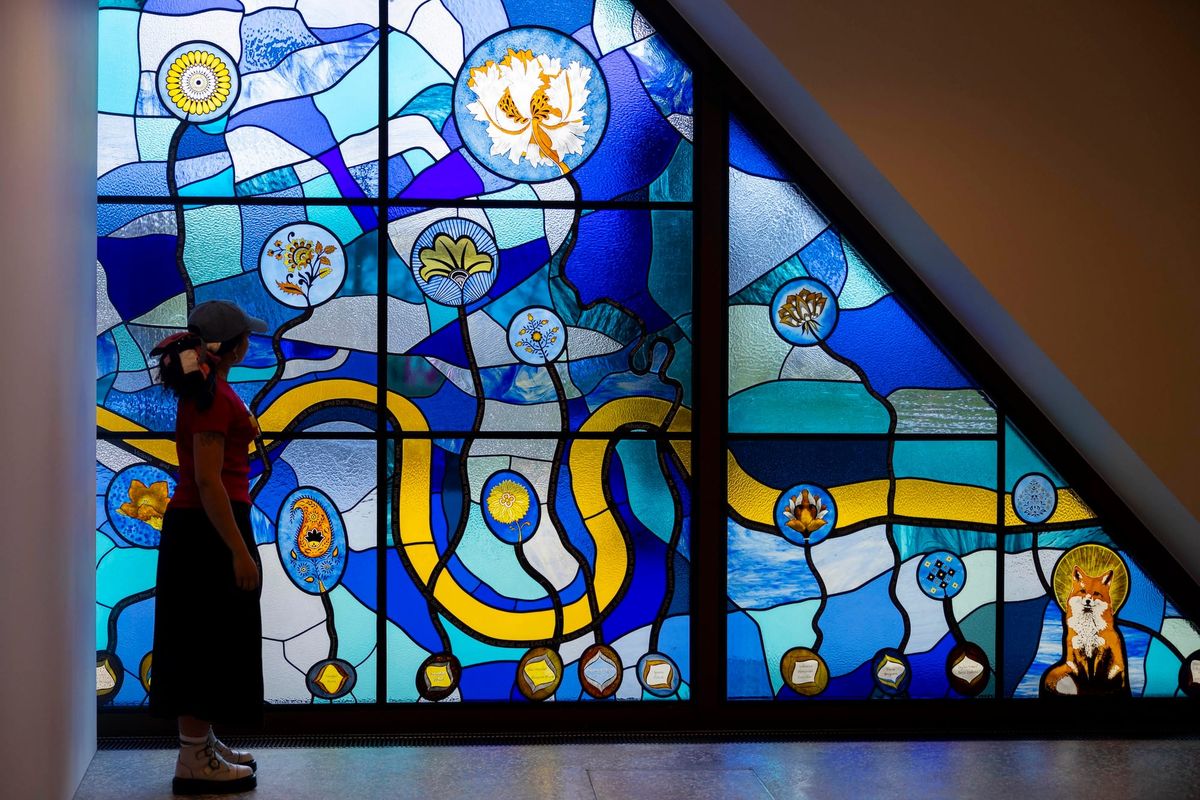
6 days ago"Material Is Where the Story Begins": Studio NEiDA on Building Through Craft and Context
Studio NEiDA operates at the intersection of architectural practice, research, and curatorial work, focusing on how buildings emerge from the material and cultural conditions of a place.
Design


Graphic design
fromwww.businessinsider.com
5 days agoI'm a 62-year-old paralegal who turned my needlepoint hobby into a side hustle. Gen Z are some of my best customers.
Kevin Lustik monetizes his needlepoint hobby, selling art influenced by climate issues, with growing interest from younger generations despite challenges in the fiber art market.
fromArtnet News
1 day agoPainting Has Entered Its Performance Era | Artnet News
Much of Instagram's video content is organized around transformation-the virtual magic of the before-and-after and clips that show cause and effect. A person makes pasta from scratch in 20 seconds via edits that compress time-intensive labor.
Arts
Fashion & style
fromEntrepreneur
1 month agoYoung Entrepreneurs Are Building Businesses Around 'Grandma Hobbies' and Demand Is Surging
Millennials and Gen Z entrepreneurs are building thriving businesses around analog hobbies like needlepoint, mahjong, and blacksmithing as an antidote to screen fatigue and digital burnout.
fromThe Art Newspaper - International art news and events
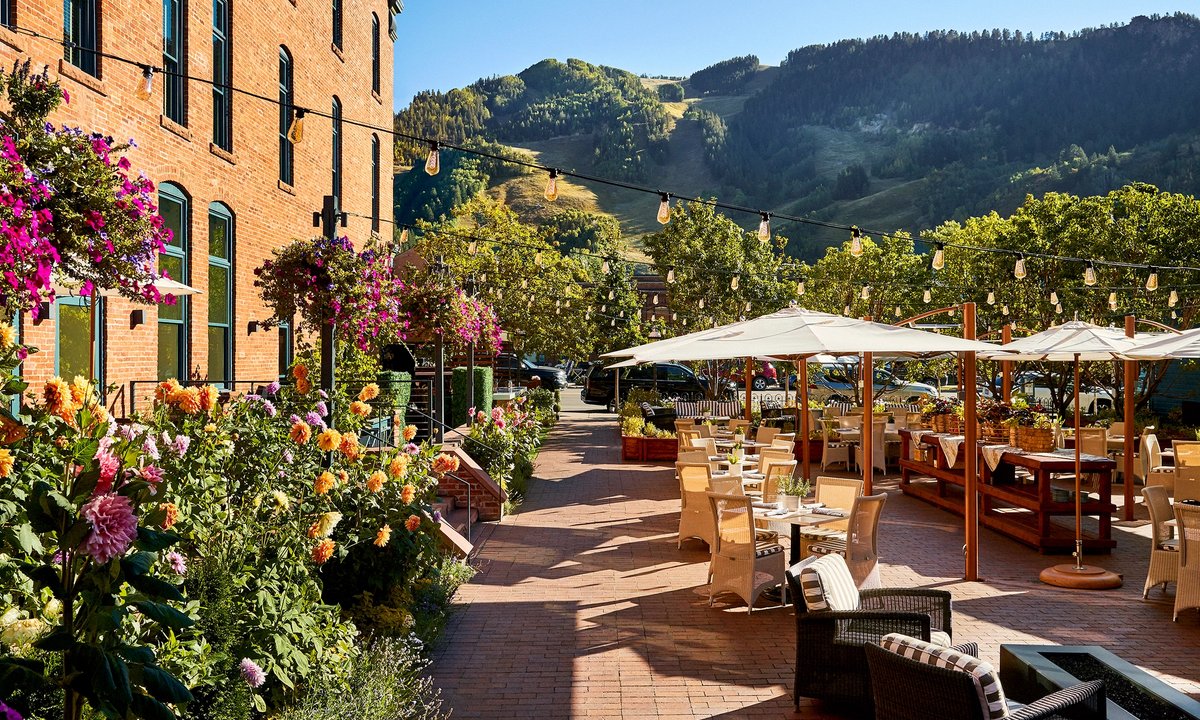
1 month agoGlassblower and porcelain heir Paul Arnhold on the art he loves to collect
Glass demands immediacy. Working at temperatures above 2,000°F leaves little room for overthinking, so the process becomes a kind of live dialogue between material, colour and chance. That same immediacy informs what I'm drawn to as a collector: works that carry a decisive gesture, a tactile presence, and the feeling that they could only exist in one form.
Miscellaneous
fromThe Art Newspaper - International art news and events
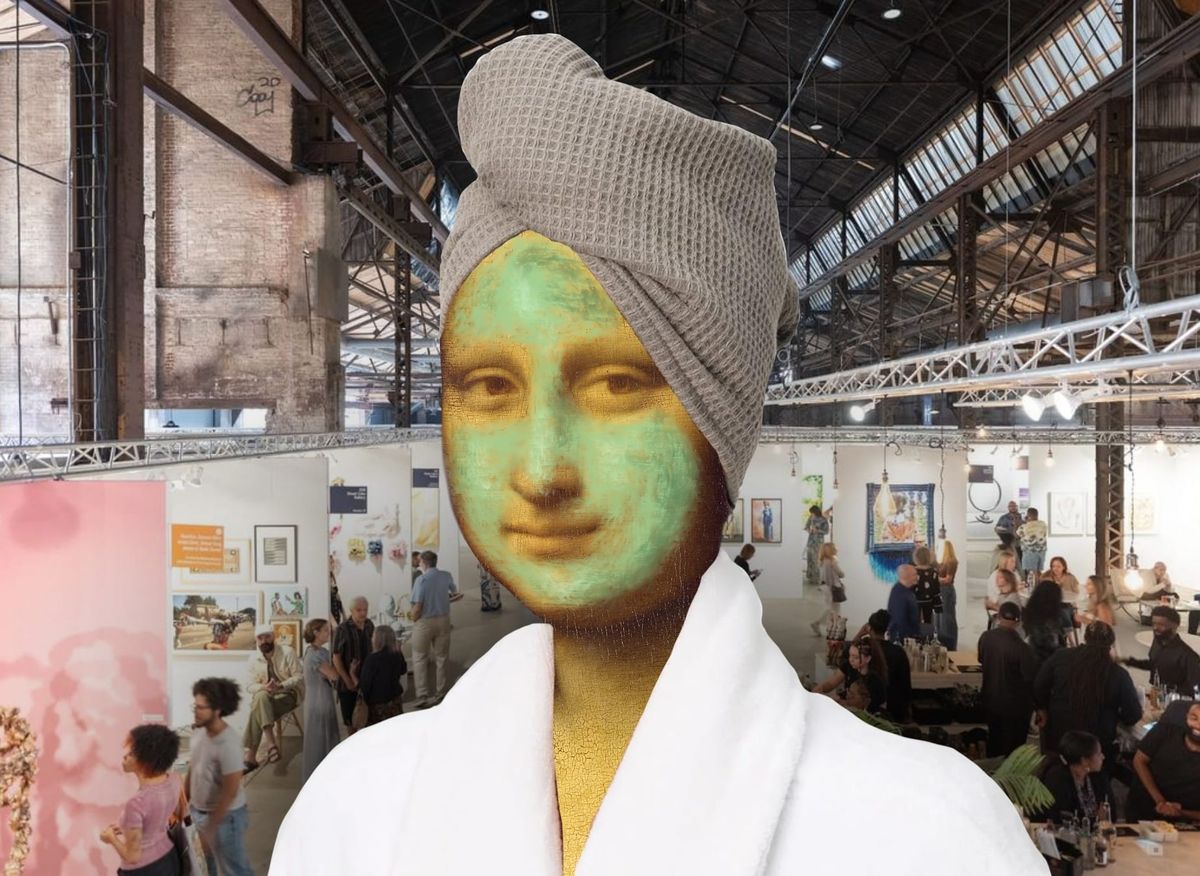
1 month agoIs most art now just too expensive for most people?
The inaugural edition of a new Art Basel fair opened in natural gas-rich Qatar in February with a novel artist-curated format consisting of 87 dealers presenting focused, biennial-style displays by individual artists. The ruling Al Thani family, worth $200bn, toured the fair before it opened and reserved numerous works, leaving dealers to spend the next few days wondering if and when those reserves would convert into sales.
Miscellaneous
fromThe Art Newspaper - International art news and events
1 week agoPressing issues: the vital role of printmaking in the history of art
Yale came to me and said there isn't an overarching book about the history of printmaking; they wanted it to be about the printed image. There are a lot of books about printing-about the history of journalism or the history of books, the printing press and the printed word-but not so much about the printed image and its processes. So that was my challenge.
Arts


fromHyperallergic
2 weeks agoThe Art World Is a Joke
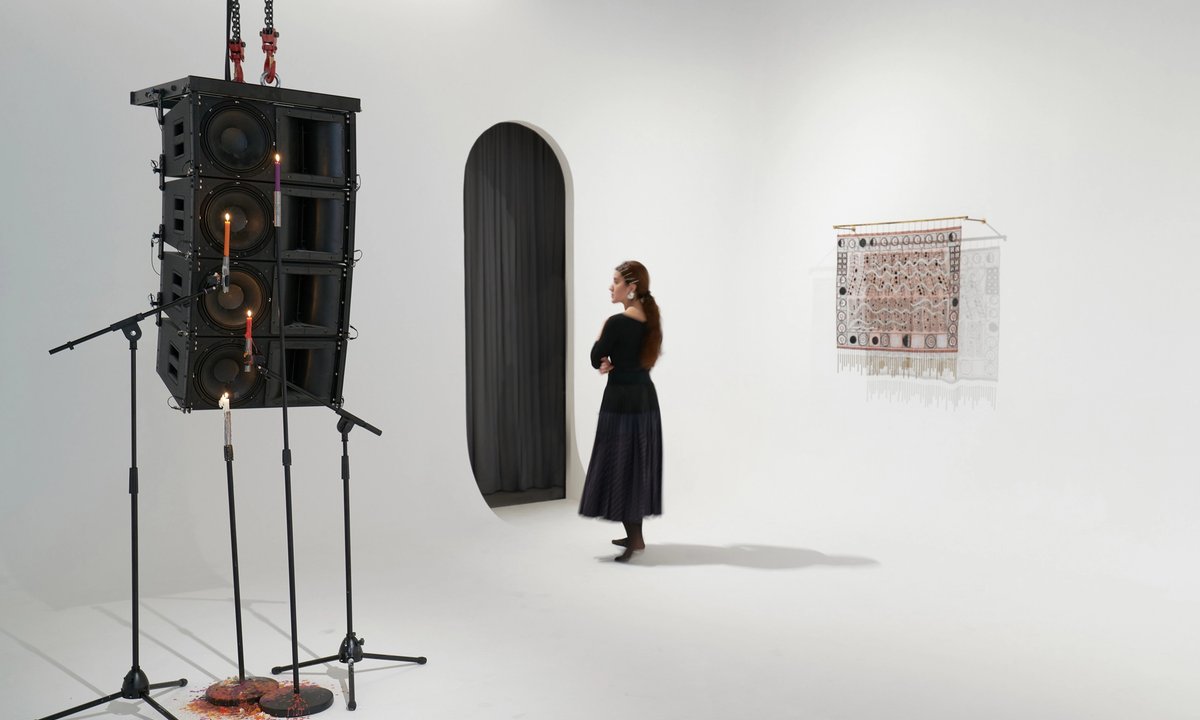
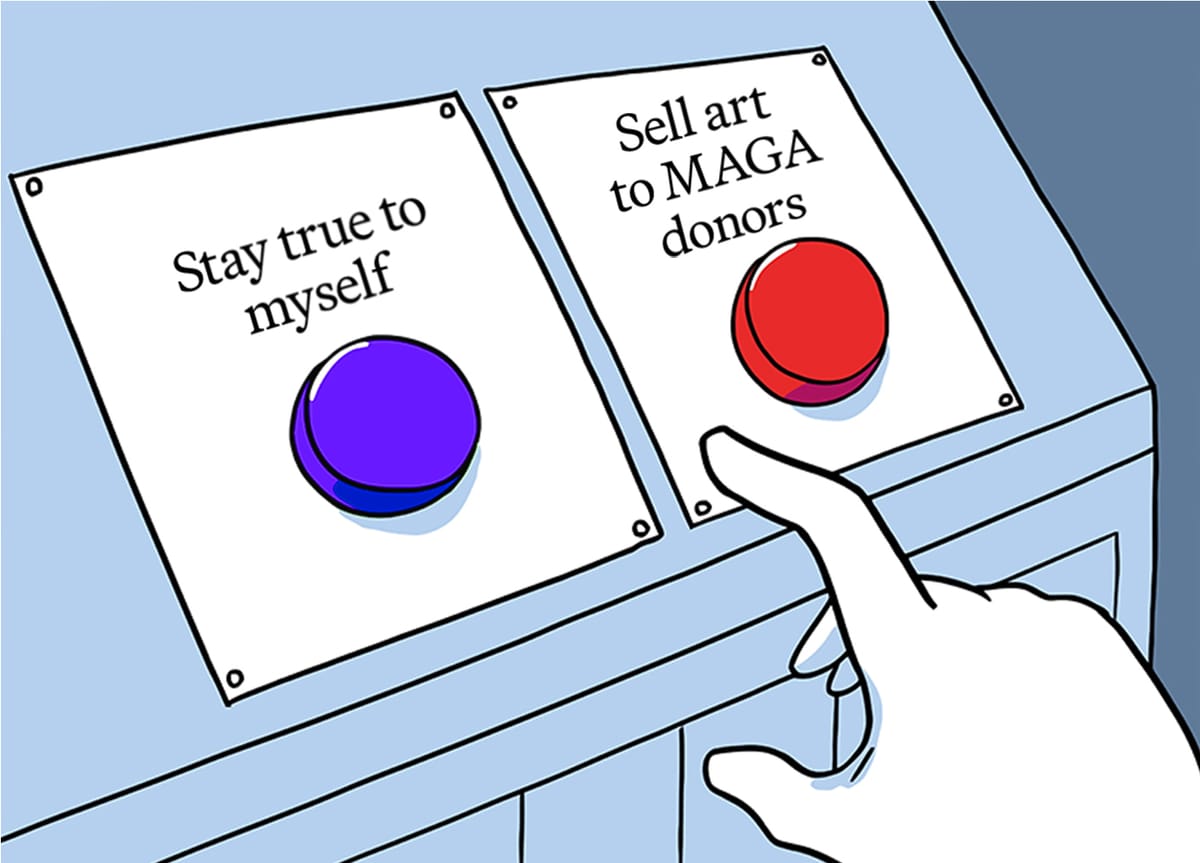
Kamrooz Aram is everywhere this year, from Mumbai Art Week to the Whitney Biennial, and critic Aruna D'Souza is grateful. She pens a beautiful meditation on his work, reading his abstract paintings as not simply a denunciation of Western modernism nor a reassertion of Islamic visual motifs, but something else entirely - something gestural, exuberant, riotous, and incomparably his own.
Arts
Relationships
fromSlate Magazine
2 months agoI Walked In On My Colleague Defiling a Precious Piece of Art. Now His Fate Is in My Hands.
An artist masturbated on a communal sculpture, apologized, promised to stop, and trusting him may be reasonable unless a recurring inappropriate sexual pattern appears.
fromBoard Game Quest
2 months agoSand Art Review
Sand Art is a game by Kory Jordan and published by 25th Century Games for two to four players ages 10 and up. It takes about an hour to play, and has you collecting resources and then coloring in a bottle, making art in a bottle out of sand, in case the name didn't give away the plot. Gameplay Overview: Sand Art has you gathering and mixing sand, which is used to fill your bottle.
Board games
Business
fromBusiness Matters
1 month agoDevelopment of the "Creative Hub" Model as a Factor of Sustainable Development and the Enhancement of Ethical Standards in the International Tattoo Business
Creative hub model supports sustainable development in the tattoo business by fostering professionalization, artist growth, brand-building, ethical standards, and commercial success.
fromMedium
2 months agoCan you run out of creativity?
There's a particular kind of panic that hits when you're facing a creative problem, and the well just feels... empty. Every idea seems stale. Every solution feels recycled. And the question creeps in: Have I finally used up all my good ideas? Maybe it's your third attempt at solving the same design problem, and every solution feels like a pale echo of something you've already tried. Or perhaps you've been churning out work for months, and suddenly the spark you used to rely on? Gone.
Psychology
fromVogue
1 month agoHow a New Generation of Designers Are Promoting, and Protecting, Their Names
What if I took my design lens and built out my essentials capsule for the Everlane customer? I felt like that would be a really amazing opportunity for me to introduce myself as a designer to an audience outside of EB Denim.
Fashion & style
Miscellaneous
fromThe Art Newspaper - International art news and events
1 month agoComment | Art is more than its original context
Understanding art's original context enriches appreciation, yet modern viewing conditions and lost contexts require adapting how we engage with artworks across different settings and time periods.

fromCurbed
2 months agoWhen the Ashtray Was Everywhere
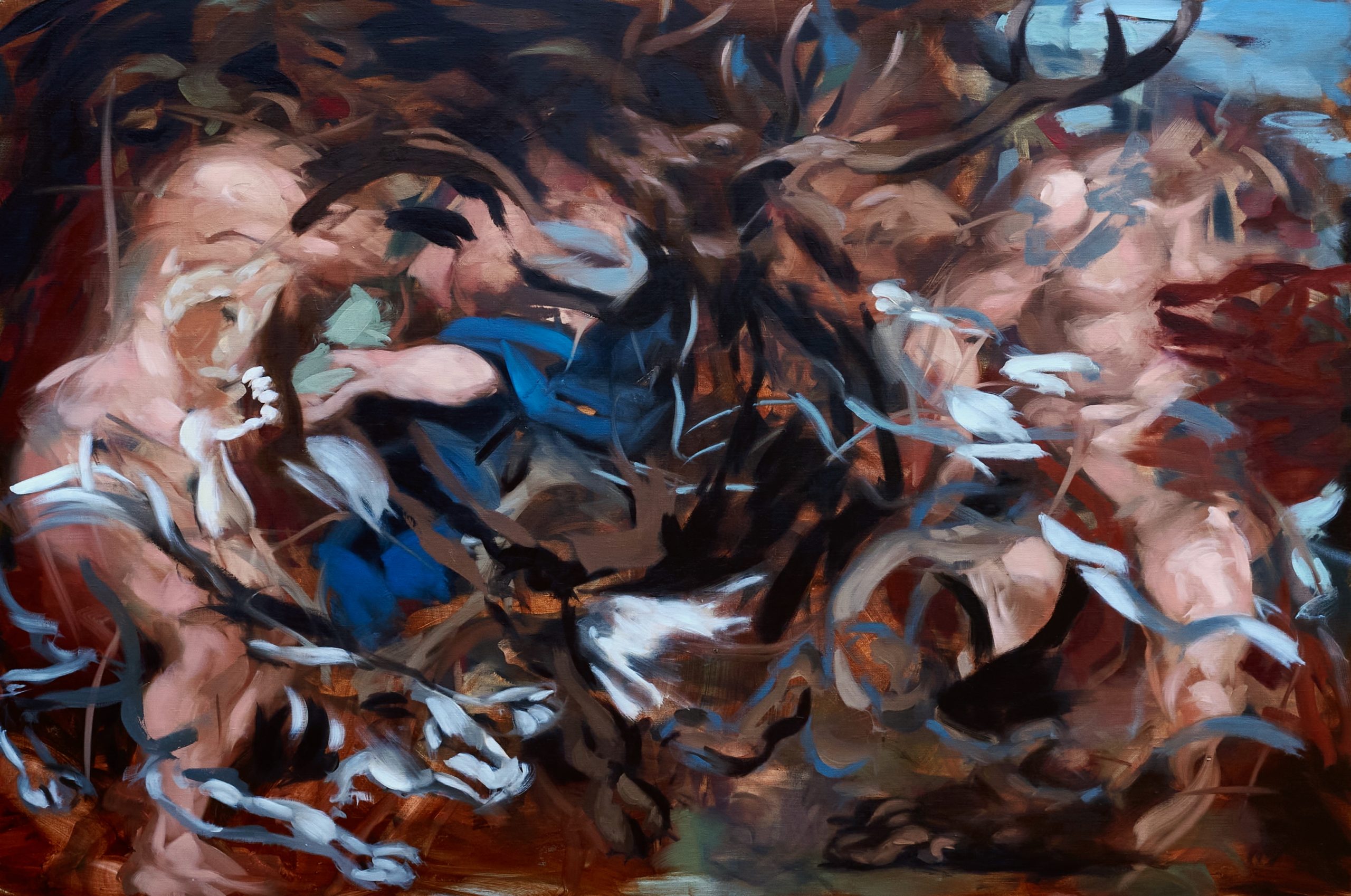
When was the last time you saw an ashtray filled with stubbed-out Marlboros at a friend's apartment? At a restaurant? For some of us, the answer may very well be "never." Maybe that's the charm of the International Museum of Dinnerware Design's new exhibition on ashtrays - invoking an era before health codes and Mayor Bloomberg. Or reaching back even further, when you might see a Similac-branded ashtray in the office of your OB/GYN.
Design
Arts
fromThe Art Newspaper - International art news and events
1 month agoNot just dollars, euros and pounds: Tefaf speaker sets out art's deep value for wellbeing
Scientific research demonstrates that arts engagement significantly improves mental health outcomes, with arts therapies doubling depression symptom improvement and regular cultural attendance reducing depression risk by nearly half.
fromHyperallergic
1 month agoEmbracing Friction in the Art World
On Franklin Street in Brooklyn's Greenpoint neighborhood, one non-commercial gallery fosters 'a small, stubbornly human space for friction.' Friction—the ubiquitous buzzword that captures the simultaneous delight and discomfort of doing things the slow way—is at the heart of artists Pap Souleye Fall and Char Jeré's current show at Subtitled NYC. It also reflects the overall spirit of this little exhibition space and of a burgeoning movement to reject our culture of optimization in favor of a bumpier, more intimate, less alienating experience.
Arts
Arts
fromHyperallergic
1 month agoMerging Craft Practices and New Media at the Museum of Craft and Design
Video Craft exhibition explores how video, film, and early moving image technologies share formal and technical properties with traditional craft media like ceramics, textiles, and glass through encoding, looping, and sampling.
Arts
fromThe Art Newspaper - International art news and events
1 month agoArtists agonise over when a work is finished-but should we viewers care?
Artists determine completion when they have successfully transformed visual memory and emotion into a physical object, at which point further work becomes unnecessary.
fromThe Art Newspaper - International art news and events
1 month agoBook on 'useful art' offers timely retort to the commodification of artists' work
The reason why useful art will change the world is that art, as we have come to know it since the 18th century, is the subject of 'neoliberal occupation', government regulation and commercial sponsorship. It has become useless, but not because the aesthetic exists in a Kantian separate world, but because, like everything else, including ourselves, it has become part of the neoliberal circulation of commodities, instrumentalised by the creative industries.
Arts
Arts
fromSilicon Canals
2 months ago8 signs you appreciate art, music, and culture on a deeper level than most people - Silicon Canals
Some people experience art deeply, reacting emotionally and perceiving subtle artistic cues that reveal heightened sensitivity and meaningful connections to creative expression.
fromThe Art Newspaper - International art news and events
1 month agoPost-Fair delivers by keeping it simple
We're still the new kids on the block. But it feels like we're more on the map, more anticipated this year. This year at Post-Fair, his gallery is showing small works by Edgar Ramirez, who won the Frieze Impact Prize in 2023.
Arts
fromHyperallergic
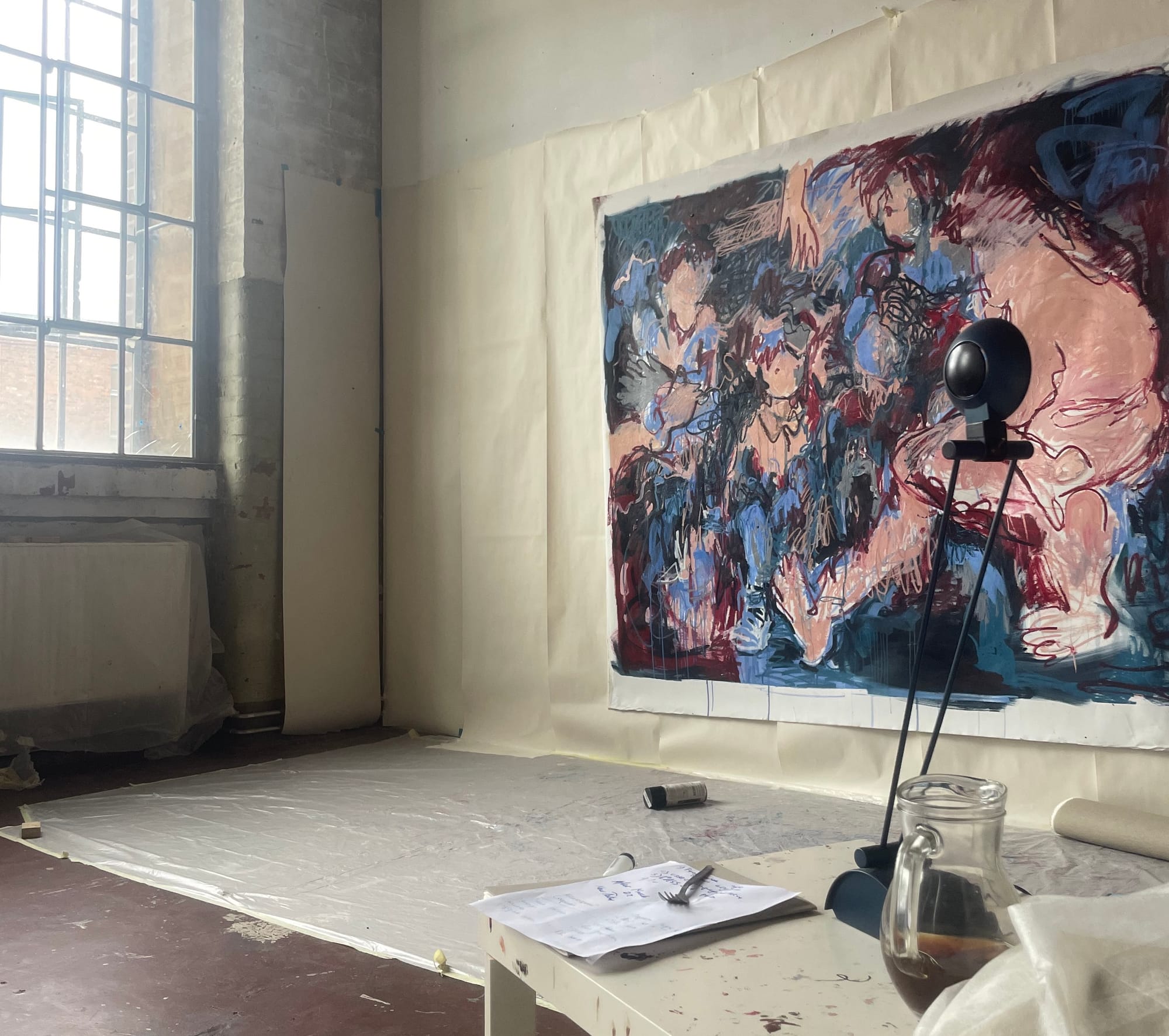
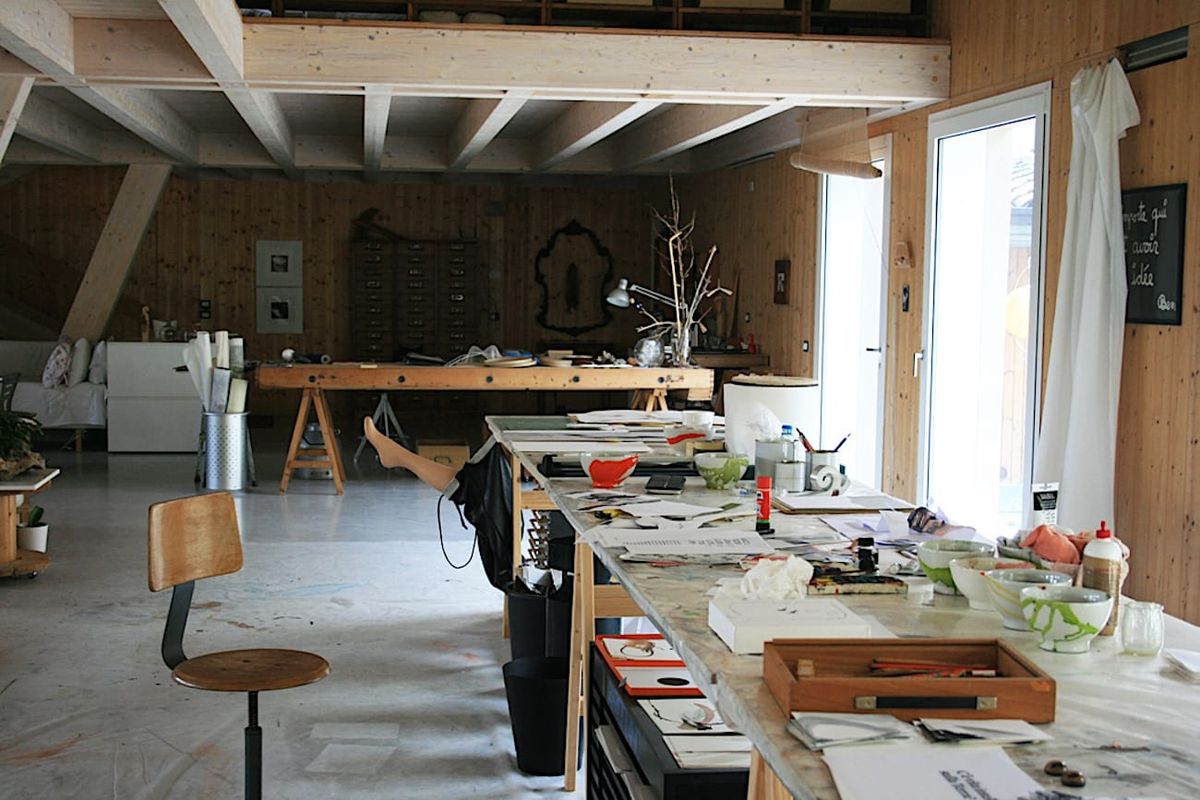
2 months agoA View From the Easel
The studio is at my house within a ranch, surrounded by nature. It's on the second floor of the house, where there's better light. My routine all day shifts between studio work and housework, including outdoor garden work. I get up a bit before 7am, drink coffee in the yard, and get morning sunshine. Then my husband and I eat breakfast and do a bit of cleaning or some chores in the garden.
Arts
fromHyperallergic
2 months agoArt for Dignity
As if demolishing the East Wing, gutting arts agencies, and slapping his name and face on several federal buildings weren't enough, the US president now wants to do away with a DC building known as the "Sistine Chapel of New Deal art." This week, we reported on a burgeoning campaign to save the Wilbur J. Cohen Federal Building, which houses murals by Ben Shahn, Philip Guston, Seymour Fogel, and other major American artists. We will continue to follow this story.
Arts
Arts
fromThe Art Newspaper - International art news and events
1 month agoUK exhibition celebrates the artisans throughout history who went to war
Frontline-made objects salvaged from battlefields reveal the skills, identities, and lived experiences of ordinary soldiers across conflicts from the World Wars to modern wars.
[ Load more ]