#cpap-waste
#cpap-waste
[ follow ]
#sustainability #recycling #waste-management #sleep-apnea #circular-economy #public-health #air-pollution


fromBig Think
5 days agoWhy fixing your gadgets often costs more than replacing them
The fix, he told me, was temporary - he didn't have the right part and couldn't get it. This experience revealed a broader shift in how modern products are designed, sold, and owned - one that increasingly treats repair as optional and replacement as inevitable.
Renovation



fromwww.theguardian.com
4 days agoThe dark side of the balloon boom is it time they were banned?
In 2019, scientists found that balloons eaten by seabirds are more likely to kill them than other kinds of plastic yet they do not seem to have been earmarked in the same way as, for example, plastic straws.
Public health
Agriculture
fromEarth911
2 weeks agoConvenience Comes at the Environment's Expense
Fast delivery convenience carries significant environmental costs through packaging waste, carbon emissions, and resource consumption, but individual yard management choices can meaningfully reduce environmental impact at a local scale.
fromWIRED
2 weeks agoA New Generation of Big Water Filters-Without the Plastic
Most water filter pitchers are made of BPA-free plastic. But as new research shows that bottled-water drinkers ingest tens of thousands of excess microplastic particles, wellness lovers have begun to look askance at water filters that are themselves made of plastic.
Beer
fromEarth911
2 weeks agoIs Shredded Paper Recyclable?
Shredded paper is especially difficult to recycle, so many programs will not accept it. Shredding accelerates fiber shortening and lowers the paper grade from high-grade to mixed-grade. Mixed-grade paper is still recyclable, but it ends up baled and processed into products like paper towels and packing paper.
Portland





fromTODAY.com
3 days agoThese Are the 2 Most Dangerous Home Cleaning Products to Have Around Kids, New Research Shows
"What surprised me is we are still seeing so many visits to emergency departments associated with very common household cleaning products," Lara McKenzie, Ph.D., stated, emphasizing the ongoing issue despite safety advancements.
Public health
fromEarth911
1 week agoEarth911 Inspiration: The First Step To Sustainability
The first step to sustainability is seeing that there is no boundary between you and nature. When we see this essential connection and reverse the artificial disconnections created over millennia, people can imagine a future where we all thrive with a regenerated ecosystem.
Environment
#obstructive-sleep-apnea
Medicine
fromwww.theguardian.com
3 weeks agoHow a vacuum cleaner turned the other way' became a popular solution to snoring disorders
Obstructive sleep apnea is a serious medical condition causing breathing interruptions during sleep, often preceded by snoring, requiring diagnosis and treatment with devices like CPAP machines.

Medicine
fromwww.theguardian.com
3 weeks agoHow a vacuum cleaner turned the other way' became a popular solution to snoring disorders
Obstructive sleep apnea is a serious medical condition causing breathing interruptions during sleep, often preceded by snoring, requiring diagnosis and treatment with devices like CPAP machines.
Miscellaneous
fromwww.theguardian.com
1 month agoA delightful day at the dump: The trick is not to leave with more stuff than I arrived with!'
A recycling centre's ReUse shop in London salvages discarded items including unusual specimens like embalmed animals, vintage furniture, and antiques to resell rather than send to landfill.



fromComputerWeekly.com
1 week agoWhy IT leaders need to consider AI's energy footprint | Computer Weekly
We are making sure that we have renewable energy powering all of our datacentre footprint. We have 100% renewable power today that is powering all of Azure, and we're very proud to build that base and essentially stimulate renewable energy around the world and in the UK.
Environment
Environment
fromEarth911
2 weeks agoHow You Can Help Keep Recycling Workers Safe
Recycling reduces waste and resource extraction, but material recovery facility workers face significant safety hazards, with nine deaths in 2023 and waste collection ranking as the fourth most dangerous job in the United States.
fromEarth911
2 months agoHow to Recycle, Reuse, or Responsibly Dispose of CPAP Machines and Accessories
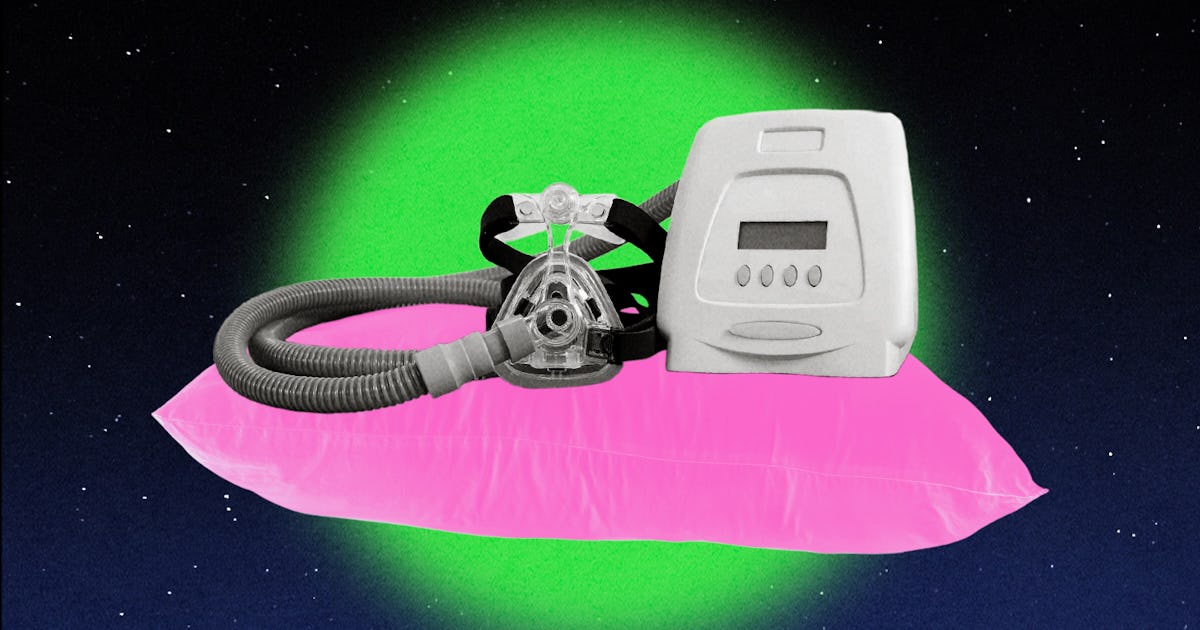
About 8 million Americans use CPAP machines every night for sleep apnea. Dealing with the electronics, plastic tubing, and silicone masks from these devices has created a major waste problem. In most places, CPAP machines are considered electronic waste, so throwing them in the trash is usually illegal. The compressor inside has circuit boards with lead, mercury, and cadmium, which can pollute soil and water if not handled properly.
Non-profit organizations
Environment
fromEarth911
3 weeks agoWhere to Find Eco-Friendly Ergonomic Pillows
The sustainable pillow market has grown significantly, but greenwashing and PFAS contamination in eco-labeled products pose serious health and environmental risks requiring careful verification through third-party certifications.
Wearables
fromTechCrunch
2 months agoWearable health devices could generate a million tons of e-waste by 2050 | TechCrunch
Global demand for health wearables could reach 2 billion units annually by 2050, risking over a million tons of e-waste and 100 million tons of CO2 unless design and materials change.
fromEarth911
1 month agoHow to Recycle or Dispose of Single-Use Alkaline Batteries
Never place batteries of any type in your curbside recycling bin. Batteries can damage recycling equipment and, if lithium batteries are mixed in, cause fires. Always use designated battery collection programs.
Environment
fromEarth911
1 month agoWhat Can You Do With Your Old Electrical Wires and Cables?
According to the UN's Global E-waste Monitor 2024, a record 62 million metric tons of electronic waste was generated worldwide in 2022, an 82% increase since 2010. E-waste is projected to reach 82 million metric tons by 2030. In the U.S. alone, roughly 8 million tons of e-waste is discarded each year.
Environment
fromwww.theguardian.com
1 month agoDeafening, draining and potentially deadly: are we facing a snoring epidemic?
When Matt Hillier was in his 20s, he went camping with a friend who was a nurse. In the morning she told him she had been shocked by the snoring coming from his tent. She basically said, For a 25-year-old non-smoker who's quite skinny, you snore pretty loudly,' says Hiller, now 32. The Guardian's journalism is independent. We will earn a commission if you buy something through an affiliate link. Learn more.
Medicine
fromZDNET
2 months agoThese unassuming devices promised to lower my electricity bills - only this one was legit
They do nothing to save you power Scam "power saving" devices are rampant online. These devices plug into an outlet and promise to "improve the use of energy," "extend the life of electrical equipment," and even "avoid illegal electrical waste." Sounds great, right? Also: This USB power meter I tested is shockingly accurate - especially for how cheap it is Well, despite the bold claims and the sticker on the front of the unit, they are too good to be true.
Gadgets
Environment
fromwww.mercurynews.com
1 month agoOpinion: AI is destroying our planet. We must act to check its growth and save ourselves.
AI's environmental impact is severe, with 2025 freshwater consumption exceeding global bottled water use and projected energy demands by 2034 matching India's entire consumption, requiring immediate action.
fromFast Company
2 months agoHospitals are 24/7 energy hogs. This one just went all electric
The University of California Irvine's new healthcare campus has a long list of innovative features, from its combined inpatient-outpatient surgical suite to its outdoor chemotherapy infusion terrace to an entire floor dedicated to staff only. The one thing it doesn't have is a gas line.
Medicine
Environment
fromEarth911
1 month agoHow to Recycle Nitrile, Latex, and Vinyl Sterile Gloves
Disposable gloves cannot go in curbside recycling due to equipment tangling and contamination risks; mail-in programs and manufacturer recycling offer proper alternatives for turning gloves into downcycled products.

Environment
fromComputerWeekly.com
1 month agoIT Sustainability Think Tank: The digital diet and the growing cost of AI energy use | Computer Weekly
AI expansion is straining land, water, and power grids; industry and individuals must share responsibility through a "Digital Diet" and SDG12-style responsible consumption.
fromEarth911
2 months agoRecycling Mystery: Black-Colored Plastic
Black plastic gets its color from carbon black pigment and is commonly used in food containers, such as meat or produce trays and take-out containers, as well as disposable coffee lids, plastic bags, and hard plastic items like DVD cases and planters. While plastic is one of the categories of things that we are encouraged to recycle - when we can't reuse or repurpose it - not all black plastic items can be recycled.
Environment
fromwww.bostonherald.com
2 months agoEco-friendly toilet papers are trendy, but their actual environmental impacts vary
Toilet paper, a product that is used for a few seconds before being disposed of forever, is typically made with trees, energy-intensive manufacturing processes and chemicals that can pollute the environment. Experts say more consumers are seeking toilet paper made from recycled content or sustainable materials, but it can be hard to know what to look for. Sustainable toilet paper often costs more, but can have significant environmental benefits.
Environment
fromwww.theguardian.com
2 months agoHousehold burning of plastic waste in developing world is hidden health threat, study shows
The household burning of plastic for heating and cooking is widespread in developing countries, suggests a global study that raises concerns about its health and environmental impacts. The research, published in the journal Nature Communications, surveyed more than 1,000 respondents across 26 countries. One in three people reported being aware of households burning plastic, while 16% said they had burned plastic themselves.
Environment
fromEarth911
1 month agoEarth911 Inspiration: Waste Can End With You
We can make changes to reduce our waste by precycling when we shop, reducing what we purchase, reusing items to get the most use out of them, and recycling when possible. But when we have items to throw away, please dispose of trash responsibly and don't litter. Let's reduce our waste and clean up our planet. It's our only home.
Environment
fromwww.theguardian.com
2 months agoRecycled plastic packaging claims are misleading, say experts
Europe's supermarket shelves are packed with brands billing their plastic packaging as sustainable, but often only a fraction of the materials are truly recovered from waste, with the rest made from petroleum. Brands using plastic packaging from Kraft's Heinz Beanz to Mondelez's Philadelphia use materials made by the plastic manufacturing arm of the oil company Saudi Aramco. The Saudi state-owned holding opposes production cuts under the UN plastic treaty and is the world's largest corporate greenhouse-gas emitter (over 70m tonnes up to 2023).
Environment
fromEarth911
2 months ago35 Years Worth Of Things You (Probably) Didn't Know About Earth911
Earth911 turns 35 in 2026. We invited Trey Granger, who worked at Earth911 from 2007 to 2014 as the site's first content editor, and whoe also oversaw expansion of the recycling directory, to share some of the highlights of the continuing journey to an easy to understand recycling system.Earth911 turns 35 years old in 2026 (but we don't look a day over 30). To celebrate, here are 35 fun facts about your favorite low-waste resource.
Environment
fromEarth911
2 months agoGuest Idea: 7 Solutions to Give Your Old Sunglasses a Second Life
Just like that coffee cup, eyewear is a complex fusion of materials. Metal hinges are screwed into polymer frames, which hold chemically-coated lenses. This mix of metals, plastics, and coatings means standard sorting machines cannot process them. As a result, they are rejected as contamination and sent directly to landfills, where they contribute to non-biodegradable waste. Unlike a disposable paper cup, however, a pair of sunglasses is built for durability. Its high-quality components make it a perfect candidate for repair, reuse, or reinvention.
Environment
[ Load more ]