#cross-species-friendship
#cross-species-friendship
[ follow ]
#human-animal-bond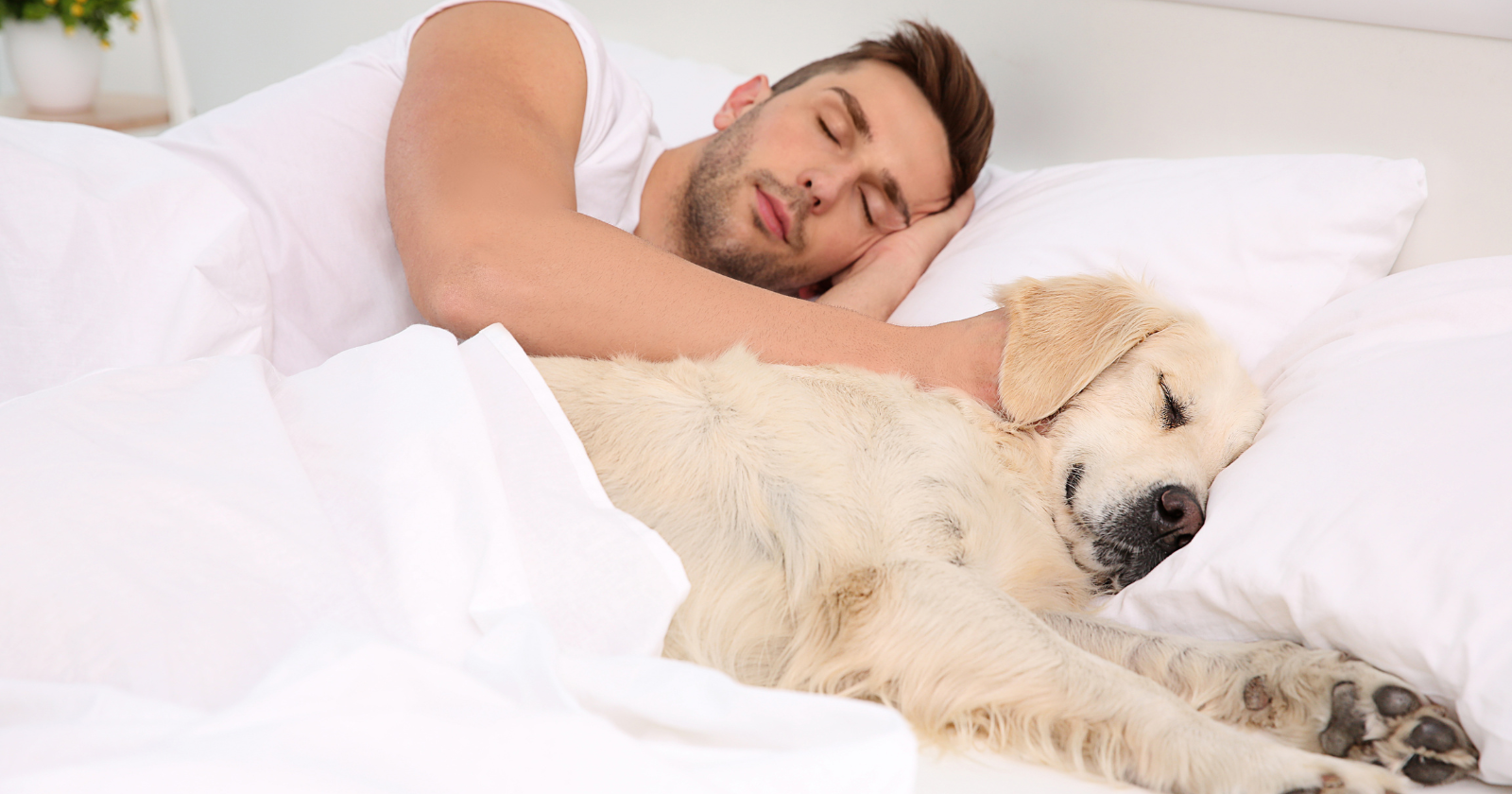
fromSilicon Canals
1 day agoPsychology
Psychology says people who let their pets sleep in their bed aren't clingy or emotionally stunted - they've found one of the only relationships in modern life that offers unconditional presence without the performance anxiety that makes human connection so exhausting - Silicon Canals

Psychology
fromSilicon Canals
2 weeks agoResearch suggests adults who find it easier to bond with animals than with people aren't antisocial - they're drawn to a form of connection where the terms are visible, the loyalty isn't conditional, and the relationship doesn't require them to monitor a constantly shifting set of expectations that human attachment taught them to treat as a second job - Silicon Canals
Preference for animal companionship over human interaction reflects a logical response to complex emotional histories rather than a personality flaw.
Psychology
fromSilicon Canals
1 day agoPsychology says people who let their pets sleep in their bed aren't clingy or emotionally stunted - they've found one of the only relationships in modern life that offers unconditional presence without the performance anxiety that makes human connection so exhausting - Silicon Canals
Needing comfort from pets is not a weakness; it can enhance emotional well-being and reduce anxiety.
Psychology
fromSilicon Canals
2 weeks agoResearch suggests adults who find it easier to bond with animals than with people aren't antisocial - they're drawn to a form of connection where the terms are visible, the loyalty isn't conditional, and the relationship doesn't require them to monitor a constantly shifting set of expectations that human attachment taught them to treat as a second job - Silicon Canals
Preference for animal companionship over human interaction reflects a logical response to complex emotional histories rather than a personality flaw.
#communication
Relationships
fromSilicon Canals
1 day agoPsychology says people who would always rather call than text aren't demanding more of your time - they're asking for the one thing that separates a real conversation from the performance of one, which is the sound of another person being alive on the other end, and that need is not inconvenient, it is human - Silicon Canals
Phone calls foster deeper connections than text messages, capturing nuances of emotion that typed words cannot convey.

Psychology
fromSilicon Canals
4 days agoPsychology says people who command the most respect in a room aren't the loudest or most confident - they're the ones who can disagree without making others feel stupid for having believed something different - Silicon Canals
Respectful disagreement fosters genuine influence and encourages open dialogue.
Relationships
fromSilicon Canals
1 day agoPsychology says people who would always rather call than text aren't demanding more of your time - they're asking for the one thing that separates a real conversation from the performance of one, which is the sound of another person being alive on the other end, and that need is not inconvenient, it is human - Silicon Canals
Phone calls foster deeper connections than text messages, capturing nuances of emotion that typed words cannot convey.
Psychology
fromSilicon Canals
4 days agoPsychology says people who command the most respect in a room aren't the loudest or most confident - they're the ones who can disagree without making others feel stupid for having believed something different - Silicon Canals
Respectful disagreement fosters genuine influence and encourages open dialogue.
#empathy
fromSilicon Canals
3 days agoPsychology
Research suggests people who feel more empathy for dogs than humans aren't broken - their empathy is fully intact, it's just been directed toward the only available recipient that has never weaponized it, and a person whose empathy has been weaponized enough times eventually stops handing it to anyone who could do it again - Silicon Canals

Psychology
fromSilicon Canals
3 days agoResearch suggests people who feel more empathy for dogs than humans aren't broken - their empathy is fully intact, it's just been directed toward the only available recipient that has never weaponized it, and a person whose empathy has been weaponized enough times eventually stops handing it to anyone who could do it again - Silicon Canals
Empathy can be selective, often directed more towards animals than humans due to psychological and biological factors.
Psychology
fromSilicon Canals
6 days agoPsychology says people who ask 'how can I learn to be more empathetic' already possess the one trait that matters most - self-awareness - while people who claim they're already empathetic rarely are - Silicon Canals
Self-awareness is essential for developing genuine empathy and emotional intelligence.
Psychology
fromSilicon Canals
2 days agoPsychology says the loneliest people in life aren't the ones nobody likes - they're the kind, helpful people everyone appreciates but nobody thinks to check on because they seem so self-sufficient - Silicon Canals
Highly capable, helpful individuals often feel lonely because their strength creates an illusion that they do not need support.
#friendship
Relationships
fromPsychology Today
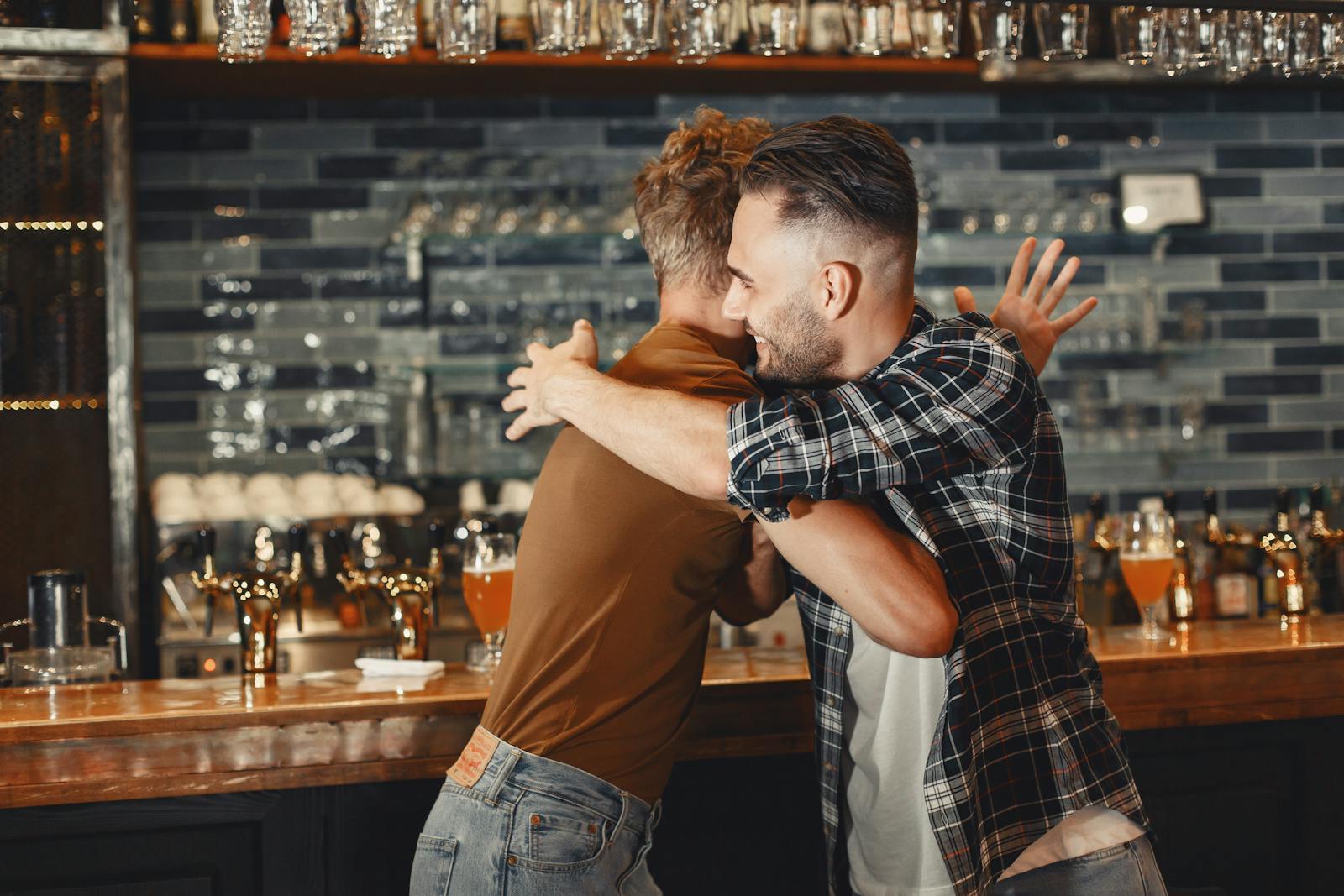
3 days agoHow to Cultivate Adult Friendships
Negative beliefs about rejection hinder relationship building, while consistent interactions and practicing social skills foster connections and reduce anxiety.
fromSilicon Canals
2 days agoPsychology
People who are kind and intelligent but have no close friends have usually spent so long being competent in every situation that they've forgotten, or never learned, how to be helpless in front of someone - and helplessness, offered honestly, is one of the primary raw materials that close friendship has always been made from - Silicon Canals
fromSilicon Canals
4 days agoPsychology
The hardest friendships to maintain aren't the ones with conflict. They're the ones where both people are growing but in different directions, and neither person is wrong, and there's no argument to have, just a slow widening that nobody caused and nobody can fix. - Silicon Canals
fromSilicon Canals
3 days agoPsychology
The friendships that survive months of silence and pick up exactly where they left off aren't casual. They're evidence that someone once knew you beneath the performance, and the connection lives at a layer that doesn't require maintenance because it was never built on the surface in the first place. - Silicon Canals
Psychology
fromSilicon Canals
2 weeks agoPsychology says people who are extremely kind but have no close friends aren't socially inept - they're operating with a version of kindness that prioritizes other people's comfort so completely that it never creates the vulnerability required for actual friendship - Silicon Canals
Vulnerability is essential for developing close friendships, yet many kind individuals struggle to initiate self-disclosure.
Psychology
fromSilicon Canals
2 days agoPeople who are kind and intelligent but have no close friends have usually spent so long being competent in every situation that they've forgotten, or never learned, how to be helpless in front of someone - and helplessness, offered honestly, is one of the primary raw materials that close friendship has always been made from - Silicon Canals
Real friendship is built on vulnerability and connection, not competence or capability.
Psychology
fromSilicon Canals
4 days agoThe hardest friendships to maintain aren't the ones with conflict. They're the ones where both people are growing but in different directions, and neither person is wrong, and there's no argument to have, just a slow widening that nobody caused and nobody can fix. - Silicon Canals
Friendships often end due to gradual emotional distance rather than specific events, highlighting the importance of recognizing blameless drift.
Psychology
fromSilicon Canals
3 days agoThe friendships that survive months of silence and pick up exactly where they left off aren't casual. They're evidence that someone once knew you beneath the performance, and the connection lives at a layer that doesn't require maintenance because it was never built on the surface in the first place. - Silicon Canals
Low-maintenance friendships can be deep connections that endure silence and distance, indicating a strong underlying bond.
Psychology
fromSilicon Canals
2 weeks agoPsychology says people who are extremely kind but have no close friends aren't socially inept - they're operating with a version of kindness that prioritizes other people's comfort so completely that it never creates the vulnerability required for actual friendship - Silicon Canals
Vulnerability is essential for developing close friendships, yet many kind individuals struggle to initiate self-disclosure.
Relationships
fromSilicon Canals
3 days agoI hated small talk for thirty years because I thought it was shallow - until I noticed that every meaningful relationship I've ever had started with a conversation about the weather, a shared queue, or a throwaway comment that neither of us expected to lead anywhere - Silicon Canals
Small talk serves as a gateway to deeper conversations and meaningful relationships, contrary to the belief that it is shallow and pointless.
Psychology
fromSilicon Canals
4 days agoPsychology says the most self-centered people in any room aren't the ones who talk loudest - they're the ones who respond to every story you tell with a story about themselves, so automatically and so consistently that they've long since stopped noticing they do it - Silicon Canals
Conversational narcissism involves shifting focus in conversations back to oneself, often without awareness, hindering genuine connection.
Pets
fromSilicon Canals
1 week agoPsychology says people who sleep in the same bed as their dogs aren't substituting the dog for human intimacy - they're supplementing a human life with the one kind of companionship that asks for nothing, carries no grievances into the bedroom, and has never once in the history of the arrangement woken up on the wrong side - Silicon Canals
Co-sleeping with dogs provides comfort and security, enhancing relaxation and sleep quality for many pet owners.
fromNature
5 days agoDopaminergic mechanisms of dynamical social specialization - Nature
Social foraging strategies illustrate the balance between competition and cooperation, where individuals either produce resources or exploit the efforts of others, navigating ecological and social constraints.
Psychology
Psychology
fromSilicon Canals
1 week agoThere's a kind of intelligence that never gets measured because it lives entirely in the body. The person who can feel the weather changing in their knees, read a dog's mood from across the street, and know a room is wrong before anyone speaks. - Silicon Canals
Intelligence extends beyond cognitive abilities, encompassing bodily awareness and interoception as vital forms of processing information.
Relationships
fromPsychology Today
1 month agoFrom AI to BFF: Could AI Replace Humans as Friends?
AI chatbots are increasingly replacing human relationships, with over half of adults finding AI companions acceptable and significant portions considering AI romantic partners viable alternatives to human connection.
Medicine
fromwww.theguardian.com
2 months agoThe pet I'll never forget: Jack, the sacked sniffer dog, who pulled me through the darkest days of chemo
A retired police cocker spaniel provided companionship and practical emotional support during cancer treatment, giving structure, comfort, and unconditional love.
Pets
fromSilicon Canals
4 weeks agoResearch suggests that the specific warmth of a dog sleeping against your body activates the same oxytocin pathways as skin-to-skin contact with a partner, which is why people who sleep with their dog report feeling held even when they technically sleep alone - Silicon Canals
Dogs sleeping in bed with humans activate oxytocin pathways similar to intimate human contact, providing neurochemical benefits beyond emotional comfort.
Psychology
fromSilicon Canals
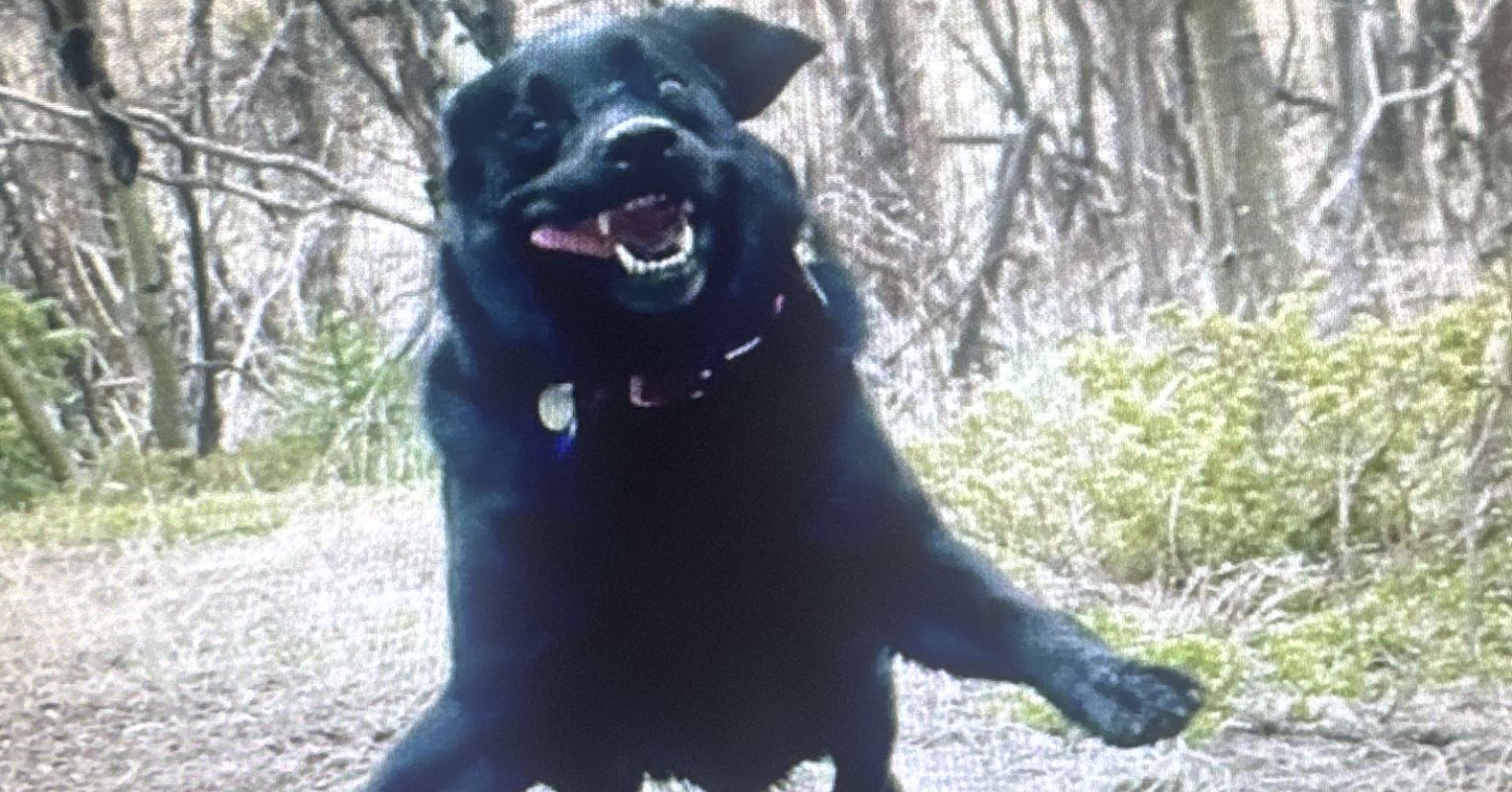
3 weeks agoPeople who are instinctively trusted by dogs and children aren't performing warmth - they carry a baseline nervous system frequency that hasn't been overwritten by social strategy - Silicon Canals
Babies and dogs respond to authentic nervous system regulation and genuine presence rather than performed social skills or techniques.
fromSilicon Canals
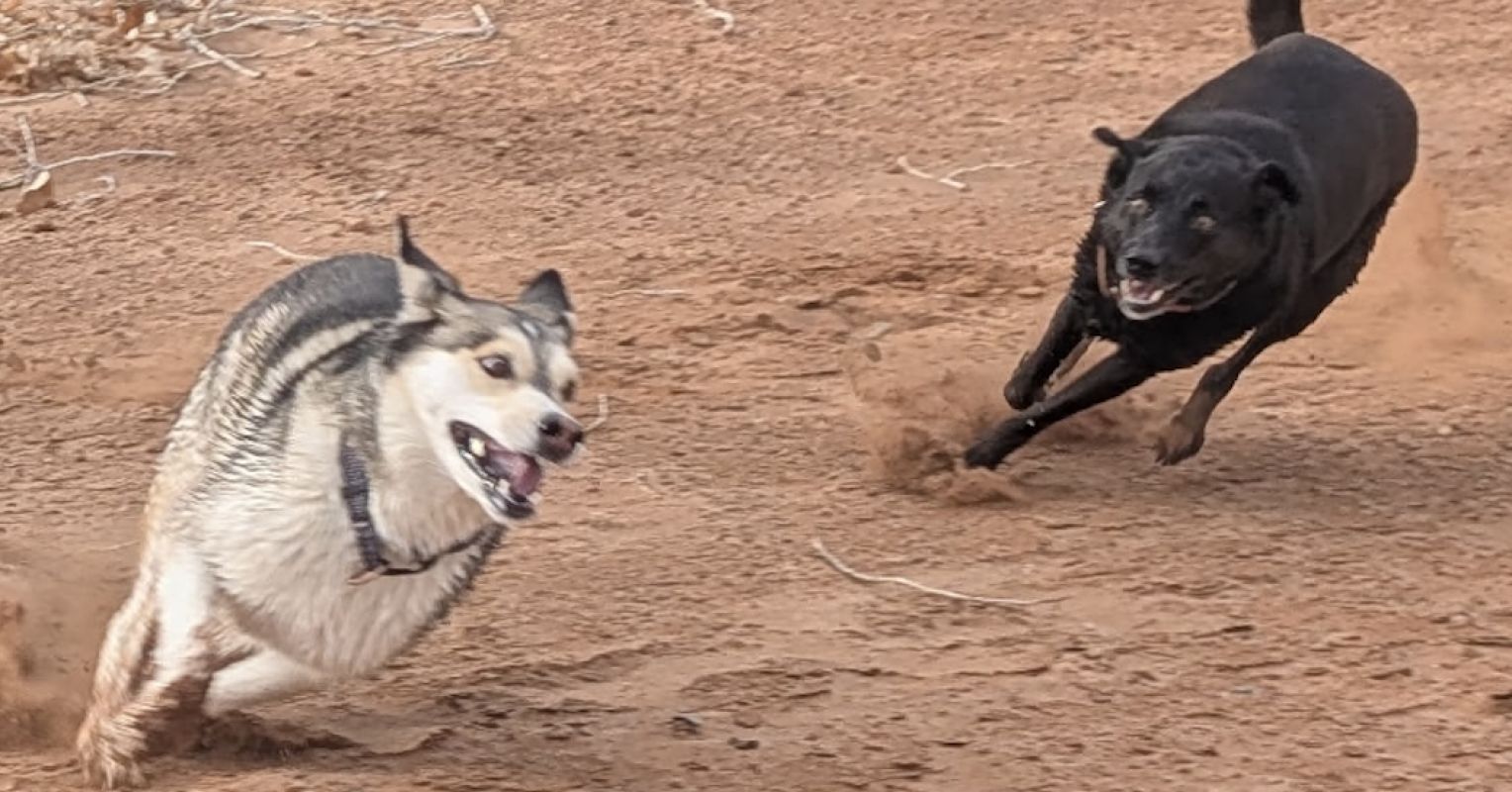
4 weeks agoPsychology says people who grieve a pet more intensely than they've grieved some relatives aren't being dramatic - the bond activates these 7 attachment pathways that human relationships often can't access, and the grief is unfiltered because the love was - Silicon Canals
The bond we form with our pets activates specific attachment pathways that human relationships often can't access, creating a grief that hits differently-not because we love our relatives less, but because the love we share with animals exists in its purest, most uncomplicated form.
Pets
#cat-behavior


Pets
fromMail Online
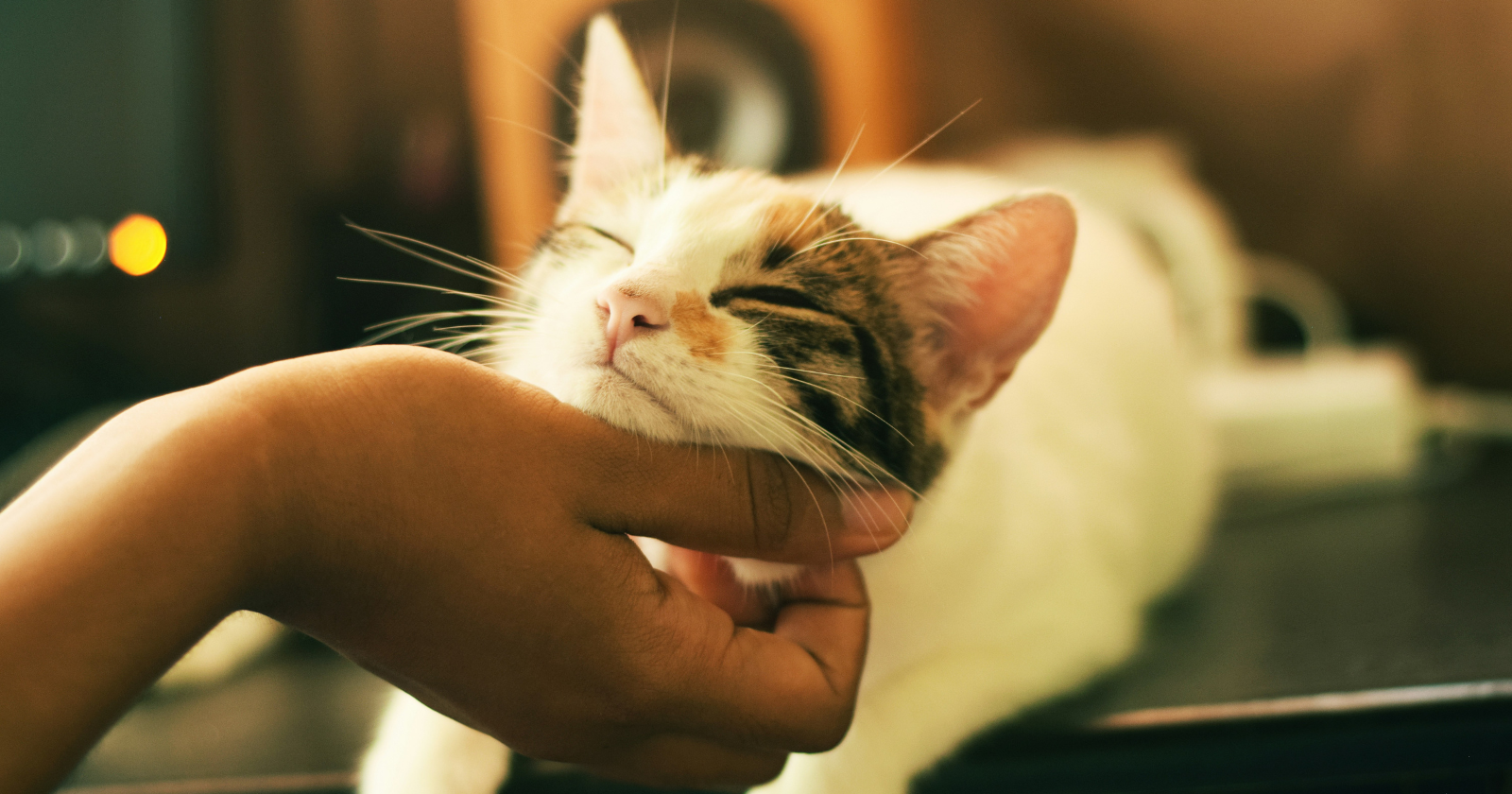
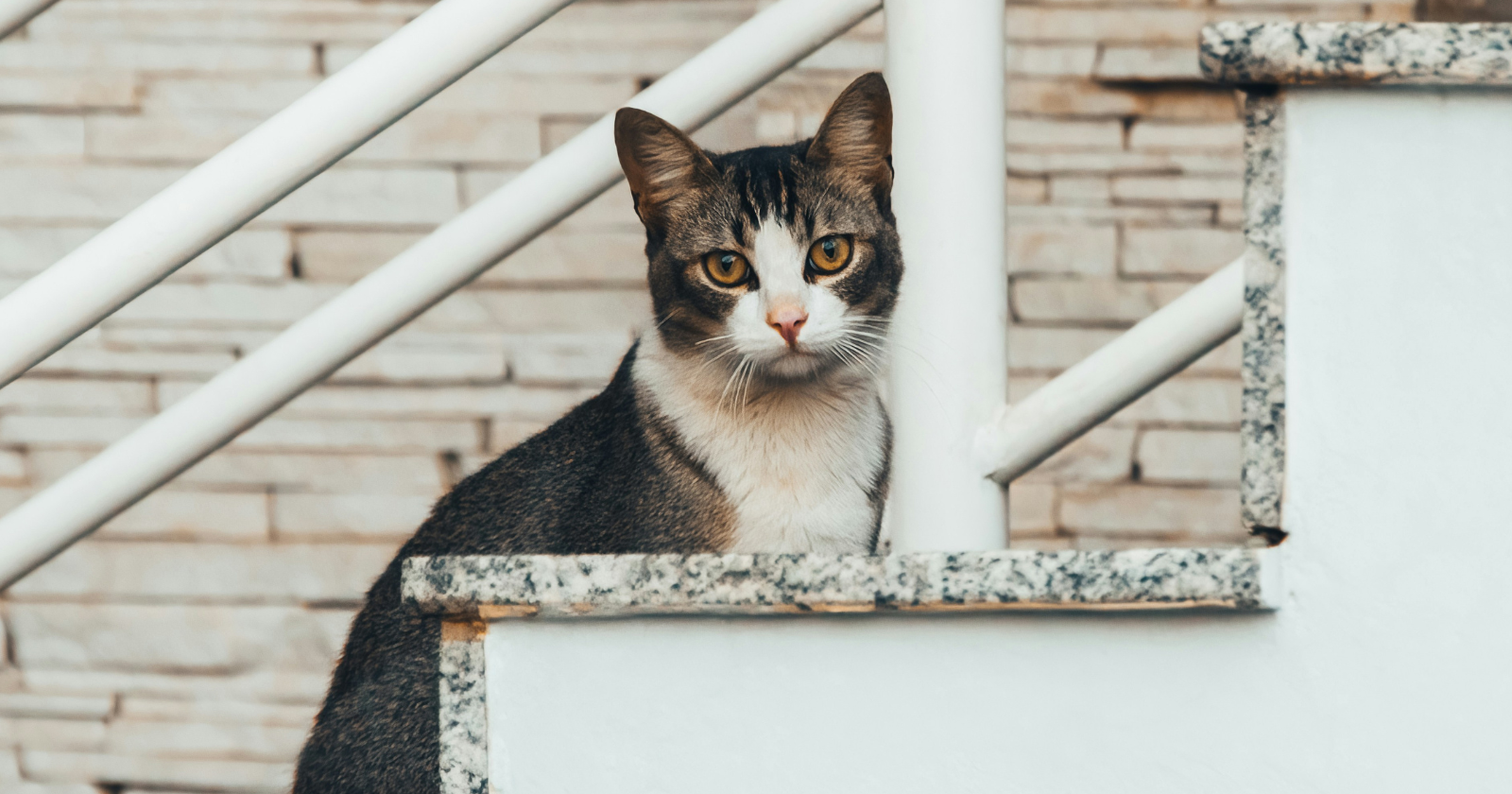
1 month agoFace it, your cat doesn't care about you: Felines rarely help owners
Dogs and toddlers spontaneously help locate hidden objects, while cats rarely assist unless the item is their favorite treat or toy, reflecting differences in domestication and selective breeding for cooperation.
fromwww.dailymail.co.uk
2 months agoDeath of pet can hurt as much as losing family member, study confirms
This psychiatric disorder was formally classified by the World Health Organisation in 2018, and is characterised by elevated levels of bereavementrelated distress. However, it can currrently only be diagnosed following the death of a person. 'People can experience clinically significant levels of PGD following the death of a pet,' the researchers explained in their study. 'PGD symptoms manifest in the same way regardless of the species of the deceased.'
Mental health
Pets
fromSilicon Canals
1 month agoDog walkers say they learn more about a family from spending 30 minutes with their pet than most friends learn in years - these are the 7 things the dog reveals that the owner never would - Silicon Canals
Professional dog walkers can accurately assess families' personal circumstances and stress levels by observing behavioral changes in their pets, as dogs reflect their owners' emotional states and life conditions.
Science
fromwww.theguardian.com
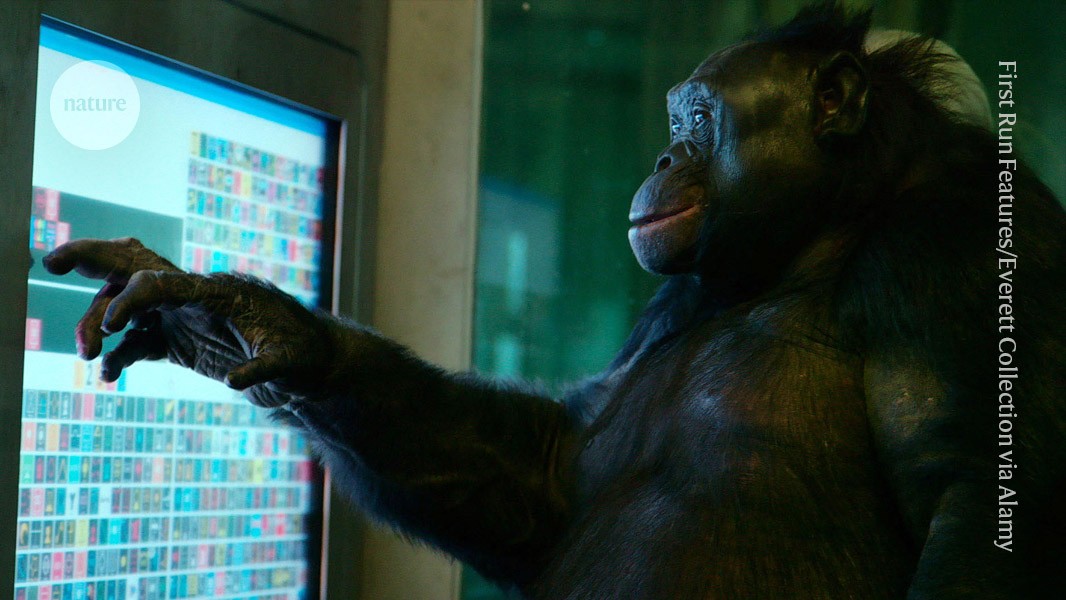
2 months agoPrimates' same-sex sexual behaviour may reinforce bonds amid environmental stress'
Same-sex sexual behaviour in non-human primates reinforces social bonds and maintains group cohesion amid environmental stress, scarce resources, predation risk, and social competition.
fromPsychology Today
1 month agoTool Use By Animals: Why the Hype and Why It's So Important
Recently, two unexpected examples by a wild wolf and a domesticated cow named Veronika attracted global attention and once again opened the door for experts and others to weigh in on the question, "Are these really examples of tooling?" Many people are eager to know more about the nitty-gritty details of tooling, so I am thrilled that Dr. Benjamin Beck, an expert in this area, could answer a few questions about this fascinating behavior.
Science
fromThe Washington Post
1 month agoScientists have discovered one of elephants' most sensitive secrets
The list of feats Andrew Schulz has witnessed an elephant perform with its trunk is as long as, well, an elephant's trunk. These powerful proboscises are strong enough to push over 900 pound trees and gentle enough to pick up a tortilla chip without breaking it. They can snuffle along the ground to sense vibrations from far-off herd movements. They can be used to solve puzzles, peel bananas, craft tools, console a fellow pachyderm or a human friend.
Science
fromPsychology Today
1 month agoA Positive Paw Report
Dog ownership has increased dramatically in many western countries. For example, in the UK there has been an increase from around 8.3 million in 2011 to 13.5 million in 2025. That means that approximately 29% of UK adults own a dog! At least partially this increasing trend of owning a dog is linked to millennials being more likely to have children later in life.
Pets
Pets
fromSilicon Canals
1 month agoPsychology says people who prefer dogs over cats typically display these 8 distinct personality traits - Silicon Canals
Dog people are more extroverted and more agreeable, seeking social interaction and exhibiting trusting, altruistic traits linked to personality differences with cat owners.
fromFast Company
1 month agoWe're wired to sync with one another-and that shapes attraction, trust, and belonging
Bring two or more people together and they will immediately begin to synchronize or fall into rhythm with one another. Not only do we tend to subconsciously mimic one another's movements, postures, facial expressions, and gestures, but recent breakthroughs in technology have revealed we also sync up our heart rates, blood pressure, brain waves, pupil dilation, and hormonal activity. This phenomenon is known as interpersonal synchrony, and it is possibly the most consequential social dynamic most people have never heard of.
Psychology
fromColumbus Ledger-Enquirer
1 month agoSweet Velcro Dog Refuses to Let His Favorite Person Work Alone
The clip opens with the dog sitting beside his mom on the couch while she works on her laptop. It's clear that the pup is deeply inconvenienced by his mom's working situation. Text above his head reads "Worst day ever," perfectly capturing the dramatic tone of what's to come. Within seconds, he side-eyes her to make sure she's paying attention, then begins softly whining, as if to say he's been patient long enough.
Pets
fromAol
2 months agoVideo: Golden Retriever Needs Owner to Hold His Hand While They Are Working
Zebby is the "squishiest boy" from @zebbythegolden, a TikTok account with over 260,000 followers. In a recently shared video, the typical home-office boundaries have completely dissolved. Instead of napping in a corner, the Golden Retriever is parked directly next to his mom's desk chair. He seems to be operating under the logic that if Mom has one free limb, it should probably be used to hold his hand.
Pets
[ Load more ]