#lift-efficiency
#lift-efficiency
[ follow ]
#architecture #sustainability #infrastructure #sustainable-architecture #innovation #environmental-impact #evtol
fromsfist.com
21 hours agoPerson Injured After 100-Year-Old Russian Hill Elevator Falls Three Floors
The elevator fell multiple floors with someone inside and abruptly stopped when the emergency brakes were activated. While the brakes fortunately kept the elevator from crashing into the bottom of the elevator shaft, the sudden stop caused the person to sustain moderate to severe injuries.
San Francisco
fromwww.businessinsider.com
11 hours agoI'm a construction manager who vibe coded a paperwork tracker. My workers loved it until I accidentally broke it.
I got a degree from Douglas College in programming and business management. I understood the business side more and was better at that than at being a coder.
Web frameworks
fromArchDaily
1 day agoHow Terraco Enhances Thermal Efficiency and Facade Longevity in Prefabricated Buildings
Offsite construction has delivered measurable environmental gains, with a peer-reviewed study showing an average reduction of 78.8% in construction waste compared to conventional methods. Under controlled factory conditions, reductions can reach up to 90%, highlighting significant improvements in sustainability.
Environment

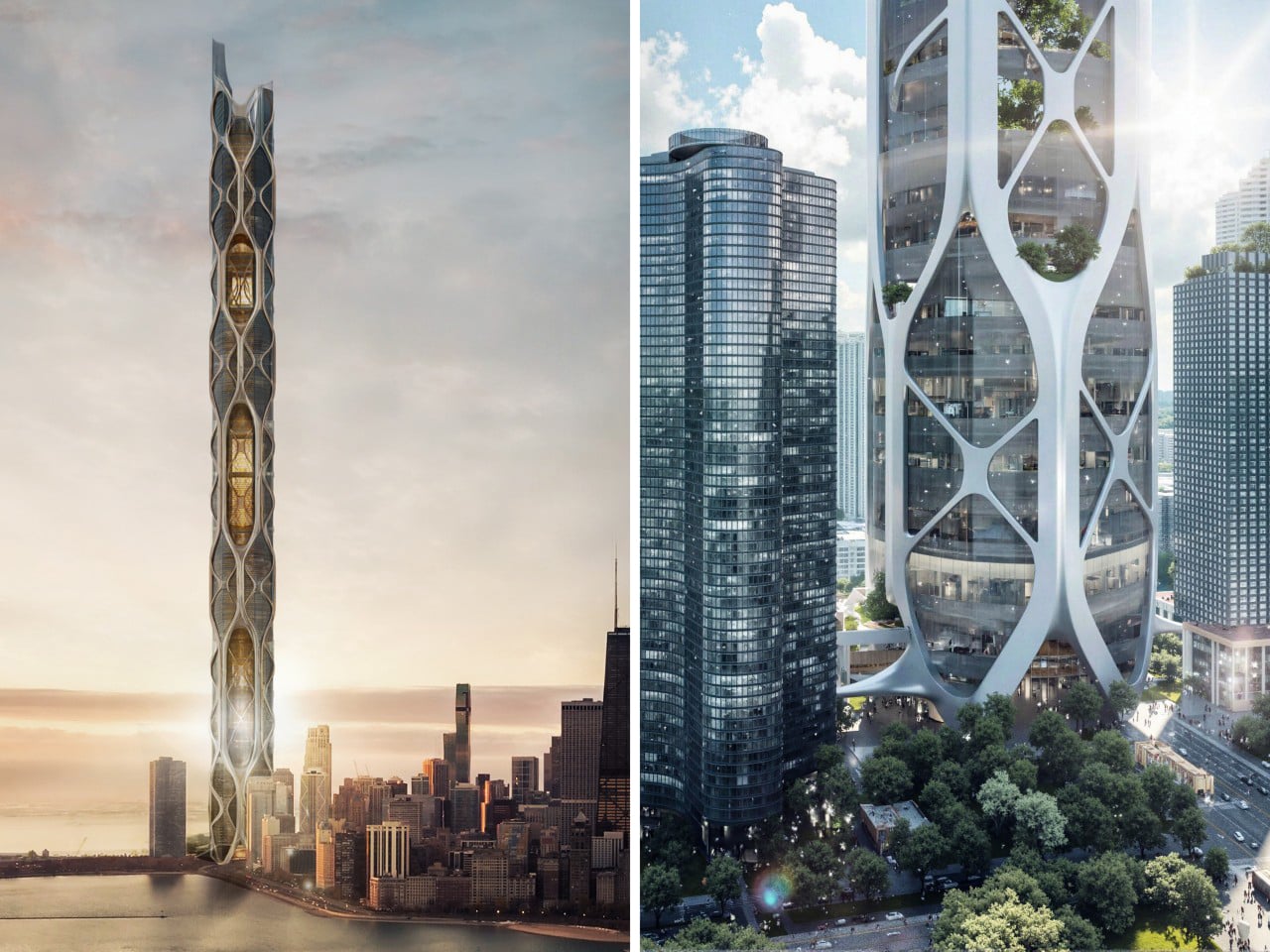
Alternative transportation
fromYanko Design - Modern Industrial Design News
22 hours agoSemicircular Wings give this Hybrid eVTOL an 800 Mile Range with 30% Less Power Consumption - Yanko Design
The channel wing concept, developed by Willard Ray Custer, is being revived by HopFlyt for efficient VTOL aircraft.
fromTNW | Drones
1 day agoJoby and Air Space Intelligence team up to manage US electric air taxi skies
Joby Aviation and Air Space Intelligence announced a partnership to integrate AI-driven airspace management into U.S. electric air taxi operations, using ASI's Flyways AI platform to model high-density eVTOL traffic before commercial flights begin later this year.
European startups
fromFuturism
1 week agoChina Built the World's Largest Outdoor Escalator, and It's a Modern Marvel That Looks Like It Never Stops Rising Into the Sky
The Goddess escalator, which takes almost 21 minutes to ascend, is almost certainly the world's largest of its kind, cutting through the center of Wushan and rising straight into the sky.
Skiing
fromwww.theguardian.com
1 week agoEvery child wants to find joy': the scheme designing playground equipment for disaster zones
Meininger, who grew up in Germany but now lives in London, likes making things. So when he saw how much his young sons enjoyed the jungle gym and play forts at the local park, he made an indoor treehouse for them.
Parenting



fromArchDaily
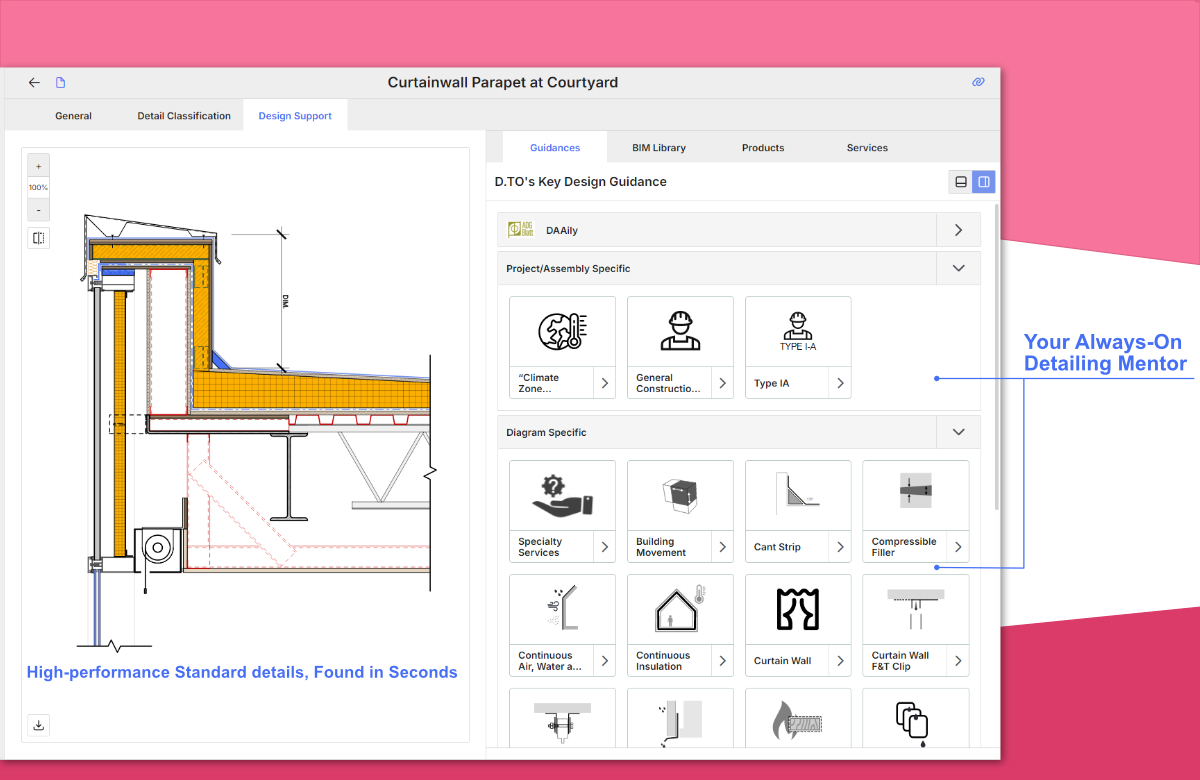
2 weeks agoDesigning for Obsolescence in an Age of Perpetual Upgrades
In the nineteenth century, entire railway networks became obsolete almost overnight, not due to physical deterioration, but because of changes in the technical standards that supported them. The expansion of railroads across Europe and North America adopted different track gauges, and as a dominant standard gradually emerged, these infrastructures became incompatible with one another.
Renovation
Productivity
fromBusiness Matters
3 weeks ago7 Best AI Construction Scheduling Tools for What-If Recovery Planning
AI-driven scheduling platforms detect project delays early and run simulations to identify the fastest recovery path, helping construction teams recover time and stakeholder trust before schedules slip.
fromArchDaily
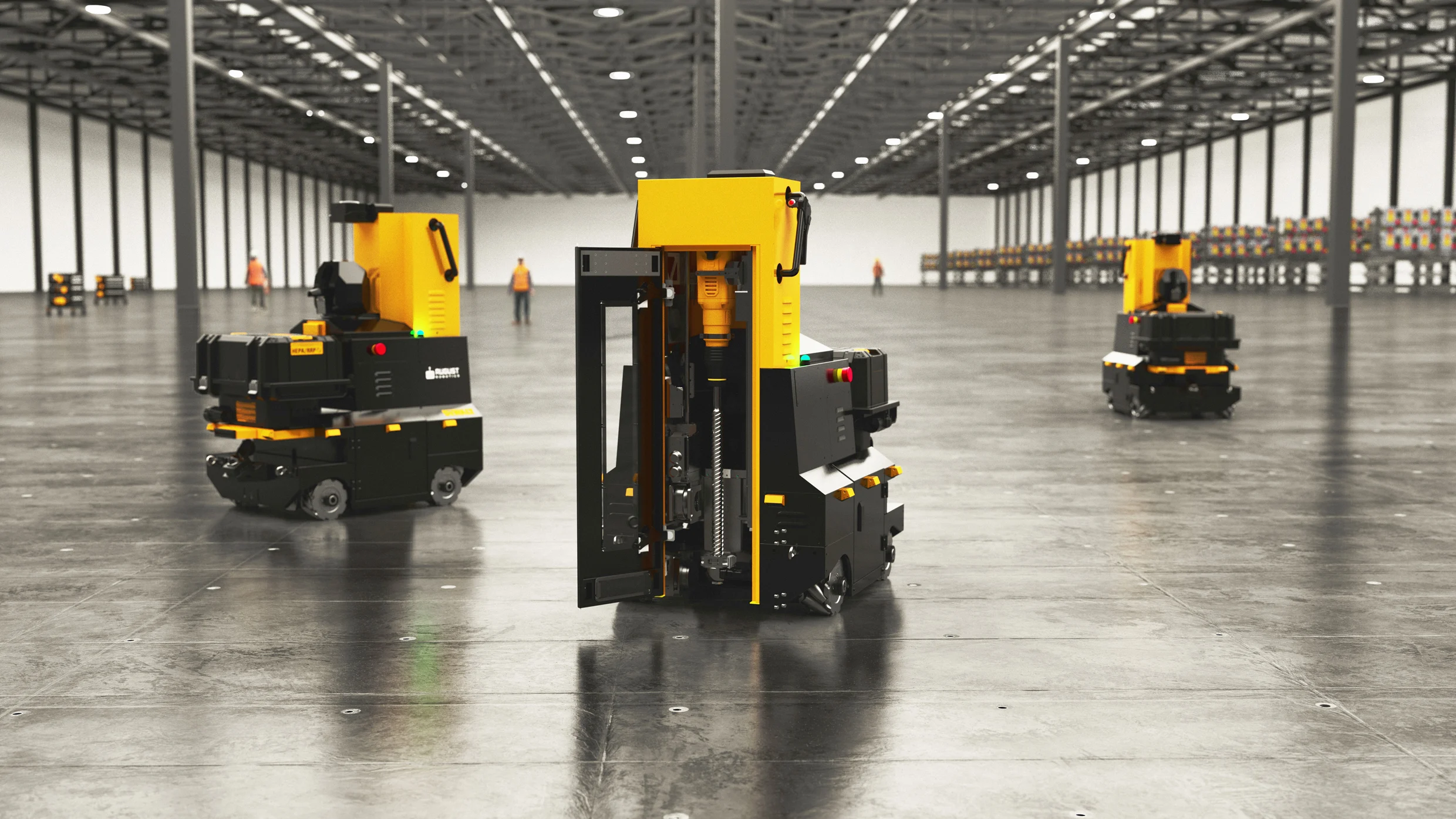
3 weeks agoLight from Above: Measuring and Designing Daylight Under Sloped Roofs
From Alpine chalets shedding snow to Mediterranean roof tiles mitigating summer heat, the slope responded to climate and construction challenges long before it became an aesthetic code. Although modern architecture has favored horizontal planes and orthogonal plans, the pitched roof requires a project to be conceived in section.
Miscellaneous
Alternative transportation
fromSustainable Bus
1 week agoNew certified Ultrafabrics collections target durability and compliance in passenger transport interiors - Sustainable Bus
Ultrafabrics launches new certified collections for passenger transport, combining durability, aesthetics, and sustainability in high-performance upholstery fabrics.
fromReadWrite
2 weeks agoFrom Reactive Repairs to Smarter Home Protection: How Technology Is Changing Roof Care
In the past, roof inspections mostly focused on what could be seen from the outside. Contractors looked for broken shingles, worn flashing, or areas where water might enter the roof. The problem is that roof damage does not always show clear signs right away. Water can move through roofing layers before it becomes visible inside the home.
Renovation

London
fromTime Out London
1 month agoWhy people on London Underground escalators stand on the right - and not the left
London Underground escalator etiquette of standing right and walking left originated from the diagonal design of the first escalator installed at Earl's Court in 1911, which forced passengers to exit leftward.
fromLondon Business News | Londonlovesbusiness.com
1 month agoHow to maintain efficient heat recovery ventilation in modern commercial spaces - London Business News | Londonlovesbusiness.com
Checking your equipment once a month helps catch small issues before they turn into expensive repairs. A routine keeps everything running smoothly and extends the life of the hardware. Managers should create a simple checklist for their maintenance staff to follow.
Business
Design
fromArchDaily
4 weeks agoFacing the Age of Robots? Material Innovation in Architectural Structures
Robotic technology in construction extends beyond automation and cost reduction to fundamentally reshape architectural design, material experimentation, and construction methodologies through collaborative human-robot workflows.
Artificial intelligence
fromArchDaily
1 month agoCompute Isn't Weightless: AI Infrastructure and the Architecture of the City
AI development is reshaping urban infrastructure and spatial planning in the Greater Bay Area through government-led initiatives that translate computational needs into physical zones, data centers, and specialized districts.
Alternative transportation
fromNature
3 weeks agoAffordable mobility for all: why we need smaller, cheaper electric vehicles
Low-speed electric vehicles offer affordable, practical decarbonization for underserved populations but remain overlooked due to bias toward expensive, high-tech solutions and nationalist trade policies.
fromArchDaily
4 weeks agoHow Architecture Is Learning to Generate Its Own Energy
Photovoltaic (PV) solar energy represents a modular technology that can be manufactured in large-scale facilities, generating economies of scale, while also being adaptable to small-scale applications. From residential rooftop systems to large-scale power generation installations, photovoltaic solar energy has established itself as a cost-effective option for electricity production in many countries around the world.
Environment
fromInfoQ
1 month ago[Video Podcast] AI Autonomy Is Redefining Architecture: Boundaries Now Matter Most
Earlier we did episode one of this with Grady Booch where we discussed the principled view of that what's changing and what remains unchanged, what is hyped and what is actually naturally coming with the AI changes. We also spoke about that what is the difference between the design and the architecture and what teams are focusing and what they might be missing.
Design


fromFuturism
1 month agoThe Economics of 3D Printed Homes Are Surprisingly Horrible
According to the outlet SlashGear, the neighborhood encompasses five 1,000-square-foot houses just north of Sacramento. Each domicile is produced by a hulking concrete printer worth about $1.5 million, which took about 24 days to spit out the first house. In the future, 4Dify expects the whole process to take about 10 days, but that isn't what's astonishing about the Yuba County neighborhood - it's the price tag.
Real estate
Renovation
fromArchDaily
1 month agoUnderstanding U-Value: The Foundation of Energy-Efficient Envelopes
Building envelope thermal transmittance (U-value) is the fundamental metric determining energy efficiency, calculated by dividing heat flow by surface area and temperature difference to assess insulation performance.


fromBusiness Matters
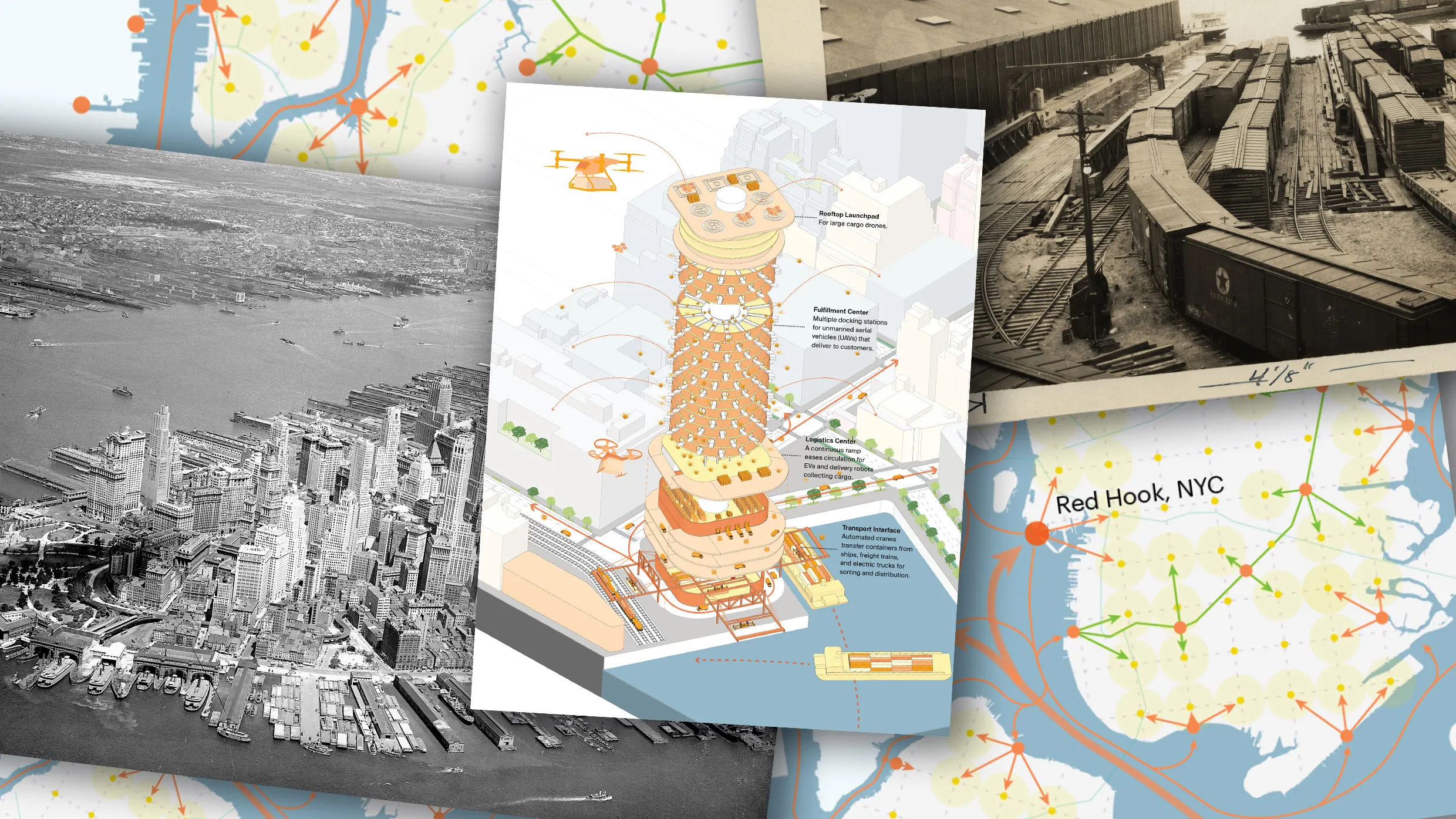
1 month agoInternal handling evolves: Renova's approach between ergonomics and operational continuity
Rising operational complexity and higher volumes are transforming internal flows into a lever for continuity, labor sustainability and reduced congestion within plants. SKU proliferation, omnichannel strategies, flexible production schedules and multi-shift operations are increasing pressure on material movements. Disruptions in these flows can slow production, increase Work-in-Progress (WIP) and create bottlenecks in critical areas.
Alternative transportation
Alternative transportation
fromSustainable Bus
1 month agoFrom e-coaches to UITP insights on MENA, Altas industrial strategy and Europe's trolleybus revival (and more) in new Sustainable Bus magazine - Sustainable Bus
Europe's e-bus sector achieved over 9,000 registrations in 2025 with 40% growth, while the bus and coach industry undergoes rapid transformation driven by electrification, battery strategies, charging infrastructure, and emerging driverless technologies.
fromSustainable Bus
2 months agoAutonomous Systems: depot-first autonomy for smartbuses
For more than a decade, autonomous buses have been "almost ready." Demonstrations with safety drivers began around 2015, and ten years later, this is still largely what we see. The reason is not a lack of ambition - it is physics, safety, and economics. Autonomous buses on city streets are inherently difficult. They carry dozens of passengers, operate as heavy vehicles, and move through a chaotic urban environment.
Business
fromSustainable Bus
1 month agoEvolution: the practical path to autonomous buses - Sustainable Bus
It's tempting to frame autonomous driving as a single leap. In public transport, adoption tends to be incremental - because the system is built for reliability, and new capabilities have to fit into daily operations without disrupting service. That is why a practical strategy is evolution, not revolution: introduce autonomy in a defined domain, learn safely in real operations, and expand capability step-by-step.
Artificial intelligence
fromArchDaily
1 month agoWhen Light Meets Energy in Glass Ceilings
From the large industrial roofs and galleries of the 19th century to the contemporary atriums of museums and public buildings, glass has been a recurring material in shaping large and monumental interior spaces. More than a technological or engineering solution, these horizontal glazed planes introduce a distinct luminous quality: light that comes from above. Unlike lateral daylight entering through façades, zenithal light is more evenly distributed, reduces harsh shadows, and lends spaces a sense of continuity and openness that is difficult to achieve otherwise.
Design
Design
fromYanko Design - Modern Industrial Design News
1 month agoTransformers-inspired Shapeshifting Machine Splits Into An Entire Road-Construction Robot Fleet - Yanko Design
Modular autonomous electric train deploys AI-guided construction robot modules, drone, and intelligent command hub to streamline road-building in remote, disaster, or difficult terrains.
fromArchDaily
2 months agoDesigning Streets Through the Lens of Care
Jane Jacobs was also one of the voices that challenged this predominantly rationalist logic, arguing that truly vibrant streets are those capable of sustaining the diversity of everyday life, its informal exchanges, and the forms of care and natural surveillance that emerge from them. What these authors share is a fundamental insight: streets are not merely infrastructures for circulation, but social ecosystems, shaped by the relationships, uses, and encounters that take place within them.
Design
fromwww.theguardian.com
2 months agoSchools, airports, high-rise towers: architects urged to get bamboo-ready'
For many years, bamboo has been mostly known as the favourite food of giant pandas, but a group of engineers say it's time we took it seriously as a building material, too. This week the Institution of Structural Engineers called for architects to be bamboo-ready as they published a manual for designing permanent buildings made of the material, in an effort to encourage low-carbon construction and position bamboo as a proper alternative to steel and concrete.
Environment
fromFast Company
2 months ago'People need to ask more of their buildings': 6 ideas that will define architecture in 2026
Fast Company asked architects from some of the top firms working around the world what they thought about the look of architecture in 2026. Of course, a building designed in 2026 almost certainly will not be completed in 2026, and construction timelines are notoriously fluid.
Design
Design
fromYanko Design - Modern Industrial Design News
2 months agoStudents Just Built a Pavilion That Robots Can Rebuild Forever - Yanko Design
A modular timber pavilion assembled with reversible joinery and robotic precision demonstrates waste-free, reusable construction through adaptable components and disassembly-friendly design.
[ Load more ]