#macroeconomic-pressures
#macroeconomic-pressures
[ follow ]
#inflation #us-economy #labor-market #interest-rates #federal-reserve #oil-prices #iran-war #economic-impact
fromwww.theguardian.com
14 hours agoThe Guardian view on Japan's hidden century: cheap money, global risk | Editorial
The Bank of Japan's loose monetary policy has turned the yen into the world's cheapest and most reliable funding currency, creating a publicly subsidised funding pipeline for bankers.
World politics


#us-economy
US politics
fromFortune
1 day agoThe economy can shed jobs and still keep the labor market balanced, as Trump's immigration crackdown turns breakeven hiring negative | Fortune
The U.S. labor market shows a negative breakeven rate of employment growth due to immigration restrictions, indicating potential job losses without rising unemployment.
US Elections
fromFortune
2 days agoThe jobs report looks good 'for the wrong reasons,' top economist warns: It's hiding how many Americans are giving up | Fortune
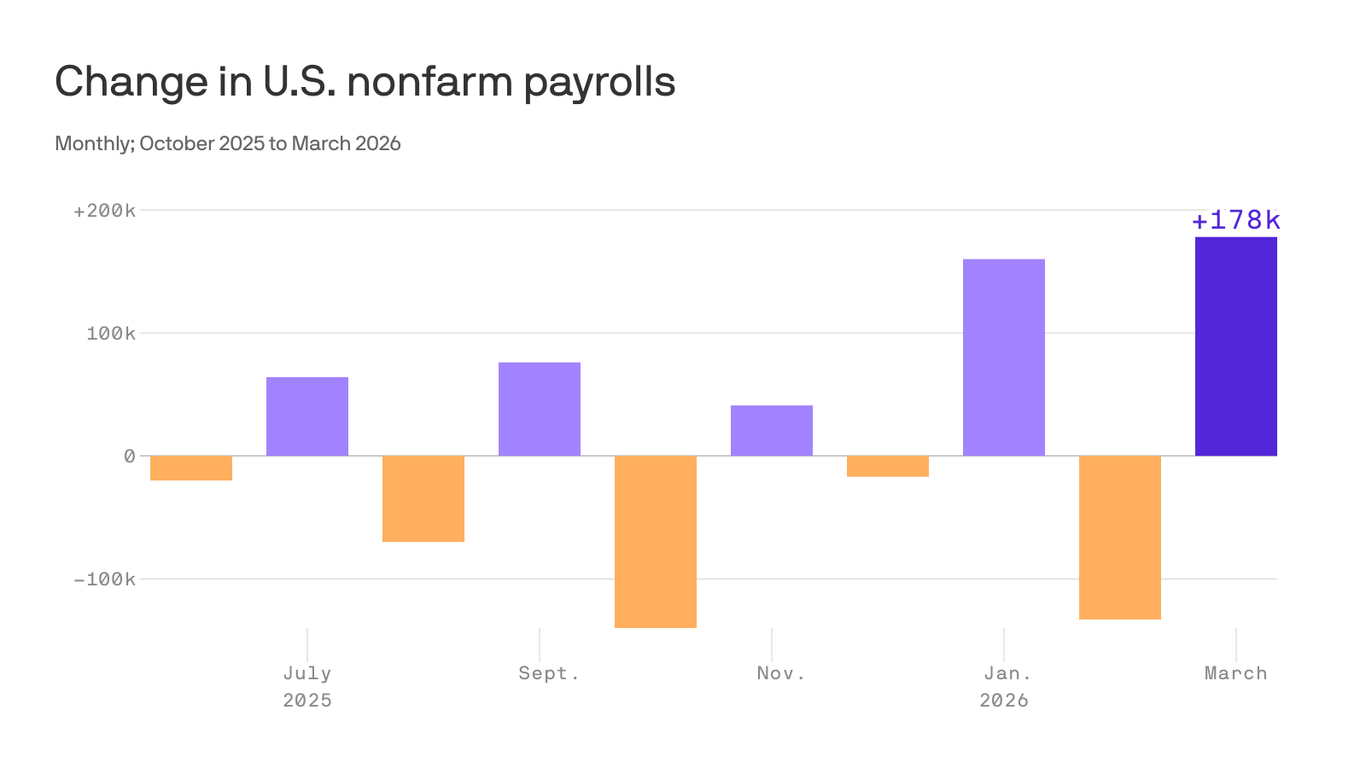
The U.S. economy added 178,000 jobs in March, with the unemployment rate decreasing to 4.3%, but concerns about labor force participation persist.
UK politics
fromwww.theguardian.com
1 day agoTrussonomics still haunts parties' economic promises in run-up to UK local elections | Phillip Inman
Local and regional elections in the UK reveal extravagant spending promises from various parties, often funded by cuts or borrowing without clear economic consequences.

fromwww.businessinsider.com
1 day agoYour produce bill is about to get pricey as the Iran war jacks up US food costs
"Fresh food and perishables are almost like the canary in the coal mine," when energy prices go up, according to Vidya Mani, an associate professor at the University of Virginia's Darden School of Business.
Agriculture
Artificial intelligence
fromFortune
4 days ago'Inflationary surge': Fed economists warn AI hype is overheating the economy whether or not the technology ever delivers | Fortune
AI optimism may hinder productivity and contribute to short-term inflation as households and businesses react to perceived future gains.
#uk-economy
UK news
fromLondon Business News | Londonlovesbusiness.com
1 week agoUK growth to stall and inflation to surge as Iran war hits global economy - London Business News | Londonlovesbusiness.com
Britain faces weaker economic growth and rising inflation due to the ongoing conflict in the Middle East affecting global energy and food supplies.
World news
fromLondon Business News | Londonlovesbusiness.com
4 days agoDollar extends pullback amid softer labour signals and easing risks - London Business News | Londonlovesbusiness.com
The dollar weakened due to softening monetary policy expectations and reduced demand as a safe-haven asset amid easing Middle East tensions.
#middle-east-conflict


World news
fromLondon Business News | Londonlovesbusiness.com
2 weeks agoBrits warned 'Recession is Potentially on the Cards' - London Business News | Londonlovesbusiness.com
Prolonged conflict in the Middle East may lead the UK economy into recession due to rising energy prices and declining household spending.


fromFortune
5 days agoA Wall Street vet's Walmart recession indicator just hit its highest point since 2008-and he says the fear 'just keeps multiplying' | Fortune
'Walmart Worries' just keep multiplying. It's currently close to the highest level ever recorded which was during the Great Financial Crisis of 2008-09.
Business
fromwww.mediaite.com
6 days agoBad News All Around!' Fox Business Host Stunned By Highly Inflationary' Prices in Total Bummer of an Economic Analysis
High energy prices are kryptonite for the housing market. Affordability, especially for those first-time home buyers, is now an elusive dream until oil prices come down and interest rates come down.
SF real estate
Retirement
fromLondon Business News | Londonlovesbusiness.com
2 days agoEvery time you borrow from a bank, you're paying more than you think - London Business News | Londonlovesbusiness.com
Opportunity cost in loans includes lost potential earnings from repayment dollars, not just the interest rate paid.
World politics
fromFortune
3 days agoPaul Krugman smacks down Trump speech with argument that $4 gas is 'less than half' of the Hormuz hit. Here's what he's talking about | Fortune
President Trump emphasizes U.S. strength in Iran while downplaying reliance on the Strait of Hormuz, despite its critical role in global trade.
World politics
fromwww.theguardian.com
4 days agoA third inflationary shock in less than a decade is coming: who will pay the price this time around? | Aditya Chakrabortty
Daniel Yergin highlights the vulnerability of global oil supplies through the Strait of Hormuz and the consequences of military actions against Iran.
fromFortune
6 days agoBond yields are falling even as oil tops $102, showing that Wall Street fears recession more than inflation | Fortune
"Oil prices are higher again this morning, but Treasury yields are lower as the risks to economic growth begin to take precedence over the risks to inflation," Oxford Economics said in a note on Monday.
World news
fromFortune
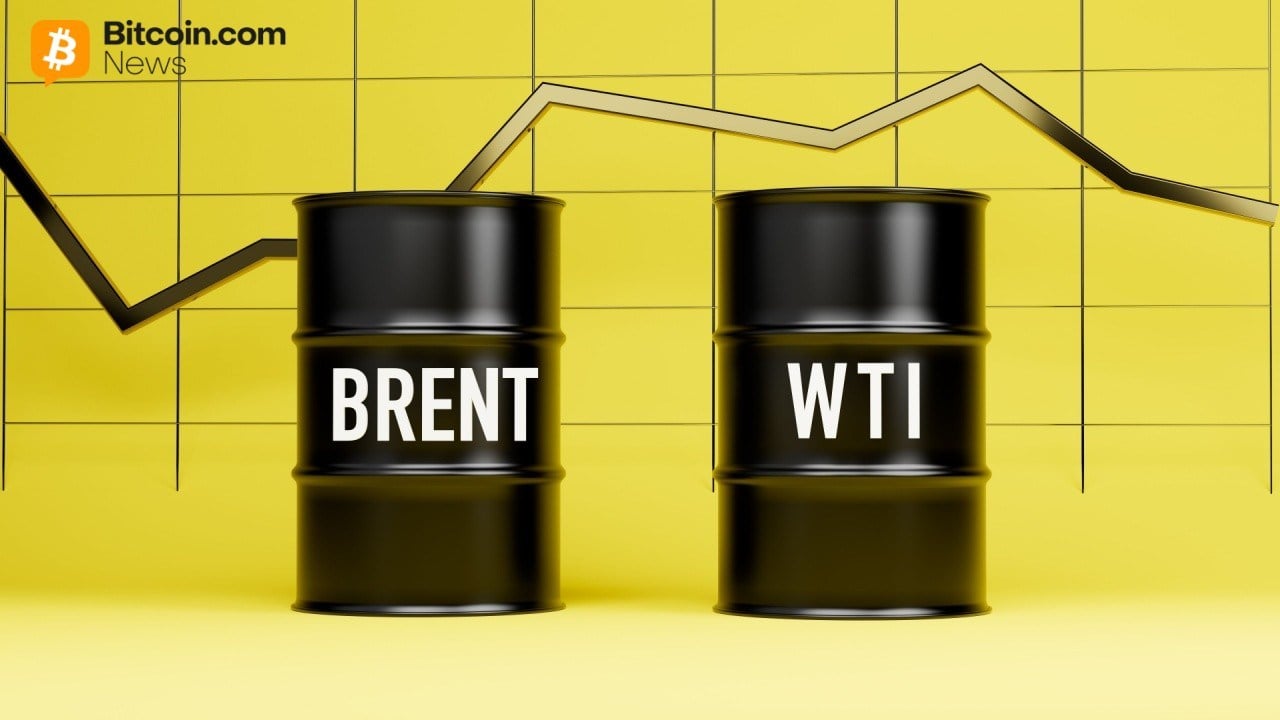
1 week agoGoldman raises recession odds to 30% on higher inflation, lower GDP outlook as oil prices surge | Fortune
Goldman Sachs now expects Brent crude to average $105 per barrel in March and $115 in April before retreating to $80 by year-end, assuming roughly six weeks of Hormuz supply disruptions.
Business
#us-dollar
US Elections
fromLondon Business News | Londonlovesbusiness.com
3 days agoUS dollar rose amid a rebound in geopolitical concerns - London Business News | Londonlovesbusiness.com
The US dollar strengthened due to geopolitical fears and better-than-expected economic data, while uncertainty keeps market volatility high.

US Elections
fromLondon Business News | Londonlovesbusiness.com
3 days agoUS dollar rose amid a rebound in geopolitical concerns - London Business News | Londonlovesbusiness.com
The US dollar strengthened due to geopolitical fears and better-than-expected economic data, while uncertainty keeps market volatility high.
fromLondon Business News | Londonlovesbusiness.com
5 days agoUS dollar stable near recent highs - London Business News | Londonlovesbusiness.com
Escalating geopolitical risk continued to dominate global markets' concerns, with safe-haven demand keeping the dollar index anchored near a multi-week high.
World politics
Business
fromwww.housingwire.com
2 weeks agoFed holds rates, officials signal wait and see on inflation risks
Oil price resolution timing in the Strait of Hormuz will determine whether inflation stays elevated, delaying Fed rate cuts, or eases, allowing Treasury yields and mortgage rates to decline toward early-year levels.
fromwww.aljazeera.com
2 weeks agoUS Fed keeps interest rates steady amid economic, geopolitical uncertainty
The Committee seeks to achieve maximum employment and inflation at the rate of 2 percent over the longer run. Uncertainty about the economic outlook remains elevated. The implications of developments in the Middle East for the US economy are uncertain, the central bank said in a statement announcing its policy decision and referring to its Federal Open Market Committee.
US politics
World politics
fromLondon Business News | Londonlovesbusiness.com
6 days agoUS dollar stable after successive gains - London Business News | Londonlovesbusiness.com
Escalating Middle East tensions are influencing market sentiment, keeping the dollar stable and impacting US Treasury yields amid inflation concerns.
fromLondon Business News | Londonlovesbusiness.com
2 weeks agoThe significant events in the global economy over the past week - London Business News | Londonlovesbusiness.com
Weak performance in several service sectors offset gains in retail and wholesale trade, reinforcing concerns about the pace of economic recovery. Japan relies heavily on oil imports from the Middle East, making it particularly sensitive to disruptions in the region.
UK news
UK news
fromLondon Business News | Londonlovesbusiness.com
3 weeks agoGlobal turmoil to hit growth and push up inflation - London Business News | Londonlovesbusiness.com
UK GDP growth remains weak at 1.0% in 2026, driven by services sector while construction and manufacturing contract, with business investment stalling and unemployment rising to 5.5%.
US news
fromLondon Business News | Londonlovesbusiness.com
1 month agoThe Significant Events in the Global Economy Explained - London Business News | Londonlovesbusiness.com
Supreme Court tariff reversal lifted investor sentiment and stocks, while Fed division on rates, rising inflation, and slowing GDP kept markets cautious.
Business
fromLondon Business News | Londonlovesbusiness.com
1 month agoThe significant events in the global economy over the past week - London Business News | Londonlovesbusiness.com
U.S. equity markets declined amid AI disruption concerns and trade uncertainty, while European markets gained strength with solid earnings and diversification appeal.


Business
fromLondon Business News | Londonlovesbusiness.com
1 month agoA look at the significant events in the global economy over the past week - London Business News | Londonlovesbusiness.com
U.S. markets rotated away from large-cap technology toward smaller and value stocks amid cooling labor-market signals, mixed economic activity, and falling bond yields.
[ Load more ]