Artificial intelligence
fromFast Company
1 day agoHow to figure out if AI is making you more productive
Using AI in the workplace requires careful consideration of time spent and opportunity costs to ensure productivity gains are realized.
Running a photography business can be incredible fun, offering unique experiences and opportunities to meet diverse people. However, it requires significant dedication and effort, often demanding extra hours beyond a typical workweek.
In business, when you do anything for appearances, you can write that down under the dumb column. We don't do stuff for... we do things that give return on investment in business, and trying to appear to be something is never a return on investment. Just be the thing.
That's a $9,000 raise, essentially. Sell the car and use that cash to get a functional car. If you can sell it, get that $5,000 in your hand plus this $9,000 and buy you a $15,000 paid-for car, that's a nice car. And now you got no car payments.
At first, I thought this was insane. Why would you say no to good opportunities? But then I remembered something Buffett once said: "The difference between successful people and really successful people is that really successful people say no to almost everything." That quote hit different after my second startup crashed and burned. We tried to do everything. We said yes to every feature request, every partnership opportunity, every speaking gig.
The findings reveal how sharply these opportunity windows have narrowed. Almost every SME now operates within a 12-month limit, with 97% confirming that opportunities remain viable for no longer than a year. Many face far less breathing room. More than half (51%), say they have only three to six months to move, and 28% say opportunities disappear in under three. In markets where rivals are accelerating their own investment decisions, these shrinking windows are making slow responses far more costly than before.
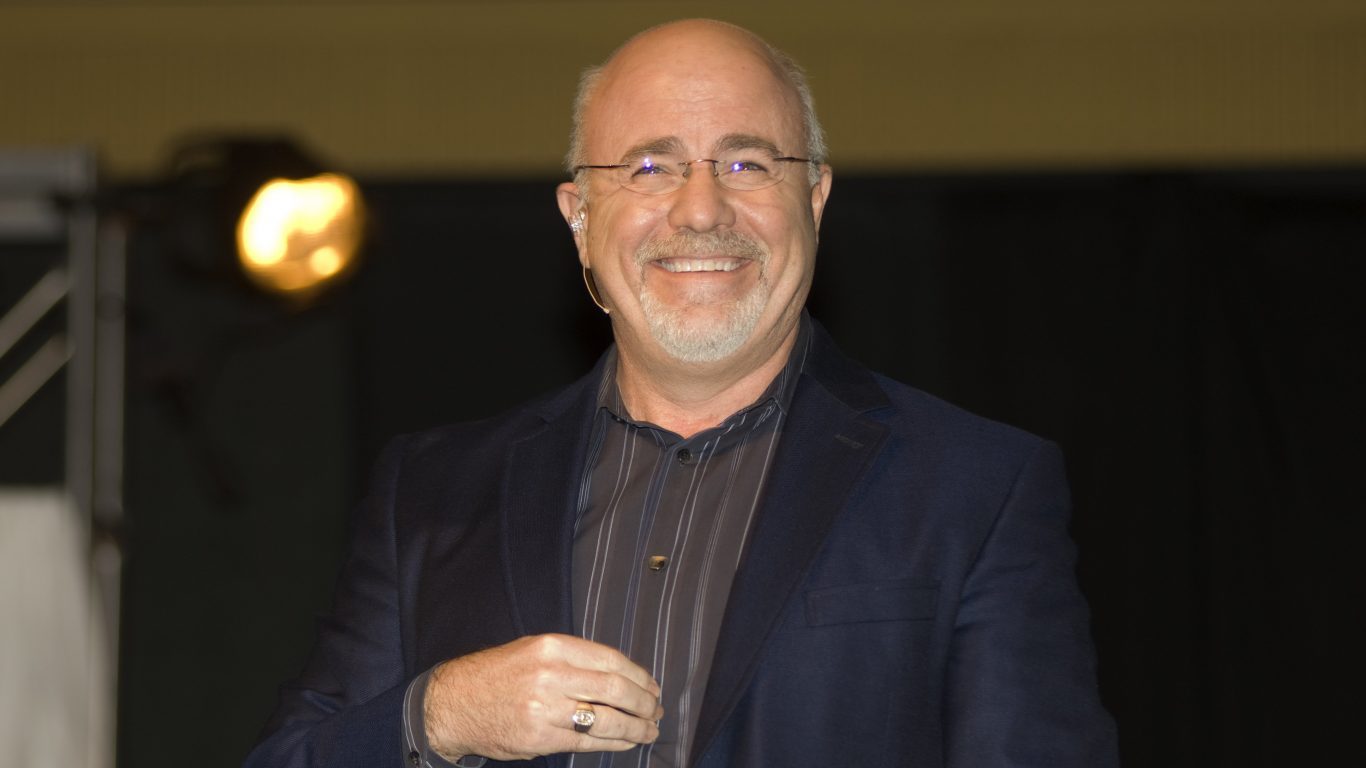
Dave Ramsey is known for keeping his advice simple and clear, offering the kind of tough guidance many people need to get their finances on track. His perspective is not the final word on money, but it is rooted in wanting to help listeners make better choices. A big part of his appeal is that he often puts himself in his audience's position, which makes his advice feel personal and relatable.
"If at first you don't succeed, try again." "Winners never quit and quitters never win." Our culture has a lot of sayings against quitting, making it seem like a failure. But sometimes, abandoning a goal means opening up space for something better. Cognitive psychologist Annie Duke, author of Quit: The Power of Knowing When to Walk Away; career educator Colin Rocker; and psychologist and professor