#turnip-greens
#turnip-greens
[ follow ]
#nutrition #gardening #cabbage #vegetable-gardening #sustainability #cooking-techniques #home-gardening #asparagus
fromTasting Table
13 hours ago10 Cheapest Fruits To Grow In Your Garden This Year - Tasting Table
When considering the cheapest fruit to grow, you want something that's high-yielding, low-maintenance, and ideally fast-growing. Cheap can also be relative - if a fruit is generally affordable and available in stores, it's probably not worth the effort and garden space to grow it yourself.
Agriculture
fromTasting Table
4 days agoThe Best Method For Picking Ripe Peppers Off The Plant - Yes, There Is A Right Way - Tasting Table
Using a sharp, sterile tool such as clippers or pruners is essential when harvesting peppers. Pulling them off by hand can damage the plant, leading to fewer fruits.
Agriculture

Berlin food
fromTasting Table
1 month agoBuying Leafy Greens In Bulk? Here's How Long They Really Last - Tasting Table
Bagged leafy greens last 4-5 days unopened or 2 days after opening, while loose greens last up to 10 days; proper storage in airtight containers with paper towels in the crisper drawer preserves freshness.
fromTasting Table
1 month agoThe Healthiest Vegetable In The World Probably Isn't One You'd Expect - Tasting Table
According to a 2014 Centers for Disease Control and Prevention study in Preventing Chronic Disease, one vegetable stands head and shoulders above the competition, though it is one that probably isn't on your weekly shopping list. If you want to really maximize the nutrient density in your diet, it turns out you ought to be eating more watercress.
Health
Cooking
fromTasting Table
1 month ago14 Mistakes Everyone Makes With Cauliflower - Tasting Table
Proper cooking techniques transform cauliflower from mushy and rubbery into flavorful and tender; avoiding common mistakes like microwave steaming and using stovetop steamers preserves nutrients and natural flavors.
fromTasting Table
1 month agoThe Absolute Best Way To Store Green Garlic To Keep It Fresh And Crisp - Tasting Table
Moisture is your best bet for keeping green garlic fresh and crisp long enough to elevate your dishes throughout the week. Just wrap it in a damp paper towel before placing it in a plastic bag for fridge storage (the crisper drawer should work). These steps should last it for about five to seven days.
Everyday cooking
fromBon Appetit
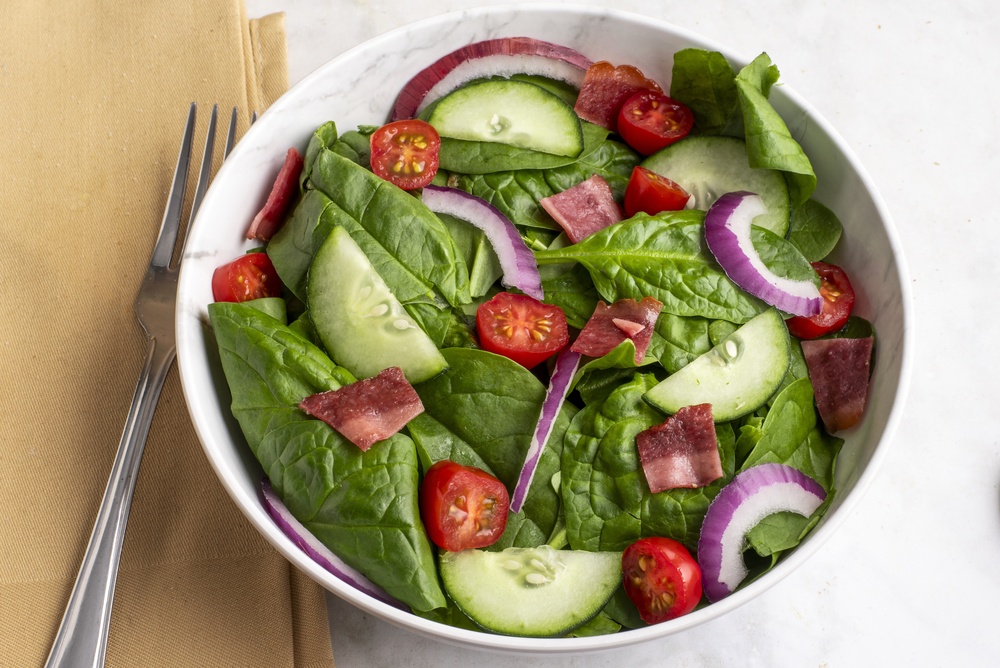
12 years ago31 Spring Side Dishes to Brighten Any Meal
One lap around the farmers market is enough to inspire spring vegetable recipes that make the most of thick stalks of asparagus, perky pink radishes, purple-streaked spring onions, tender sweet peas, thin-skinned new potatoes, and more.
Everyday cooking

fromTasting Table
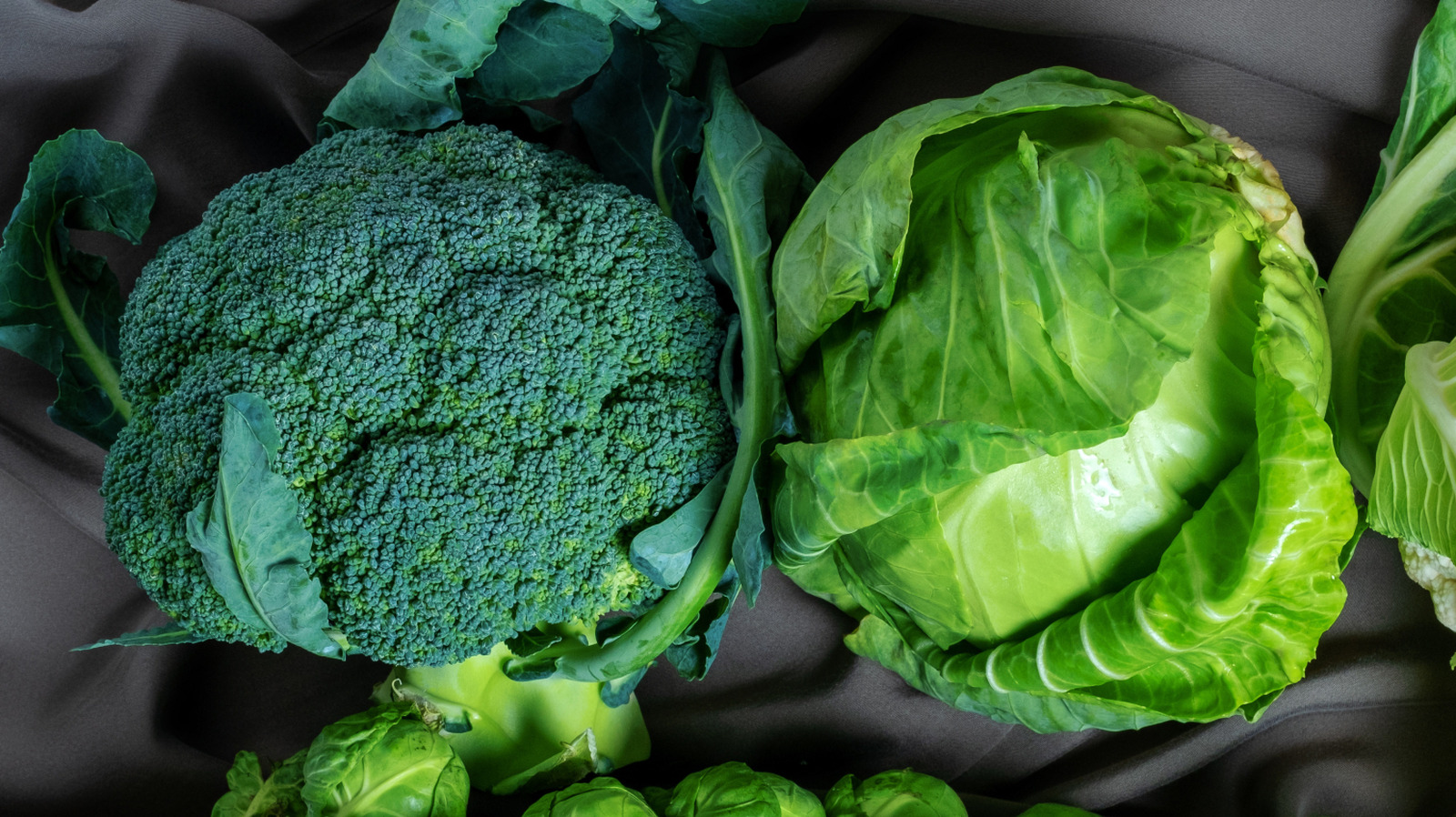
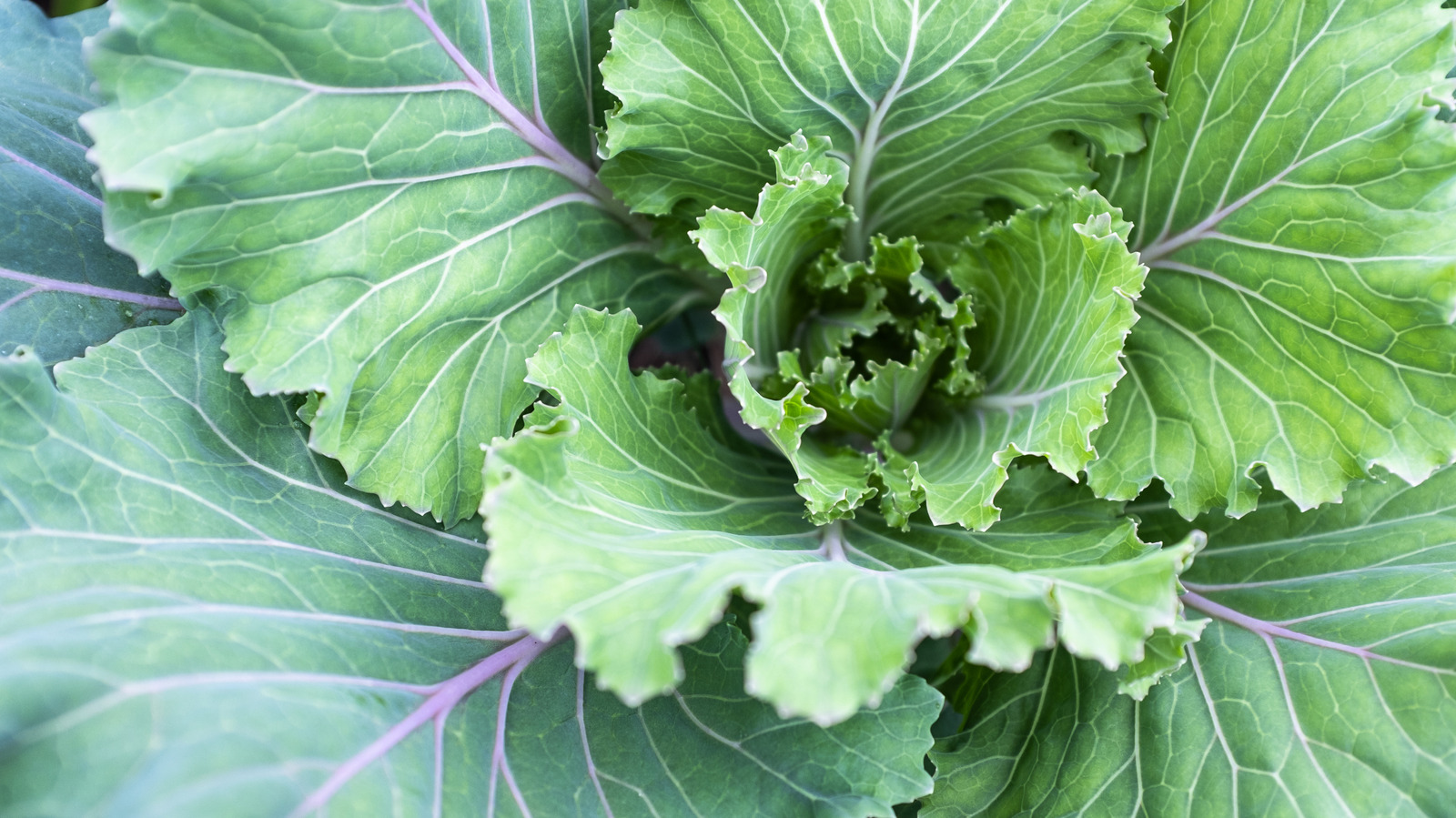
2 months agoWhy You Should Be Rinsing Kale Twice - Tasting Table
This crucial one-two step not only alters kale's texture but also causes the assertively bitter compounds to release, so when you eat it, the bitterness is milder and you get more of an earthy flavor. "The second rinse and massaging make a huge difference," says nutrition-based private holistic chef Jane Olivia. "Massaging kale breaks down the tough cellulose fibers, which softens the leaves and reduces bitterness," she explains. "It transforms kale from something chewy and aggressive into something tender and slightly sweet."
Cooking


fromTasting Table
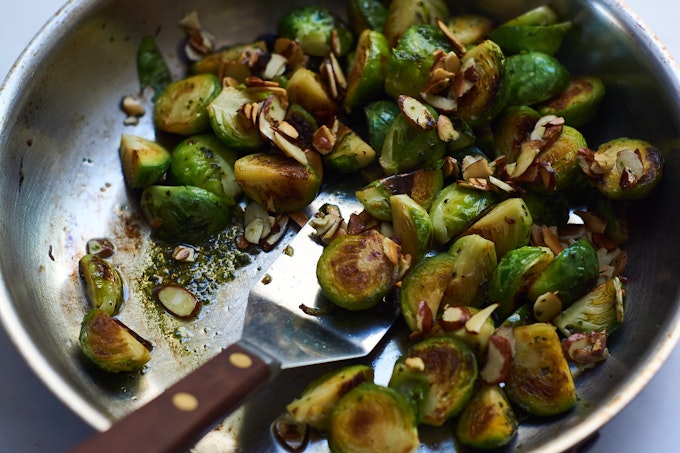
2 months agoYour Location Matters When Planting Onions - Here's Why - Tasting Table
Onions may not be the prettiest vegetable to grow, but they're certainly one of the most useful. Figuring which items you eat most often is the first thing to consider before planting a vegetable garden, and as a fundamental part of soups, sauces, and salads, who couldn't use more of these easy-to-grow alliums? The only tricky part is that location really matters, as different varieties of onions require different day lengths in order to thrive.
Agriculture
fromBon Appetit
2 months agoBeans and Greens With Halloumi Cheese Crumbles
Dynamic duo beans and greens come together again in this pantry-friendly soup. Toasted garlic, tomato paste, and smoked paprika boost store-bought vegetable stock (use a base like Better Than Bouillon for superior potency) into a rich broth. Chickpeas and Swiss chard hang on to their texture in the brew, but use whichever white beans and hearty greens speak to you.
Cooking
Agriculture
fromTasting Table
2 months agoThe Popular Crunchy Vegetable That Didn't Exist When Your Grandparents Were Growing Up - Tasting Table
Baby carrots were invented in the mid-1980s by reshaping imperfect carrots into uniform, peeled pieces, reducing waste and creating a popular, convenient snack.
fromTasting Table
2 months agoThe Slow-Growing Crop That Pays Off Big When You Start It From Seed - Tasting Table
People grow asparagus from crowns because it shortens the long wait times for harvesting. From seed, you'll need to wait three years before harvesting asparagus. Some people consider that a waste of time. The tradeoff is that you can keep harvesting every spring for up to 15 years or more. If you plant crowns, you get a one-year jump on things. However, those crowns may have soil-borne diseases you don't know about, so there is a risk involved. Seeds remove that problem.
Agriculture
[ Load more ]