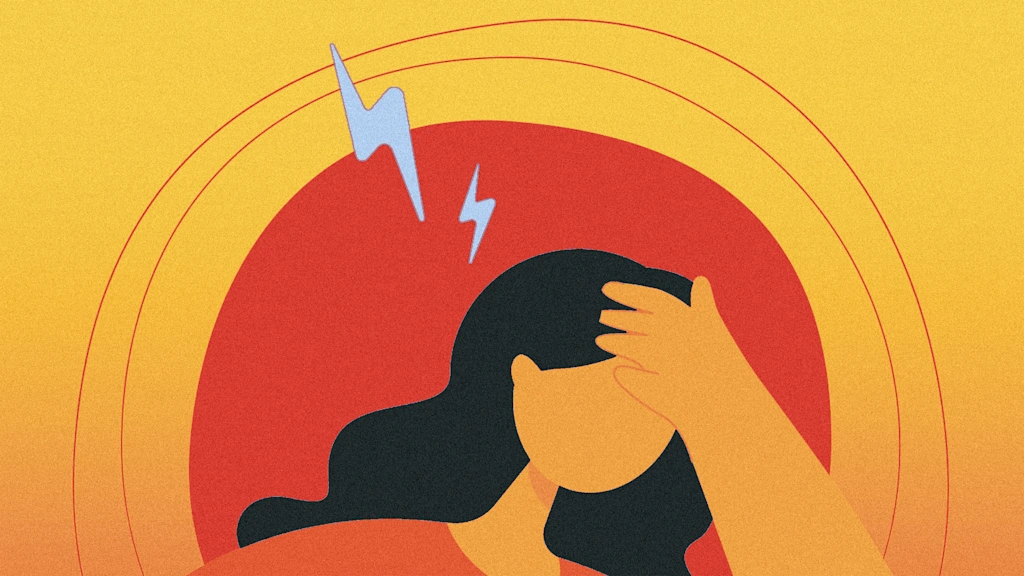
Workplace pressure is no stranger to London professionals. Targets rise. Expectations shift. Schedules tighten. Every sector feels it. Finance moves fast. Tech races forward. Health care strains each day. Creative industries chase constant deadlines. This pace often leaves people drained and searching for something that restores energy and motivation. Music-based activities are filling that gap. They offer relief, structure, and a genuine lift in mood.
Many people rely on assistance dogs for support, and the well-being of all participants in these interactions is essential and given careful attention. To be sure that the dogs' and their humans' physical and emotional well-being receive the attention they require can take time and patience and isn't always easy to achieve. AnthrozoologistTiamat Warda's recent book, Interspecies Emotional Labour Unspoken Expectations of Professionalism in Guide Dog Work, explores this topic through the work of guide dogs and their instructors.
Leading employers and workplace wellbeing experts have urged the government not to sideline employee health and productivity reforms, warning that rising unemployment and growing fiscal pressures make action more urgent than ever. At a meeting of the Policy Liaison Group on Workplace Wellbeing on 21 November - chaired by Gethin Nadin and led by renowned psychologist Professor Sir Cary Cooper - participants agreed that the recommendations in Sir Charlie Mayfield's recent Keep Britain Working review must be rapidly converted into policy and practice.
Things happen at work that are upsetting. Thinking about them for the purpose of problem-solving or processing emotions makes sense. Beyond that, though, continuing to rehash negative topics, either mentally or verbally, only results in reigniting negative emotions. Although it's easier said than done, practice letting go of negative experiences and issues after you've done what you could about them.
A survey from Adaptavist has revealed that 64% of knowledge workers have had their lives negatively impacted by technology in the last year. Three-in-ten said they regularly experience digital overwhelm, and 41% suffer stress and anxiety from notification overload and platform juggling. Almost a quarter (21%) looked for a new job, and 5% quit as a direct result. Many UK knowledge workers are also experiencing stress and anxiety as a result of pressure to be connected outside of working hours - 19%.
The world of work has changed dramatically in the past decade, and catering has quietly evolved alongside it. Once considered a simple logistical necessity, food has become a tool for shaping workplace culture, encouraging collaboration, and even signalling corporate values. Looking at how catering is changing provides a useful glimpse into the wider shifts taking place in the modern workplace.
Get that pit in your stomach on a Sunday evening as work approaches and the weekend ends? It doesn't have to be that way. Here, business leader Mark Price reveals six tips to improve your working week
We are, globally, not super into our jobs. Gallup's 2025 State of the Global Workplace report showed a decline in employee engagement and wellbeing, with 79% either not engaged or actively disengaged.