The average office worker spends approximately 50% of their time managing documents rather than creating value for their business, research from Adobe says. If you're running a company that handles contracts, proposals, or client documentation, eliminate document conversion headaches with a lifetime PDF tool that processes files in seconds while preserving original formatting. PDF Converter & Editor is currently available to new users for just $29.99.
Efficient business practices boost bottom lines, and finding the right balance begins with using the right productivity software tools. For entrepreneurs and small-business owners, time spent searching or navigating different tools could be better spent growing your company. Having the right productivity software in place isn't just convenient, it's essential for operational efficiency. The challenge many entrepreneurs face is balancing software costs with functionality.
Theres an inherent convenience to working from home that suits many, but it can also have significant downsides. The social element, for instance, is lost. Still, remote work and the well-known jingle of Microsoft Teams have become part of the daily routine for many. To help them get to know those people they work with, Microsoft has added a new feature to Teams. Or, rather, a familiar feature from Microsoft's 365 system is coming to Teams for the first time: People Skills.
Ramit Sethi, author of I Will Teach You to Be Rich and host of the Netflix series How to Get Rich, has built a following around one central claim: automation beats budgeting. His approach centers on setting up automatic transfers for bills, savings, and investments rather than manually tracking every dollar. The advice resonates because it simplifies money management and removes the emotional burden of constant decision-making.
If a doctor ran the front desk, took vitals, performed X-rays, handled referrals, dealt with insurance, and did the paperwork, they'd only have time to see a few patients each day. They wouldn't have time to advance their craft, and they certainly wouldn't do their best work. Instead, a doctor's office organizes work so the doctor can focus on patient care. Delegating tasks doesn't mean the doctor avoids other responsibilities. It means the organization depends on the doctor to apply their expertise where it matters most.
Resume Builder reported last October that 30% of companies will eliminate remote work in 2026. According to a survey of business leaders by Vena Solutions , a private financial software company, 83% of CEOs globally anticipate a return to full-time office work in 2027. But what if there's a better way to frame this conversation? What if the focus shifts away from where employees are working to when employees are working?
At first, I thought this was insane. Why would you say no to good opportunities? But then I remembered something Buffett once said: "The difference between successful people and really successful people is that really successful people say no to almost everything." That quote hit different after my second startup crashed and burned. We tried to do everything. We said yes to every feature request, every partnership opportunity, every speaking gig.
For entrepreneurs who are looking to streamline their software costs, Microsoft Office 2024 Home & Business offers a refreshing alternative. Save on genuine Microsoft productivity tools with a one-time purchase instead of recurring fees. At $99.97 (reg. $249.99), this lifetime license delivers Word, Excel, PowerPoint, Outlook, and OneNote without the ongoing costs of a Microsoft 365 subscription. Microsoft apps minus the subscription
The morning hours before 8am are like a secret society that unsuccessful people don't even know exists. While they're still dreaming about success, the people actually achieving it are already hours into their day, doing things that most would dismiss as "excessive" or "unnecessary." After running my own startups and studying high performers obsessively, I've noticed a pattern. The things that separate the ultra-successful from everyone else happen before most people's alarms even go off.
They may be spending a lot of combined time at the office and commuting, or just putting in a lot of hours both at work and at home. Fixing that problem can't be done abstractly, though. If you're going to address the balance of work and life activities, you have to start getting specific about where your time is going and where you really want it to go.
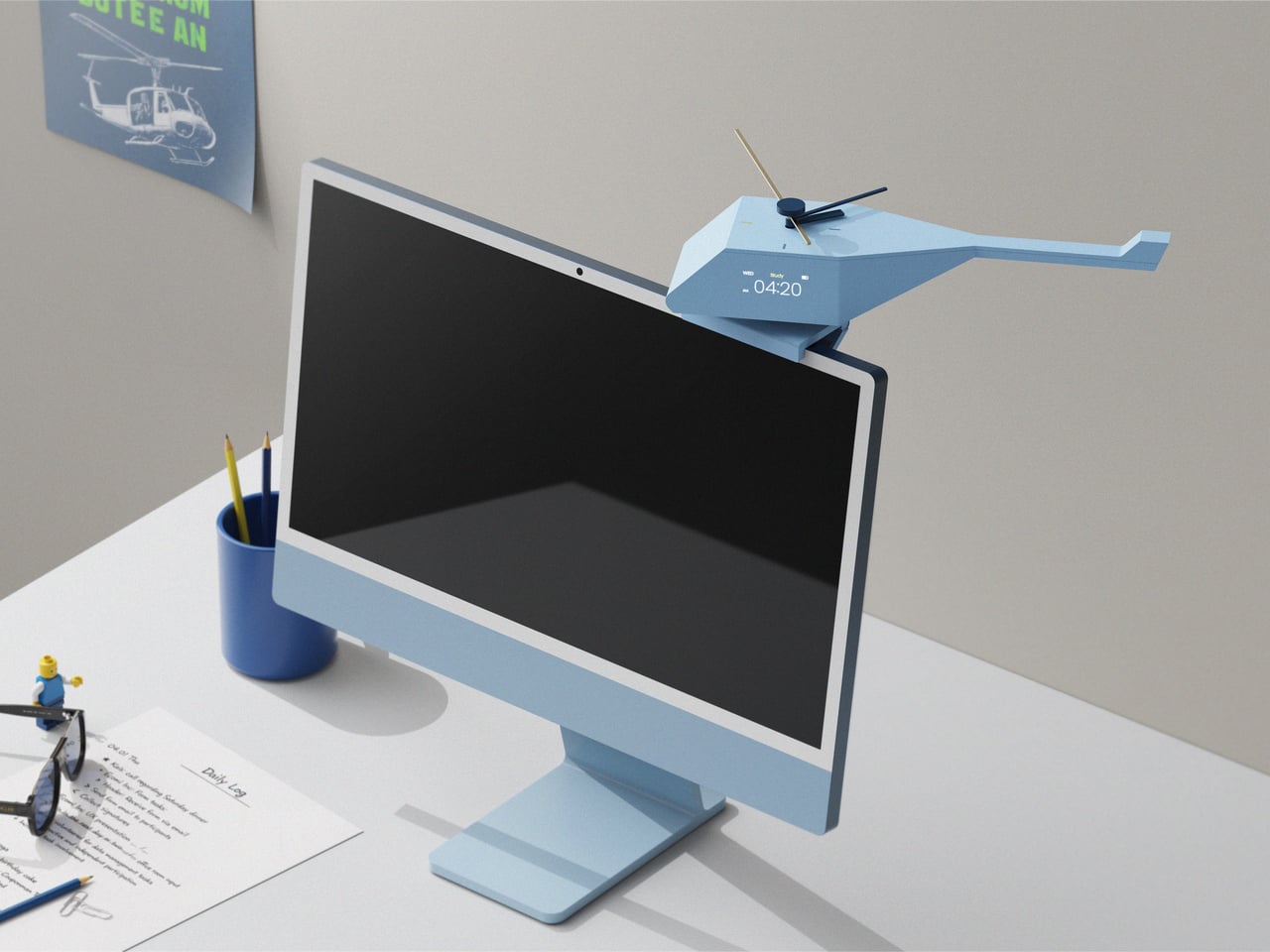
But during a week I was particularly scattered and finding it difficult to concentrate, I shared with my then-therapist how it felt like workdays kept slipping through my fingers. When she asked what I was using to time myself, I came to an embarrassing realization. Of course, using my phone to stay focused was always going to prove counterproductive. She smiled and gave me a simple suggestion, "Try a kitchen timer instead."
It utilizes the context of your conversations, files, channels, and more to answer questions about your workflow and even take action on your behalf, such as scheduling meetings, from just a single text prompt. The company emphasizes that the experience is meant to be intuitive, with no training required and just a simple conversation needed to get started, such as, "What did we decide about the Q4 budget?"
I love a physical annual planner. I'm not one of those people who has a shared Google calendar with friends or my spouse, and I'm definitely not one of those people who can take each day on the fly and remember things I have to do or play it all by ear. I find that when I keep my to-dos digital rather than physical, I struggle to actually absorb and remember everything I'm supposed to do that day.
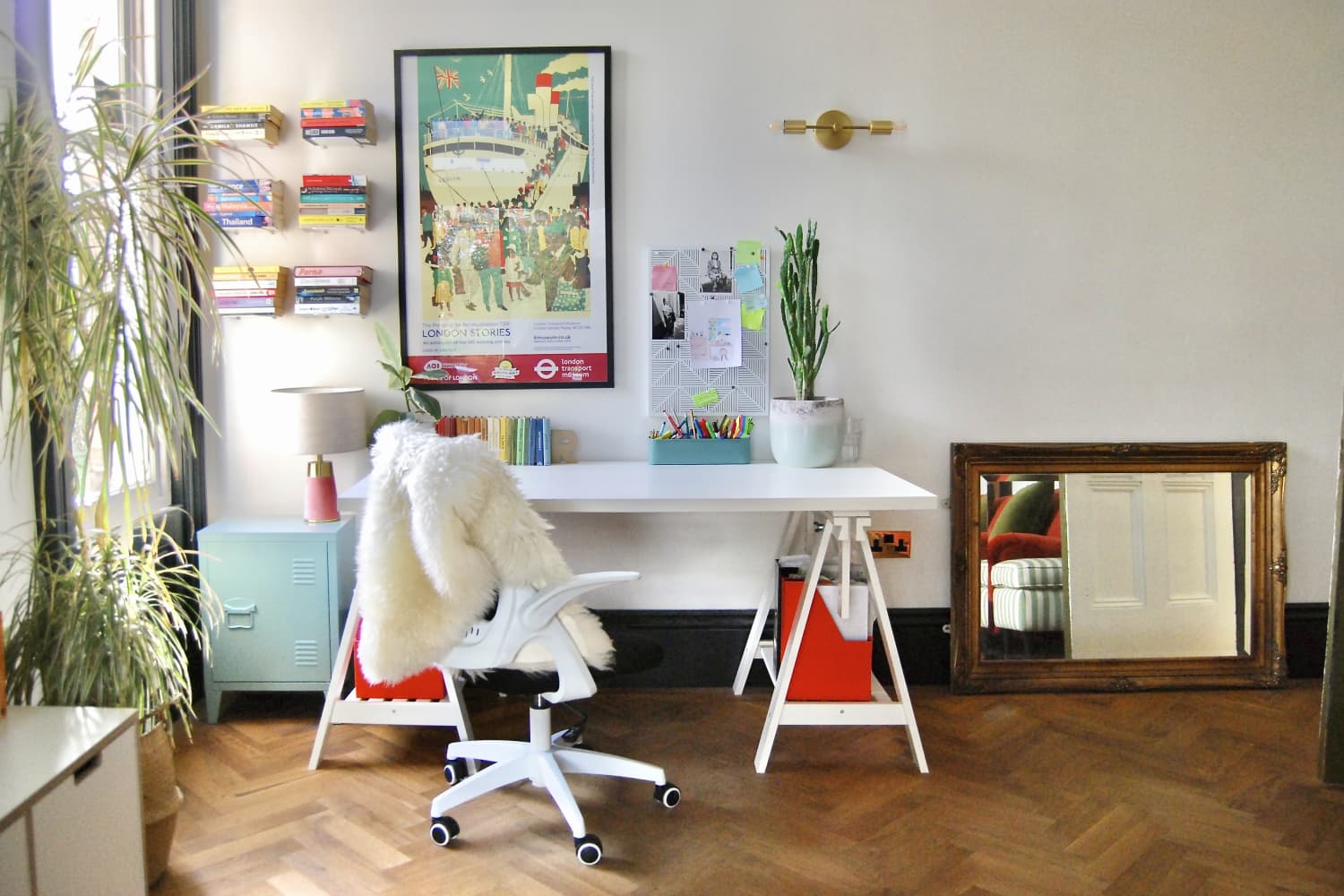
It's only early January, so I'm still hearing a lot of people talk about their fresh starts and resolutions. Even if you're not one for those kinds of traditions, January tends to be a relatively sleepy month without many large obligations (plus, it's cold out!). One way to put that downtime to good use is by getting a bit more organized. What better place to start than your desk?
Meg's bank charges a $15 monthly fee unless she makes 5 debit card transactions a month. She prefers to use her credit card for rewards, not her debit card. Once a month, when her local supermarket isn't busy, she buys 5 bananas in 5 individual transactions at self-checkout. She doesn't make the rules but she makes the rules work for her.
Since the launch of Power Hours - which takes readers inside the daily routines of highly successful CEOs, founders, investors, and public figures - earlier this year, Business Insider has been asking high achievers a deceptively simple question: How do you actually spend your day? The answers we got were as fascinating as they were varied. To determine which habits were the most prevalent among these leaders, we fed months of Power Hours interviews into ChatGPT and asked it to find the common themes.
In a recent post, I wrote about how creativity requires just enough confusion to actually work. We need to be a little surprised to find something new. Vibe coding for PMs is exactly that. It isn't about becoming an engineer; it's about making your thinking much stronger earlier in the process. It's about "rubber ducking" your decisions, externalizing your thinking so you can look at it in a more objective way, with a machine before you bring it to your team.
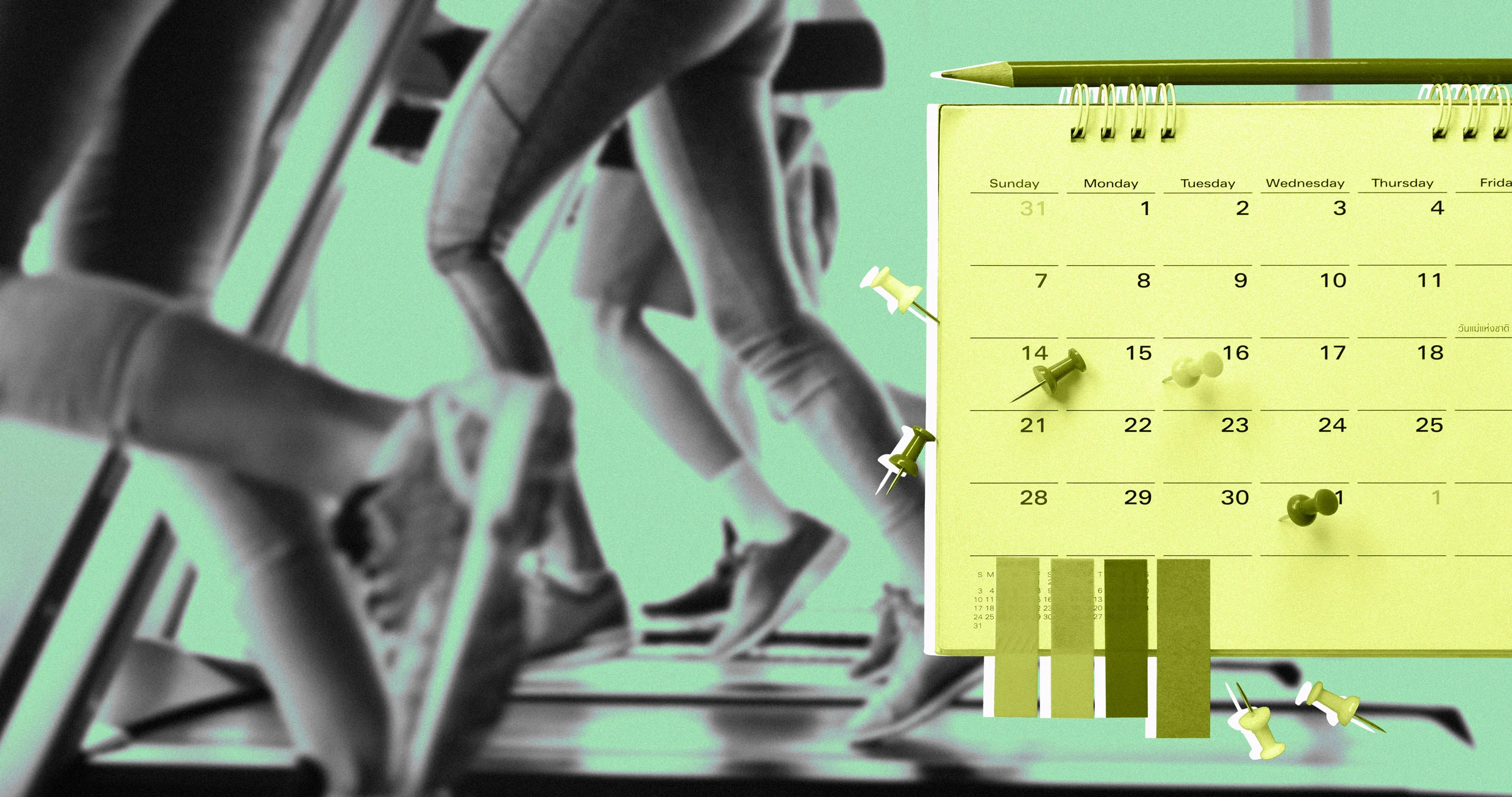
The former lawyer turned time management coach Kelly Nolan suggests starting with a commute audit to assess its true impact. Begin by blocking it out on a calendar. Creating a visual representation of how much commuting takes out of your day gives an accurate picture. It's not just about how much free time you have left, it's about seeing how commuting affects other activities in your life.
If you want to block distractions across all of your devices at once, Freedom is a good option. You can choose which websites and apps to block for a specific period of time. So if you're working on your laptop and then try to open TikTok on your phone, you won't be able to - you'll instead see a green screen indicating the app is blocked.
It's easy to tell who the top slacker is in your office. Slack, the ubiquitous workplace messaging app that has been changing workplaces since 2014, makes it easy to see who sent the most messages this past year. Unfortunately, there is no glitzy presentation like Spotify Wrapped, but if you want to know who is blowing up your notifications the most, here is how to do it.
We'll cross that bridge when we get there. I have often seen teams shoot themselves in the foot by planning to use 100% capacity in their regular planning cycles, only to scramble when they need some triage bandwidth. This leaves no runway for immediate triage when external randomizations land mid-cycle. The squeaky wheel gets the grease. Another common pitfall is that the loudest voice wins by default.
Sandra doesn't like any dishes left in the sink. She'll wash and put away her breakfast dishes before she leaves for work. Even if it's one or two dirty items, she won't dump them in the sink and walk out the door. She's like this in all areas of her life. She prefers to do tasks steadily, as they come in. She doesn't like anything to build up or feel cluttered.
About five years ago, I ran into a problem many people face as they get older: The people I holiday shop for typically just buy everything they want throughout the year. That, of course, left me hanging during the holidays, not knowing what to get anyone and relying on gift cards to allow them to buy the things they love. (The people in my life are notoriously hard to shop for.)
Imagine this scenario: Amber stumbled on a podcast interview with someone who flew themselves to and around the Bahamas in a rented plane. She expected it to be about beaches and sunsets but when she listened, it wasn't focused on those things at all. The episode had all the thrill, chase, and dramatic tension of any good story, but in a completely unexpected way. Those elements came from the rule-finding and rule-following parts of the logistics.
Humans spontaneously synchronize to a broad range of stimuli: synchronized walking, turn-taking in conversation, marching, dancing, and the in-unison singing of "Happy Birthday." Synchronization is shown especially in dance, where planned coordination is the goal. Dancers' sophisticated timing skills are particularly important for coordinating with other dancers in duet or group choreography/improvisation. The term entrainment is usually paired with the notion of coordinated rhythmic movement. It describes a phenomenon in which two or more independent rhythmic processes synchronize with each other.