#asmr
#asmr
[ follow ]
#youtube #ai #relaxation #content-creation #mental-health #sensory-experience #food-culture #tiktok #veo-3 #gen-alpha
fromPsychology Today
2 days agoThe Hidden Sadness of ASMR Videos
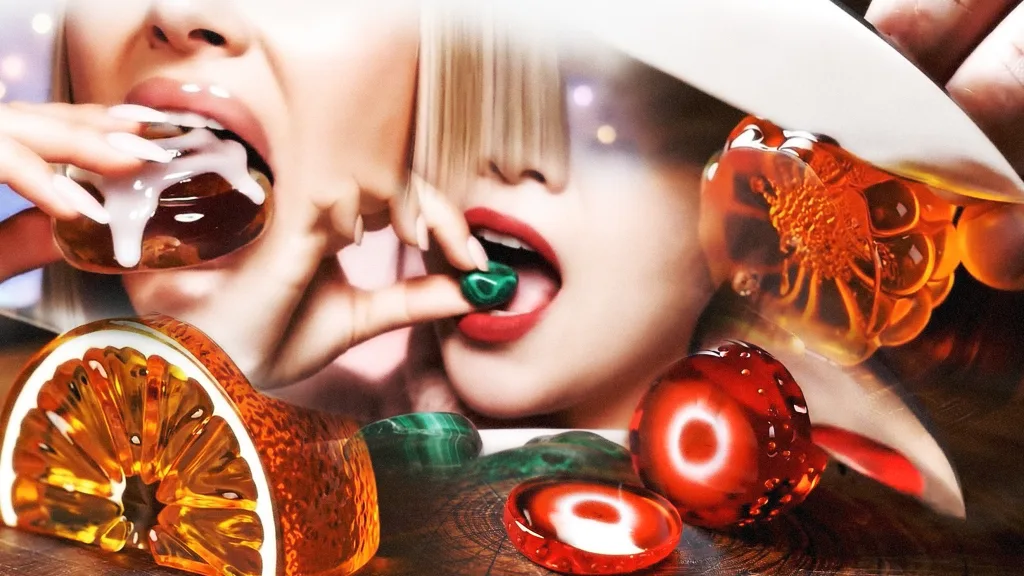
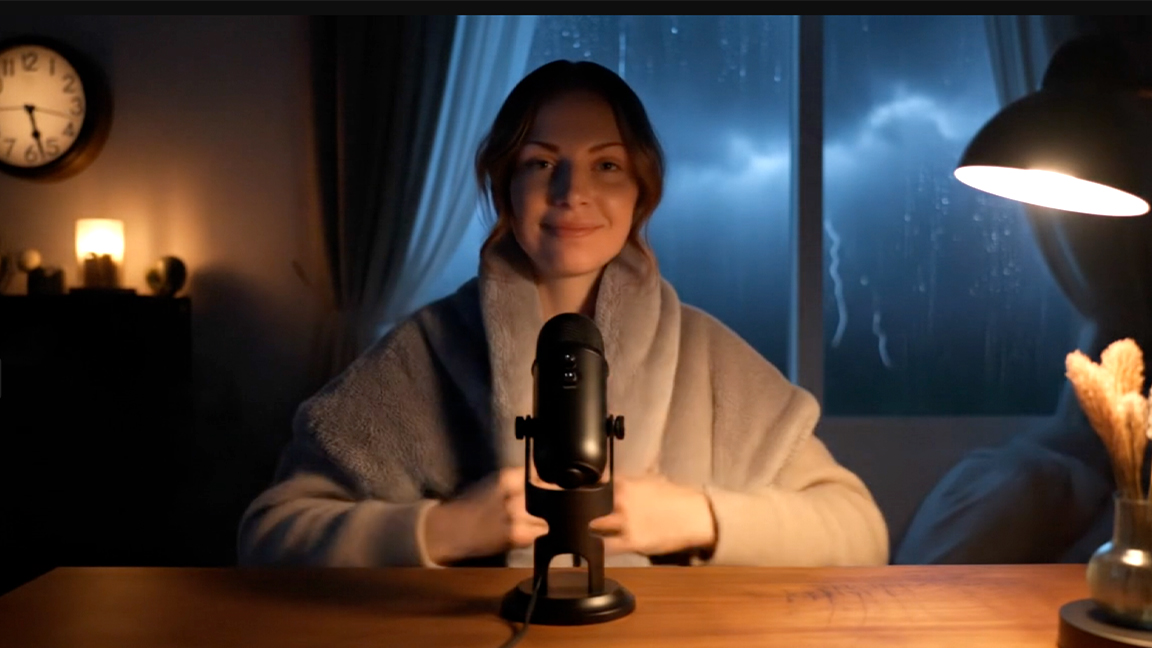
ASMR sensations usually occur accidentally or unintentionally, but the popular videos on social media are intentionally designed to cause them. The tingly feeling you get during an ASMR video is relaxing, so the videos make a natural sleep aid.
Psychology

fromOpen Culture
4 months agoAn Immersive, ASMR-Style Look at Japanese Woodblock Printing
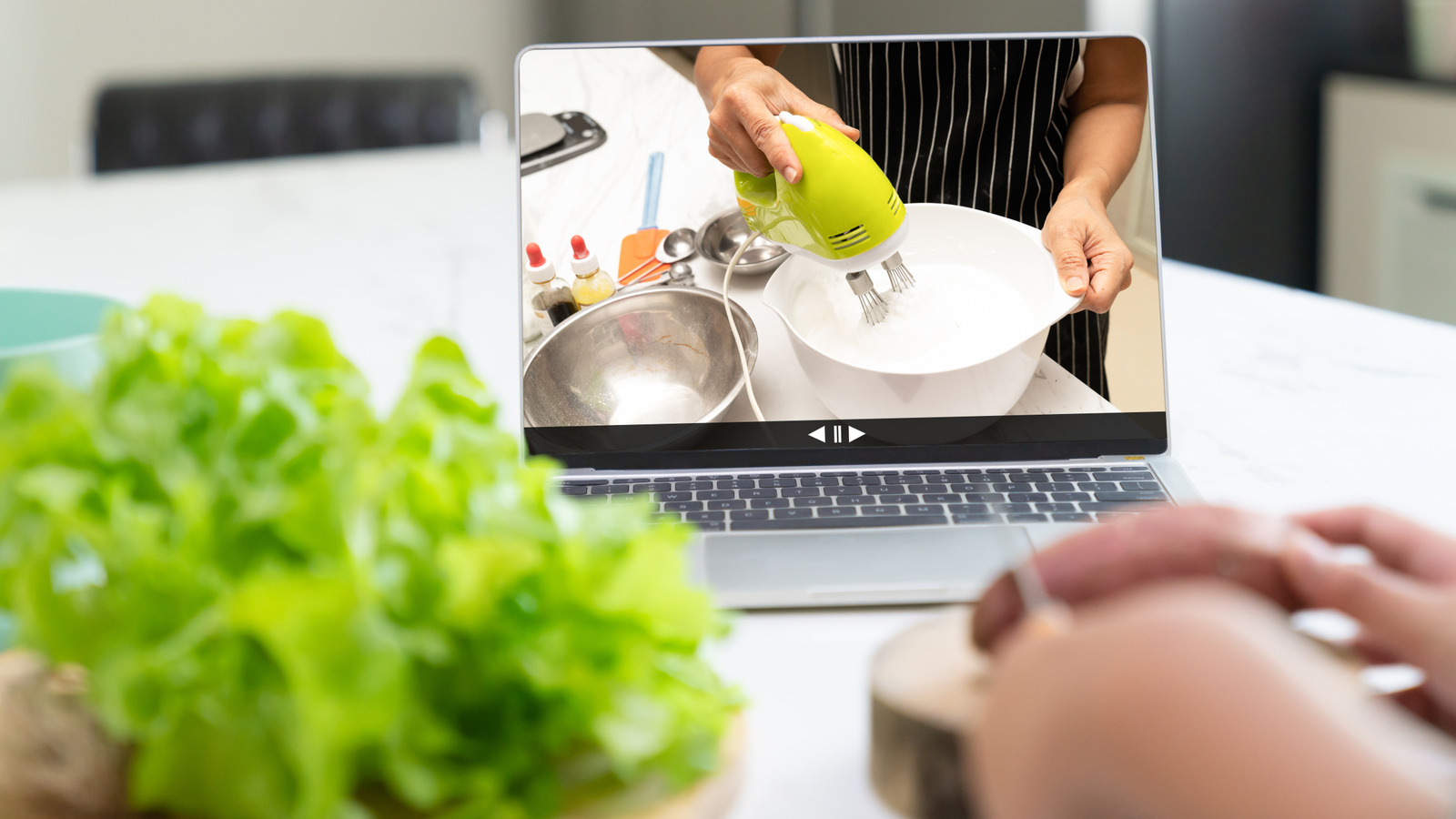
While not every Open Cul­ture read­er dreams of mov­ing to Japan and becom­ing a wood­block print­mak­er, it's a safe bet that at least a few of you enter­tain just such a fan­ta­sy from time to time. David Bull, a British-Born Cana­di­an who got his first expo­sure to the art of ukiyo‑e in his late twen­ties, actu­al­ly did it. Though he's been liv­ing in Japan and steadi­ly pur­su­ing his art there since 1986, only in recent years has he become known around the world.
Arts
fromPsychology Today
7 months agoThe Whispering Doctor
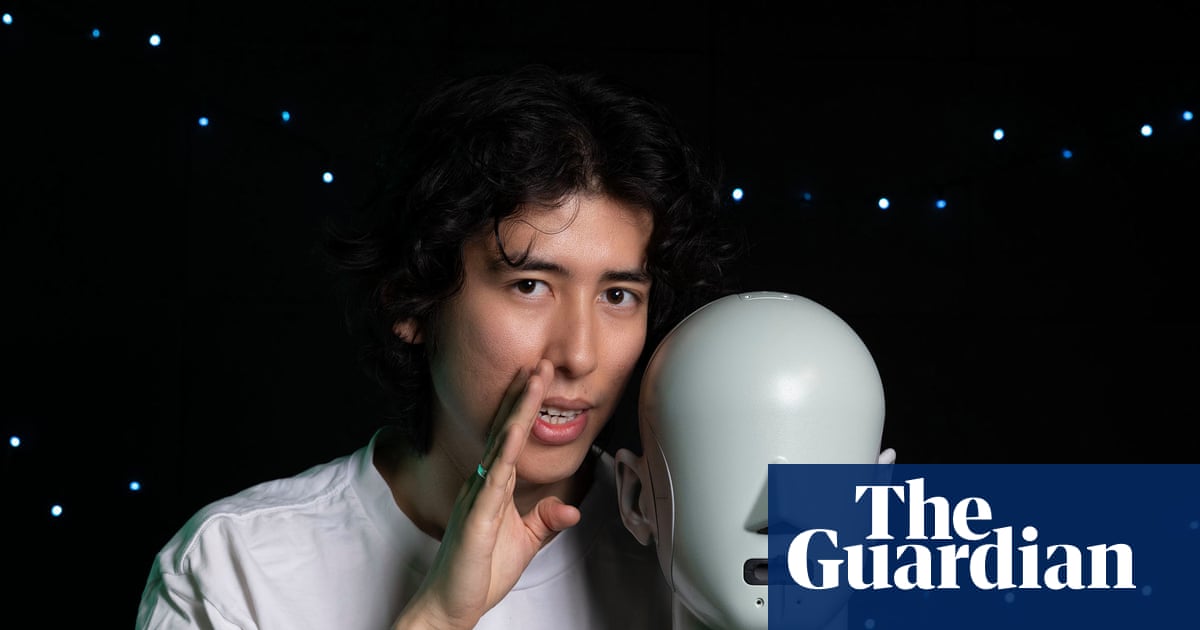
Auto-Sensory Meridian Response is everywhere right now: SNL skits, Grammy-nominated indie albums, and celebrity performances. ASMR is a phenomenon in which audio or visual triggers, like delicate tapping sounds or soft whispers, create a pleasurable tingling feeling called paresthesia. Medical role-play videos are among the most popular ASMR content, with "doctors" staring into the camera and leaving spaces in the dialogue to "listen" to the viewer's imagined responses.
Mindfulness
[ Load more ]