#daylight-saving-time
#daylight-saving-time
[ follow ]
#time-zones


Canada news
fromwww.theguardian.com
1 month agoTime for a change: British Columbia decides to keep daylight saving time permanently
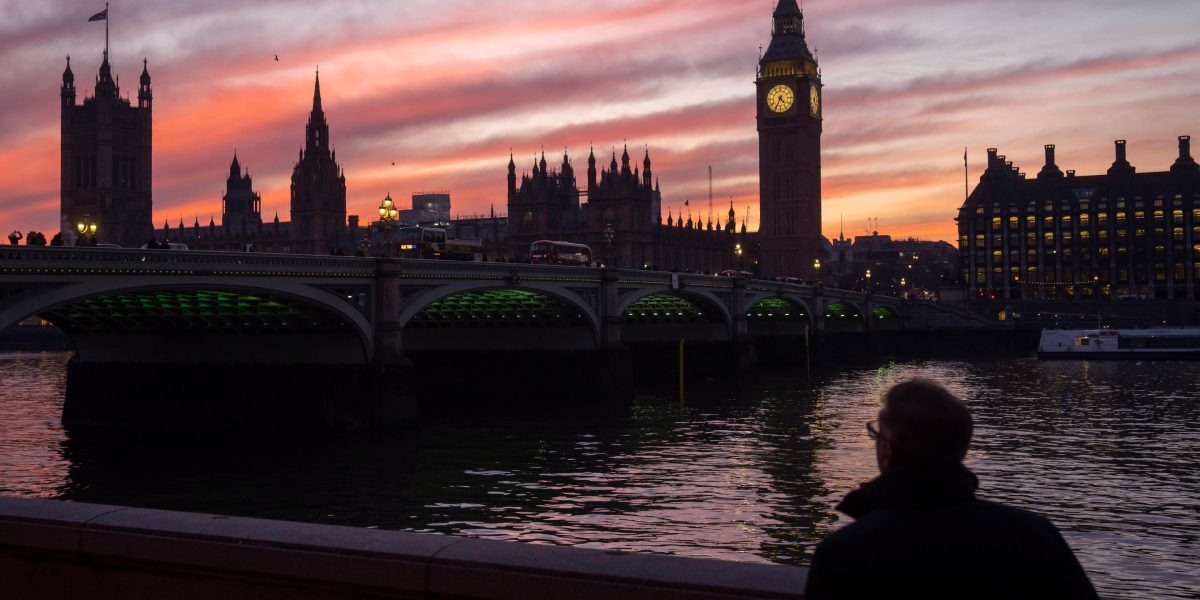
British Columbia will permanently adopt Pacific Standard Time, ending biannual clock changes and joining Creston's unique time zone status after nearly 70 years of misalignment with neighboring communities.


fromWIRED
1 month agoSave Yourself From Dark Mornings With This On-Sale Gadget
Sunrise alarm clocks simulate the sunrise right on your bedside table, slowly brightening over the course of anywhere between 10 minutes and an hour, helping activate your circadian rhythm and naturally waking you up. If you're interested in one after the rough loss of an hour, you're in luck.
Wearables



#clock-changes

US politics
fromwww.mercurynews.com
1 month agoSpring forward' is a problem, and there's a deep divide on how to fix it
Daylight saving time returns Sunday, creating widespread sleep disruption and complaints, yet political efforts to change the system remain stalled due to sharply divided opinions on its impacts.
US politics
fromBoston.com
1 month agoThis weekend's US clock change is a problem, and there's a deep divide on how to fix it
Most Americans dislike daylight saving time, but political efforts to change it fail due to sharply divided opinions on whether to adopt permanent daylight saving or standard time.
fromwww.scientificamerican.com
1 month agoThe surprising science behind why daylight saving time is good for wildlife
Animals' risk of becoming roadkill depends on several factors, including how many vehicles are on the road, how many animals are on the road, and how animals and human drivers behave, explains Tom Langen, a professor of biology at Clarkson University, who studies animal-vehicle collisions. DST can minimize these collisions, however.
Pets
#circadian-rhythm-disruption
Health
fromFast Company
1 month agoDaylight saving time starts Sunday. Here's 11 things you can do to adjust to losing an hour of sleep
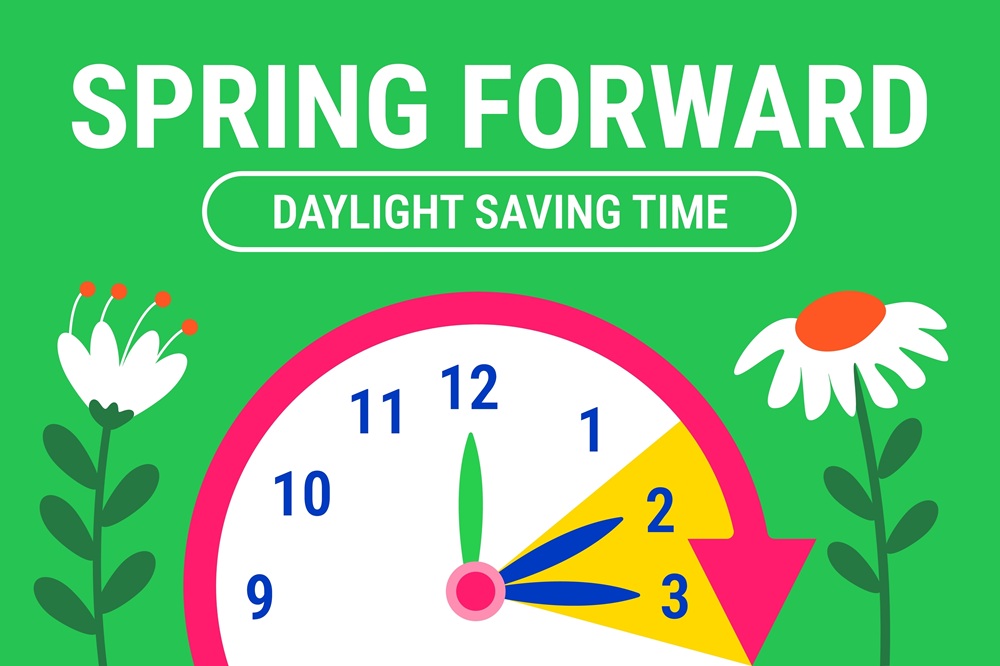
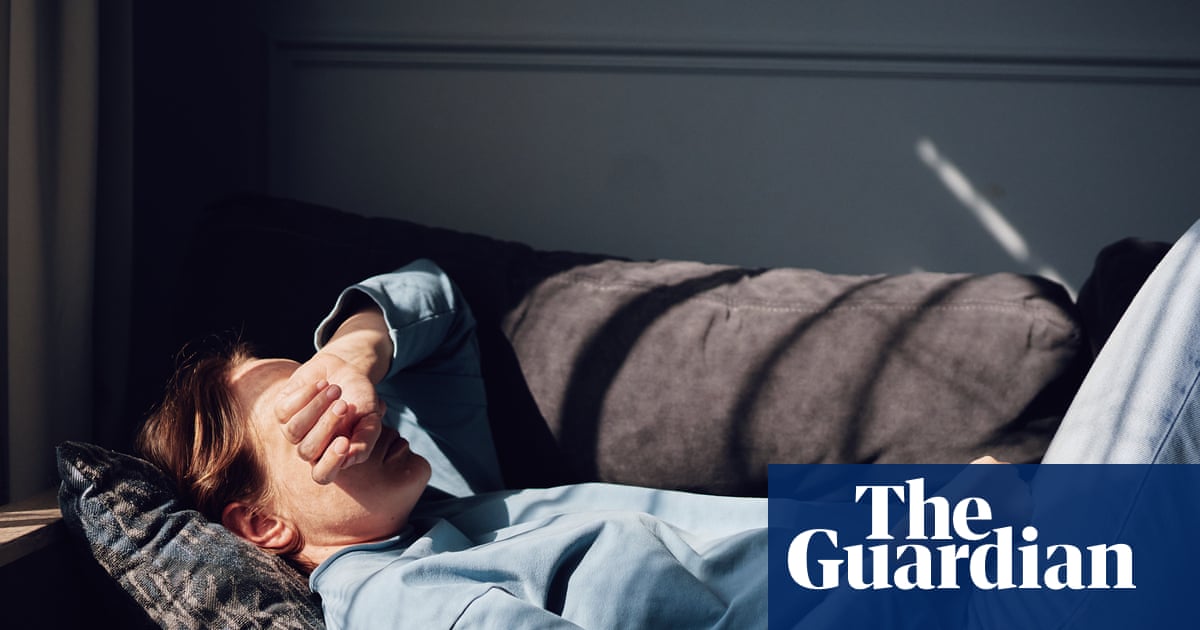
Daylight saving time's spring forward shift disrupts the body's natural circadian rhythm, causing sleep deprivation lasting days and increasing risks of heart attacks, strokes, accidents, and mental health issues.
fromFast Company
1 month agoThe time change in the U.S. this weekend is a problem, and there's no consensus on how to fix it
Since 2018, 19 states - including much of the South and a block of states in the northwestern U.S. - have adopted laws calling for a move to permanent daylight saving time. There's a catch: Congress would need to pass a law to allow states to go to full-time daylight saving time, something that was in place nationwide during World War II and for an unpopular, brief stint in 1974.
US politics
#british-columbia
Canada news
fromFast Company
1 month agoDaylight saving time 2026: A major part of Canada just made DST permanent. Why these U.S. states could follow
British Columbia adopts permanent daylight saving time year-round starting March 8, while only 12% of Americans support DST despite ongoing debate about its necessity.
#sleep-deprivation
Health
fromwww.pressdemocrat.com
1 month agoBay Area sleep expert gives tips to prepare for Daylight Saving Time
Daylight Saving Time exacerbates chronic sleep deprivation affecting 85 million Americans, increasing motor vehicle accidents by 6% and worsening health outcomes including heart disease, stroke, and depression.
fromJezebel
2 months agoDaylight Saving Time Is the Latest Argument Waiting to Divorce MAHA from MAGA
If you poll Americans on whether they're 'in favor of daylight saving time,' they'll unequivocally tell you that they hate it, as you should no doubt expect of anything perceived by the public as an inconvenience. As a result, you'll find that the idea of 'abolishing daylight saving time' is generally quite popular ... but then the concept completely falls apart when it comes time to decide how the alternative would work.
US politics
fromBoston.com
2 months agoHere's Dave Epstein on what to expect - generally - this March
March brings tremendous daylight with 11 hours and 14 minutes of it to start and 12 hours and 40 minutes to finish. In the wee hours of Sunday morning, March 8, we spring forward into daylight saving time again; then two weeks later, astronomical spring begins on March 20 (the spring equinox) and the sun angle rises by over 10 degrees.
Boston



fromwww.npr.org
5 months agoDaylight saving time ends Sunday. Here's what to know
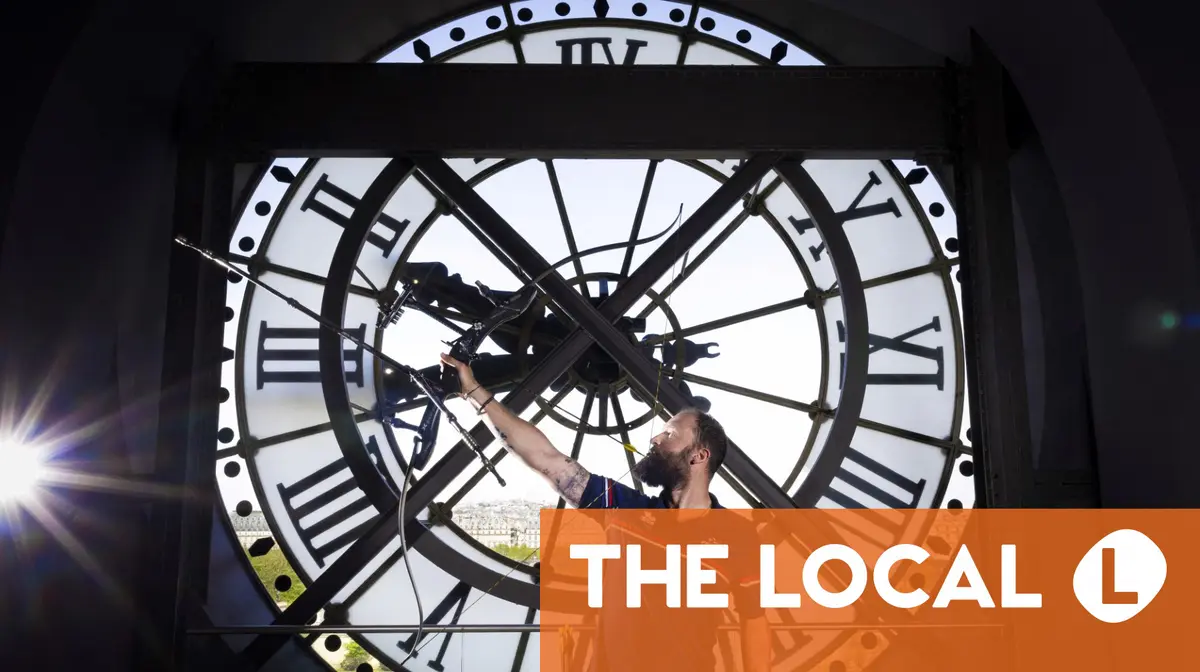
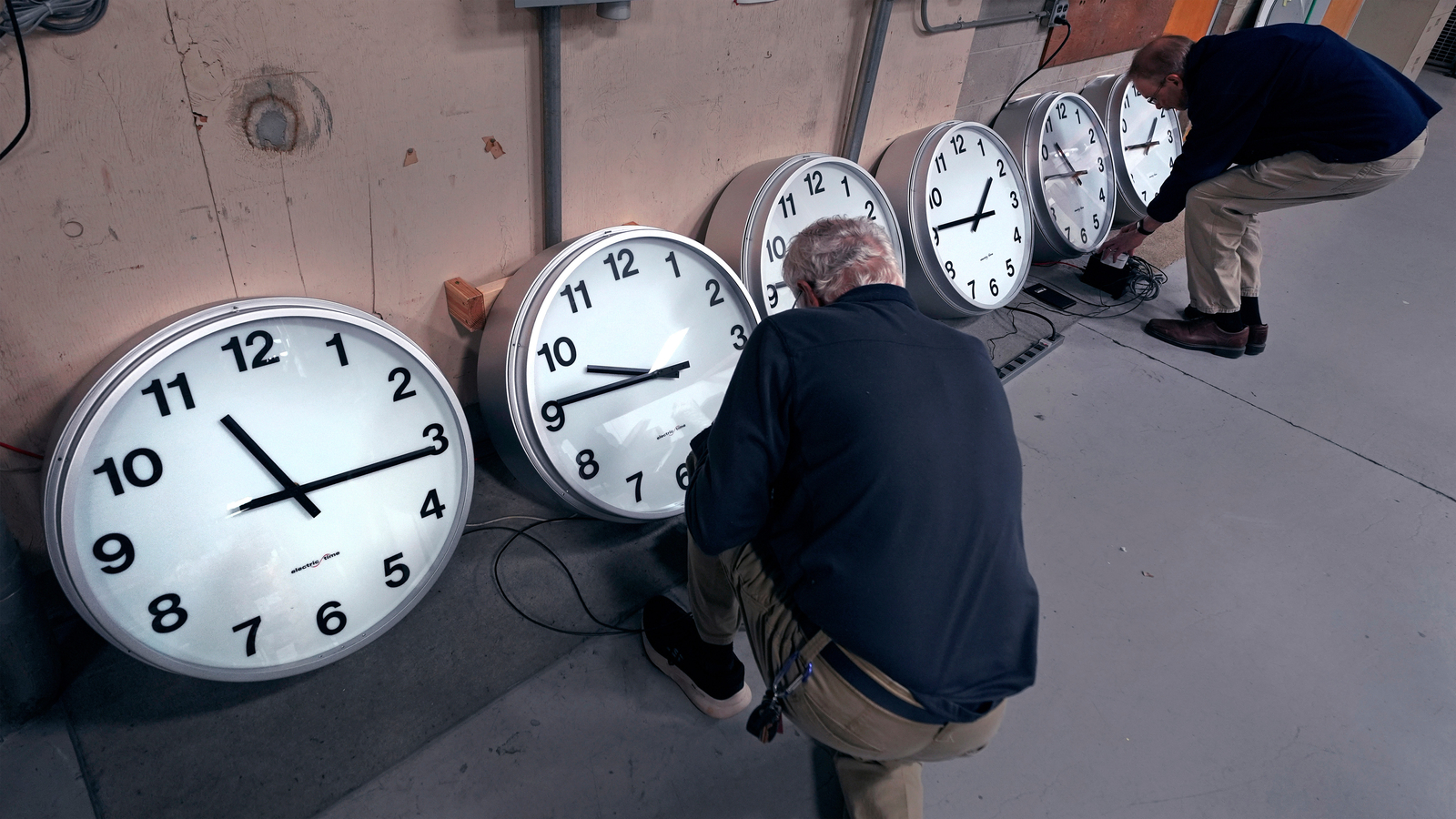
It's that time of year again: Many Americans will have to reset their clocks and circadian rhythms when daylight saving time ends on Sunday. That means, in most states, lighter mornings and darker evenings. At 2:00 a.m. on Sunday, the time for millions across the country will jump back one hour an adjustment that has been both welcomed by those seeking extra sleep time or criticized by those who see it as an inconvenience. Here is what you should know.
US news
New York City
fromwww.amny.com
6 months agoDaylight saving time is this Sunday; City ramps up traffic enforcement as darkness falls earlier
The fall clock change brings earlier darkness and creates peak pedestrian danger during evening rush hours, so drivers must slow down, turn carefully, and remain vigilant.
fromABC7 Los Angeles
5 months agoDaylight saving time is ending soon: Here's what to know for 2025
The current March to November system that the US follows began in 2007, but the concept of "saving daylight" is much older. Daylight saving time has its roots in train schedules, but it was put into practice in Europe and the United States to save fuel and power during World War I, according to the US Department of Transportation's Bureau of Transportation Statistics.
US politics
fromThe Conversation
6 months agoAn Indigenous approach shows how changing the clocks for Daylight Saving Time runs counter to human nature - and nature itself
But as an Indigenous person who studies environmental humanities, this sort of effort, and the debate about it, misses a key ecological perspective. Biologically speaking, it is normal, and even critical, for nature to do more during the brighter months and to do less during the darker ones. Animals go into hibernation, plants into dormancy. Humans are intimately interconnected with, interdependent on, and interrelated to nonhuman beings, rhythms and environments.
Philosophy
fromwww.dw.com
6 months agoSpain revives EU daylight savings debate DW 10/24/2025
On Sunday, October 26, clocks will again "fall back" one hour, ending Central European Summer Time (CEST), after having "sprung forward" an hour in March. What is daylight savings time (DST) and why is it used? Around 35% of countries currently adhere to the daylight savings time system, which was first instituted on a national level in 1916 in the German and the Austro-Hungarian Empires. DST saw broad international implementation in the 1970s as a means of saving energy after the oil crisis.
Miscellaneous
fromSocial Media Explorer
10 months agoThe Deadly Cost of Daylight Saving Time: Why Texans Should Rethink the Clock Change - Social Media Explorer
The spring transition appears to be a perfect storm of fatigue, impaired alertness, and risky driving conditions, with a 6% spike in fatal crashes.
Black Lives Matter
Washington DC
fromWashingtonian - The website that Washington lives by.
10 months agoMeet the Man Who Wants to Stop DC From Changing Clocks Each Spring and Fall - Washingtonian
Daniel Bernier proposes a referendum in DC to stop daylight saving time, advocating for permanent standard time.
Bernier aims to improve local autonomy and reduce the inconvenience of time changes.
[ Load more ]